
Last updated September 23, 2026
Free visual inspection and a written scope of work before any mitigation begins - photos, moisture readings, and drying logs go in your claim file
The scope we write is the scope we bill. Anything new gets shown to you, in writing, before we touch it.
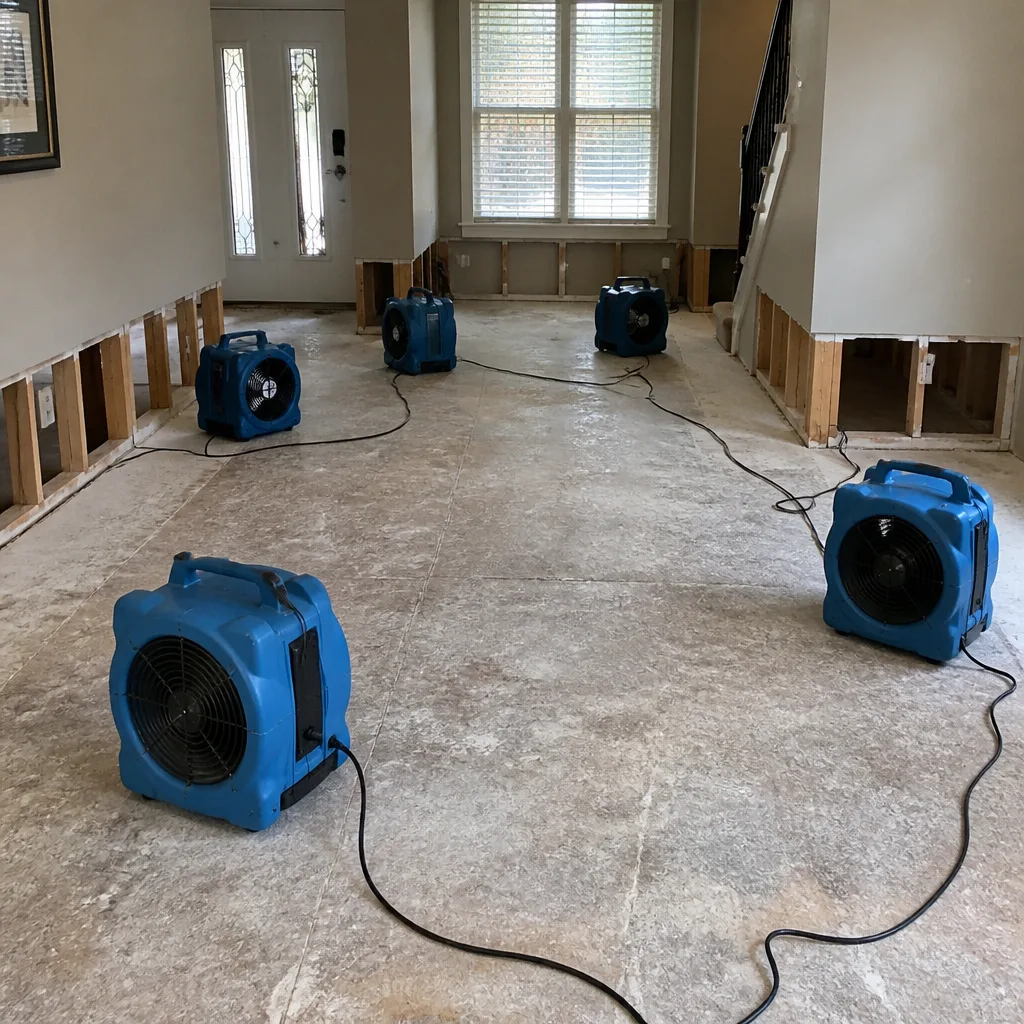

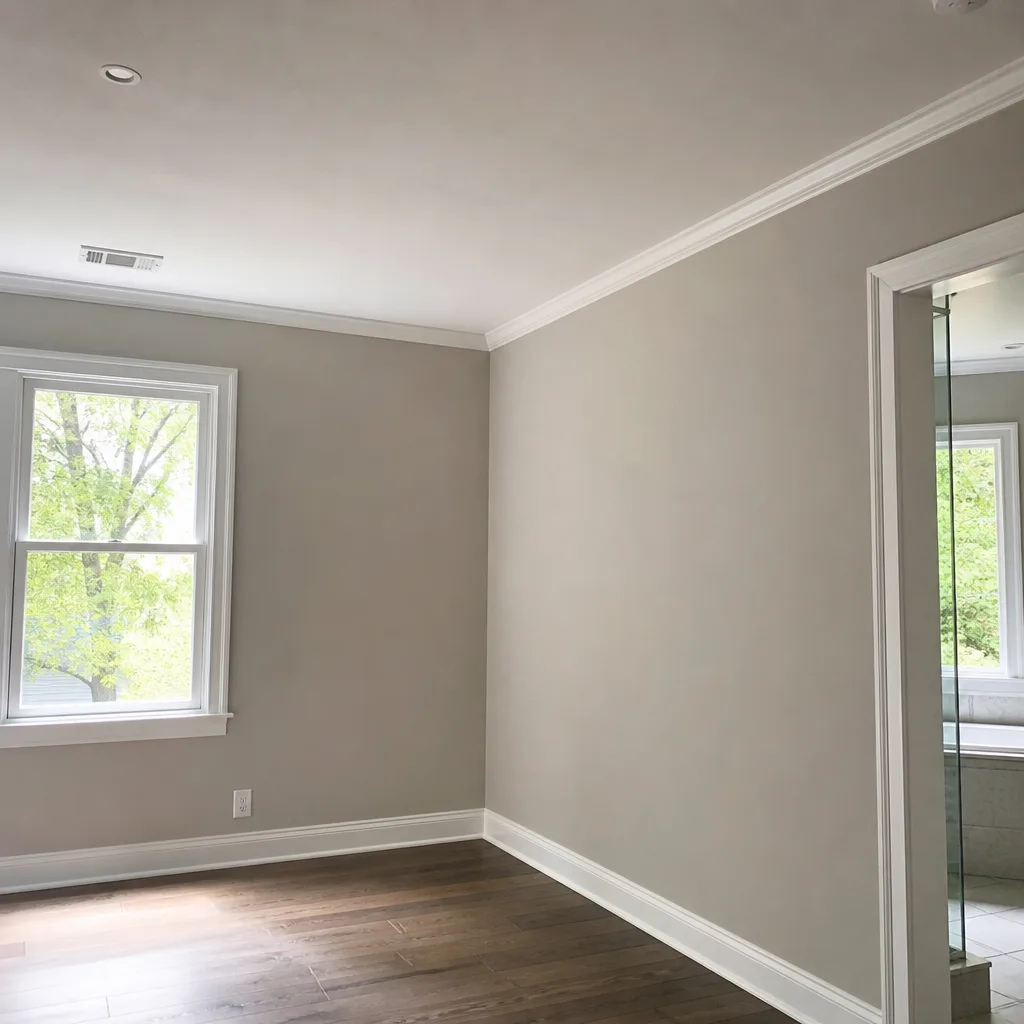

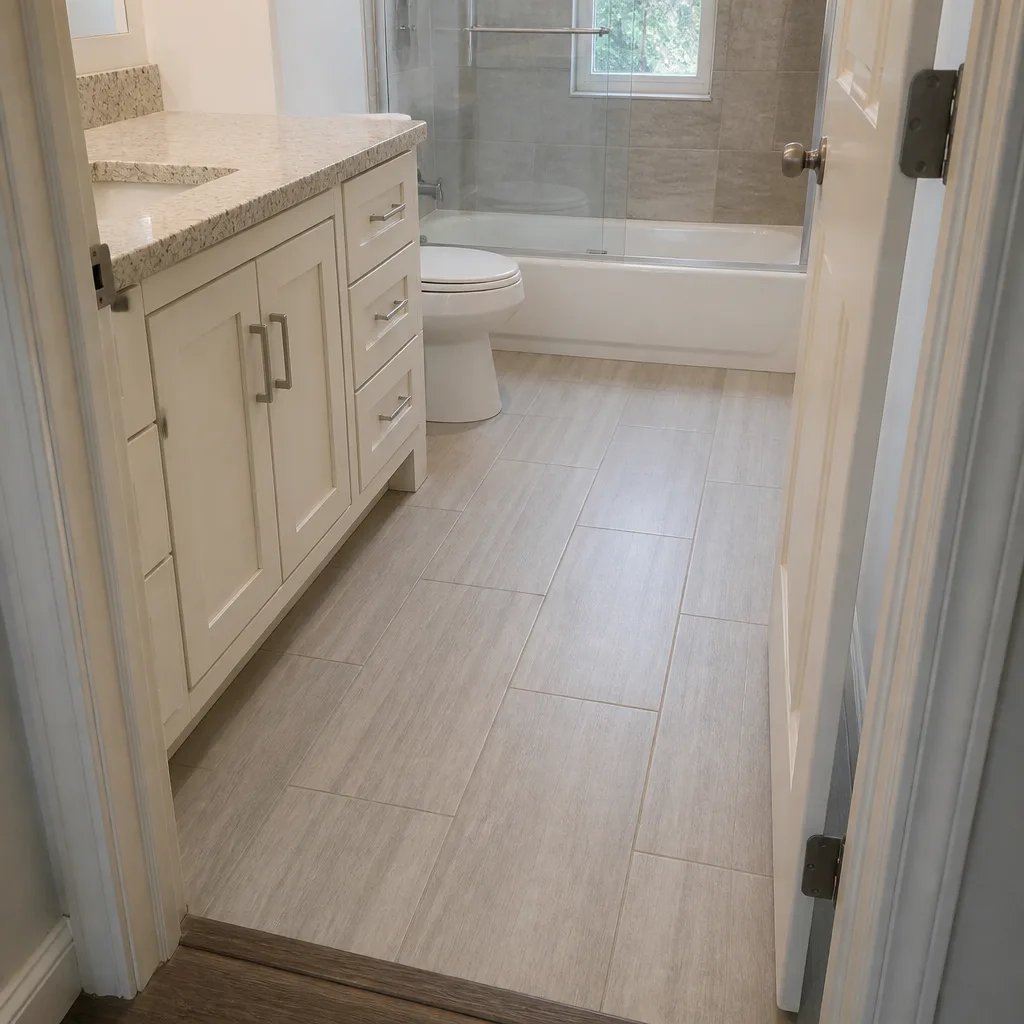

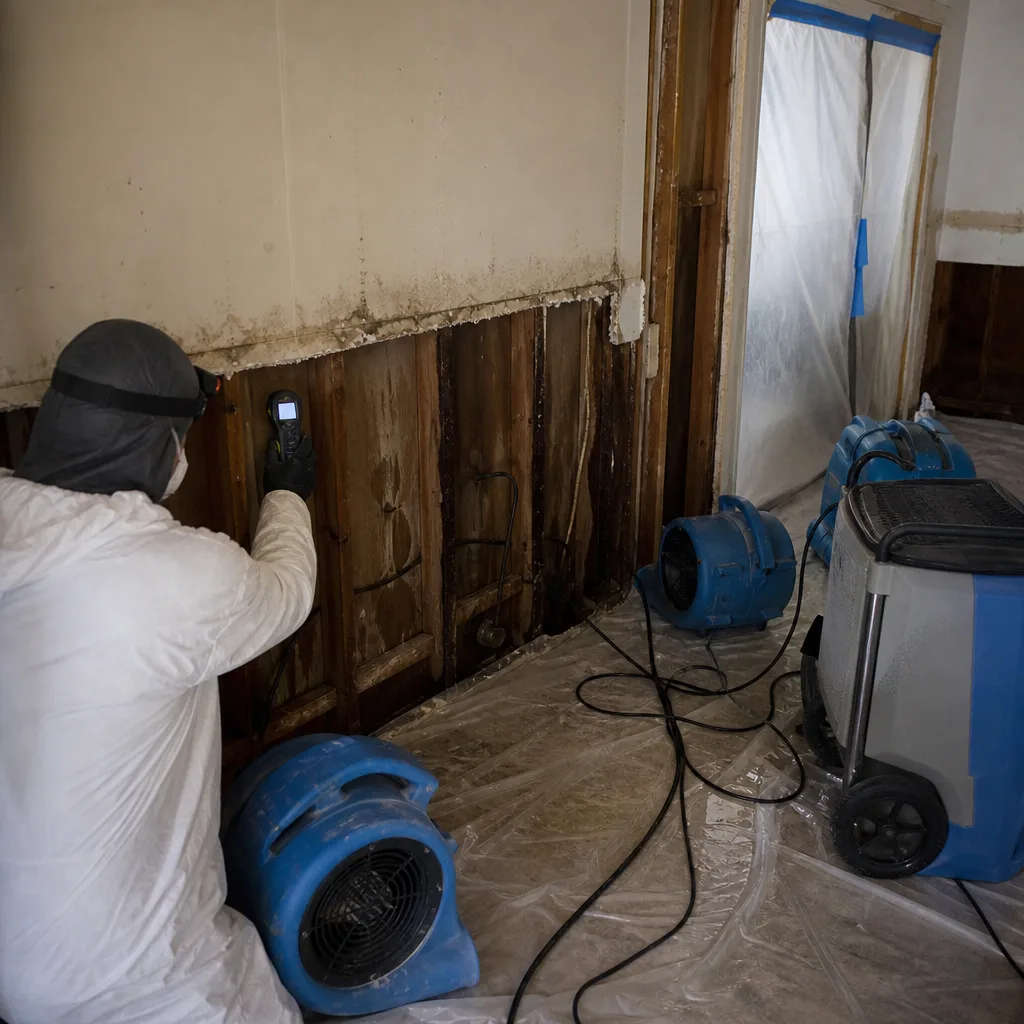 Before
 After
After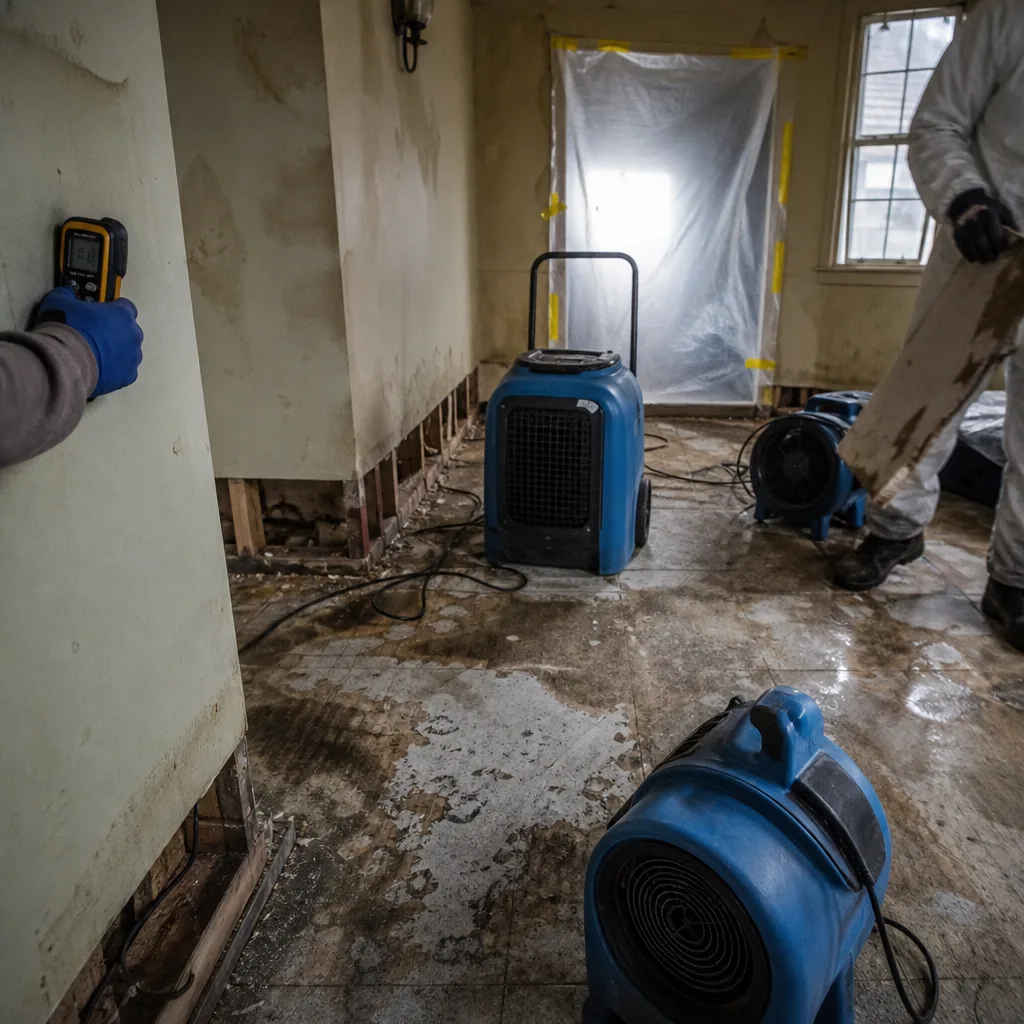 Before
 After
After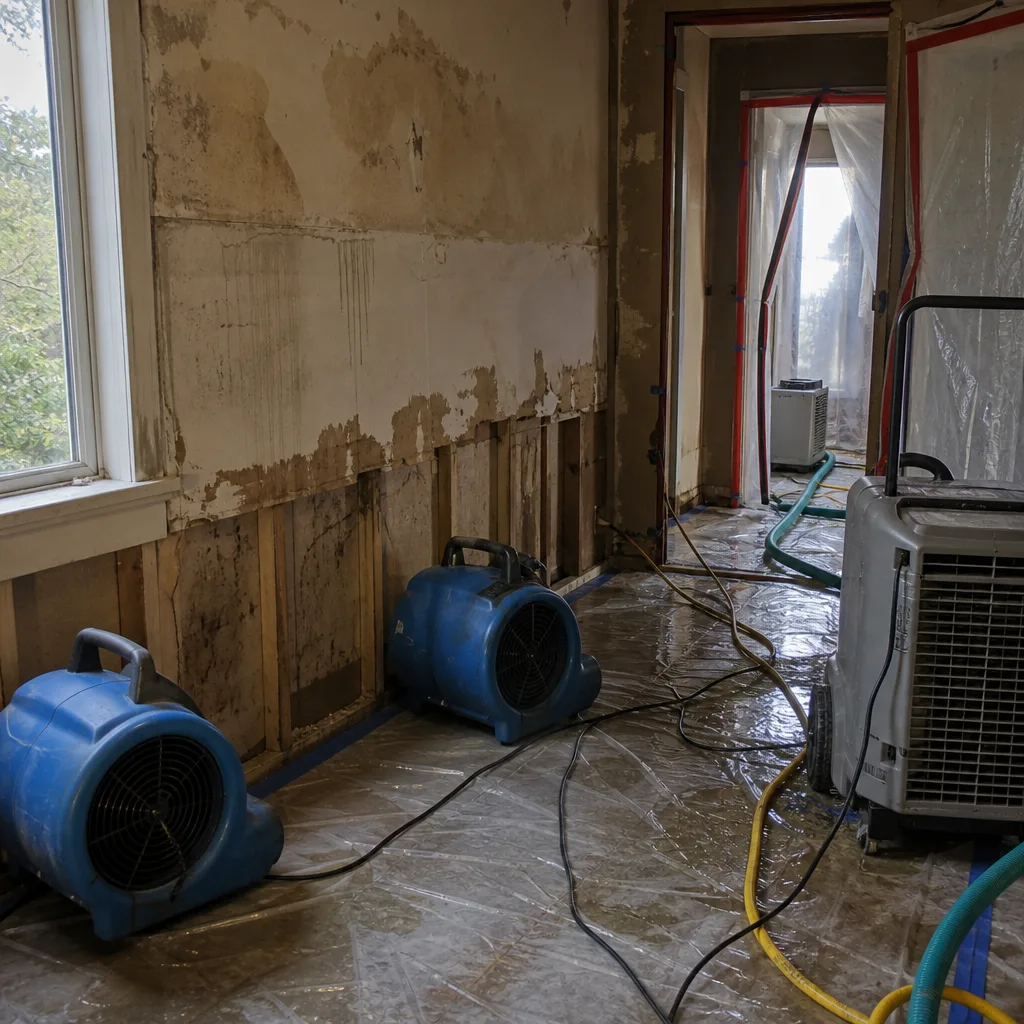 Before
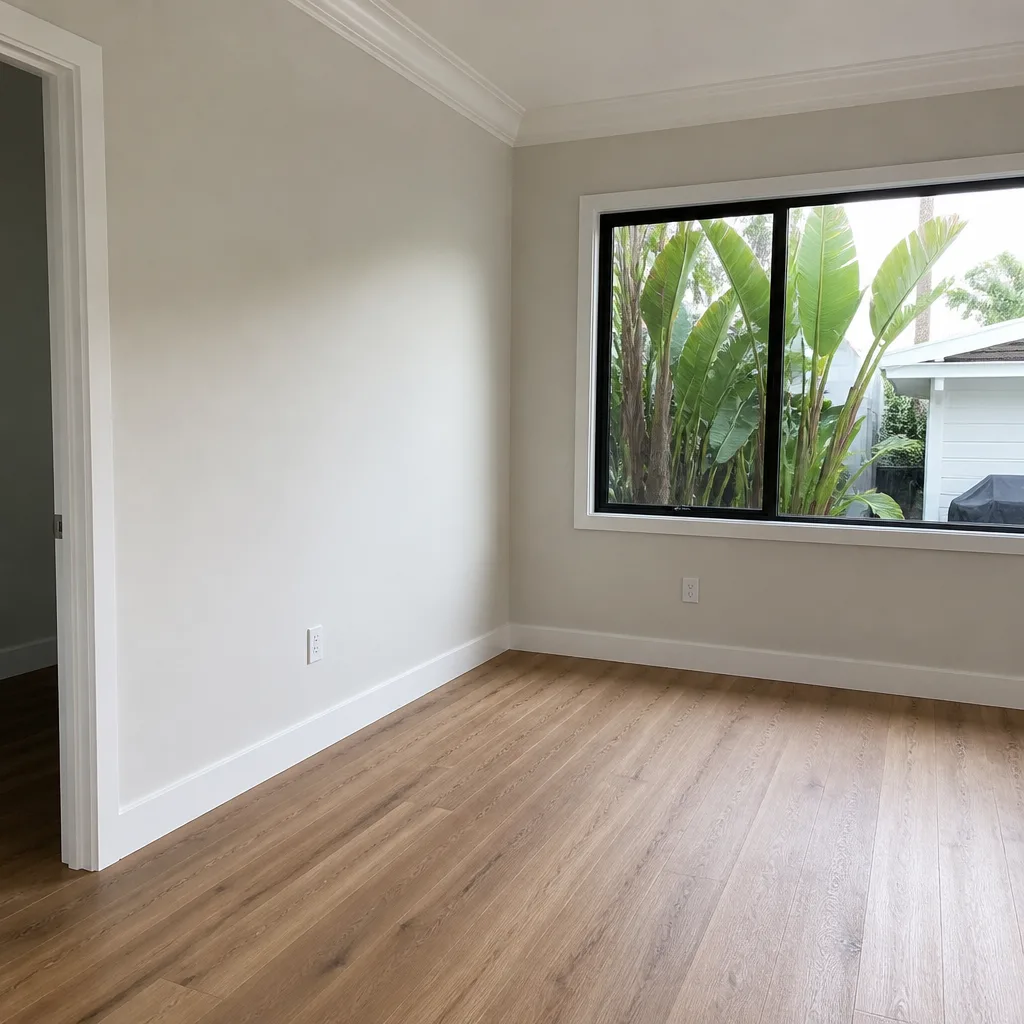 After
AfterDamage Restoration Warning Signs: A Coronado Homeowner’s Reference Guide
A musty smell is not a warning sign. It’s a lagging indicator that mold colony formation has already begun. The warning sign was a moisture reading above 16% in an adjacent material weeks earlier, and it was never taken. In Coronado, where marine air keeps relative humidity above 60% for much of the year, damage rarely announces itself with a dramatic leak. It accumulates in measurable increments that most homeowners never track. This guide-along with our more guides & resources-replaces visual intuition with the specific thresholds, readings, and documentation habits that catch damage while it’s still a small problem. You’ll learn what numbers to record, what each material’s failure pattern looks like in Coronado’s coastal building stock, and how to build a file that protects your claim if professional restoration becomes necessary.
Quick Answer
The earliest warning signs of damage in a Coronado home are measurable, not visible: indoor relative humidity sustained above 55%, surface moisture content exceeding 16% in wood or 0.5% in concrete, and vapor pressure differentials that drive moisture into wall cavities. Visible signs like staining, warping, or musty odors indicate active damage that has already progressed through multiple stages. Homeowners who catch problems early use a simple moisture meter and hygrometer to establish baseline readings for each room, then document deviations with dated photos and written notes, as detailed in our Seasonal Damage Restoration Care for Coronado: Year-Round Homeowner’s Guide.
Table of Contents
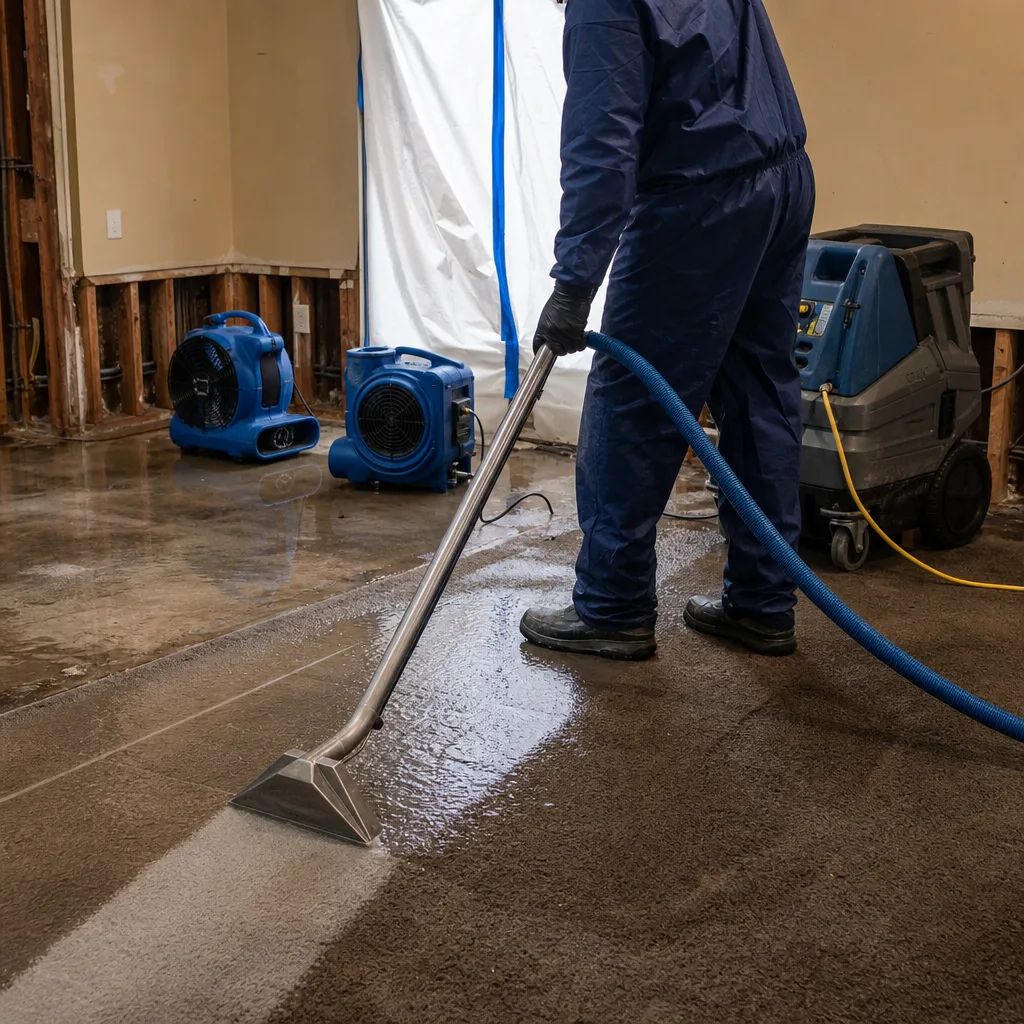
- The Measurable Precursors: What to Read Before You Can See Anything
- Room-by-Room Moisture Readings for Coronado’s Coastal Conditions
- Active Versus Historic Damage: Why the Distinction Changes Your Claim
- Warning Signs by Coronado Construction Era: Pre-1960, 1970s, Post-2000
- How to Document a Warning Sign So Your Claim Holds Up
- Water Damage Warning Signs Specific to Coronado Homes
- Mold, Fire, and Storm Warning Signs That Get Misread
- Common Mistakes to Avoid
- When to Call a Professional
- Frequently Asked Questions
 Before
 After
AfterThe Measurable Precursors: What to Read Before You Can See Anything
Visible damage is expensive damage. The goal is to intercept problems while they still register only on instruments. Three measurements matter most in Coronado’s climate, and each has a clear threshold that triggers action.
Relative humidity (RH): This is the percentage of moisture the air holds relative to what it could hold at that temperature. In Coronado, normal indoor RH during non-rainy months typically runs 45-55% because of marine influence. Sustained readings above 55% create conditions where mold spores germinate on organic surfaces. Above 60%, that risk becomes probable within 48-72 hours if food sources are present. We use professional-grade drying systems calibrated to drop RH quickly, but homeowners can monitor with a $20 digital hygrometer placed in the main living area and checked weekly.
Surface moisture content (MC): A pinless moisture meter pressed against drywall, wood trim, or subflooring gives a percentage reading. For softwood framing and trim in Coronado’s ambient conditions, 10-12% is normal. At 16%, microbial growth becomes viable. At 20%, structural concern begins. For concrete slabs, which are common in Coronado’s post-1970s construction, normal is below 0.4%. Readings above 0.5% indicate vapor transmission through the slab, often from landscaping irrigation or a compromised vapor barrier beneath.
Vapor pressure differential: This is the engine that drives moisture into wall cavities. Warm, humid exterior air in Coronado carries higher vapor pressure than cooled interior air. When that differential exceeds 0.3 inches of mercury, moisture migrates through seemingly intact building materials. Air conditioning, which most Coronado homes run heavily from June through October, amplifies this effect by cooling interior surfaces below the exterior dew point. The result is condensation inside walls that never shows a surface stain until the cavity is saturated.
We document these three readings on every initial assessment using equipment from Phoenix and XPOWER, with psychrometric data logged to IICRC standards. A homeowner who establishes their own baseline readings monthly, and records any 15% deviation, builds the same early-warning system at a fraction of the cost.
Room-by-Room Moisture Readings for Coronado’s Coastal Conditions
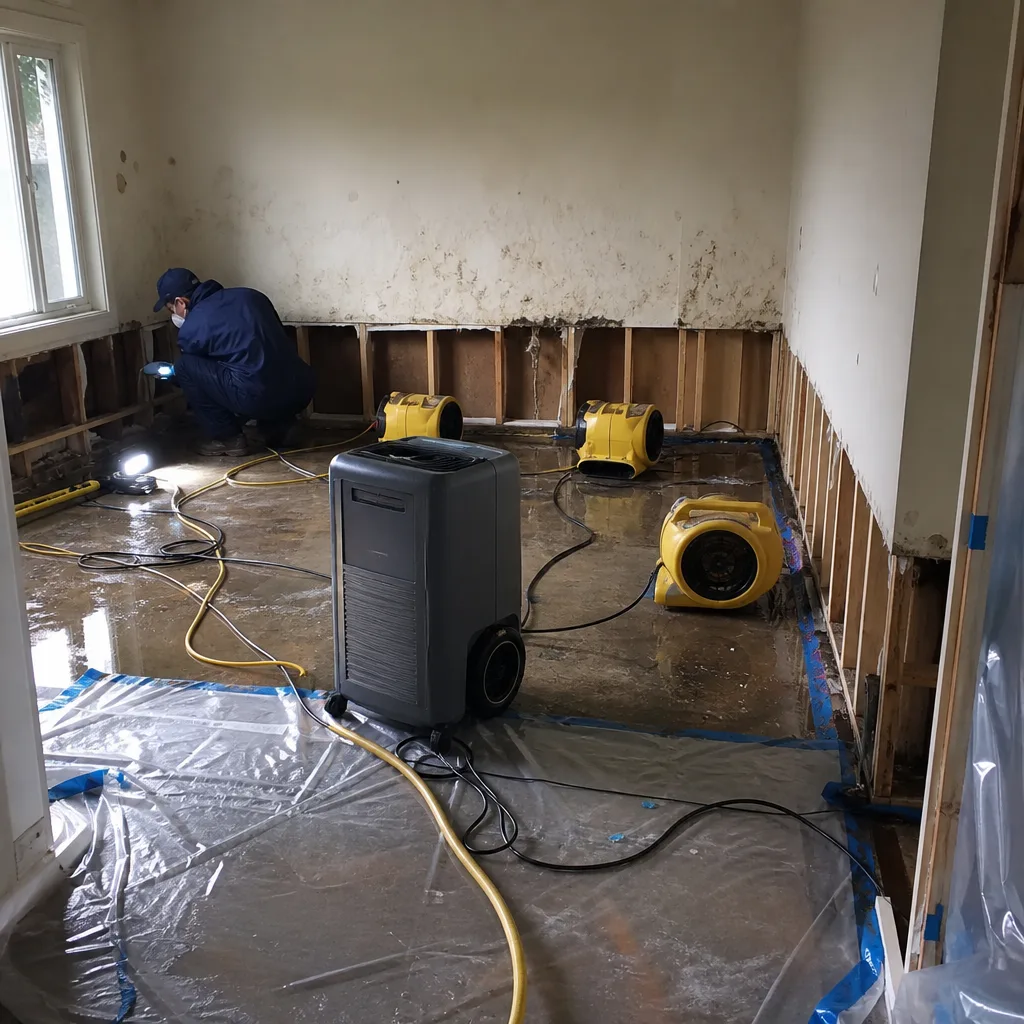
What constitutes “normal” varies by room, by season, and by how close your home sits to the bay or ocean. These ranges reflect our 12,000+ assessments across coastal Southern California, with Coronado’s specific microclimate factored in.
Kitchen
Normal RH: 45-55%. Normal wood cabinet MC: 8-12%. The danger zone in Coronado kitchens is under-sink cabinetry, where supply line seepage and dishwasher drain failures are the two most common slow leaks we encounter. Check the cabinet base with a moisture meter monthly. A reading above 14% warrants pulling the cabinet contents and inspecting the supply valve and P-trap with a flashlight. The toe-kick area often reads 2-3% higher than the main cabinet floor due to trapped air.
Bathrooms
Normal RH post-shower: 60-70% for 30 minutes, then declining to under 55%. If RH remains above 60% two hours after shower use, the exhaust fan is undersized or the duct run is compromised. In Coronado’s older homes, we regularly find bathroom fans vented into attic spaces rather than through the roof, dumping moisture directly into the structural cavity. Normal tile backer MC: below 0.5% for cement board, below 12% for traditional greenboard (still present in many 1970s-1990s Coronado renovations). A moisture meter reading of 15% on greenboard indicates the paper facing is wet and mold-susceptible.
Basements and Crawl Spaces
Coronado has limited basement construction, but crawl spaces beneath raised pre-1960 homes are common. Normal crawl space RH: 50-65% with proper ventilation. Above 70% sustained, wood rot fungi activate. Check rim joists with a moisture meter quarterly; they’re the first failure point because they receive both ground moisture vapor and exterior weather exposure. Normal rim joist MC: 12-16% in coastal conditions. Above 20%, we recommend inspection for fungal growth.
Bedrooms and Living Areas
Normal RH: 45-55%. Normal interior drywall MC: below 0.5%. Exterior walls will read 0.1-0.2% higher than interior walls due to thermal bridging. A single exterior wall reading 0.8% or higher, especially on the ocean-facing side, suggests wind-driven rain intrusion through compromised stucco or window flashing. In Coronado, the prevailing westerlies hit the Cays and the Strand with particular force during winter storms.
Garage and Exterior Storage
Normal RH: 55-70% (higher than living spaces due to air exchange with outside). Normal garage drywall MC: below 1%. Readings above 2% on garage ceiling drywall often indicate a water heater T&P valve discharge or washing machine supply line leak from an upstairs laundry room. We see this pattern frequently in Coronado’s multi-story townhomes.
Record your baseline readings on a simple spreadsheet with columns for date, room, RH, and MC at 2-3 locations per room. Re-check monthly. A trend line that climbs 3% month-over-month is your warning sign, even if every reading is still within “normal” range.
Active Versus Historic Damage: Why the Distinction Changes Your Claim
Insurance adjusters categorize damage by activity status, and the documentation you collect determines which category applies. This distinction affects coverage, deductible application, and whether mold remediation is included. Understanding the visual difference protects your financial exposure.
Active damage shows three characteristics: the material is wet to touch or reads above threshold on a moisture meter; the stain or discoloration has feathered, irregular edges indicating ongoing wicking; and there is no visible demarcation line or repair attempt at the stain boundary. Active damage may also show secondary signs: paint bubbling, drywall sagging, or fungal growth with fresh, non-powdery texture. In Coronado’s humid climate, active damage progresses faster than inland because ambient moisture slows natural drying.
Historic damage shows: a moisture meter reading at or below normal for the material; stain edges that are sharp and defined, indicating the moisture source stopped and the boundary dried in place; and often evidence of prior repair, such as paint overlap, texture mismatch, or caulk lines. Historic damage may still require remediation if mold grew during the active period and was not properly addressed, but the claim category shifts from “sudden and accidental” to “long-term” or “maintenance-related,” with different coverage implications.
The critical documentation step is to record moisture meter readings at multiple points across and around any visible stain. A single reading at the center misses the story. We photograph the stain with a ruler for scale, then take readings in a grid pattern: center, four cardinal directions at 2-inch increments, and one reading on apparently unaffected material 12 inches away as a control. This pattern, documented with date and time, gives an adjuster the data to distinguish active from historic with confidence.
At DryMark Restoration Coronado home, every assessment includes this grid documentation as standard practice, not an add-on. The photo record is delivered to the homeowner and, with authorization, to the insurer.
Warning Signs by Coronado Construction Era: Pre-1960, 1970s, Post-2000
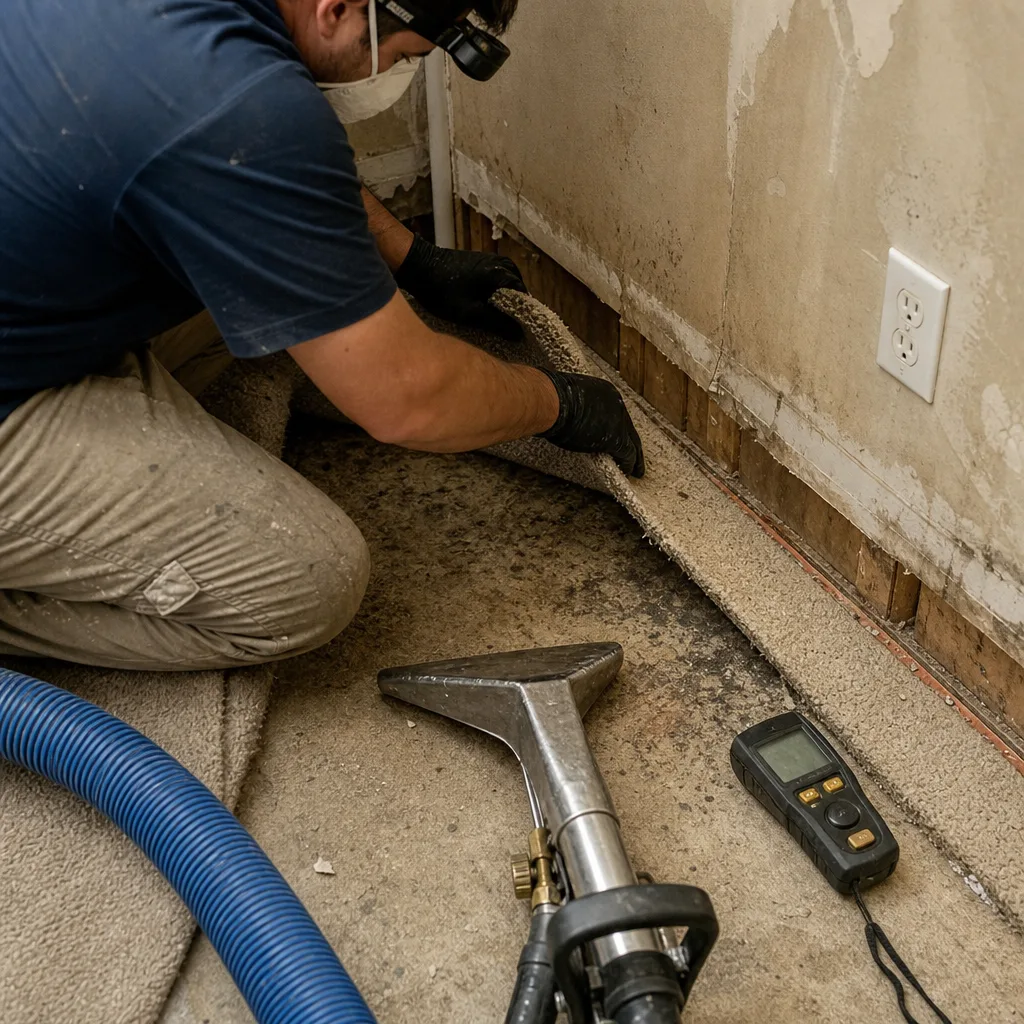
Coronado’s housing stock spans distinct construction periods, and each fails in predictable ways that a generic “water damage warning signs” article will never catch. Knowing your home’s era tells you where to look first.
Pre-1960: Plaster, Redwood, and Raised Foundations
These homes, concentrated in the Coronado Village core and along Orange Avenue, used true lime plaster over wood lath, old-growth redwood framing, and raised perimeter foundations with crawl space ventilation. The plaster is moisture-tolerant and will show efflorescence, a white crystalline deposit, before it softens. Efflorescence rate matters: slow, patchy efflorescence indicates seasonal humidity cycling. Rapid, spreading efflorescence with surface dampness indicates an active leak. Check plaster at baseboard level with a moisture meter; normal is below 0.5%, but plaster holds moisture differently than drywall, so readings up to 1% may still be benign if no efflorescence is present.
Redwood framing resists rot but is not immune. The warning sign is a moisture meter reading above 20% in sill plates or rim joists, combined with musty odor in the crawl space. Redwood does not show surface mold as readily as modern lumber; it fails structurally with little visible warning. We inspect these homes with borescope cameras through foundation vents, documenting sill plate condition with photos.
1970s-1990s: Stucco-Over-Frame and Single-Pane Windows
This era brought stucco cladding over wood frame construction, often with inadequate moisture barriers and single-pane aluminum windows that sweat heavily. The critical failure mode is bulk water intrusion at window and door openings, where flashing details were often omitted or improperly lapped. Warning signs: staining at interior window corners that reappears after cleaning; stucco surface cracking in a diagonal pattern from window corners; and interior baseboard swelling on exterior walls, especially the ocean-facing elevation.
In Coronado, these homes also face a specific soil issue: the fill material in many 1970s subdivisions includes bay dredge spoils with higher salt content. Salt accelerates corrosion of copper supply lines and accelerates galvanic corrosion at steel-copper junctions. The warning sign is pinhole seepage at slab penetrations, visible as efflorescence or damp spots on concrete floors. A moisture meter reading above 0.5% on a concrete slab in these neighborhoods warrants professional assessment; see How to Hire a Damage Restoration Contractor in Coronado: A Step-by-Step Guide for what to look for.
Post-2000: Engineered Lumber, Tight Envelopes, and Complex Rooflines
Modern Coronado construction uses oriented strand board (OSB) subflooring and I-joists, which are more moisture-sensitive than solid lumber. OSB swells and delaminates at moisture contents above 18%, and the damage is often irreversible. The warning sign is a “spongy” feel under tile or vinyl flooring, or tile grout cracking in a pattern that follows the OSB panel joints. These materials also off-gas formaldehyde when wet, producing a sharp chemical odor distinct from musty mold smell.
Tight building envelopes, required by modern energy codes, reduce air exchange and trap interior moisture. In Coronado, where many post-2000 homes have whole-house dehumidification, the warning sign is condensation on interior window surfaces during heating season, indicating the envelope is too tight for the ventilation rate. RH readings above 60% in winter, when the home is heated, are abnormal and indicate mechanical ventilation failure.
How to Document a Warning Sign So Your Claim Holds Up
The documentation gap is what costs homeowners their claims. We know because Alicia Brennan founded Back to Dry in 2011 after seeing it repeatedly as a claims adjuster. A photo of a stain is not documentation. A dated photo with scale, moisture readings, and a written narrative is. Here’s the protocol we follow on every job, adapted for homeowner use.
- Photograph the area in context. Take one photo from 6 feet showing the room and the affected area’s location. Take one from 18 inches showing the full extent of visible damage. Place a ruler or tape measure in frame for scale.
- Record moisture readings in a grid. For stains, readings at center, north, south, east, west points 2 inches from edge, plus a control reading on unaffected material. For odors without visible damage, readings at multiple points along the suspected wall cavity. Write each reading on paper with date, time, and exact location, then photograph the paper in frame with the meter display.
- Describe environmental conditions. Note outdoor temperature and RH, indoor temperature and RH, recent weather, and any mechanical systems running (AC, heating, dehumidifier). These factors explain why a reading is abnormal.
- Document the progression. Re-photograph and re-measure at 48-hour intervals if the problem is unresolved. A rising trend is evidence of active damage; stable or falling readings support a contained or historic event.
- Preserve physical evidence. If material is removed, save a sample in a sealed bag with date and location noted. For mold suspicion, do not disturb the area before professional assessment; disturbed spores compromise air sampling accuracy.
- Compile a single file. Digital folder with dated photos, reading log, environmental notes, and any contractor correspondence. This is your claim documentation if the damage progresses.
At DryMark Restoration Coronado, we deliver a documented photo record on every visit as a standard deliverable, never an upsell. The Haven Standard requires it. If you bring us your own documentation file, we incorporate it into our assessment and preserve the chain of evidence.
Water Damage Warning Signs Specific to Coronado Homes
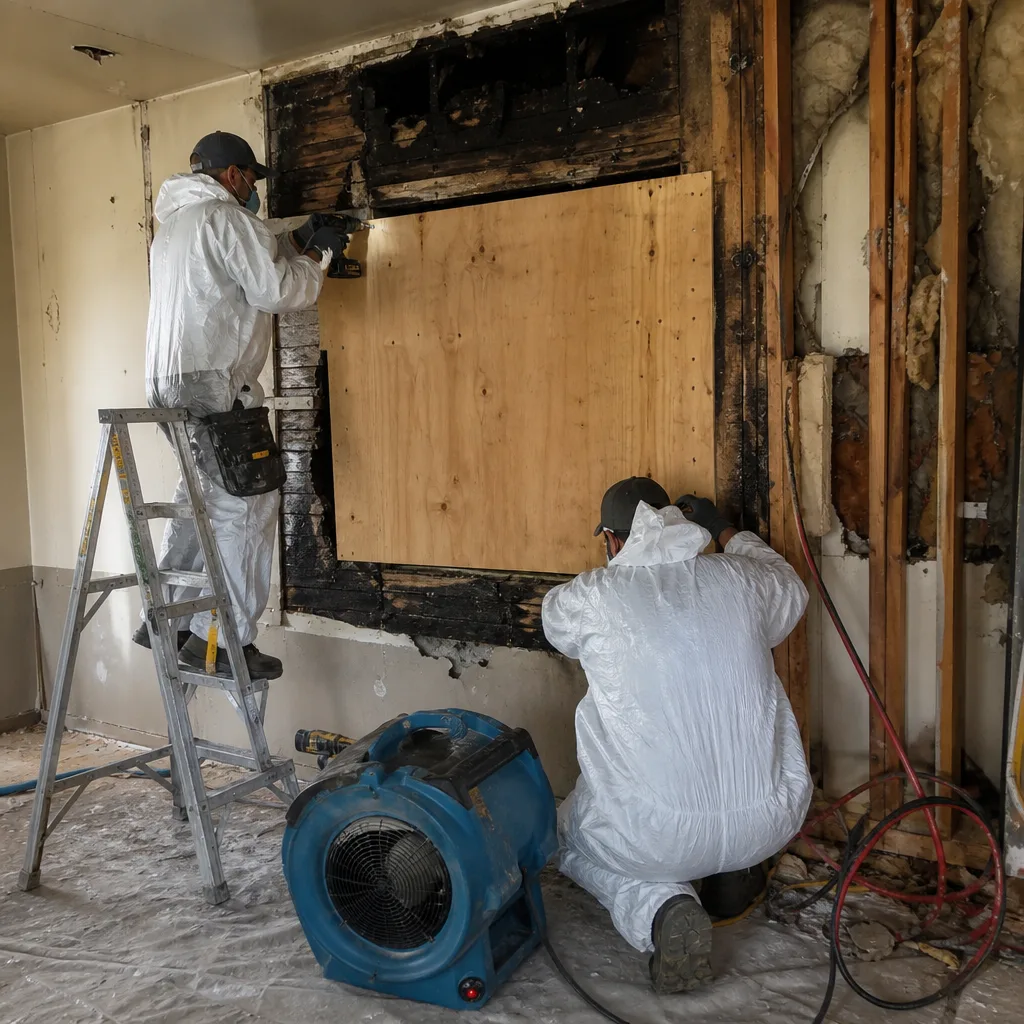
Water damage warning signs in Coronado reflect the specific interaction of marine climate, soil conditions, and construction practices found here. These are the patterns we encounter most often, and the thresholds that trigger our response.
Slab-on-grade homes in the Cays: The Cays subdivision includes many slab-on-grade homes built on fill with high groundwater influence. The warning sign is a moisture meter reading above 0.5% on interior flooring, especially vinyl or engineered wood, combined with a white powdery deposit at slab joints. This is efflorescence from vapor transmission, not necessarily a plumbing leak. Distinguishing the two requires a calcium chloride test or in-situ RH probe, which we perform with equipment calibrated to ASTM standards. Plumbing leaks typically show a localized high reading with a gradient; vapor transmission shows uniform elevation across broad areas.
Ocean-facing stucco elevations: Wind-driven rain in Coronado can exceed 2 inches per hour during winter storms, and it hits at an angle that overwhelms standard flashing details. The warning sign is interior drywall moisture elevation on the ocean-facing wall only, with no corresponding elevation on land-facing walls. Check second-floor rooms first; they’re more exposed and less shielded by landscaping. Readings above 0.8% on interior drywall, or any reading above 0.5% with visible staining, indicate probable bulk water intrusion through the stucco envelope.
Galvanized supply lines in pre-1970s homes: These fail from the inside out, so the first warning is often a drop in water pressure or a faint hissing at the meter. The visible sign, when it finally appears, is a pinhole spray or sudden rupture. There’s no reliable moisture meter warning because the pipe is concealed. We recommend that owners of pre-1970s Coronado homes have a licensed plumber perform a static pressure test annually, and consider proactive replacement of galvanized lines with copper or PEX.
Condensate drain lines in attic-mounted HVAC: Common in post-1990 Coronado homes with rooftop or attic air handlers. The warning sign is water staining on ceiling drywall below the air handler location, or moisture meter readings above 0.5% in a rectangular pattern matching the duct plenum footprint. The primary drain may be clear while the secondary pan overflows due to algae blockage, a condition accelerated by Coronado’s warm, humid summers.
For any of these patterns, our water damage restoration in Coronado service includes a written scope and price before work begins, with drying equipment from B-Air and Injectidry deployed to IICRC standards.
Mold, Fire, and Storm Warning Signs That Get Misread
Not all damage warning signs involve water. Mold, fire, and storm damage each present specific early indicators that homeowners misread or dismiss, often with costly consequences.
Mold Warning Signs
The most misread mold sign is not visual at all. It’s a persistent humidity reading above 55% with no identifiable source. Homeowners buy dehumidifiers, run them continuously, and consider the problem solved when the RH drops. But sustained high RH indicates a moisture source that dehumidification alone won’t eliminate: a crawl space vapor barrier failure, a duct leak in an unconditioned attic, or a plumbing leak inside a wall. The correct response is to find and eliminate the source, not manage the symptom.
Visual mold signs that get misread: dark spotting on bathroom caulk is often assumed to be mildew and treated with bleach. If the spotting reappears within 2-3 weeks, it’s likely Cladosporium or Aspergillus growing behind the caulk line, requiring removal of the caulk and treatment of the substrate. Fuzzy growth on leather or textiles in closets indicates RH above 65% in that microclimate, often from an adjacent bathroom or exterior wall with concealed moisture.
In Coronado, we see one mold pattern specific to the climate: “ghosting” on cathedral ceilings, where dark lines appear following the rafter pattern. Homeowners often assume this is mold, but it’s frequently thermal bridging causing dust and moisture deposition. A moisture meter reading of the drywall at the dark line, compared to the bay between rafters, distinguishes true mold growth (elevated reading at the line) from ghosting (uniform reading, thermal pattern). Mold remediation in Coronado requires this distinction to scope correctly.
Fire and Smoke Warning Signs
Post-fire damage that gets missed is not from the fire itself but from suppression: water and chemical residue in wall cavities. The warning sign is corrosion on electrical outlet faceplates or switch screws, which appears 2-6 weeks after the fire event as residual moisture and acidic compounds attack metal. Any corrosion on electrical hardware after a fire, even a small kitchen fire, warrants inspection of the cavity with a borescope.
Odor is another misread sign. Smoke odor that persists after cleaning indicates particulate infiltration into porous materials: drywall, insulation, HVAC ductwork. The threshold for concern is odor detectable 30 days post-event, which indicates reservoir contamination requiring professional removal, not additional surface cleaning.
Storm Warning Signs
After winter storms in Coronado, the damage sign that gets missed is roof membrane lifting on flat or low-slope sections, common in commercial and multi-family buildings. From the ground, the roof appears intact. The warning sign is ceiling moisture elevation in the top-floor unit, especially near parapet walls, with no visible roof penetration. We inspect these with drone photography and moisture mapping, documenting membrane condition and interior readings simultaneously.
For storm damage to stucco, the critical sign is not cracking but delamination: a hollow sound when tapped, indicating the bond between stucco and lath or substrate has failed from moisture intrusion. This precedes visible cracking and allows bulk water entry that interior moisture readings will catch first.
Fire and smoke damage restoration in Coronado requires documentation of both the fire event and the suppression damage for complete claim coverage.
Common Mistakes to Avoid
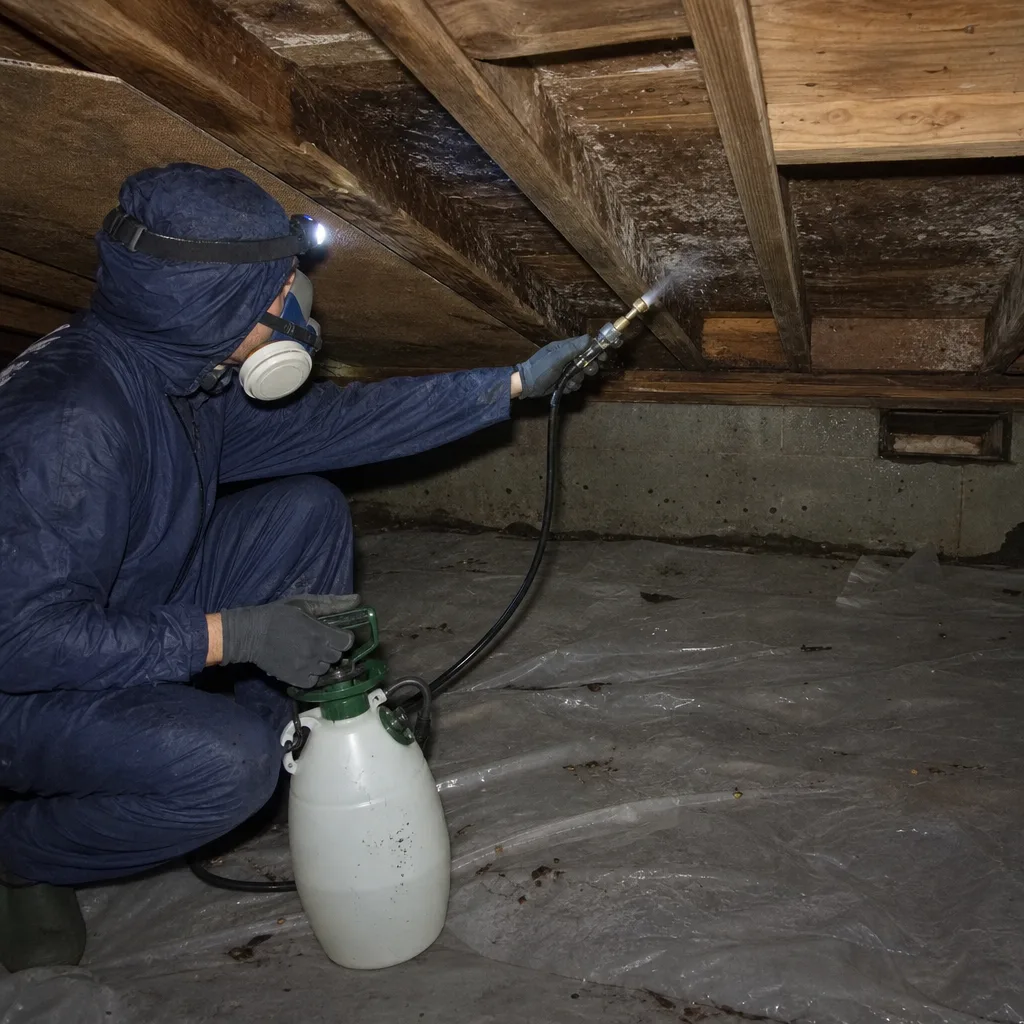
- Waiting for visible stains before acting. By the time drywall shows discoloration, the cavity behind it has been wet for days or weeks. In Coronado’s humid climate, mold germination begins at 48-72 hours above 16% moisture content. The correct trigger is a moisture meter reading, not a visual change.
- Using bleach on mold. Bleach does not penetrate porous materials and can add moisture that worsens the problem. It also produces a false “clean” appearance that delays proper remediation. For suspected mold on porous surfaces, stop and document before attempting any treatment.
- Assuming new construction is dry. Post-2000 homes in Coronado often have construction moisture trapped in engineered lumber and concrete that takes 6-18 months to reach equilibrium. Elevated readings in year one may be normal; the mistake is not establishing a baseline trend to distinguish drying from active intrusion.
- Ignoring seasonal baselines. A reading that’s normal in January may be abnormal in July. Homeowners who check once and file the number miss the seasonal variation that defines “normal” for their specific home. Monthly readings for one full year establish a proper baseline.
- Documenting without scale or context. A close-up photo of a stain tells an adjuster nothing. Every photo needs a reference object for scale and a wider shot for location context. Every moisture reading needs a control reading for comparison.
- Delaying professional assessment for fear of cost. DryMark Restoration Coronado provides free estimates, and Haven Standard Clause 1 requires a written price before any work begins. The cost of delayed assessment is always higher than the cost of early documentation.
When to Call a Professional
Call for professional assessment when any of the following apply: moisture meter readings exceed the action thresholds in this guide and are rising on re-check; you detect musty odor with no visible source; you’ve had a water event of any size and cannot verify complete drying within 48 hours; you see staining that reappears after cleaning; or you’re preparing a property for sale and need documented condition for disclosure. Our DIY vs Professional Damage Restoration: The Coronado Homeowner’s Decision Guide can help you decide. In Coronado’s market, pre-listing documentation of moisture condition protects sellers from post-sale claims and supports accurate pricing.
DryMark Restoration Coronado offers free estimates in Coronado. Our assessments include written moisture readings, photo documentation, and a written scope with price before any work begins, per Haven Standard, Clause 1. Call (619) 649-7428 to schedule. Live phone coverage is available 24 hours a day, 7 days a week with no voicemail on emergency lines.
Frequently Asked Questions
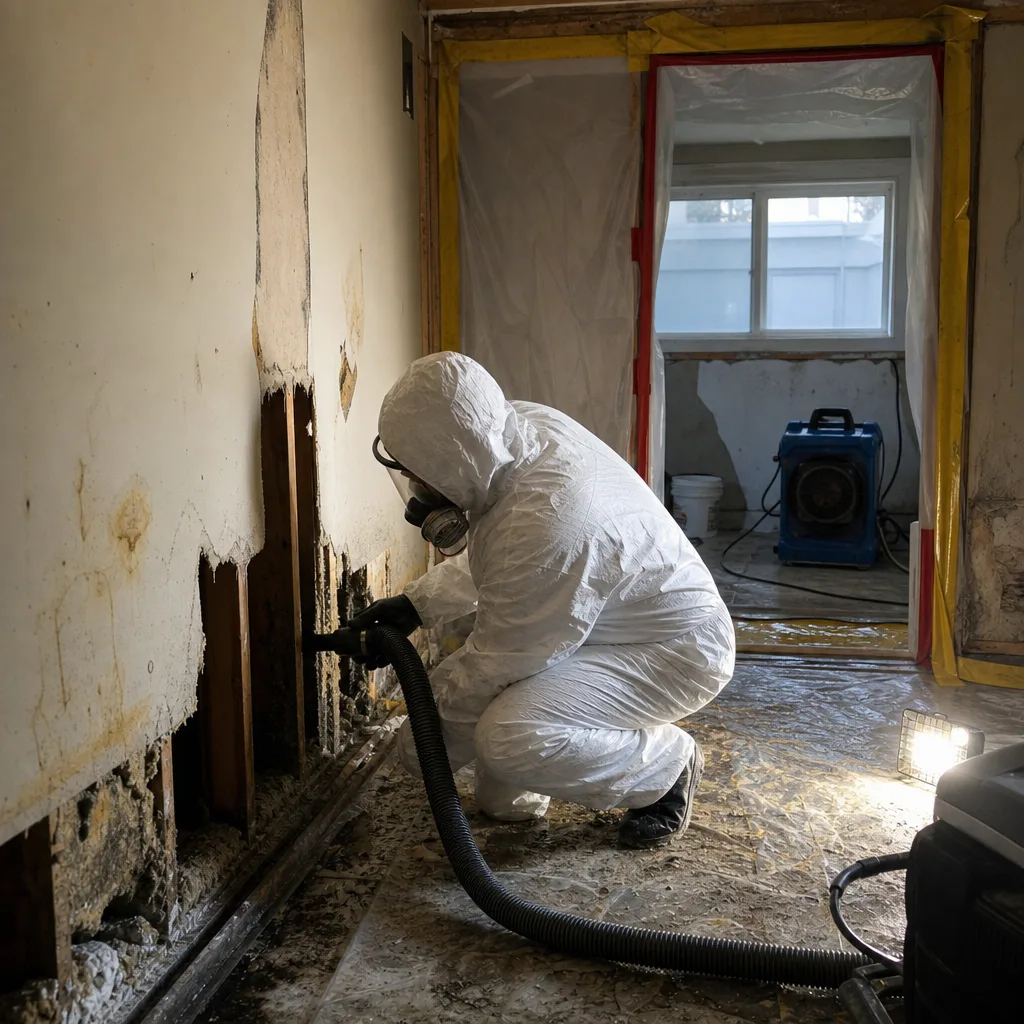
Action thresholds depend on material: above 16% moisture content in wood or wood-based products, above 0.5% in concrete or masonry, and above 0.8% in interior drywall. But the more important signal is trend: a reading that climbs 3% or more between monthly checks indicates an active moisture source even if the absolute value is still below threshold. Call (619) 649-7428 for a free assessment if your trend is rising.
Coverage depends on whether the damage is categorized as “sudden and accidental” or “long-term” and whether your documentation supports the timeline. Insurance typically covers sudden events and resulting damage; it often excludes damage from maintenance issues that were known and not addressed. The key is documentation: dated moisture readings and photos that establish when the problem began and how it progressed. DryMark Restoration Coronado documents every assessment to IICRC and insurance industry standards, and we coordinate directly with adjusters when authorized.
For active water damage, our live dispatch answers every call 24 hours a day, 7 days a week with no voicemail, and we aim to have a technician on site within hours for emergencies. For assessment of warning signs that are not active emergencies, we typically schedule within 24-48 hours. The written scope and price are delivered before any work begins, per Haven Standard, Clause 1.
Visible mold on a hard, non-porous surface smaller than 10 square feet can sometimes be addressed with proper containment and antimicrobial treatment. But mold visible on porous materials, or any mold accompanied by a musty odor or elevated moisture readings, indicates a reservoir that surface cleaning won’t reach. The risk of incomplete remediation is cross-contamination through the HVAC system and continued growth behind visible surfaces. We offer a free second opinion on any competitor’s written estimate to help you evaluate scope accuracy.
With your authorization, DryMark Restoration Coronado coordinates directly with your adjuster, providing the documented photo record, daily drying logs, and written scope that adjusters need to process claims efficiently. Alicia Brennan founded the company on the documentation gap that delays claims; our process is designed to close that gap from the first visit.
Home inspectors identify conditions and recommend further evaluation. Our assessment includes quantitative moisture mapping, psychrometric data, and a written restoration scope with price. If your inspector noted “possible moisture intrusion” or “recommend evaluation by qualified contractor,” our assessment provides the specific readings and documentation that turn that note into an actionable plan or a clean bill of health with supporting data.
The Bottom Line
The homeowners who protect their Coronado properties from serious damage are not the ones with the keenest eyes. They’re the ones with the simplest habits: a $20 hygrometer, a $30 moisture meter, a monthly 10-minute check, and a documentation file that turns suspicion into evidence. Visible warning signs are already expensive. The goal is to act on measurable precursors, document them correctly, and know when a reading has crossed from curiosity to action. In Coronado’s coastal climate, that threshold comes sooner than most homeowners expect, but with the right numbers, it’s never a mystery.
Written by Alicia Brennan, Owner at DryMark Restoration Coronado, serving Coronado since 2011.