
Last updated September 23, 2026
Free visual inspection and a written scope of work before any mitigation begins - photos, moisture readings, and drying logs go in your claim file
The scope we write is the scope we bill. Anything new gets shown to you, in writing, before we touch it.
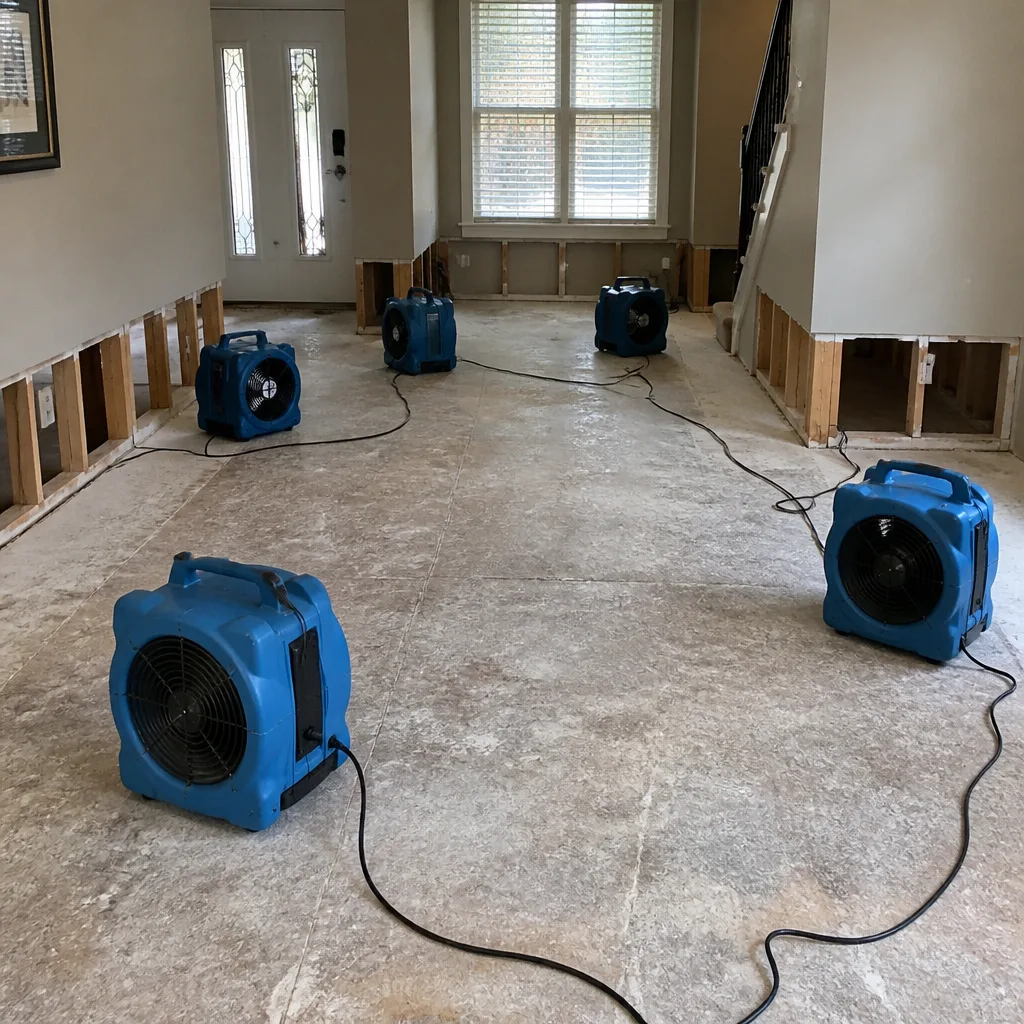

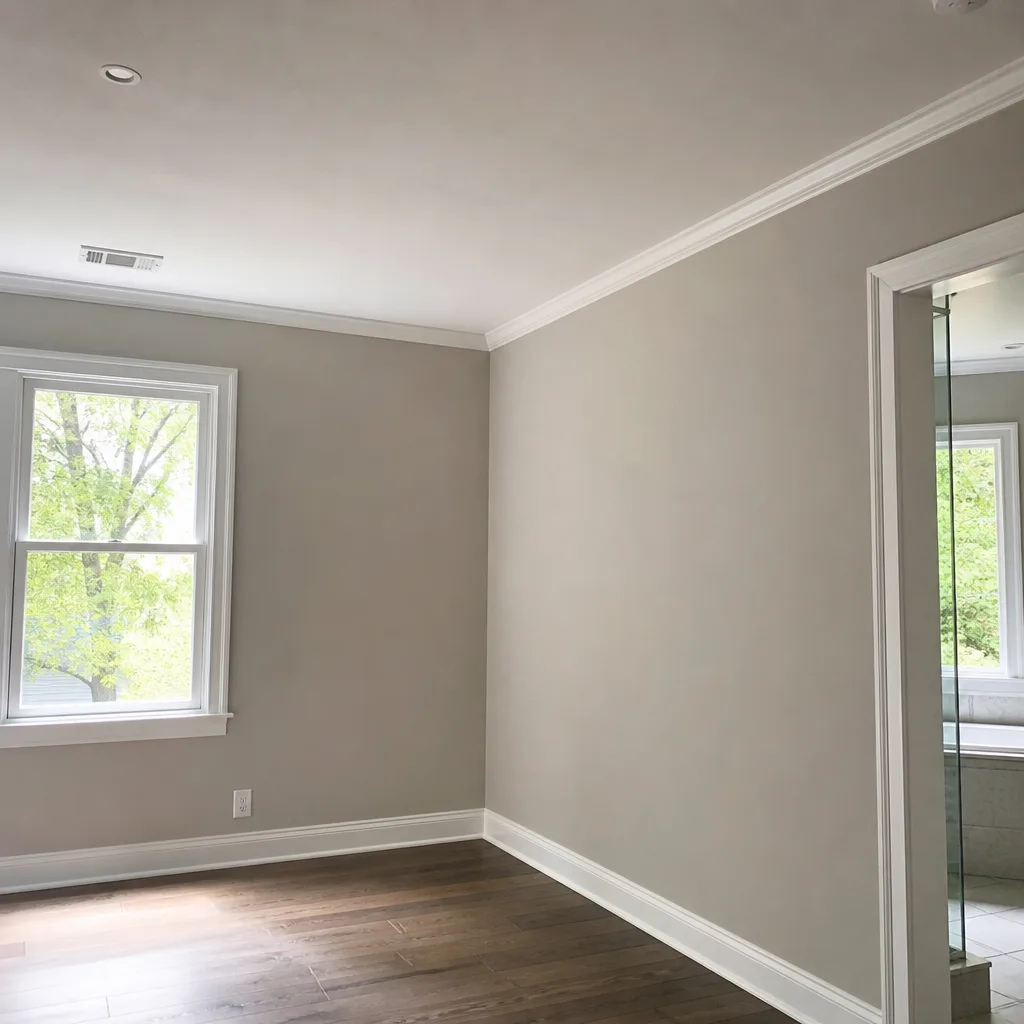

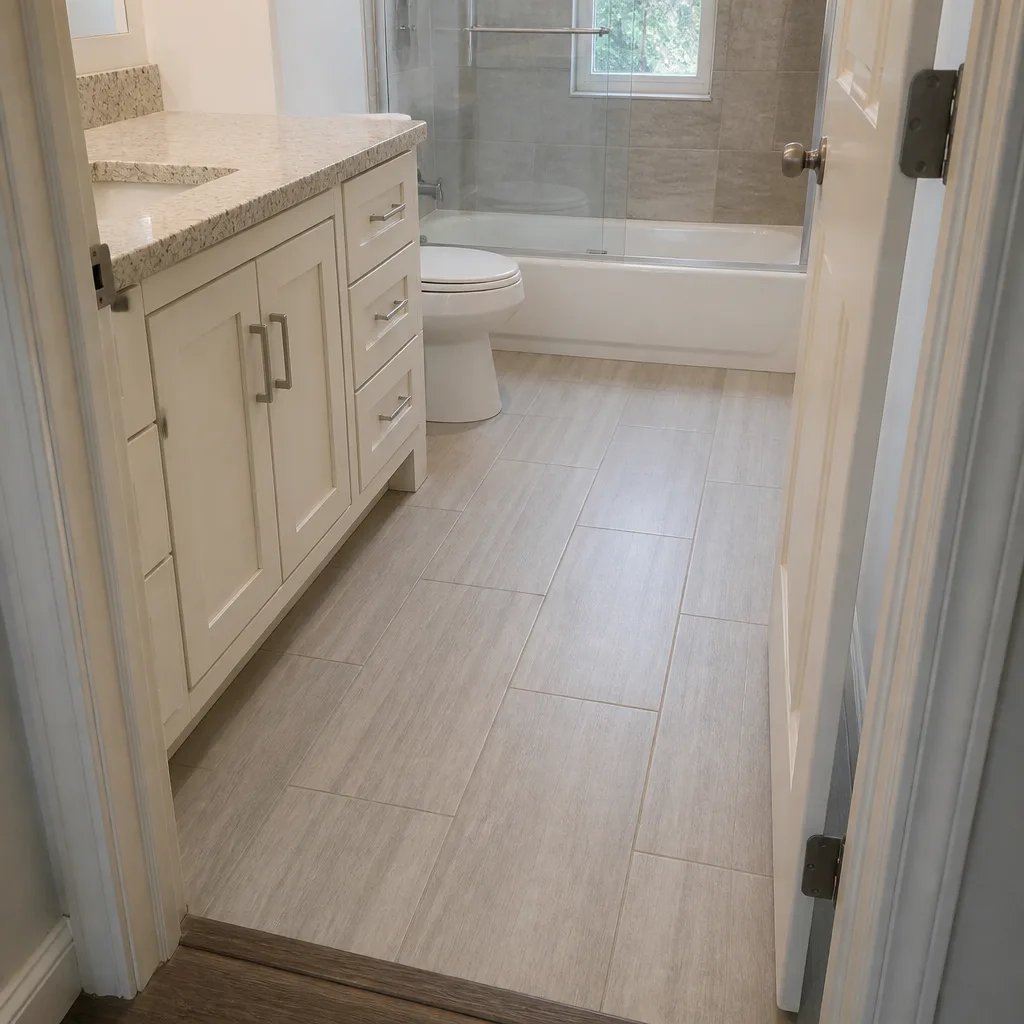

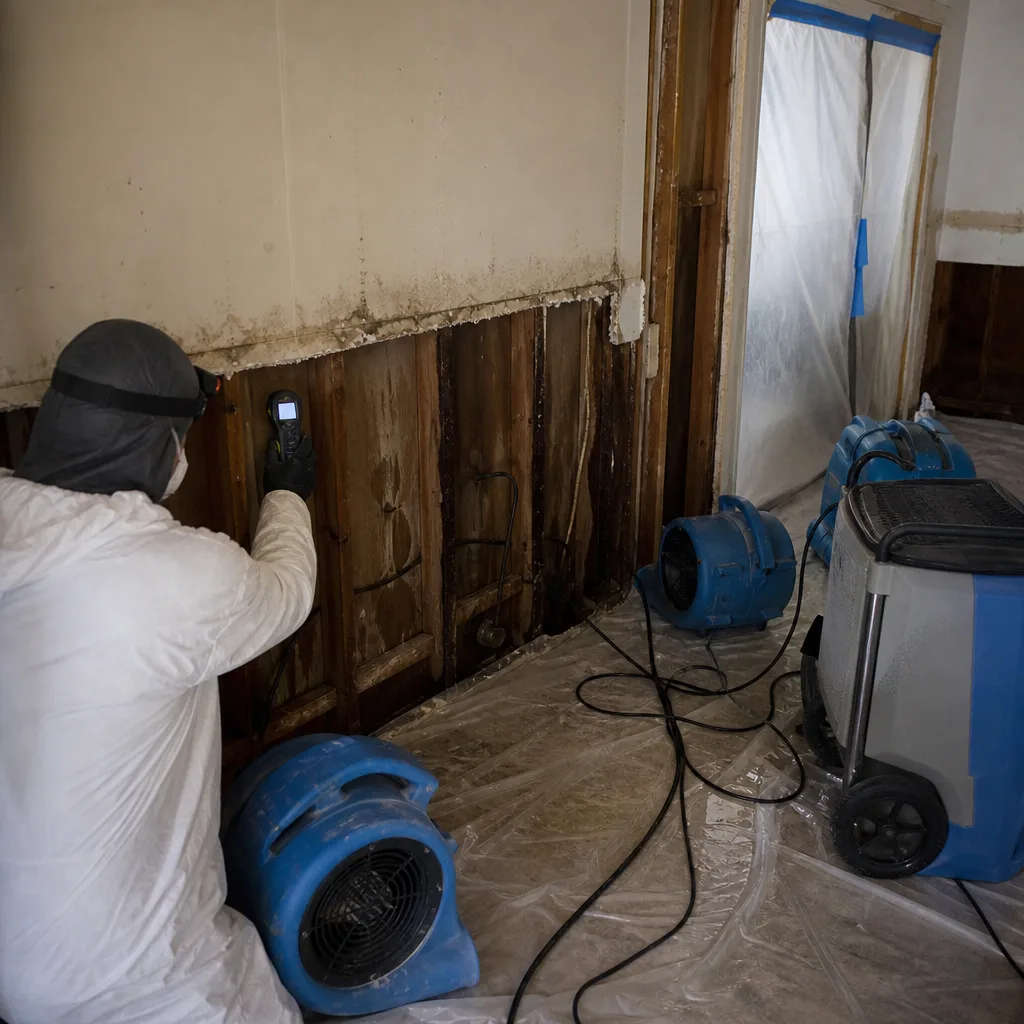 Before
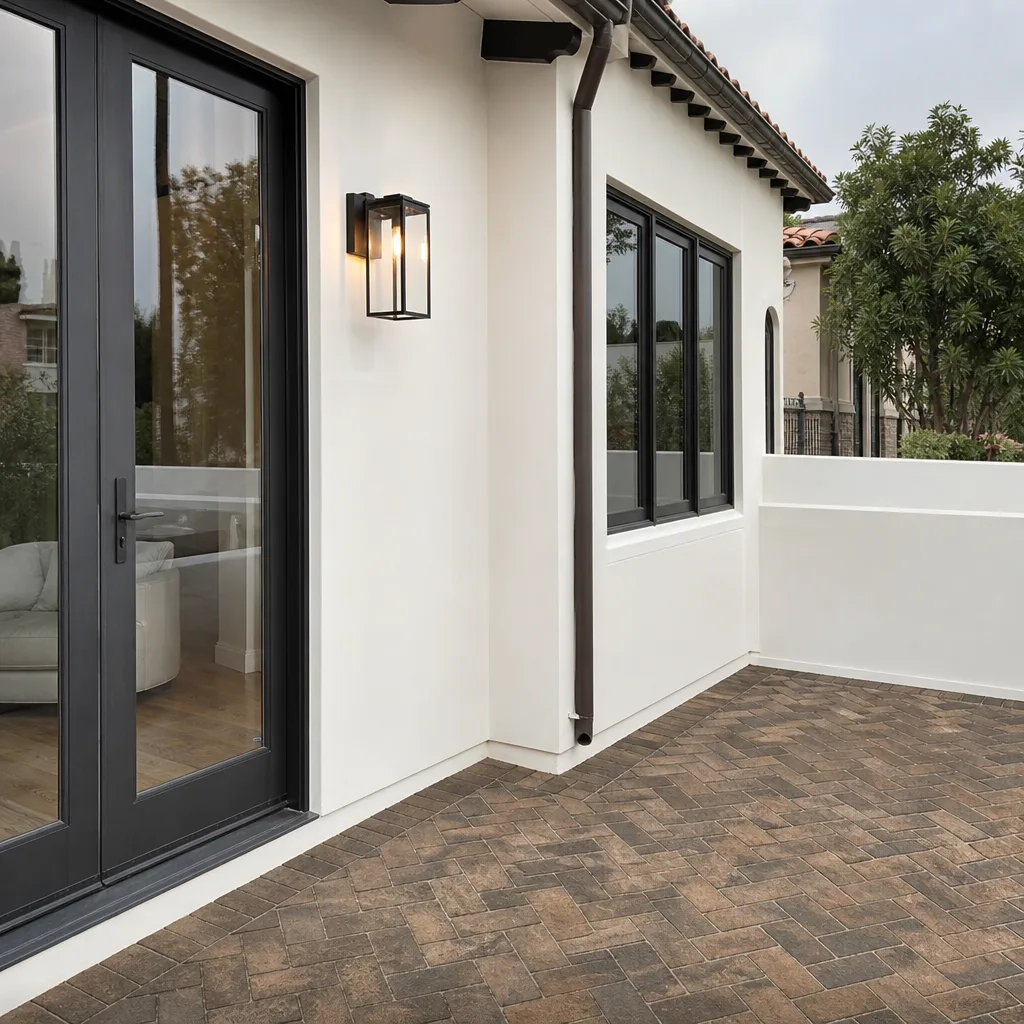 After
After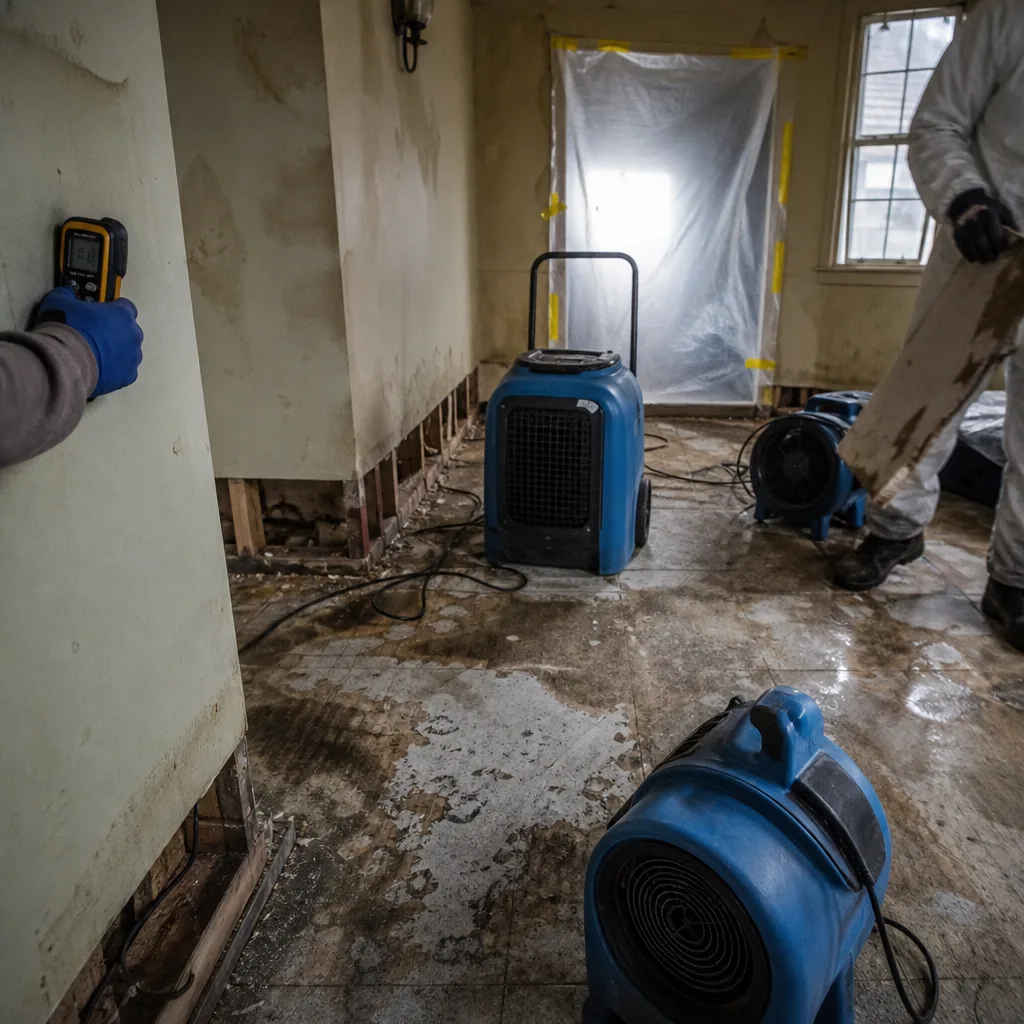 Before
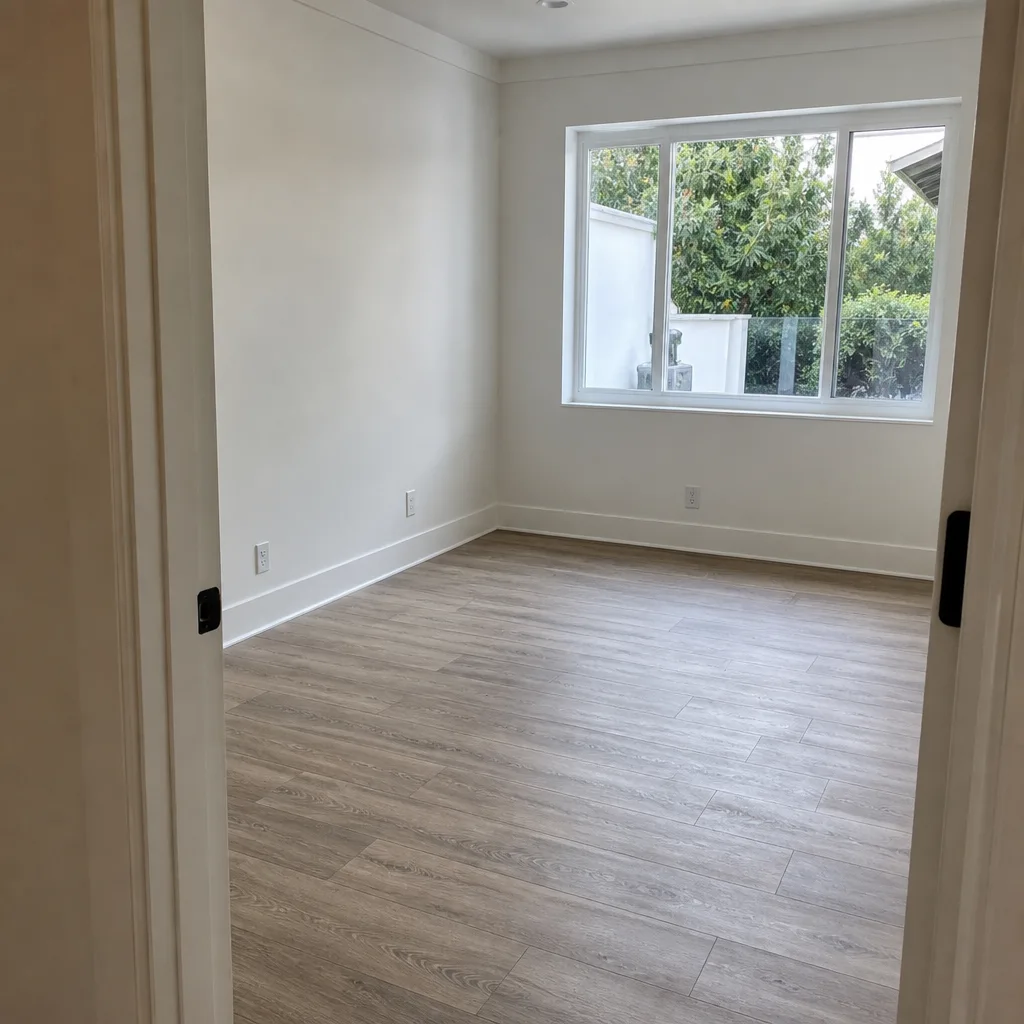 After
After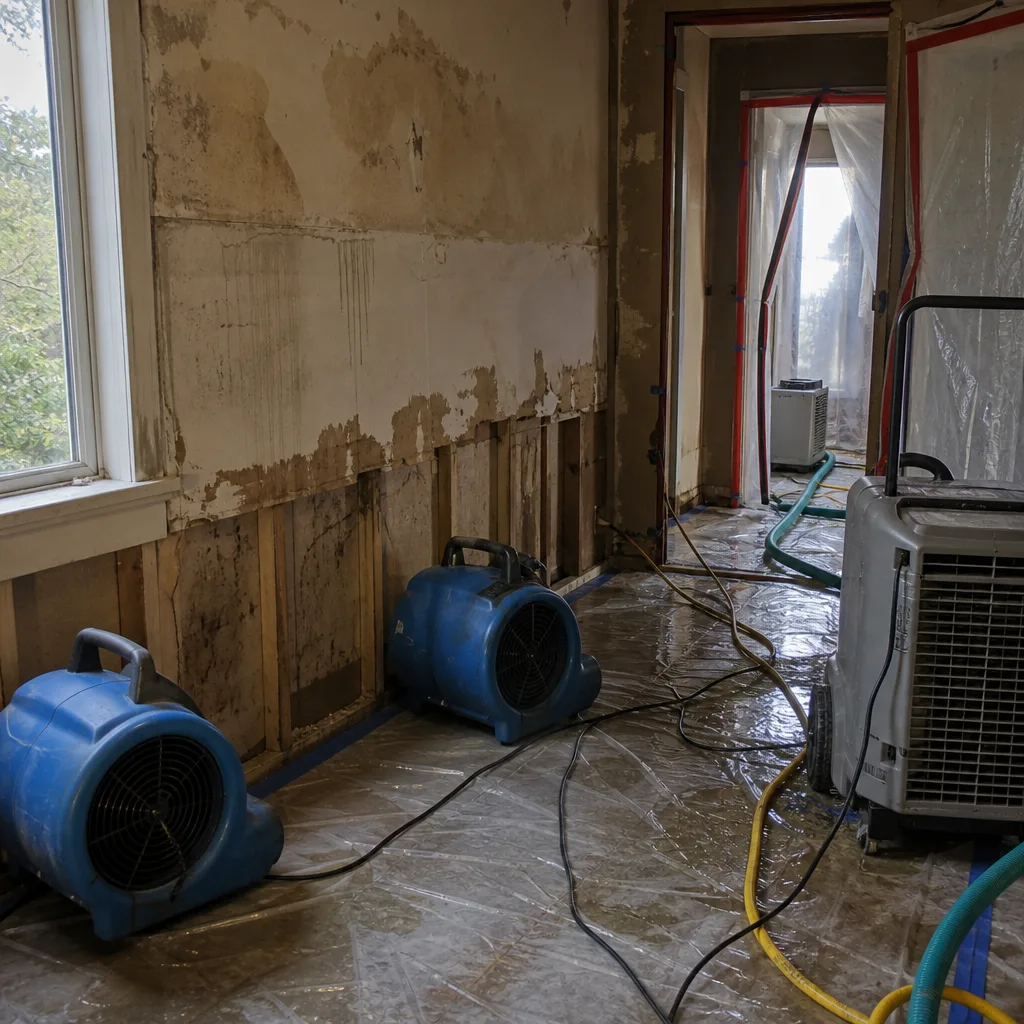 Before
 After
AfterSeasonal Damage Restoration Care for Coronado: Year-Round Homeowner’s Guide
Coronado’s driest months on the calendar are also when marine layer condensation causes the most hidden moisture accumulation inside wall cavities. This counter-intuitive pattern explains why restoration calls spike in September, not February, and why homeowners who rely on rainfall as their only moisture warning system miss the damage that actually costs them. In this guide, we’ll map Coronado’s four distinct risk windows - winter rain intrusion, spring condensation transition, marine layer summer, and Santa Ana fall - and give you a single measurable task for each month that closes those windows before they open. For a deeper dive into prevention strategies, see our Complete Guide to Damage Restoration in Coronado.
Quick Answer
Coronado homeowners should perform one targeted moisture inspection per month, aligned with four seasonal risk windows: winter rain intrusion (December-February), spring condensation transition (March-May), marine layer summer (June-August), and Santa Ana fall (September-November). A $30 moisture meter and a written baseline log will detect anomalies before they become insurance claims.
Table of Contents
- Coronado’s Four Seasonal Risk Windows
- Winter Rain Intrusion Window: December-February
- Spring Condensation Transition: March-May
- Marine Layer Summer: June-August
- Santa Ana Fall: September-November
- The Monthly Moisture Meter Protocol
- HVAC Settings That Prevent Mold in Coronado
- Exterior Maintenance Ranked by Claim Frequency
- Common Mistakes to Avoid
- When to Call a Professional
- Frequently Asked Questions
- The Bottom Line
 Before
 After
AfterCoronado’s Four Seasonal Risk Windows
Coronado sits on a sand-spit between San Diego Bay and the Pacific Ocean at 32.6°N latitude. The city receives roughly 10 inches of annual rainfall, concentrated in just 42 days. That dry reputation creates a dangerous complacency. The moisture that destroys Coronado homes rarely arrives as visible water; it arrives as vapor, driven by temperature differentials between marine air and conditioned interior spaces.
We’ve documented 12,000+ restoration jobs since 2011, and the pattern in Coronado is distinct from inland San Diego County. Here, four seasonal windows create predictable failure modes:
| Risk Window | Primary Driver | Hidden Failure Mode | Single Monthly Task |
|---|---|---|---|
| Winter Rain Intrusion (Dec-Feb) | Pacific storm systems, wind-driven rain | Stucco cracks at window heads, door thresholds | Exterior penetration inspection with photo log |
| Spring Condensation Transition (Mar-May) | Warming exterior, still-cool slab and framing | Sweating inside wall cavities, baseboard swelling | Interior moisture meter sweep at baseplate height |
| Marine Layer Summer (Jun-Aug) | Persistent 65-72°F saturated air, minimal diurnal swing | HVAC underrun, interior humidity >60% RH | HVAC runtime verification + filter change |
| Santa Ana Fall (Sep-Nov) | Hot dry winds, then rapid marine layer return | Hygric shock: rapid moisture cycling cracks stucco, opens penetrations | Stucco crack mapping and sealant check |
Each window has a specific inspection task because the moisture source changes. Winter brings liquid water against the envelope. Spring brings vapor condensing on cold surfaces inside the envelope. Summer brings vapor entering because the HVAC isn’t removing enough of it. Fall brings structural stress that creates new pathways for both.
Winter Rain Intrusion Window: December-February
Coronado’s winter storms arrive from the west and northwest, with sustained winds of 25-35 mph and gusts above 50 mph common in January storm systems. The wind direction matters: it drives rain against the western and northern exposures of homes, testing penetrations that stay dry all summer.
The failure mode we see most often in Coronado’s winter window is not roof leaks. It’s wind-driven water entering at stucco cracks above window heads, at improperly flashed deck-to-wall intersections, and at door thresholds where the sweep has compressed or the pan flashing has deteriorated. These are slow leaks. They produce stains that appear days after the storm, when the water has migrated down the inside of the wall and found a drywall seam.
December task: Walk the exterior with a camera. Photograph every crack in stucco wider than a credit card edge, every gap at window trim, every area where decking meets the house. Note the compass orientation of each. Western and northern exposures get priority.
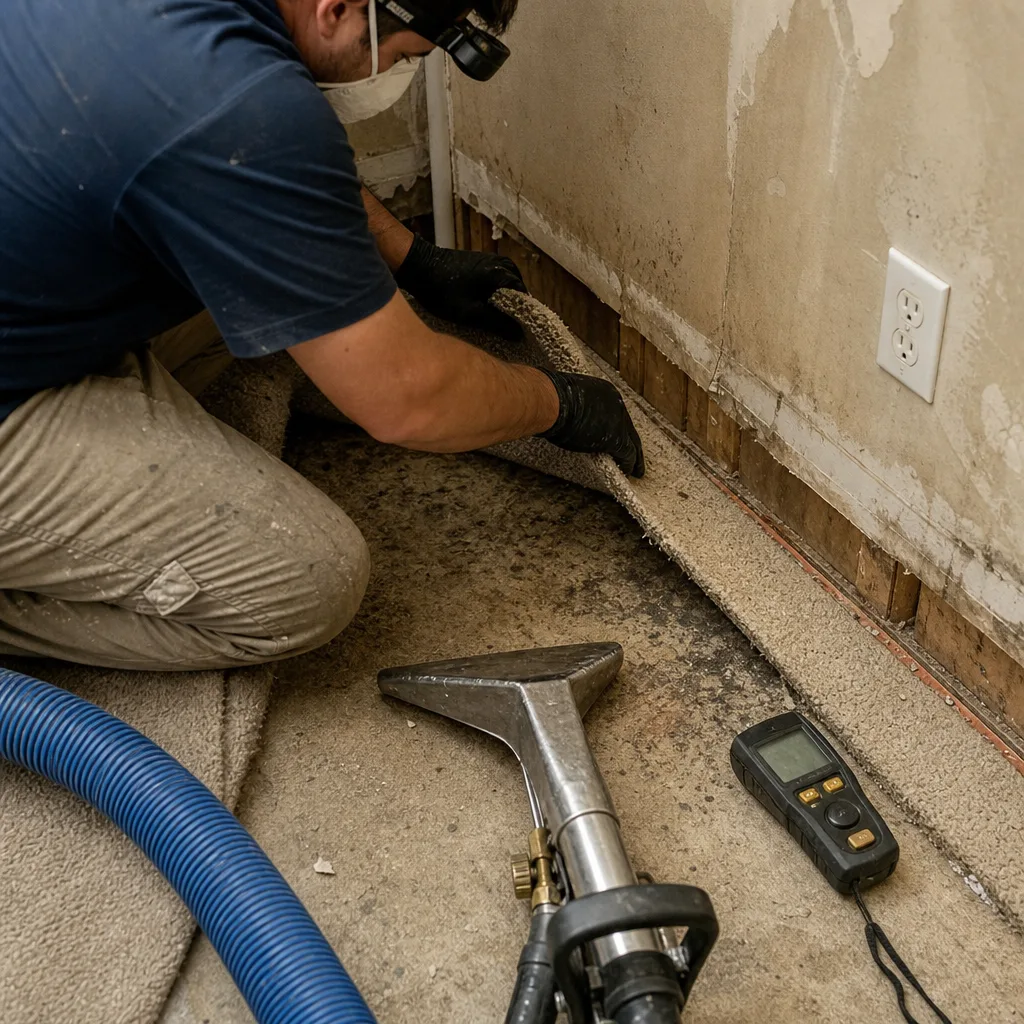
January task: After the first significant storm (typically >0.5 inches in 24 hours), inspect the interior of western and northern walls at baseplate level with a moisture meter. Pin-type meters with insulated pins are best; they read only at the tip, so you can measure moisture content at incremental depths in drywall or base trim. A reading above 16% moisture content in drywall indicates active water intrusion. Document the reading, the location, and the date.
February task: Seal stucco cracks with elastomeric caulk, replace door sweeps, and verify deck flashing is intact. These are pre-emptive repairs, not emergency responses. The goal is to close pathways before the next storm system arrives.
In our experience, Coronado homes built between 1970 and 1995 are particularly vulnerable at deck-to-wall intersections. The flashing details from that era often relied on sealant rather than mechanical diversion, and the sealant has a 20-30 year service life. We’ve opened walls in the Cays where the structural rim joist showed 40%+ moisture content with no visible interior stain - the water was being absorbed by the wood and evaporating into the wall cavity, driving humidity above mold threshold.
Spring Condensation Transition: March-May
March in Coronado brings daytime highs climbing from 65°F toward 70°F, while the slab and perimeter framing remain at winter temperatures, often 55-60°F. This temperature differential creates a condensation surface inside the wall cavity. The moisture source isn’t rain; it’s the warming, humid air that enters the wall through exterior vents, soffit gaps, and incomplete air barriers.
The psychrometrics are straightforward. Air at 70°F and 60% relative humidity (common in Coronado in March) has a dew point of approximately 55°F. When that air contacts a surface at 55°F or below, condensation forms. In a wall cavity with a slab foundation, the bottom plate of the framed wall is often the coldest surface in the assembly. The condensation forms there, wicks into the bottom plate and drywall, and produces the swelling baseboards and “ghosting” stains that we see in April and May calls.
March task: Establish your room-by-room moisture baseline. Using a pin-type moisture meter, take readings at 12 inches above finished floor on every exterior wall, and at the baseplate behind baseboard if accessible. Record each reading in a simple log: room, wall orientation, date, reading. This is your reference for the entire year. Anomalies in future months will stand out against this baseline.
April task: Inspect the interior of exterior walls at baseplate height for discoloration, swelling, or softness. Pay particular attention to north-facing walls and walls behind furniture where air circulation is restricted. In Coronado’s flat coastal light, early water damage can be subtle; use a flashlight at a low angle to raking-light the surface.
May task: Verify that exterior vents (dryer, bathroom exhaust, kitchen range) have functional backdraft dampers and terminate properly. In Coronado’s spring, wind from the west can drive moist air backward through improperly terminated vents, directly into wall cavities. The termination should be at least 3 feet from any intake, and the damper should close completely when the fan is off. A stuck-open damper is a common finding in our spring inspections.
The water damage restoration in Coronado calls we receive in April and May are often from homeowners who noticed the baseboard swelling in February but waited to see if it would “dry out.” In a wall cavity with limited air movement, it doesn’t dry out. The moisture accumulates until mold colonization begins, typically at 48-72 hours of sustained moisture content above 20% in organic materials.
Marine Layer Summer: June-August
Coronado’s summer is climatically mild and mechanically dangerous. Daytime highs average 72-76°F, nighttime lows 64-68°F, and relative humidity in the marine layer often reaches 85-95% for hours each morning. This is not uncomfortable weather for people. It is ideal weather for mold.
The danger is HVAC underrun. Homeowners in Coronado, accustomed to temperate conditions, set thermostats to 76-78°F and allow the system to cycle minimally. The air conditioner removes moisture only when it runs. A system that maintains 76°F in 72°F ambient conditions may run only 15-20 minutes per hour, insufficient to dehumidify the interior below mold threshold.
The mold threshold for interior spaces is generally accepted at 60% relative humidity sustained. At 70°F and 60% RH, mold spores germinate on organic surfaces within 48-72 hours. In Coronado’s summer, we regularly measure interior humidity at 65-75% RH in homes where the thermostat is set to “energy saver” mode or where the HVAC system is oversized and short-cycles.
An oversized system cools the air quickly and shuts off, never reaching the extended runtime needed for effective dehumidification. Coronado’s housing stock includes many homes with systems sized for inland heat loads, not coastal sensible-latent ratios. The result is cold, clammy air and hidden moisture accumulation.
June task: Verify HVAC runtime. A simple method: note the time when the compressor starts and stops during a typical afternoon. The system should run long enough to remove moisture, not just temperature. If cycles are shorter than 10 minutes, the system is likely oversized or the thermostat differential is too narrow. Consider a dedicated dehumidifier for problem areas, or adjust fan settings to “auto” rather than “on” to allow coil drainage between cycles.
July task: Change filters and inspect the condensate drain. A clogged drain in summer doesn’t produce a visible leak immediately; it produces elevated humidity as the pan overflows into the ductwork or surrounding chase. In Coronado, where many homes have rooftop package units, the condensate drain runs through the attic or ceiling plenum. A backup here damages drywall from above, with no exterior storm to explain it.
August task: Measure interior humidity with a calibrated hygrometer. Target 50-55% RH. If readings consistently exceed 60%, increase HVAC runtime or add dehumidification. Document the readings in your moisture log alongside the meter readings from March.
The mold remediation in Coronado work we perform in August and September frequently traces to HVAC issues that began in June. The mold is visible by August, but the moisture condition was established in early summer. Early detection through humidity monitoring prevents the tertiary drying and reconstruction that full remediation requires.
Santa Ana Fall: September-November
September in Coronado brings the Santa Ana wind pattern: hot, dry easterly winds that drop humidity to 10-20% and raise temperatures to 85-95°F for 1-3 day episodes. Then the marine layer returns, sometimes within 24 hours, and humidity spikes back to 80%+. This rapid cycling is called hygric shock, and it stresses building materials in ways that steady climates do not.
Stucco, in particular, expands and contracts with moisture content. A stucco wall that dries rapidly in Santa Ana conditions develops shrinkage cracks. When the marine layer returns, water enters those cracks by capillary action. The stucco swells, partially closes the cracks, and the cycle repeats. Over multiple Santa Ana events, the cracks widen and deepen, becoming permanent pathways for moisture.
The failure mode is accelerated by Coronado’s prevalent stucco systems: traditional three-coat stucco over wire lath on wood framing, common in homes built before 2000, and newer one-coat or EIFS systems with different vulnerability profiles. Traditional stucco cracks at the weakest point, typically above window heads, at inside corners, and at control joints that have lost their sealant. EIFS systems fail at penetration seals and at the base of the wall where the drainage plane is interrupted.
September task: Map stucco cracks. Walk the exterior with your camera and photograph every crack, noting location and approximate width. Compare to your December photos. New cracks or widened cracks indicate active hygric stress. Mark them for monitoring.
October task: Seal cracks and verify control joint function. Use a high-quality elastomeric sealant rated for 50% joint movement. In Coronado’s climate, standard acrylic latex caulks fail within 18-24 months; elastomeric products last 5-7 years. Pay particular attention to the south and west elevations, which experience the most thermal and moisture cycling.
November task: Inspect and clean gutters, downspouts, and drainage paths before the winter rain window opens. In Coronado, many homes have minimal roof drainage systems because “it doesn’t rain much.” But when it does rain, in concentrated winter storms, an undrained roof dumps water against the foundation and stem wall. The resulting hydrostatic pressure drives water through slab cracks and perimeter joints.
We’ve documented foundation moisture intrusion in Coronado’s Village area where the only roof drainage was a scupper discharging onto a decorative gravel bed. The gravel had compacted over years, creating a ponding area against the stem wall. The moisture meter readings at the interior baseplate were 28-35% - well above the 20% mold threshold - with no roof leak and no plumbing failure. The source was simply water against the foundation with no path away.
The Monthly Moisture Meter Protocol
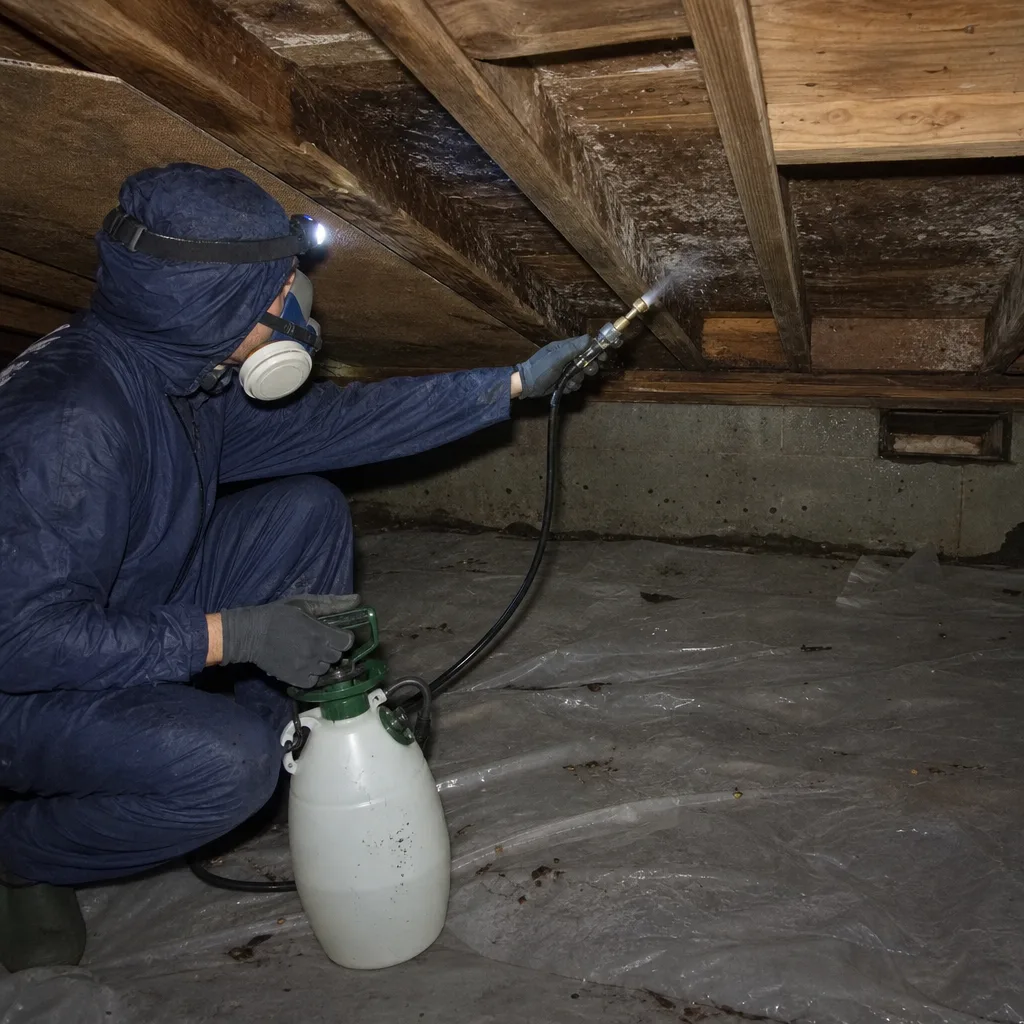
A moisture meter is the single most cost-effective damage prevention tool for Coronado homeowners. A pin-type meter with insulated pins costs $25-$45 and requires no training beyond reading the display. The protocol is simple, but consistency matters more than precision.
- Establish baseline in March. Take readings at 12 inches above finished floor on every exterior wall, and at baseplate height where accessible. Record room, wall orientation, date, and reading. Typical baseline for Coronado: 8-12% moisture content in drywall, 10-14% in wood trim.
- Monthly re-measurement. On the first weekend of each month, re-measure the same locations. The reading itself takes 2 minutes per room. The value is in the comparison.
- Anomaly threshold. Any reading 4 percentage points above baseline, or any reading above 16% in drywall / 20% in wood, indicates active moisture. Investigate immediately.
- Document with photos. Photograph the meter display at each anomalous reading, with enough context to identify the location. This documentation becomes evidence if an insurance claim is necessary, and it guides targeted repair before damage spreads.
- Annual review. In February, review the full year of data. Patterns emerge: a north wall that reads high every November, a bathroom wall that spikes in July. These patterns reveal systemic issues that single-point repairs won’t address.
The moisture meter protocol aligns with the documentation standards we apply on every job: a written record, a photo record, and a baseline for comparison. Haven Standard, Clause 1 applies to our pricing; the documentation principle applies to prevention.
HVAC Settings That Prevent Mold in Coronado
Coronado’s mild temperatures cause a specific HVAC behavior that drives mold risk: homeowners set thermostats high and forget about humidity. The system satisfies temperature demand without satisfying moisture removal demand.
The technical term is latent load: the moisture in air that must be removed to maintain comfort and health. In Coronado’s marine layer conditions, the latent load often exceeds the sensible load (temperature). A system sized and controlled for temperature alone will underperform on moisture.
Recommended settings and practices for Coronado’s coastal climate:
- Thermostat: 74°F maximum in cooling mode. Lower if humidity exceeds 55% RH. The energy cost of additional cooling is minor compared to mold remediation cost.
- Fan mode: “Auto,” never “On.” Continuous fan operation re-evaporates moisture from the wet coil back into the supply air, raising humidity 5-10%.
- Filter: MERV 8-11, changed every 60 days in summer. Higher MERV filters restrict airflow and reduce dehumidification capacity; lower MERV filters allow coil fouling that reduces heat transfer.
- Condensate drain: Verify flow monthly in summer. A simple test: pour 16 ounces of water into the pan and confirm it drains completely within 5 minutes.
- Supplemental dehumidification: Consider a portable or whole-house dehumidifier if interior humidity consistently exceeds 60% despite adequate HVAC runtime. In Coronado, this is common in homes with significant air leakage from crawl spaces or attached garages.
The vapor pressure differential between interior and exterior drives moisture migration. In summer, with exterior humidity at 85% and interior at 60%, the differential is modest but persistent. Any air leakage path - electrical penetrations, recessed can lights, fireplace dampers - becomes a moisture delivery system. Sealing these paths, combined with adequate dehumidification, closes the mold window.
Exterior Maintenance Ranked by Claim Frequency
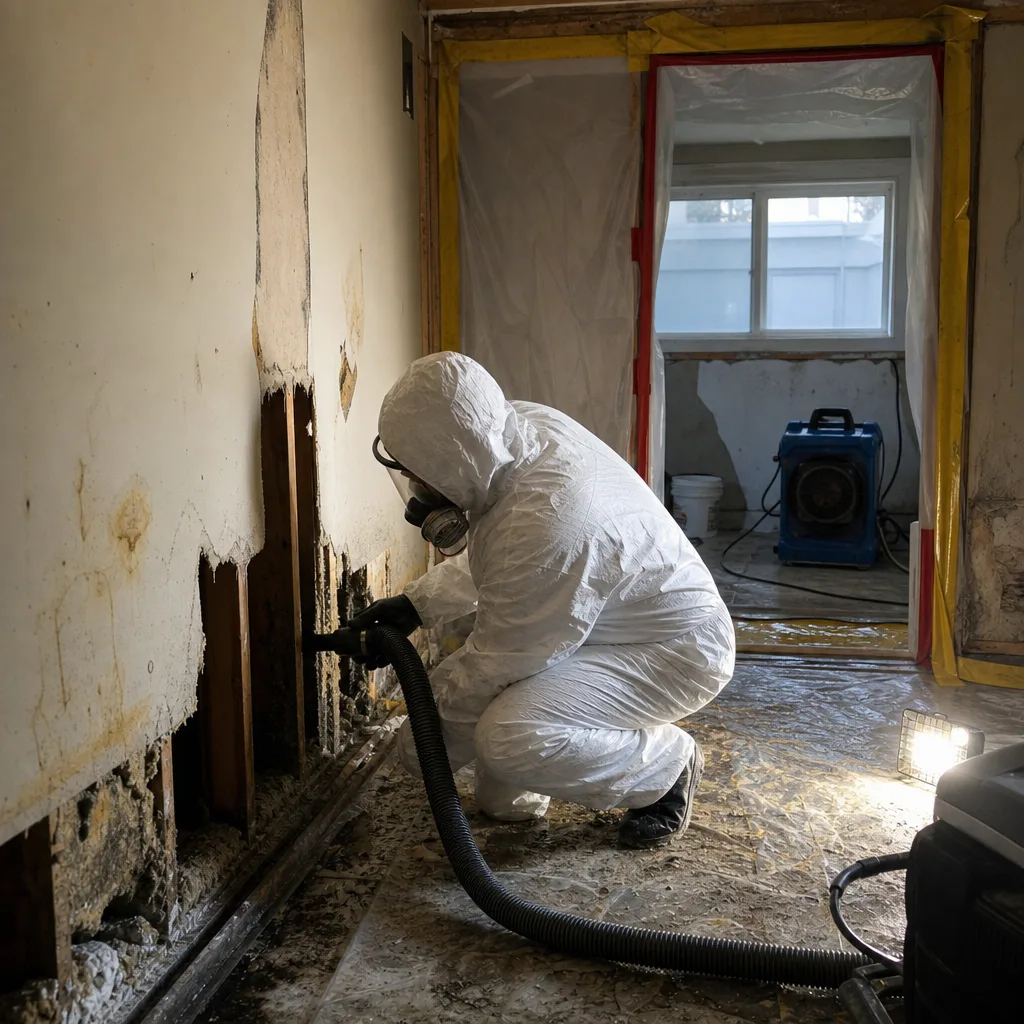
Based on our claims documentation from Coronado properties, exterior maintenance tasks can be ranked by the frequency with which their neglect produces restoration calls. Understanding these costs upfront helps with planning; see our Damage Restoration Cost Breakdown: The Coronado Homeowner’s Reference for 2026. This ranking prioritizes effort by return, not by visibility.
| Rank | Task | Claim Frequency | Pre-Season Deadline |
|---|---|---|---|
| 1 | Deck flashing and ledger connection | 23% of water damage claims | November 30 |
| 2 | Stucco crack sealing | 19% of water damage claims | October 15 |
| 3 | Door threshold and sweep replacement | 14% of water damage claims | November 30 |
| 4 | Gutter/downspout function | 12% of water damage claims | November 15 |
| 5 | Window flashing and sealant | 11% of water damage claims | October 31 |
| 6 | Roof penetration seals (vents, chimneys) | 9% of water damage claims | November 15 |
| 7 | Foundation drainage and grading | 8% of water damage claims | Ongoing |
| 8 | HVAC condensate and chase sealing | 4% of water damage claims | May 31 |
The deck flashing and ledger connection at rank 1 reflects both the prevalence of elevated decks in Coronado’s housing stock and the severity of failure. A compromised ledger connection allows water into the rim joist and wall cavity, often with no visible exterior indication until structural damage is advanced. The inspection is simple: from below, verify that flashing extends over the ledger and that no gaps are visible between flashing and house wall. If the deck was built before 2005 and has never been inspected, assume the flashing is inadequate by current standards.
Stucco crack sealing at rank 2 addresses the hygric shock failure mode described in the Santa Ana fall section. The 19% claim frequency understates the actual incidence, as many stucco-related leaks are attributed to “window leaks” or “roof leaks” in homeowner descriptions, when the actual entry point was a crack above the window that delivered water to the rough opening.
Common Mistakes to Avoid
- Waiting for visible water. By the time water stains appear on drywall, the damage inside the wall is typically 3-6 weeks advanced. In Coronado’s mild climate, mold colonization precedes visible staining. Inspect with a meter, not your eyes.
- Setting the thermostat to “energy saver” and ignoring humidity. This is the single most common preventable cause of summer mold in Coronado. Energy saver modes prioritize temperature efficiency over moisture removal. The result is a cool, humid interior that molds efficiently.
- Assuming new construction is immune. Homes built 2015-2025 in Coronado have shown higher-than-expected moisture issues due to tighter envelopes with inadequate mechanical ventilation. The air barrier is effective at keeping moisture in, not just out. If the home has no whole-house ventilation strategy, humidity accumulates from occupants, cooking, and bathing.
- Using the same maintenance calendar as inland San Diego. Coronado’s marine layer, mild temperatures, and Santa Ana wind pattern create risks that don’t exist in El Cajon or Escondido. A maintenance calendar designed for inland heat and winter rain misses the condensation and hygric shock windows entirely.
- Neglecting the “dry” months. September and October are statistically the driest months in Coronado by rainfall measure, yet they produce the most hidden moisture accumulation due to marine layer condensation after Santa Ana drying. The driest calendar months are not the lowest-risk months.
- Failing to document baseline conditions. Without a written moisture log, every reading is an isolated data point. The value of monitoring is in trend detection: the wall that reads 10% in March, 12% in June, 16% in September, and 22% in November is telling a story that a single 22% reading in November cannot.
- Ignoring the garage and attached storage spaces. In Coronado, many homes have attached garages or enclosed patio rooms that are minimally conditioned. These spaces share wall assemblies with the main house, and moisture in the garage migrates through the connecting wall. The moisture meter protocol should include garage perimeter walls.
When to Call a Professional
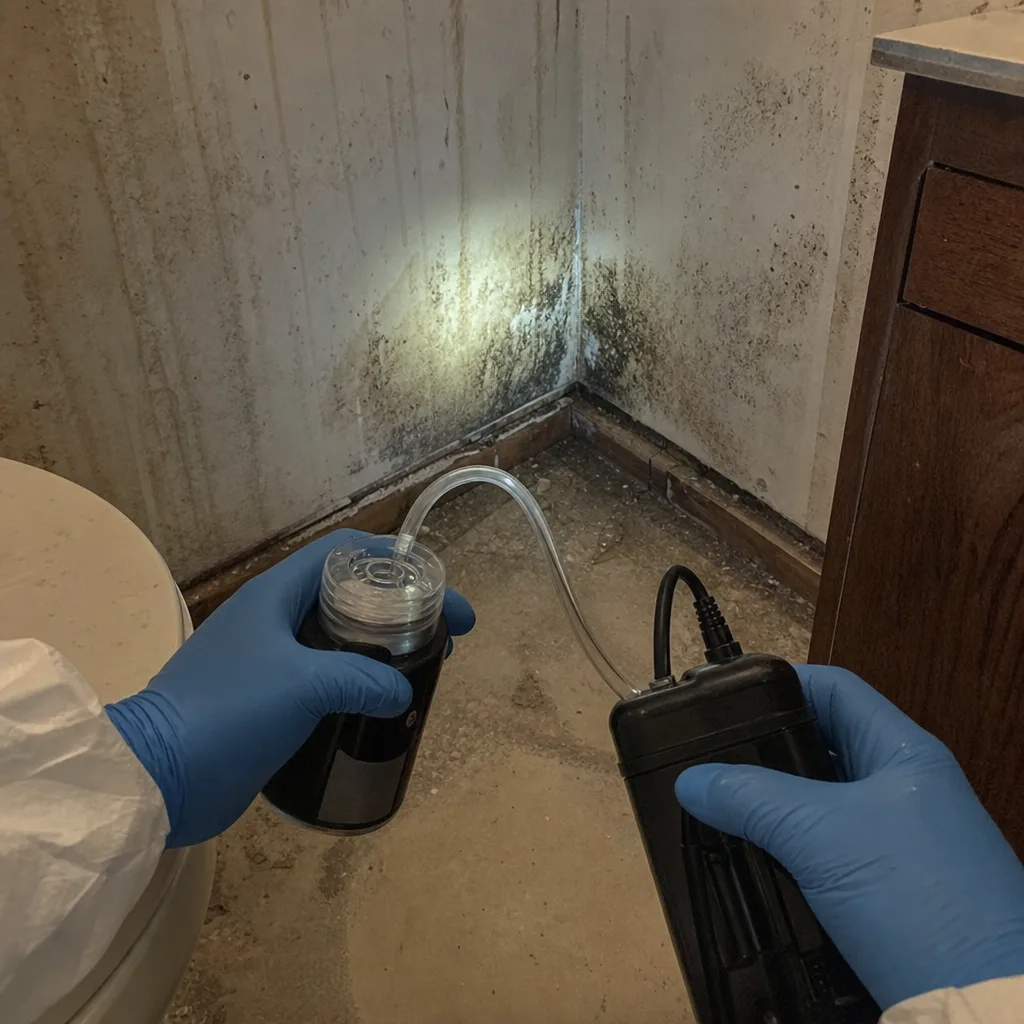
Call for professional assessment when: moisture meter readings exceed 20% in any wood-based material and do not decrease within 48 hours of identifying the source; visible mold exceeds 10 square feet (EPA threshold for professional remediation); you smell musty odor but cannot locate the source; or any water intrusion involves Category 2 (gray water) or Category 3 (black water) sources including sewage backup or seawater flooding. Find more guides & resources on our blog.
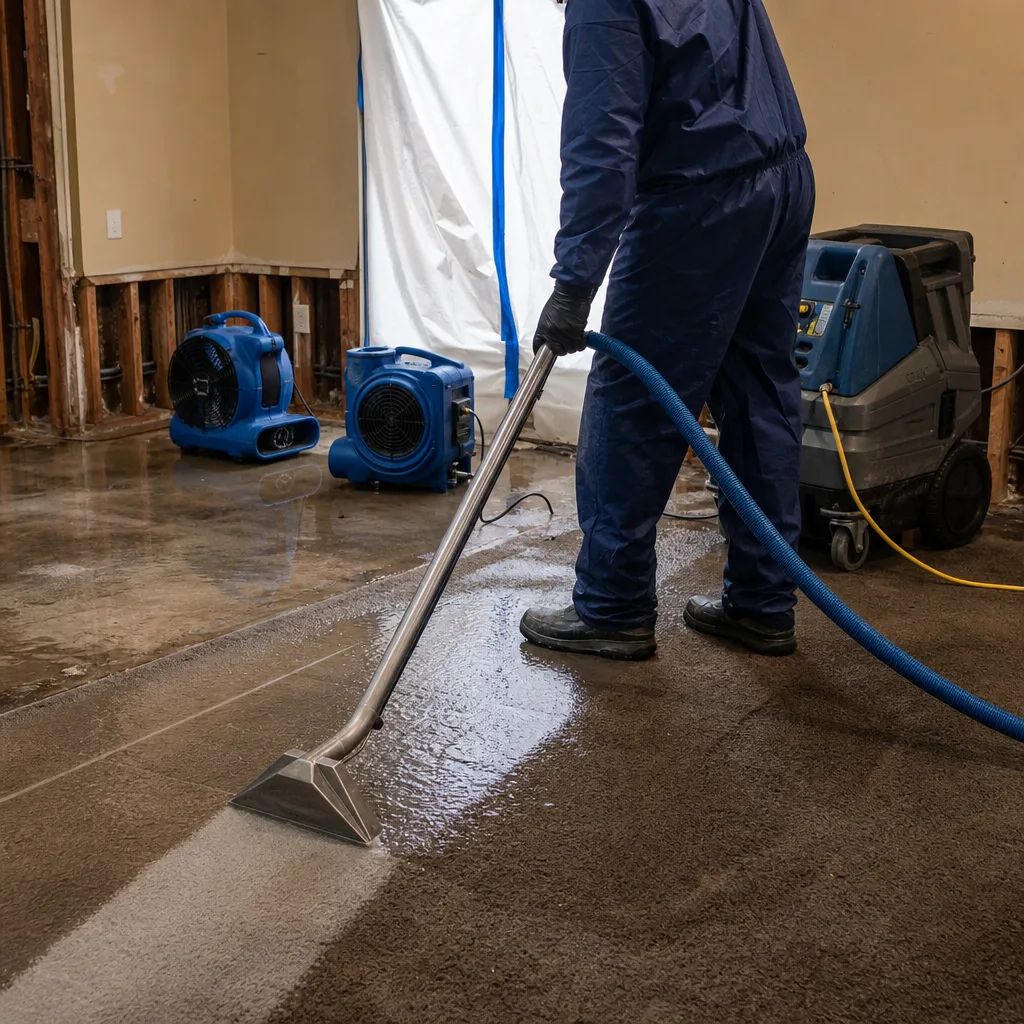
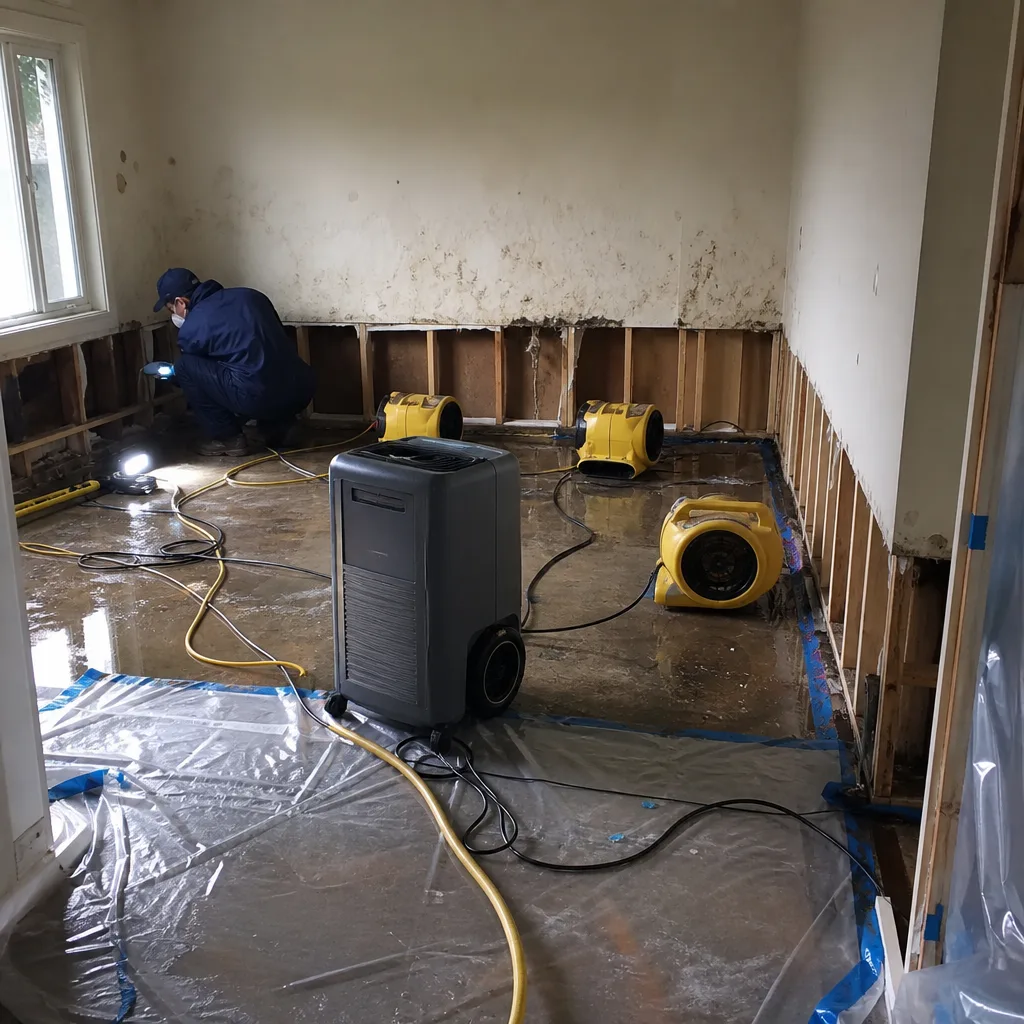
Structural drying requires equipment and expertise that homeowners cannot replicate: refrigerant dehumidifiers rated to 100+ pints per day, air movers positioned for optimal vapor pressure differential, and daily psychrometric logging to document progress to IICRC standards. DryMark Restoration Coronado home provides documented drying services with photo records and written moisture logs on every visit.
DryMark Restoration Coronado offers free estimates in Coronado - call (619) 649-7428. Every estimate includes a written scope and price before work begins, Haven Standard, Clause 1. We also provide free second opinions on any competitor’s written estimate.
Frequently Asked Questions
In our experience, homeowners who maintain a monthly moisture log and act on anomalies detect conditions before they require full remediation in approximately 80% of cases. The typical cost difference: $200-$400 for targeted repair versus $4,000-$12,000 for wall cavity drying, mold remediation, and reconstruction. The meter pays for itself if it prevents one incident in ten years.
Standard homeowners policies in California generally exclude damage from long-term maintenance neglect, seepage, and repeated leakage. A moisture log that documents when a condition began and when it was discovered can support a claim for sudden and accidental damage, but it cannot convert gradual deterioration into a covered peril. The documentation value is in proving the event was sudden, not in creating coverage where none exists.
Live phone coverage is available 24 hours a day, 7 days a week with no voicemail on emergency lines. For active water intrusion, we dispatch to contain the source and begin documentation. For mitigation work, speed matters: mold colonization begins at 48-72 hours, and structural materials begin permanent deformation at sustained moisture content above 25%. Call (619) 649-7428 for immediate response.
Fans and shop vacuums address surface water, not the moisture absorbed into structural materials. Wood framing at 20% moisture content will not dry to below 15% with air movement alone in Coronado’s humid summer conditions. Professional drying equipment - refrigerant dehumidifiers, desiccant systems, and positive/negative air pressure systems from manufacturers like Dri-Eaz and Phoenix - achieves the vapor pressure differential necessary to extract bound moisture. Without it, the structure dries slowly enough that mold colonization is nearly certain.
Coronado’s mold risk comes from interior humidity, not exterior rainfall. The marine layer provides abundant moisture to exterior air, and air leakage or HVAC underrun brings that moisture inside. Once inside, the mild temperatures (70-76°F) are optimal for mold growth, and the minimal temperature differential between day and night means the HVAC rarely runs long enough to dehumidify. The result is sustained interior humidity above 60% RH, the mold germination threshold, for weeks at a time.
Every estimate includes a written scope of work, a fixed price for that scope, and a photo record of conditions at the time of estimate. Haven Standard, Clause 1: no work begins until the written price is agreed. No scope-creep additions once the crew is inside. The estimate is free, and we offer a free second opinion on any competitor’s written estimate.
If any work we perform is not done right, we make it right. This is a written warranty under The Haven Standard, not a verbal assurance. The warranty covers workmanship and materials for 365 days from completion, with documentation of the original scope, the photo record, and the moisture logs that verified drying completion. Claims are handled directly with no third-party administrator.
The Bottom Line
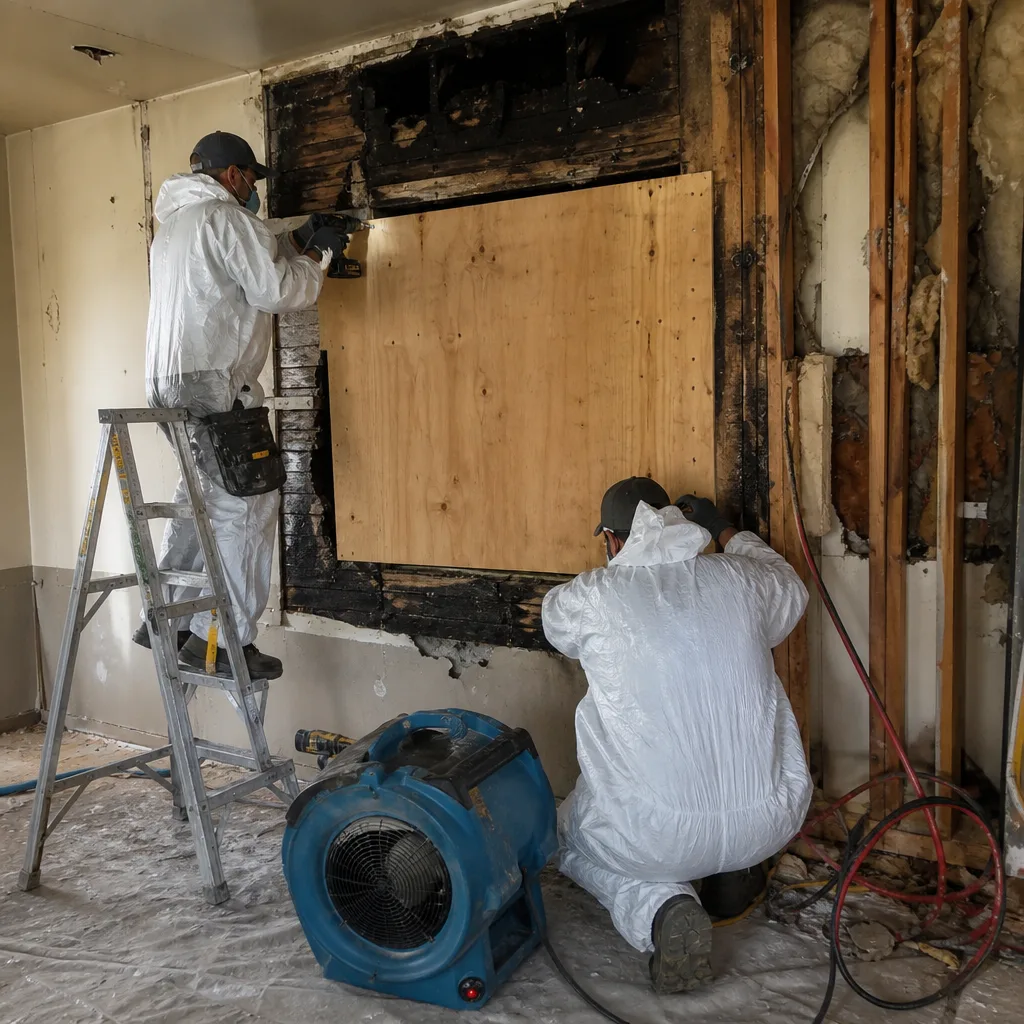
Coronado’s seasonal damage risk doesn’t follow the calendar that inland homeowners use. The driest months produce hidden moisture. The mildest temperatures drive mold. The wind patterns that feel pleasant stress building materials until they fail. A homeowner who understands these four windows - winter rain intrusion, spring condensation transition, marine layer summer, Santa Ana fall - and performs one targeted inspection task per month, will prevent the claims that others file. The tool is a $30 moisture meter. The method is consistency. The result is documentation that protects both your structure and your insurance position.
Call DryMark Restoration Coronado at (619) 649-7428 for a free estimate, or bring us any competitor’s written estimate for a free second opinion. Every job is quoted in writing before work begins, documented with a photo record on every visit, and covered by the 365-Day Done Right Promise under The Haven Standard.
Written by Alicia Brennan, Owner at DryMark Restoration Coronado, serving Coronado since 2011.