
Last updated September 23, 2026
Free visual inspection and a written scope of work before any mitigation begins - photos, moisture readings, and drying logs go in your claim file
The scope we write is the scope we bill. Anything new gets shown to you, in writing, before we touch it.
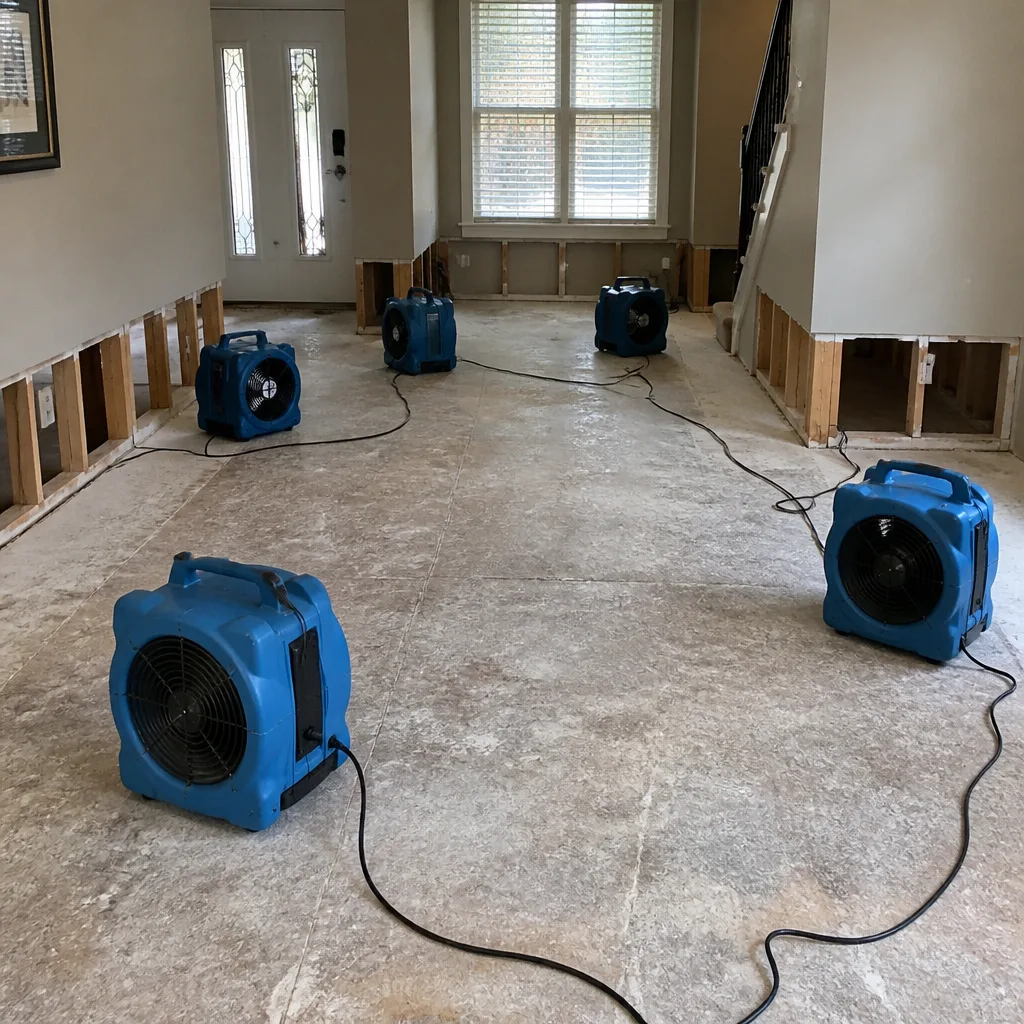
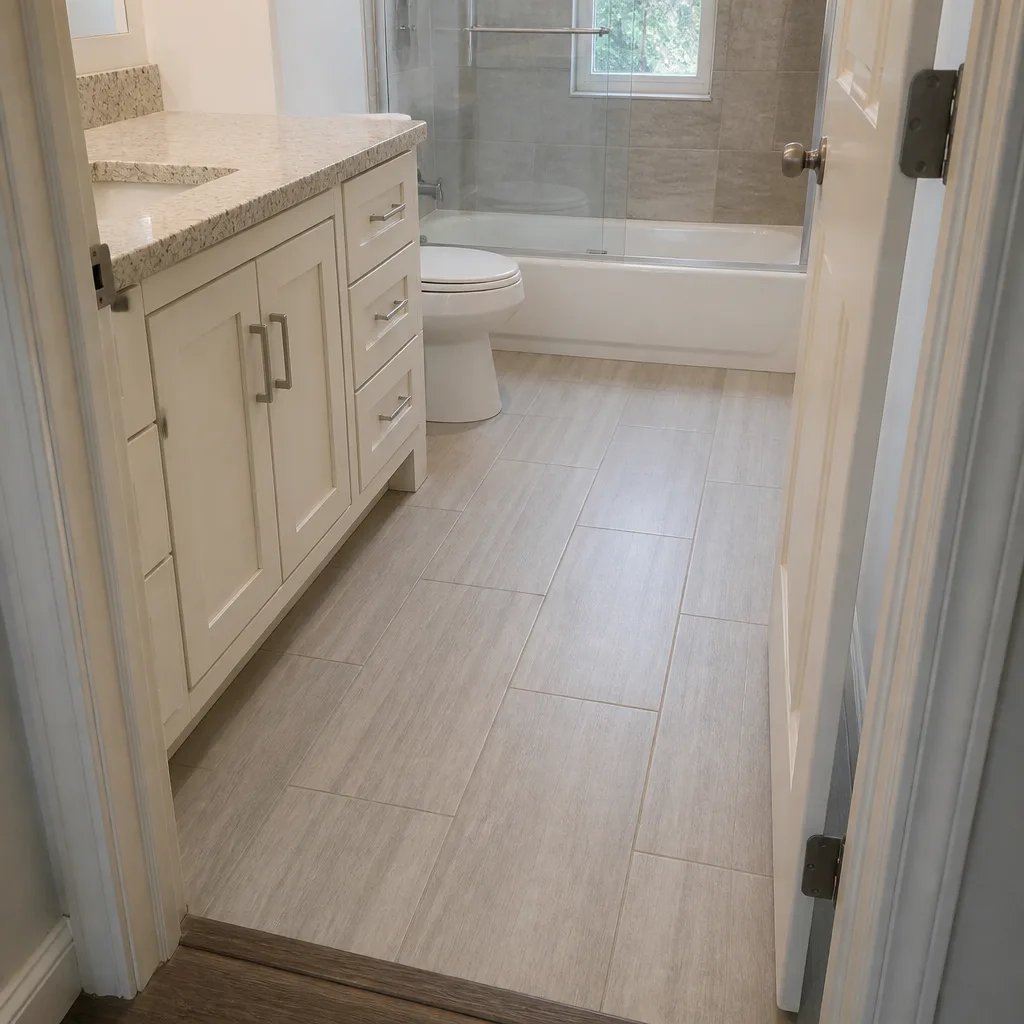
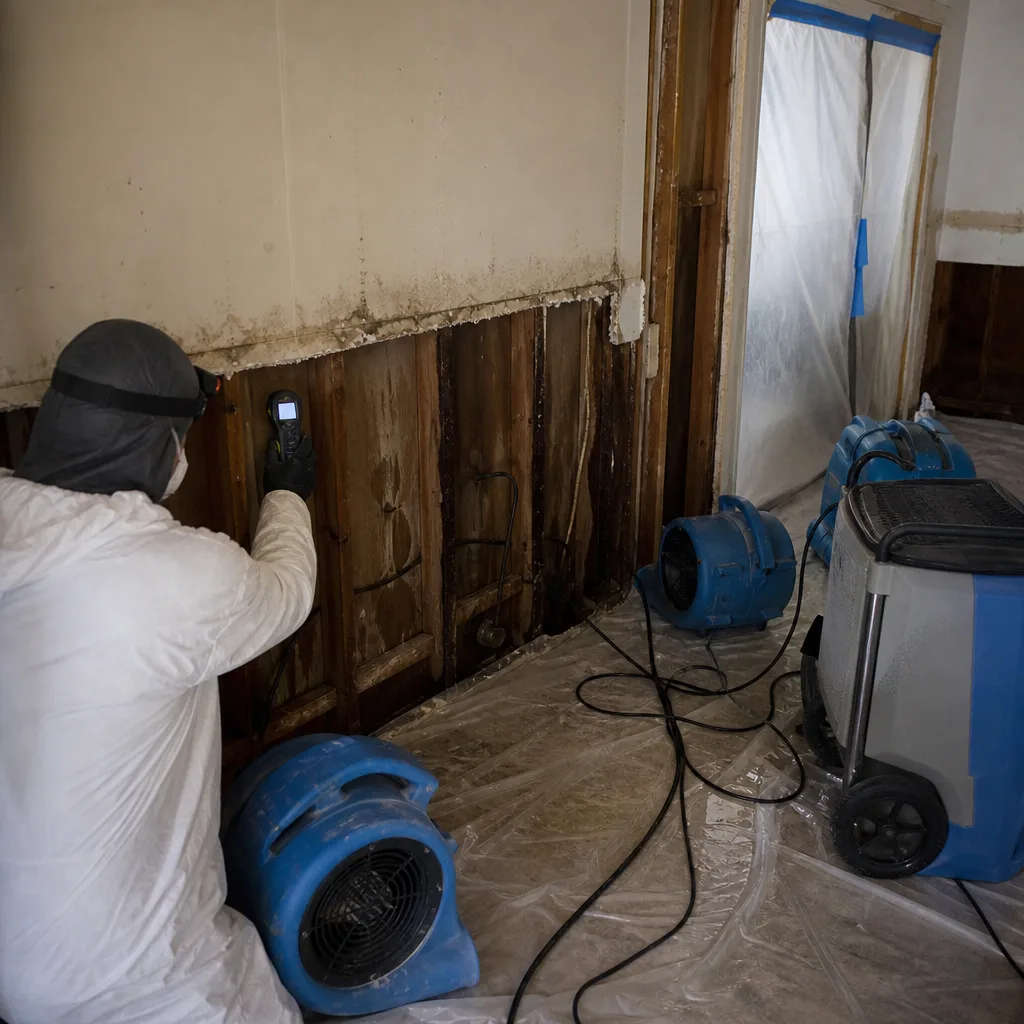 Before
 After
After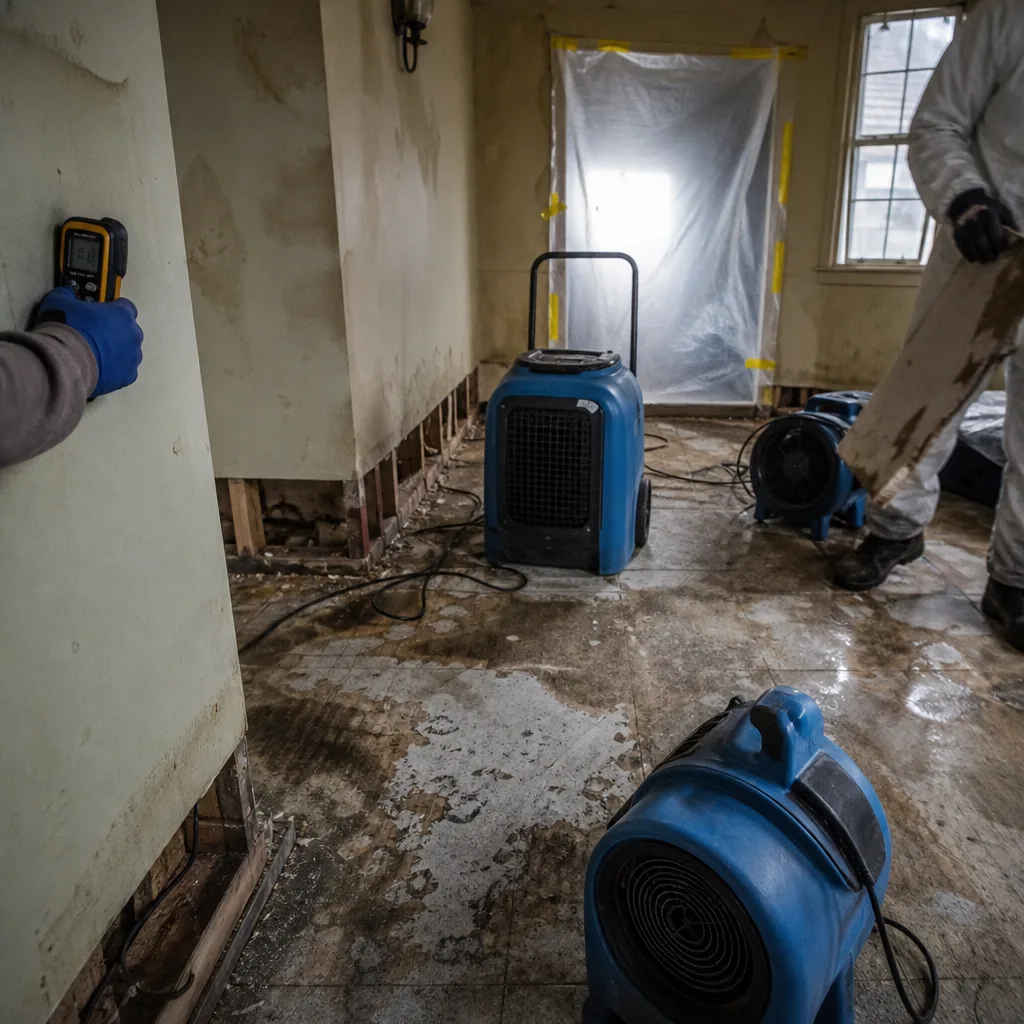 Before
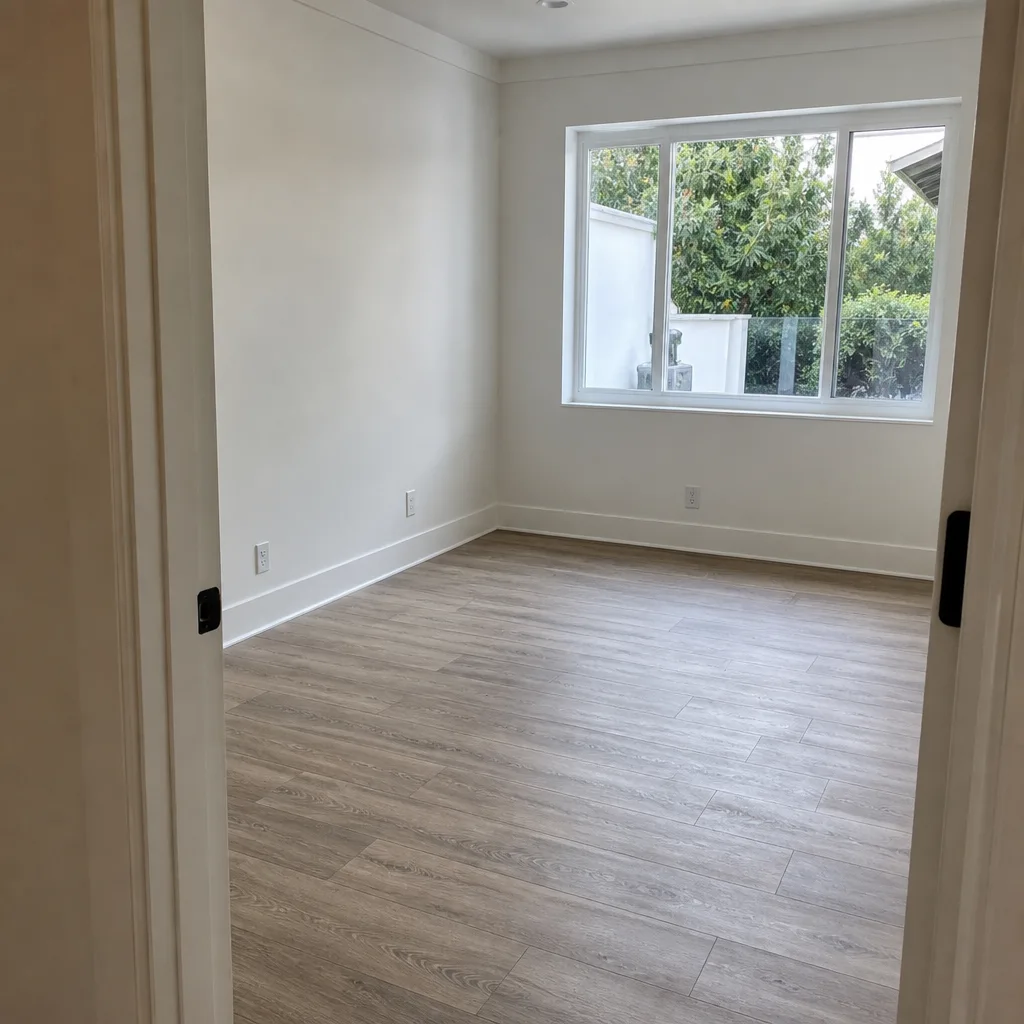 After
After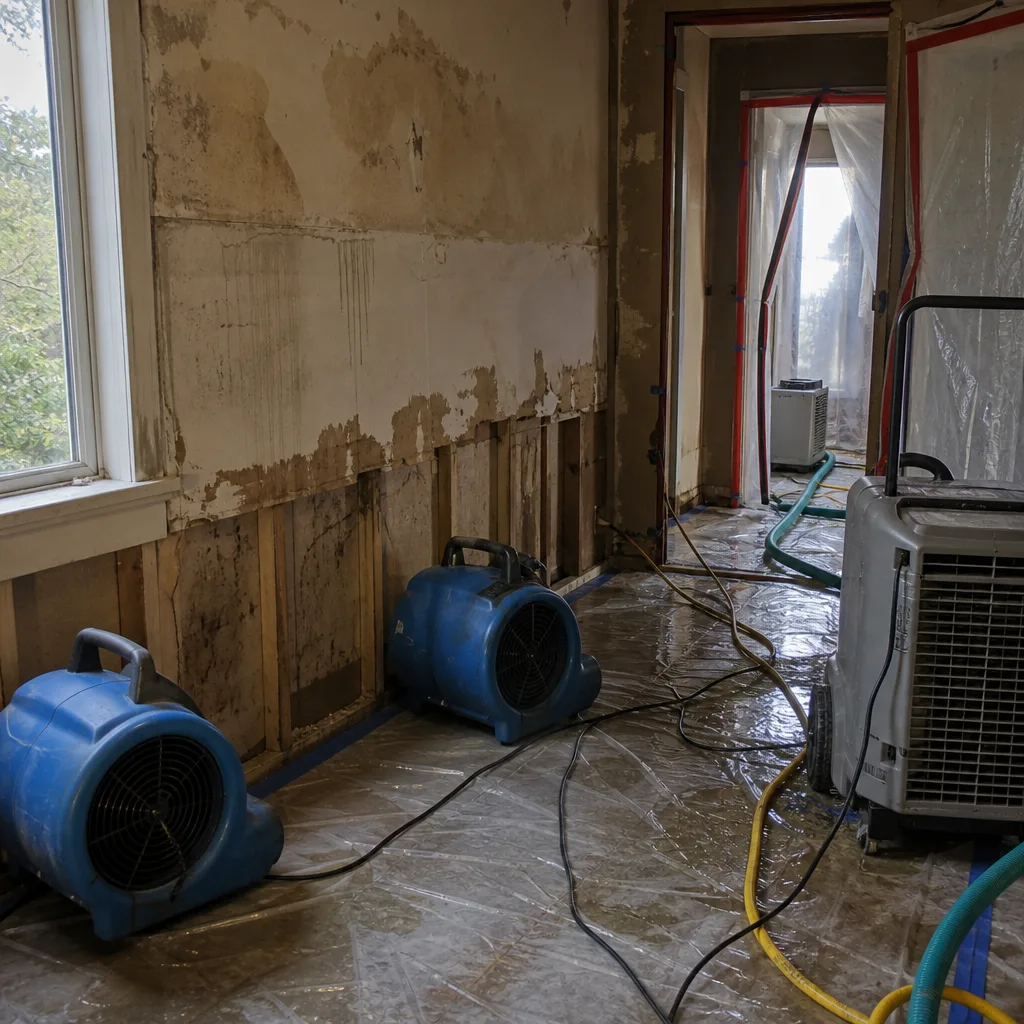 Before
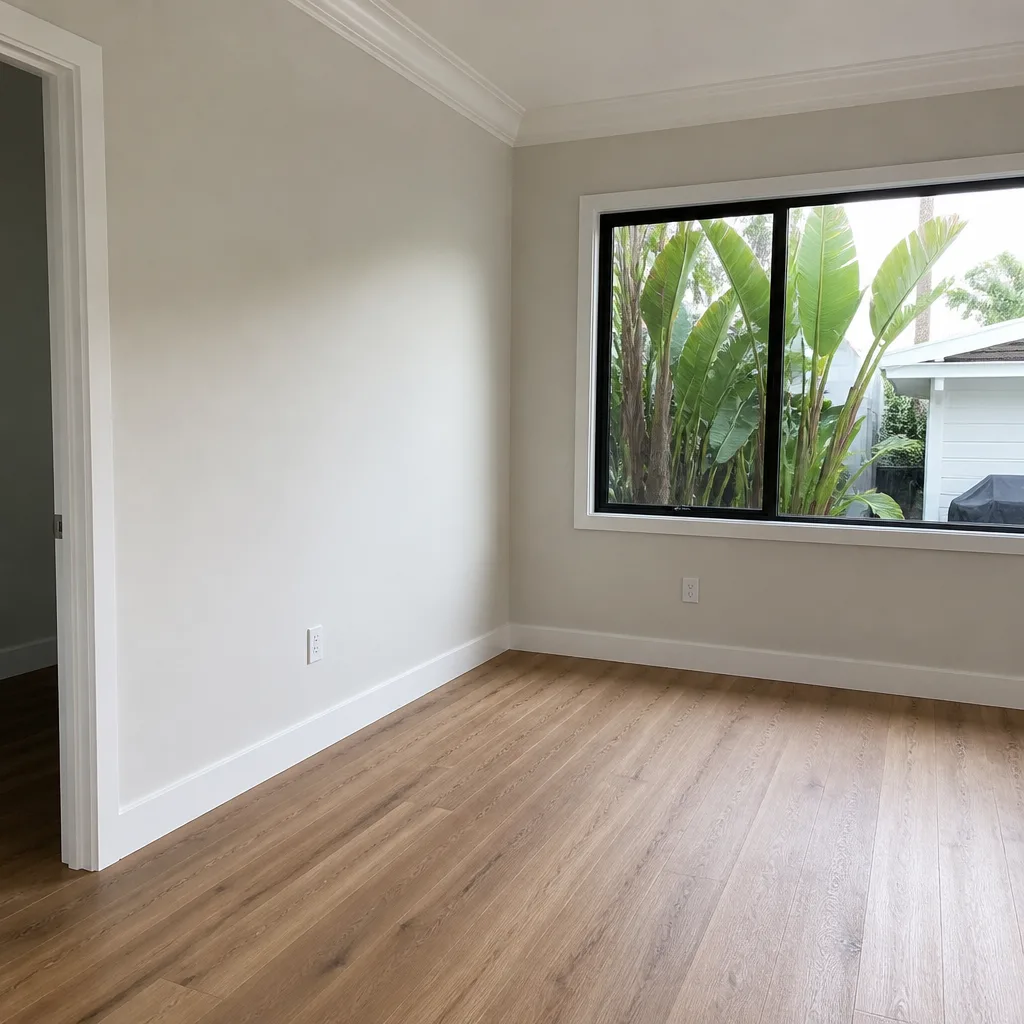 After
AfterDIY vs Professional Damage Restoration: The Coronado Homeowner’s Decision Guide
Here’s the counterintuitive truth we’ve learned from 12,000 homes since 2011: the homeowner who successfully dries and repaints a water-damaged wall in Coronado without moisture documentation hasn’t saved money. They’ve converted a covered insurance loss into an uncovered “pre-existing condition” that will follow the property through every future sale, refinance, and claim. California’s insurance market is now the most documentation-sensitive in the country, and carriers routinely deny subsequent claims where prior moisture damage lacks a professional drying log. In this guide and our more guides & resources, we’ll show you the precise scope line where DIY is reasonable in Coronado, where it becomes a permanent liability, and how to structure a hybrid approach that protects your coverage.
Quick Answer
DIY damage restoration in Coronado is reasonable for water-affected areas under 10 square feet with no structural materials involved, provided you document moisture readings and photo timestamps. Above that threshold, or whenever drywall, insulation, subflooring, or mold is present, professional restoration with IICRC-documented drying logs is necessary to preserve insurance coverage and avoid California’s “pre-existing condition” exclusions. The cost gap narrows significantly when you account for equipment rental, failed drying attempts, and the uncovered future claims that undocumented DIY remediation creates.
Table of Contents
- The Documentation Gap: Why DIY Creates a Permanent Liability
- How Coronado’s Coastal Climate Changes the Math
- Square-Footage and Moisture-Reading Thresholds for DIY vs. Professional
- California Contractor Licensing: What Homeowners Can and Cannot Legally Do
- The True Cost Comparison: DIY Equipment vs. Professional Line-Item Pricing
- The Hybrid Approach: Documented DIY Tasks + Licensed Contractor Scope
- What Documentation You Must Generate for Any DIY Portion
- When to Call a Professional
 Before
 After
AfterThe Documentation Gap: Why DIY Creates a Permanent Liability
We built DryMark Restoration Coronado home around a problem our founder, Alicia Brennan, saw repeatedly as a claims adjuster: homeowners who performed their own remediation, thought they’d succeeded, and then faced claim denials years later when new damage was traced to the same area. The issue was never the quality of their work. It was the absence of documentation.
California insurance practice treats moisture damage without a professional drying log as a “pre-existing condition.” This isn’t carrier-specific. It’s how the state’s Department of Insurance has interpreted material disclosure requirements since the 2019 coverage reforms tightened following the wildfire losses. When a homeowner in Coronado files a claim for mold, structural decay, or secondary water damage and the adjuster finds evidence of prior moisture intrusion in the same area, the carrier’s first question is: “Where’s the drying log?” Without one, the damage is excluded as pre-existing, regardless of when it actually occurred.
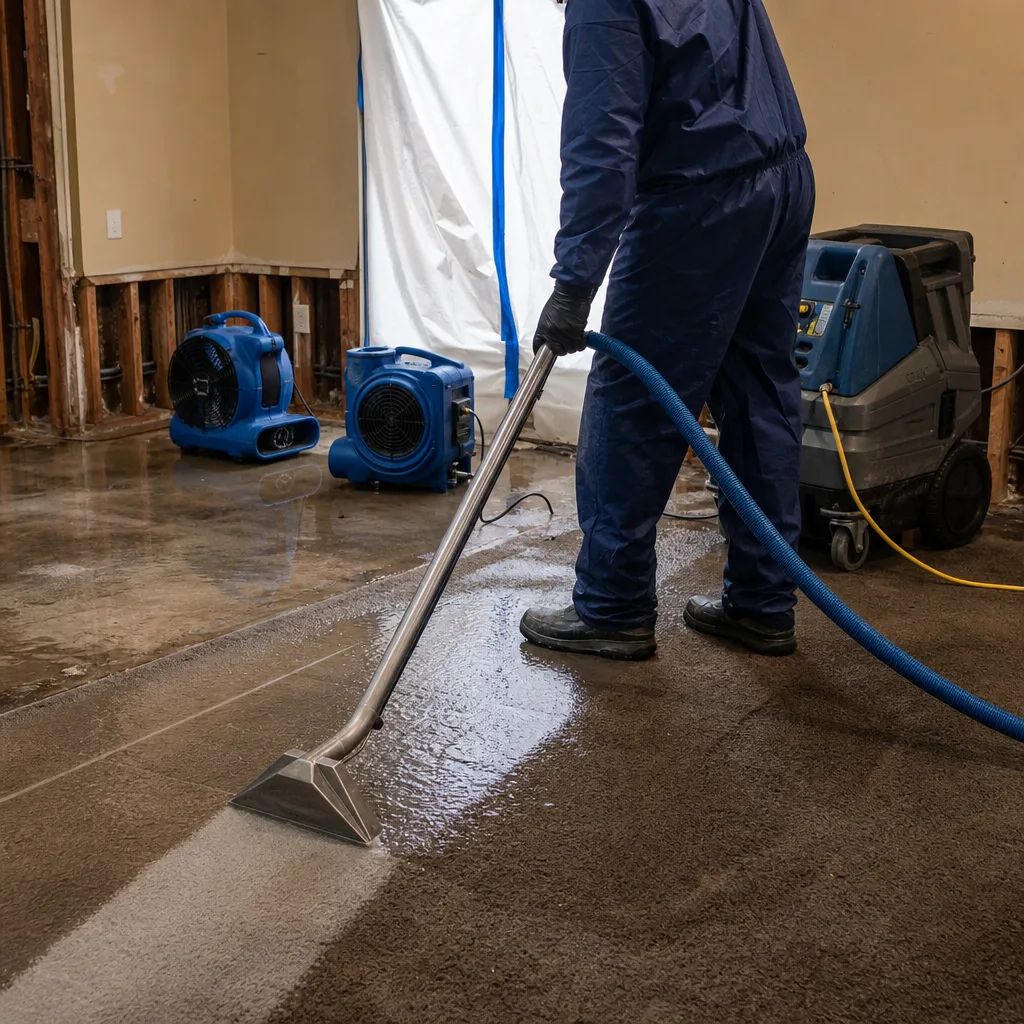
This is the documentation gap. Professional restoration companies generate daily moisture logs, psychrometric data (measurements of temperature, humidity, and vapor pressure that prove drying progress), and photo records with timestamps. These documents transform a restoration invoice into a claim that insurers pay without dispute. DIY remediation, by definition, lacks this documentation infrastructure.
The liability is permanent because it attaches to the property record. In Coronado’s market, where median home values exceed $2 million and transactions involve thorough disclosure, undocumented moisture history surfaces in inspections, appraisals, and subsequent insurance applications. We’ve reviewed claims where a homeowner’s self-performed bathroom fan leak repair from 2018 became the basis for a $47,000 mold exclusion on a 2023 policy renewal.
The Haven Standard, Clause 1, exists because of this gap: a written price before work starts, and a documented record when the crew leaves. Every job we’ve performed since 2011 includes both.
How Coronado’s Coastal Climate Changes the Math
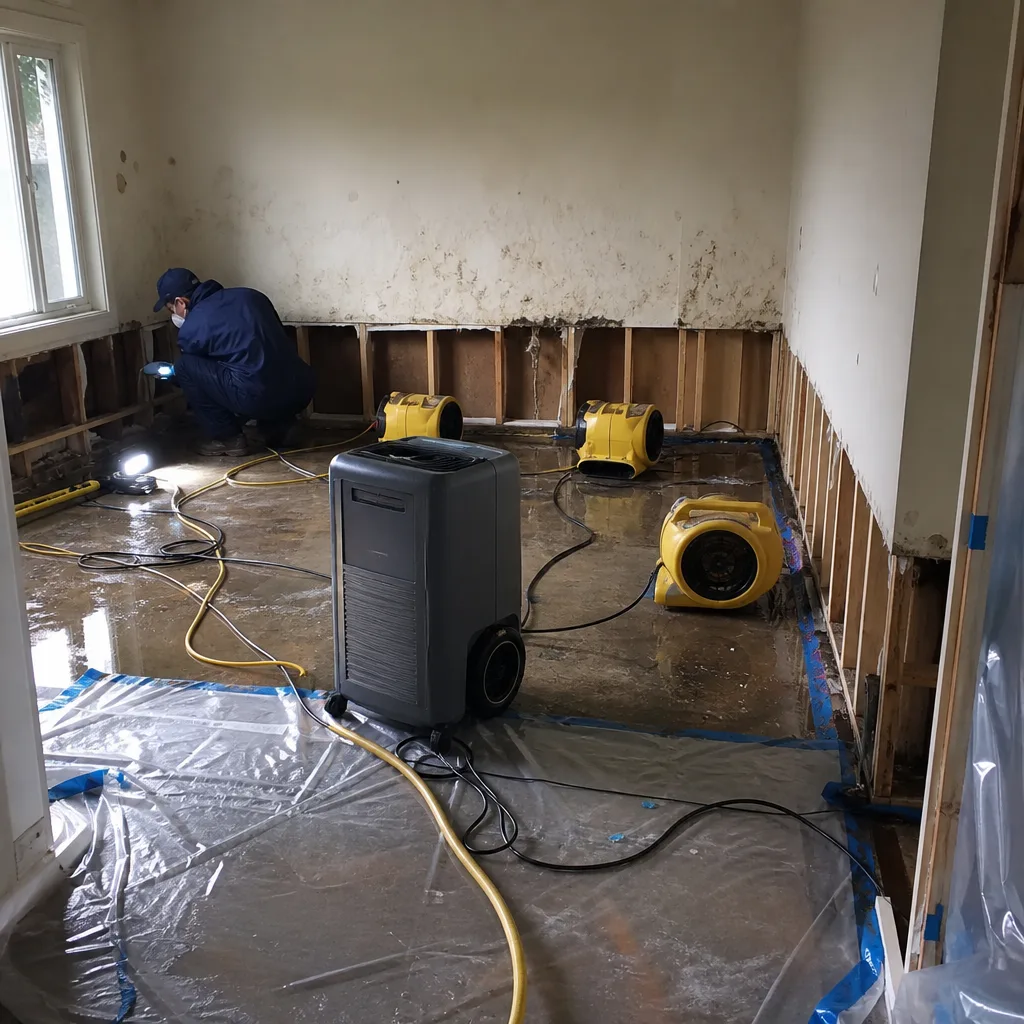
Coronado’s location on a tied island between San Diego Bay and the Pacific Ocean creates restoration conditions that differ materially from inland California markets, a topic we cover in our Seasonal Damage Restoration Care for Coronado: Year-Round Homeowner’s Guide. The marine layer delivers sustained humidity above 70% for 180+ days annually, and the bay’s thermal mass moderates temperature swings that would otherwise assist natural drying. These factors extend drying times and increase mold risk in ways that DIY calculations often underestimate.
Specific conditions we document regularly in Coronado neighborhoods:
- Glorietta Bay and Country Club areas: Older construction with original plaster and lath walls creates a “reservoir effect” where moisture migrates laterally through wall cavities far beyond the visible damage. We’ve measured moisture migration 14 feet from the original leak point in 1940s-era homes near the golf course.
- The Cays: Canal-front properties experience elevated groundwater and salt-air corrosion of plumbing fixtures, producing pinhole leaks that release small water volumes over extended periods. The cumulative moisture load often exceeds what DIY dehumidification can address before mold colonization begins, typically 48-72 hours in Coronado’s humidity profile.
- Village core and Orange Avenue corridor: Mixed-age construction with multiple renovation layers creates vapor barriers in unexpected locations. A homeowner who removes visible wet drywall may leave intact a 1980s polyethylene sheet trapping moisture against original framing.
Psychrometric data, the measurement of air and material moisture relationships, shows that Coronado’s ambient conditions require 35-50% longer drying times than comparable inland areas. A DIY approach that might succeed in Riverside in 72 hours will fail in Coronado without active dehumidification and air movement equipment. Vapor pressure differential, the force that drives moisture from wet materials into drier air, is consistently lower here because the surrounding air is already moisture-laden.
This climate reality shifts the DIY threshold downward. What constitutes a “small” water damage event in a desert climate becomes a professional-scope event in Coronado’s marine environment.
Square-Footage and Moisture-Reading Thresholds for DIY vs. Professional
After reviewing thousands of claims and restoration records, including those in our Water Damage Restoration Maintenance Checklist for Coronado Homeowners, we’ve identified specific measurable thresholds that separate reasonable DIY scope from professional necessity in California insurance practice. These aren’t arbitrary rules. They’re the points where carriers begin requesting documentation that DIY cannot produce.
DIY-Reasonable Zone
Water damage meeting ALL of the following criteria:
- Affected area under 10 contiguous square feet
- No structural materials involved (framing, subflooring, structural sheathing)
- No insulation present in the affected assembly
- Category 1 water source (clean, potable water only)
- Moisture content of affected materials returns to baseline within 48 hours of active drying
- Documented with dated photos and moisture meter readings before and after
Even in this zone, we recommend professional moisture verification if the affected area is in a Coronado home with any of the coastal construction factors described above.
Professional-Necessary Zone
Any damage meeting ONE or more of the following:
- Affected area 10 square feet or greater
- Any structural material showing moisture content above 16% wood moisture equivalent
- Any insulation present (even if apparently dry on surface)
- Category 2 or 3 water (gray water or black water, including any sewage backup or bay flooding)
- Any mold visible or suspected
- Any HVAC system involvement
- Any electrical components within 3 feet of the water line
- Any multi-story water migration (ceiling below, wall cavities extending to lower floors)
The 16% wood moisture equivalent threshold is critical. This is the point where wood-based materials enter the decay risk zone, and where California adjusters begin requiring documented drying curves showing progressive moisture reduction. A homeowner with a consumer-grade moisture meter can measure this, but cannot generate the psychrometric data and drying log that proves the material was returned to safe levels under controlled conditions.
We’ve seen carriers deny $23,000 mold remediation claims because a homeowner’s DIY drying of a 12-square-foot laundry room reached 14% moisture content at surface but left interior wall cavities at 19%. Without cavity probes and thermal imaging, that homeowner had no way to know.
California Contractor Licensing: What Homeowners Can and Cannot Legally Do
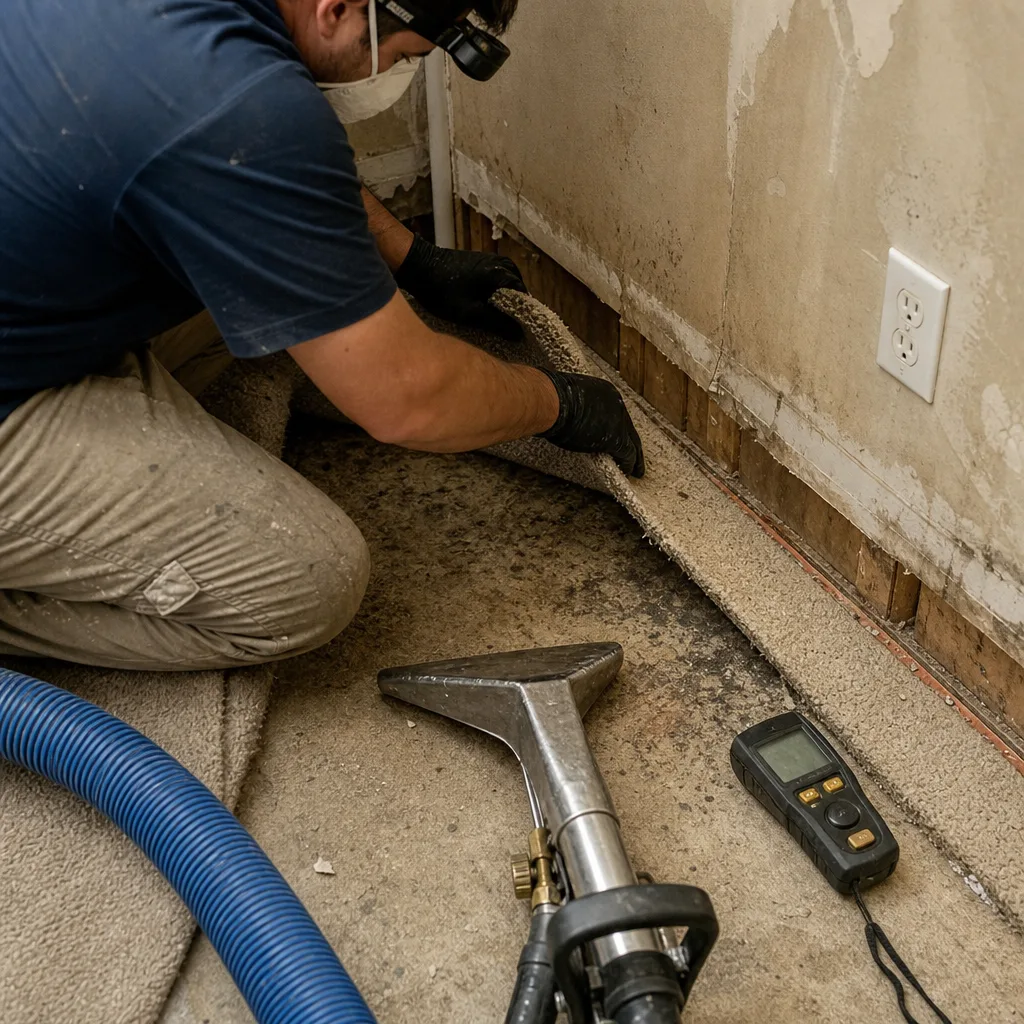
California’s contractor licensing rules contain specific exemptions for homeowners performing work on their own property, but those exemptions have boundaries that restoration work frequently crosses. Understanding these boundaries prevents permit violations that can void insurance coverage and create title issues.
What Homeowners Can Legally Perform Without a License
- Cosmetic repairs to surfaces not requiring structural modification: painting, replacing baseboards, installing flooring over intact subfloor.
- Material removal of non-structural, non-hazardous components: removing wet carpet pad, cutting out damaged drywall (provided no electrical, plumbing, or HVAC is exposed).
- Cleaning and sanitizing with consumer-grade products, provided no regulated biocides or antimicrobial agents requiring application certification are used.
- Equipment operation of rented dehumidifiers and air movers, provided no electrical modifications are required for installation.
What Requires a Licensed Contractor
- Any structural repair or replacement of load-bearing elements, including wall studs, floor joists, subflooring, and roof sheathing. CSLB license required (B-General or appropriate specialty).
- Electrical work beyond replacing a receptacle or switch. Any wiring in water-damaged areas requires an C-10 licensed electrician per California Electrical Code.
- Plumbing repairs beyond fixture replacement. Any supply line, drain line, or valve work requires a C-36 licensed plumber.
- HVAC system work of any kind, including duct cleaning after water or smoke exposure. Requires C-20 license.
- Mold remediation exceeding 10 square feet. While California does not have a specific mold remediation license, CSLB interprets this as requiring a B-General or C-21 Demolition contractor for structural removal, and the work must follow CDPH guidelines.
- Any work requiring a building permit, which in Coronado includes most drywall replacement beyond minor patchwork, all subfloor repair, and any work in historically designated properties.
The permit requirement is where many Coronado homeowners encounter unexpected complications. Coronado’s building department enforces California Historical Building Code provisions in the Village core and designated historic districts. Even “minor” water damage repairs in these areas may require historic preservation review if they affect original materials. A homeowner who performs unpermitted work in these zones faces correction orders that can delay sales and refinancing.
Our Water Damage Restoration in Coronado service includes permit research and filing as a standard scope element, not an add-on.
The True Cost Comparison: DIY Equipment vs. Professional Line-Item Pricing
The visible cost gap between DIY and professional restoration is smaller than most Coronado homeowners assume, and the hidden cost gap often reverses it entirely, as detailed in our How to Hire a Damage Restoration Contractor in Coronado: A Step-by-Step Guide. Here’s the actual math based on 2024-2025 equipment rental rates and our documented line-item pricing.
DIY Cost Framework: Small Water Damage Event (8×10 foot bedroom, Category 1)
| Item | DIY Cost | Professional Equivalent |
|---|---|---|
| Consumer dehumidifier rental (3 days) | $180-$240 | Included in scope |
| Air mover rental (3 units, 3 days) | $120-$180 | Included in scope |
| Moisture meter (purchase) | $80-$150 | Not applicable |
| HEPA air scrubber rental | $200-$300 | Included in scope |
| Personal protective equipment | $60-$100 | Not applicable |
| Drywall, insulation, flooring materials | $200-$400 | Line-item in written scope |
| Waste disposal (municipal limits apply) | $80-$150 | Included in scope |
| Time value (estimated 16-24 hours) | Not typically calculated | Not applicable |
| DIY subtotal | $920-$1,520 | |
| Failed drying attempt / mold recurrence (20% probability in Coronado climate) | $3,500-$8,000 additional | Covered by 365-Day Done Right Promise |
| Insurance claim denial due to lack of drying log | $0-$50,000+ (future exposure) | Documentation supports claim |
Professional line-item pricing for the same event in Coronado’s current market typically ranges $1,400-$2,200 for extraction, drying, and minor material removal, with a written scope delivered before work begins under Haven Standard, Clause 1. The difference of $500-$1,000 buys: IICRC-certified drying protocol, daily moisture logs, photo-documented visits, equipment from Dri-Eaz, Phoenix, and Injectidry systems that achieve drying targets 40% faster than rental units, and the documentation that preserves insurance coverage.
The 20% failure rate for DIY drying in Coronado’s climate is our observed figure from second-opinion calls. Homeowners who attempted self-drying and called us 5-14 days later when mold appeared or odors persisted. Each of those calls involved complete re-scoping, demolition of materials that could have been saved with immediate professional drying, and carrier disputes about whether the original event or the failed DIY attempt caused the mold.
Our Free Second Opinion on any competitor’s written estimate applies equally to DIY cost projections. Bring your equipment rental list and material assumptions, and we’ll review them against professional scope at no charge.
The Hybrid Approach: Documented DIY Tasks + Licensed Contractor Scope
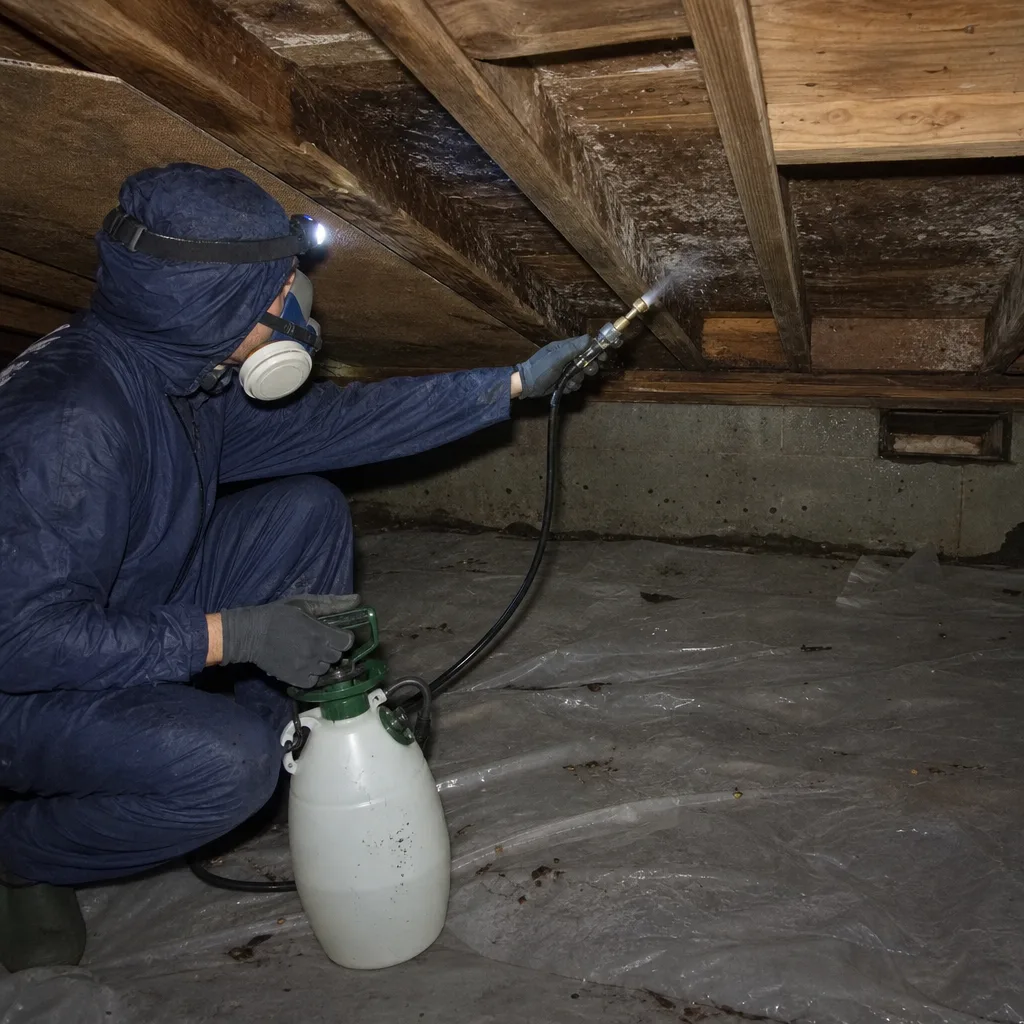
The most cost-effective approach for many Coronado homeowners is not binary. It’s a structured hybrid where the homeowner performs documented, low-risk tasks while a licensed contractor handles scope requiring permits, specialized equipment, and moisture documentation.
How to Structure a Hybrid Restoration
- Immediate response (first 2-4 hours): Homeowner stops water source, removes standing water with wet/dry vacuum, removes wet textiles and personal property. Document with timestamped photos, including wide shots showing extent and close-ups of water line.
- Professional assessment (same day): Licensed restoration company performs moisture mapping with thermal imaging and penetrating probes, establishes drying goals, and delivers written scope with line-item pricing before any work begins. Haven Standard, Clause 1.
- Demolition and material removal (if needed): Licensed contractor removes structural materials requiring permit or hazardous material handling. Homeowner may remove non-structural finish materials if documented in writing as homeowner-performed task.
- Drying phase: Professional equipment installed, daily moisture logs generated. Homeowner monitors equipment operation but does not modify placement or settings.
- Verification and documentation: Professional provides final moisture readings, drying log, and photo record. Homeowner retains these documents with property records permanently.
- Cosmetic restoration: Homeowner may perform painting, flooring installation, and finish carpentry if no permit required and moisture verification confirms materials are at baseline.
The critical element is the written demarcation. The hybrid approach fails when tasks blur between homeowner and contractor without documentation. We’ve reviewed claims where a homeowner assisted with demolition, injured themselves, and the contractor’s insurance denied coverage because the homeowner was performing work outside the written scope. The Haven Standard requires explicit task assignment on every job, hybrid or full-service.
For Mold Remediation in Coronado, we do not recommend hybrid approaches. California’s CDPH guidelines and insurance practice treat mold as a regulated hazard requiring continuous containment, negative air pressure, and post-remediation verification that cannot be performed by the homeowner.
What Documentation You Must Generate for Any DIY Portion
If you perform any portion of restoration yourself, the documentation burden falls entirely on you. California carriers will not accept verbal descriptions or informal records. Here’s what a defensible DIY documentation file must contain:
Required Documentation Components
- Photo record with timestamps: Minimum 12 images: wide shot of each affected room, close-up of water source, water line on walls, affected materials before removal, affected materials after removal, equipment in operation, and final condition. EXIF data must be intact; screenshots of photos are not accepted.
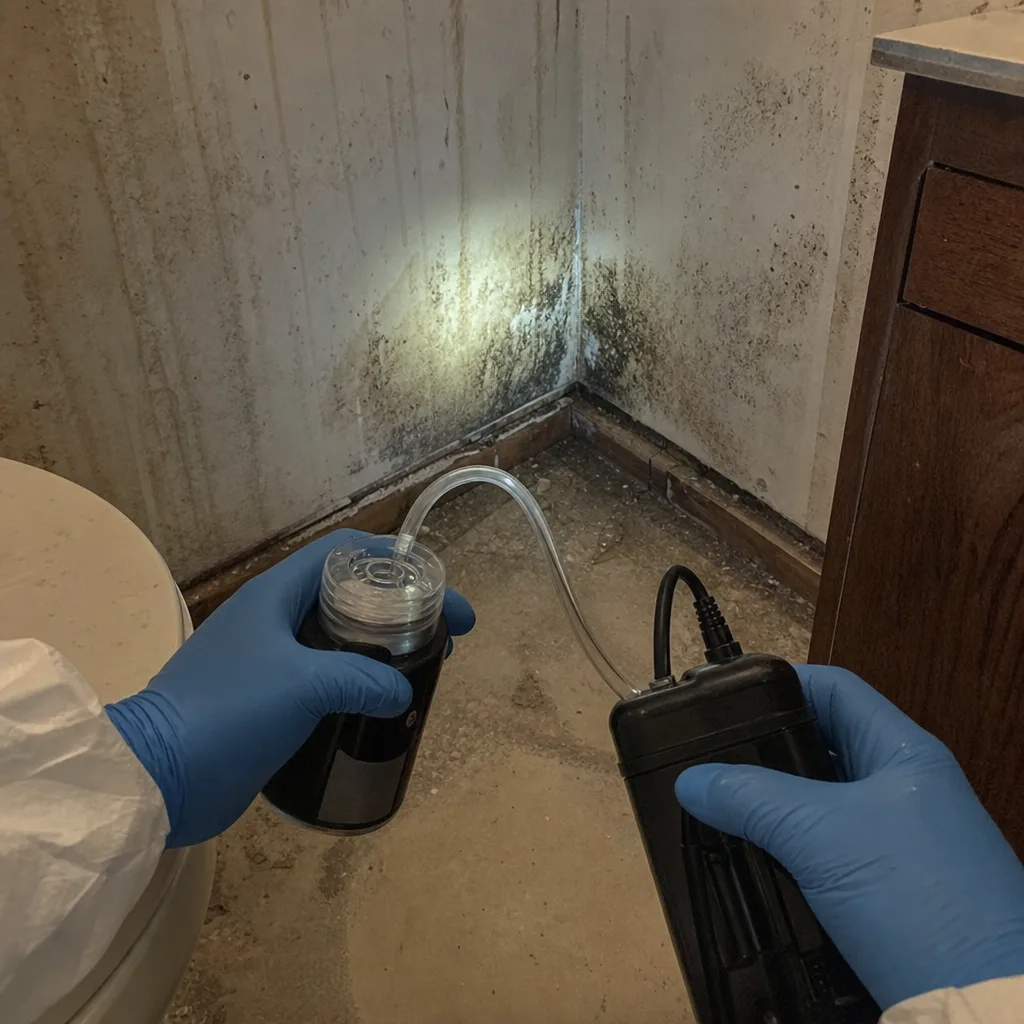
- Moisture readings before and after: Pinless meter readings at 6-inch intervals across affected area, plus pin-type probe readings in suspect materials. Record date, time, meter model, and reading location. Baseline readings from unaffected adjacent areas for comparison.
- Material disposal records: Weight tickets or receipts from waste facility showing disposal of water-damaged materials. For hazardous materials (Category 2 or 3 water, lead-containing debris, asbestos-suspect materials), manifest documentation from licensed hauler.
- Equipment operation log: Dates and times of dehumidifier and air mover operation, including humidity readings from the space at start and end of each day.
- Product and chemical records: SDS sheets for any cleaning or antimicrobial products applied, with application date and location noted.
- Professional verification: Moisture verification letter from IICRC-certified firm confirming materials returned to baseline, or mold clearance test from accredited laboratory if any mold was present or suspected.
This documentation package is what professional restoration companies generate as standard deliverables. The homeowner who DIYs must replicate it independently. In our experience, fewer than 5% of DIY attempts produce documentation that survives carrier review in a subsequent claim dispute.
For Fire & Smoke Damage Restoration in Coronado, DIY documentation is functionally impossible. Smoke damage involves particulate contamination that requires laboratory analysis to characterize, and carriers universally require professional documentation for any fire-related claim.
Common Mistakes to Avoid
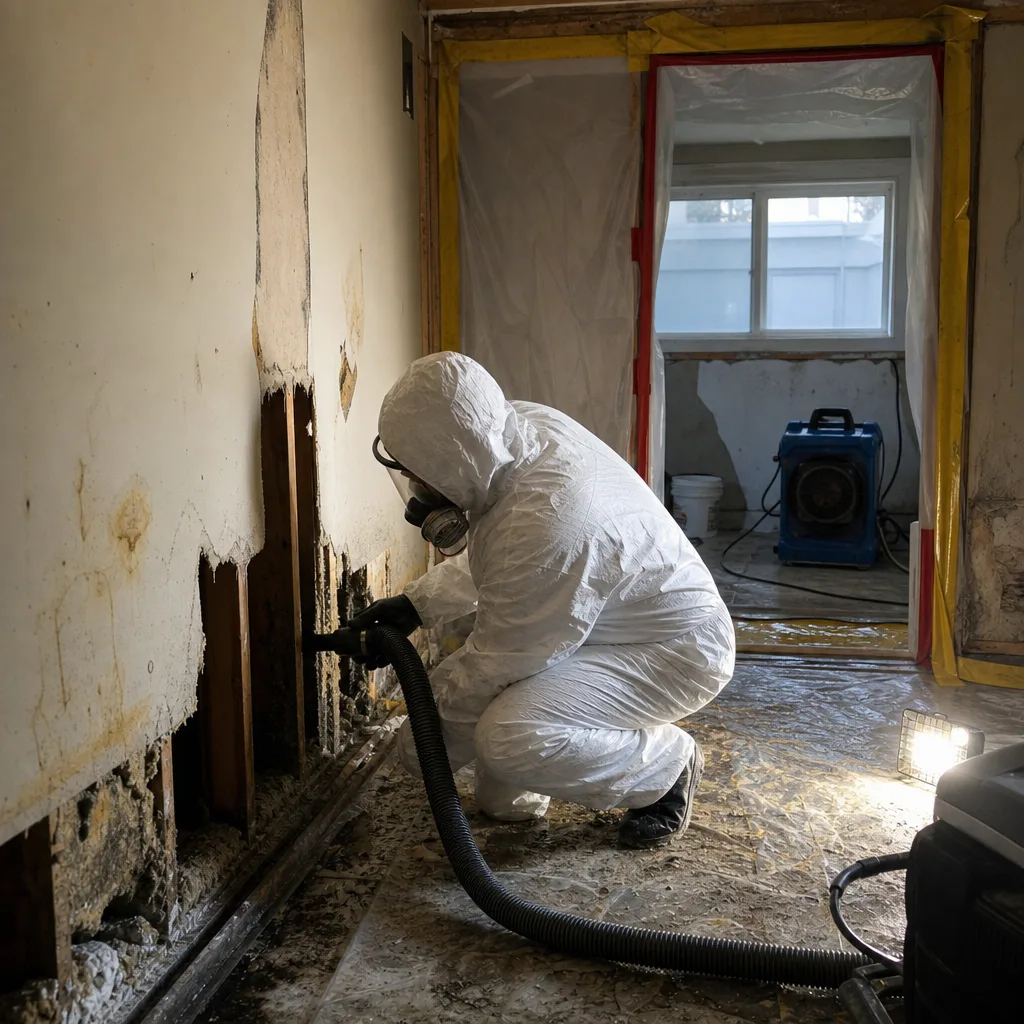
- Assuming visible dryness equals actual dryness. We’ve measured wall cavities at 22% moisture content in Coronado homes where the surface drywall appeared fully dry. Surface assessment without probing tools misses the reservoir that becomes mold in 10-14 days.
- Using bleach on mold. Bleach evaporates faster than it penetrates, leaving moisture behind that feeds deeper mold growth. It also damages cellulose materials and is specifically discouraged by IICRC S520 mold remediation standards. Professional remediation uses HEPA vacuuming, controlled demolition, and targeted antimicrobial application.
- Neglecting the vapor barrier investigation. Coronado’s mixed-era construction often contains polyethylene sheets, foil-backed insulation, or old tar paper that traps moisture. Removing visible wet material while leaving an intact vapor barrier creates a hidden moisture pocket.
- Failing to document the water source. Insurance coverage depends on proving the cause of loss. A homeowner who cleans up water without photographing the source, the failed component, or the entry point may lose coverage for the damage itself.
- Performing electrical or plumbing work without permit. Coronado’s building department coordinates with the County Assessor’s office. Unpermitted work discovered during sale or refinance triggers disclosure requirements that can delay or derail transactions.
- Discarding materials before carrier inspection. California insurance regulations require reasonable opportunity for carrier inspection of damaged materials. Premature disposal can result in claim reduction or denial for “failure to preserve evidence.”
- Accepting a contractor’s verbal scope without written price. This violates Haven Standard, Clause 1, and exposes you to scope creep. Every restoration scope should be delivered in writing with line-item pricing before work begins.
When to Call a Professional
Call a licensed restoration contractor immediately if: water has affected any structural material; the source was not clean, potable water; any mold is visible or suspected; the area exceeds 10 square feet; electrical components are involved; or you need this damage to remain covered by insurance. In Coronado’s marine climate, the window for successful DIY drying is narrower than inland areas, and the documentation requirements for insurance preservation are absolute.
DryMark Restoration Coronado offers free estimates in Coronado. Our assessment includes moisture mapping, written scope with line-item pricing before any work begins, and documentation that satisfies California insurance requirements. Call (619) 649-7428 for same-day response.
Frequently Asked Questions
Professional drying and remediation for a typical Category 1 water event in Coronado ranges from $1,400 to $4,500 depending on affected square footage and material involvement, with a written price delivered before work begins. DIY equipment rental for comparable scope runs $900-$1,500 but carries a 20% observed failure rate in Coronado’s climate that adds $3,500-$8,000 when remediation is required. The professional scope includes documentation that preserves insurance coverage, which DIY cannot replicate. Call (619) 649-7428 for an exact quote on your specific situation - estimates are free.
Carriers may reduce or deny coverage for damage resulting from failed DIY remediation, particularly if the DIY attempt delayed professional response or lacked documentation. California courts have upheld carrier denials where homeowners’ self-performed work exacerbated original damage or where lack of drying logs prevented determination of whether damage was pre-existing. Coverage for the original event may remain available, but the burden of proving what damage existed when shifts to the homeowner.
Wood-based materials must reach within 2-4% of established baseline moisture content, typically 10-12% in Coronado’s climate, and maintain that level for 24 hours without active drying equipment running. Drywall should read below 0.5% moisture content by weight using a calibrated pin-type meter. Single readings are insufficient; carriers require a drying curve showing progressive reduction over multiple documented measurements. Most consumer meters lack the calibration certification that carriers accept.
California allows homeowners to remove mold affecting less than 10 square feet without a licensed contractor, provided the mold is not in an HVAC system and the homeowner follows CDPH guidelines including containment and respiratory protection. However, insurance practice effectively requires professional documentation for any mold claim, and resale disclosure requirements in Coronado’s market make self-performed mold remediation a significant liability. We do not recommend DIY mold removal for any area where insurance coverage or future sale is a consideration.
DryMark Restoration Coronado maintains live phone coverage 24 hours a day, 7 days a week with no voicemail on emergency lines. Response time to Coronado addresses is typically under 90 minutes for active water damage. For non-emergency assessments, same-day or next-day scheduling is available. The critical factor is not our response time but the homeowner’s response time - every hour of delay in high-humidity conditions increases the scope of required remediation.
Under The Haven Standard, every DryMark Restoration Coronado job includes: a written scope with line-item pricing before work begins (Clause 1); daily moisture logs with psychrometric data; a photo record from every site visit with timestamps; material disposal records; and a final drying verification signed by the crew chief. These documents are delivered in both digital and physical formats and are designed to accompany any insurance claim or property disclosure. This documentation package is included as standard, never as an upsell.
The Bottom Line
The DIY-versus-professional question in Coronado restoration is not about your capability. It’s about documentation, climate, and California insurance architecture. Below 10 square feet of clean water damage with no structural materials, no insulation, and no coastal construction complications, DIY is reasonable if you generate complete photo and moisture documentation. Above that threshold, or in Coronado’s marine climate with its extended drying times and hidden moisture migration, professional restoration with IICRC-documented drying logs is the lower-risk financial decision. The cost gap narrows to insignificance when you account for equipment rental, failure probability, and the uncovered future claims that undocumented DIY creates. For any damage where insurance coverage matters, where mold is possible, or where permits may be required, professional scope with written pricing before work begins is the only approach that protects your property value.
Written by Alicia Brennan, Owner at DryMark Restoration Coronado, serving Coronado since 2011.