
Last updated September 23, 2026
Free visual inspection and a written scope of work before any mitigation begins - photos, moisture readings, and drying logs go in your claim file
The scope we write is the scope we bill. Anything new gets shown to you, in writing, before we touch it.
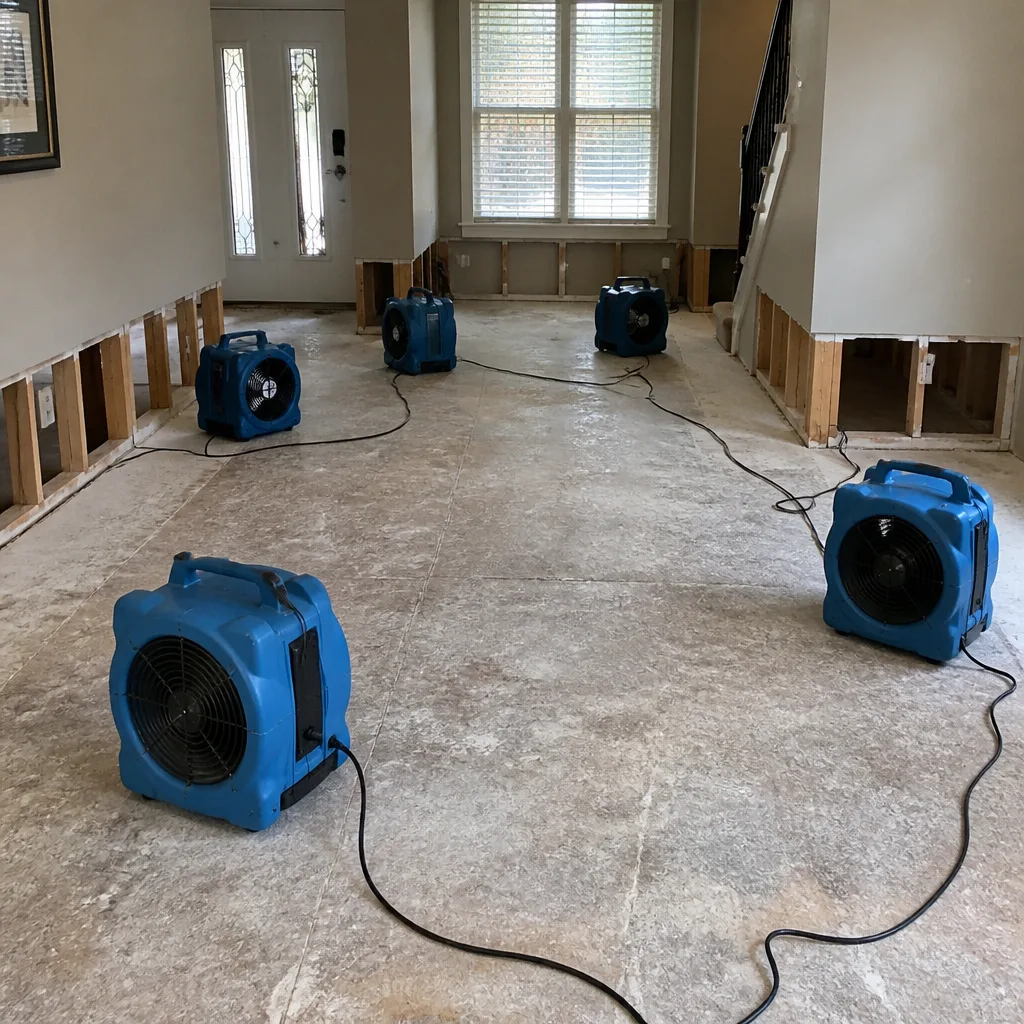
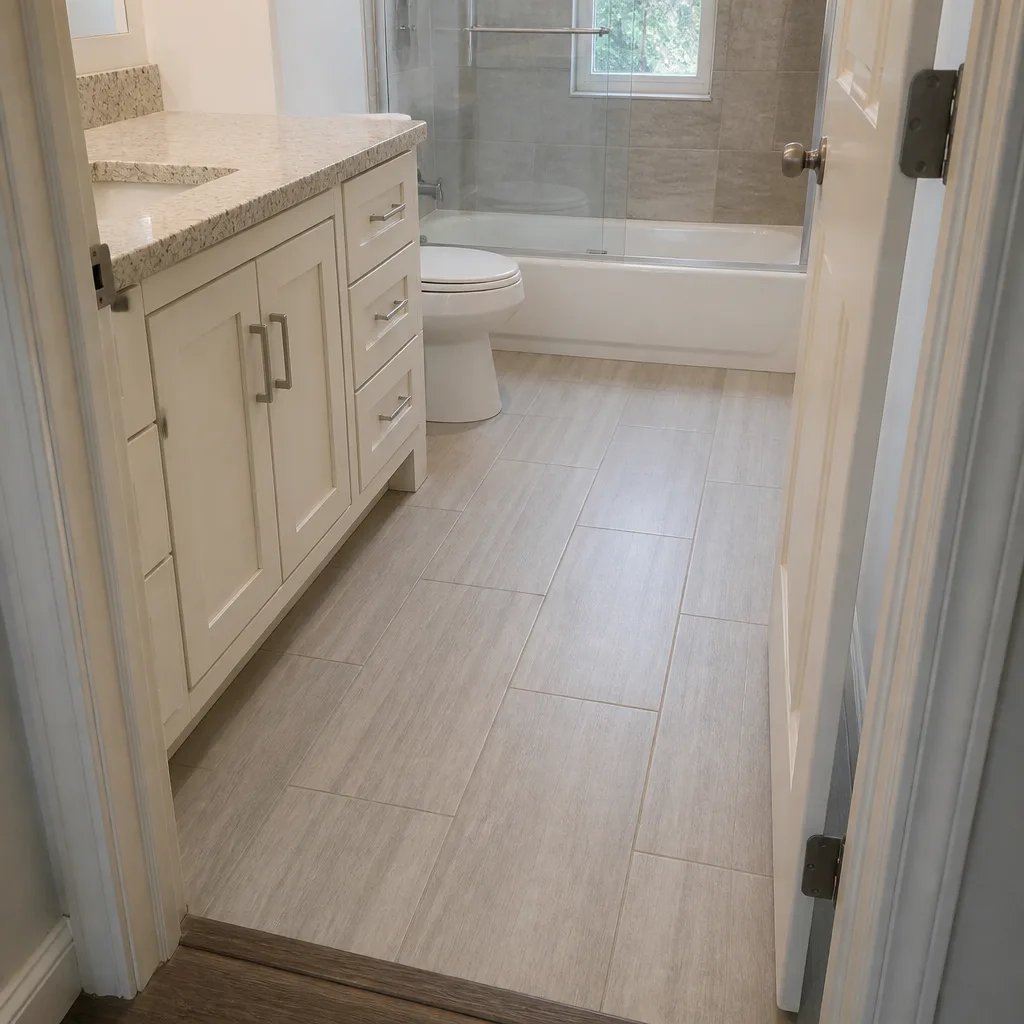
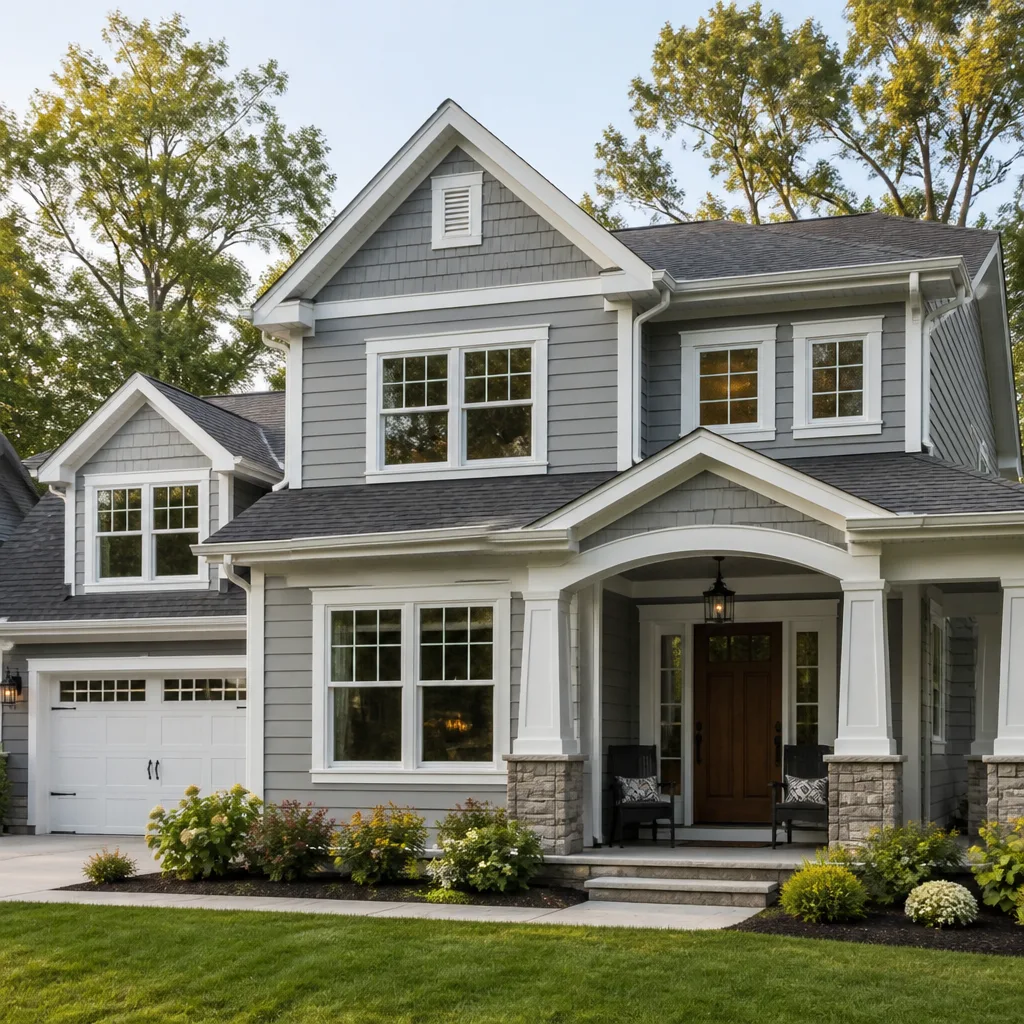
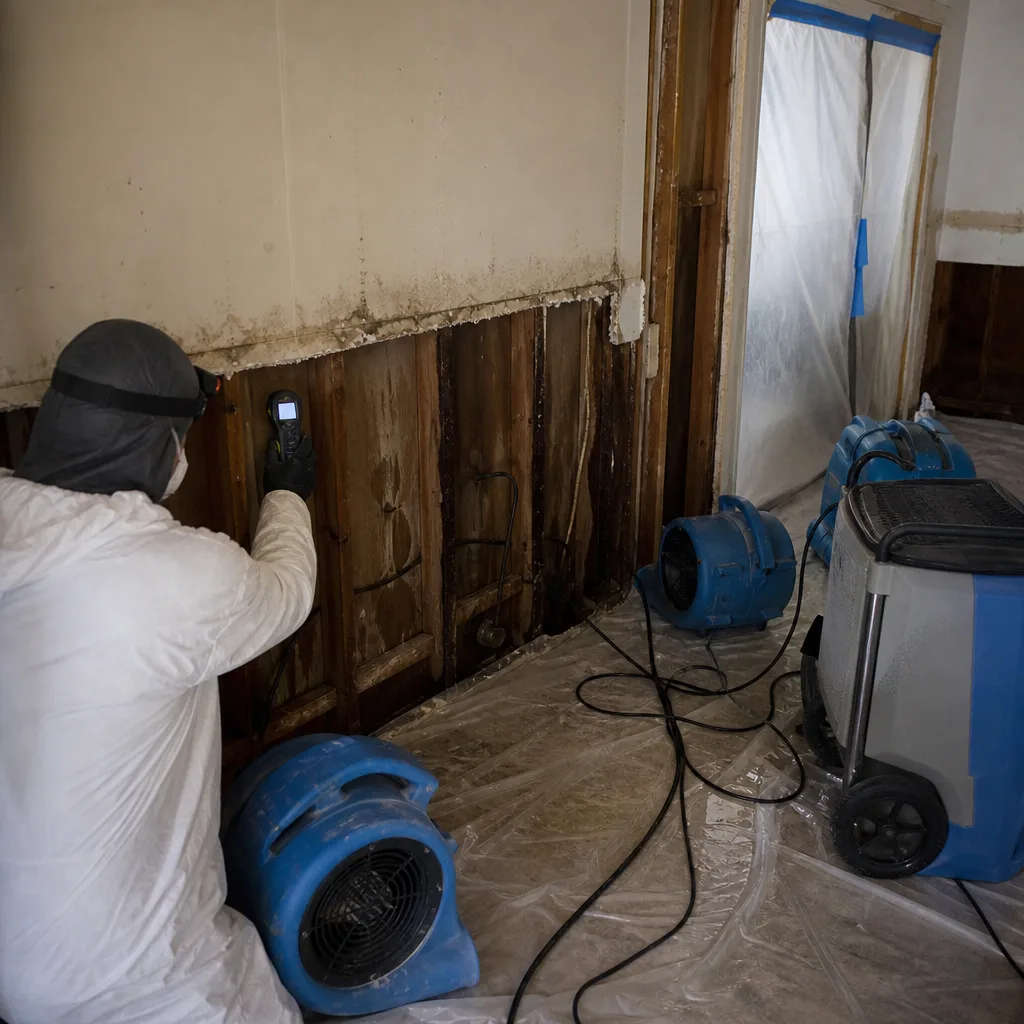 Before
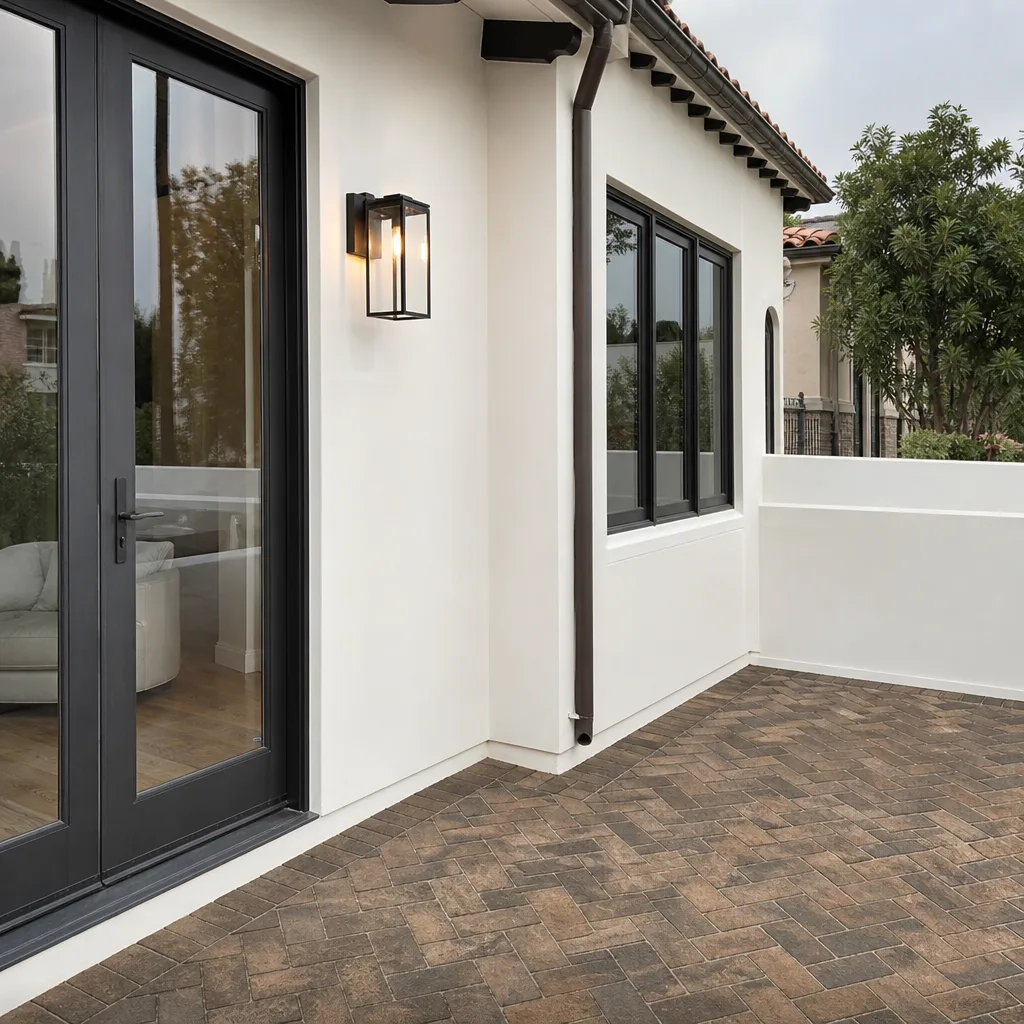 After
After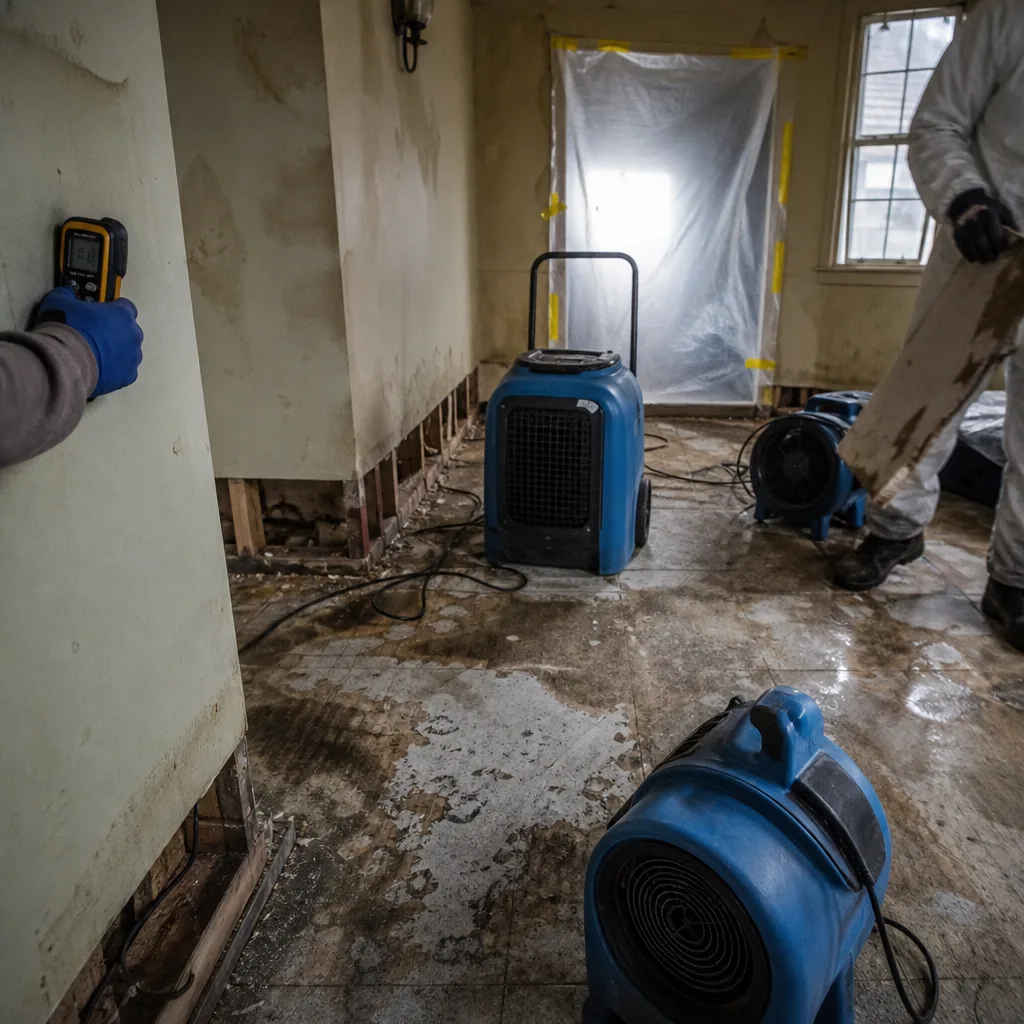 Before
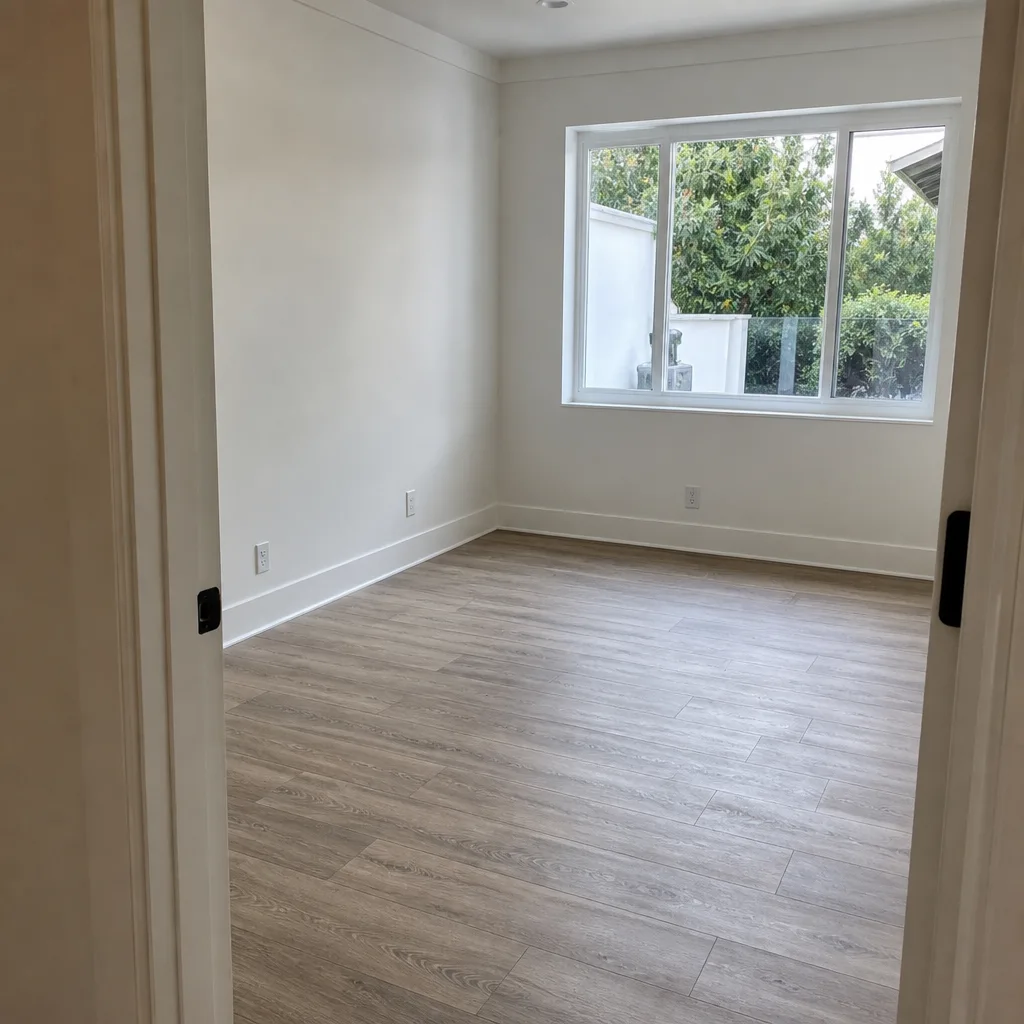 After
After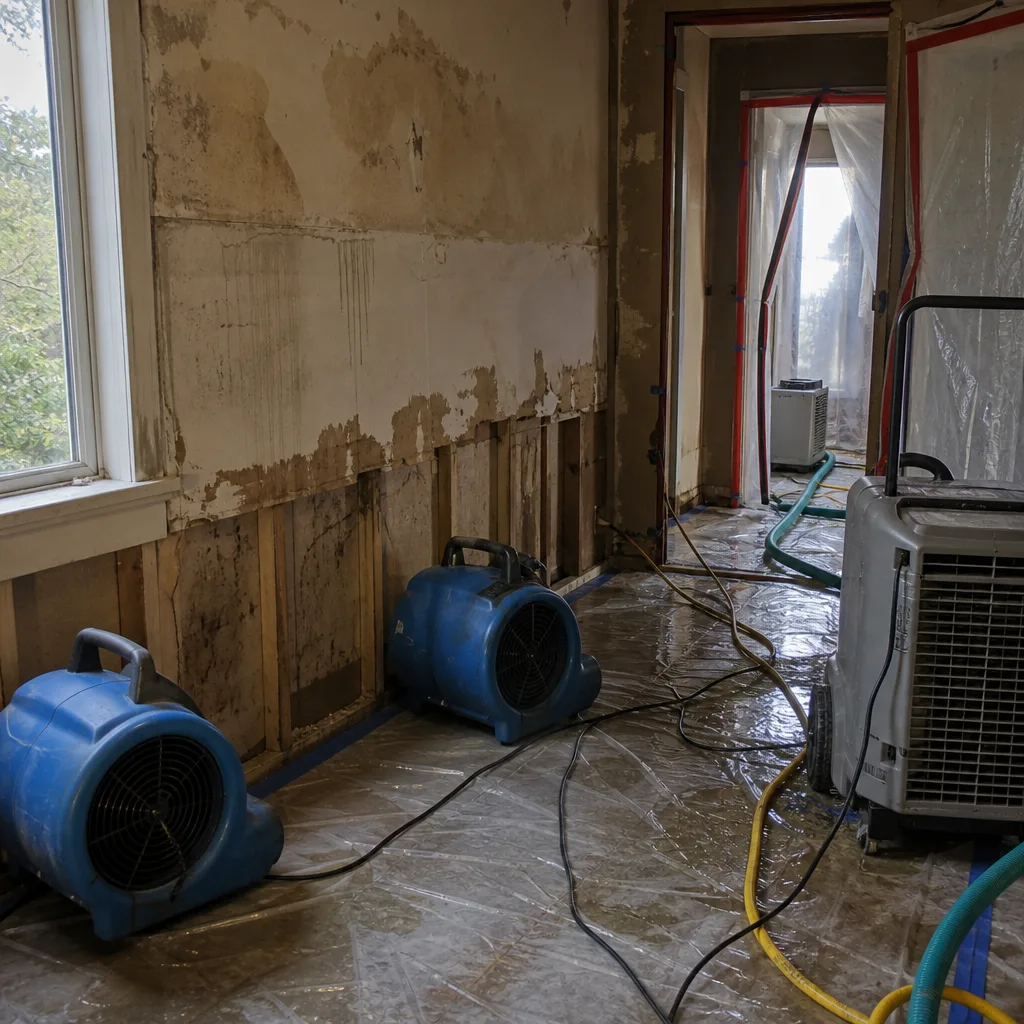 Before
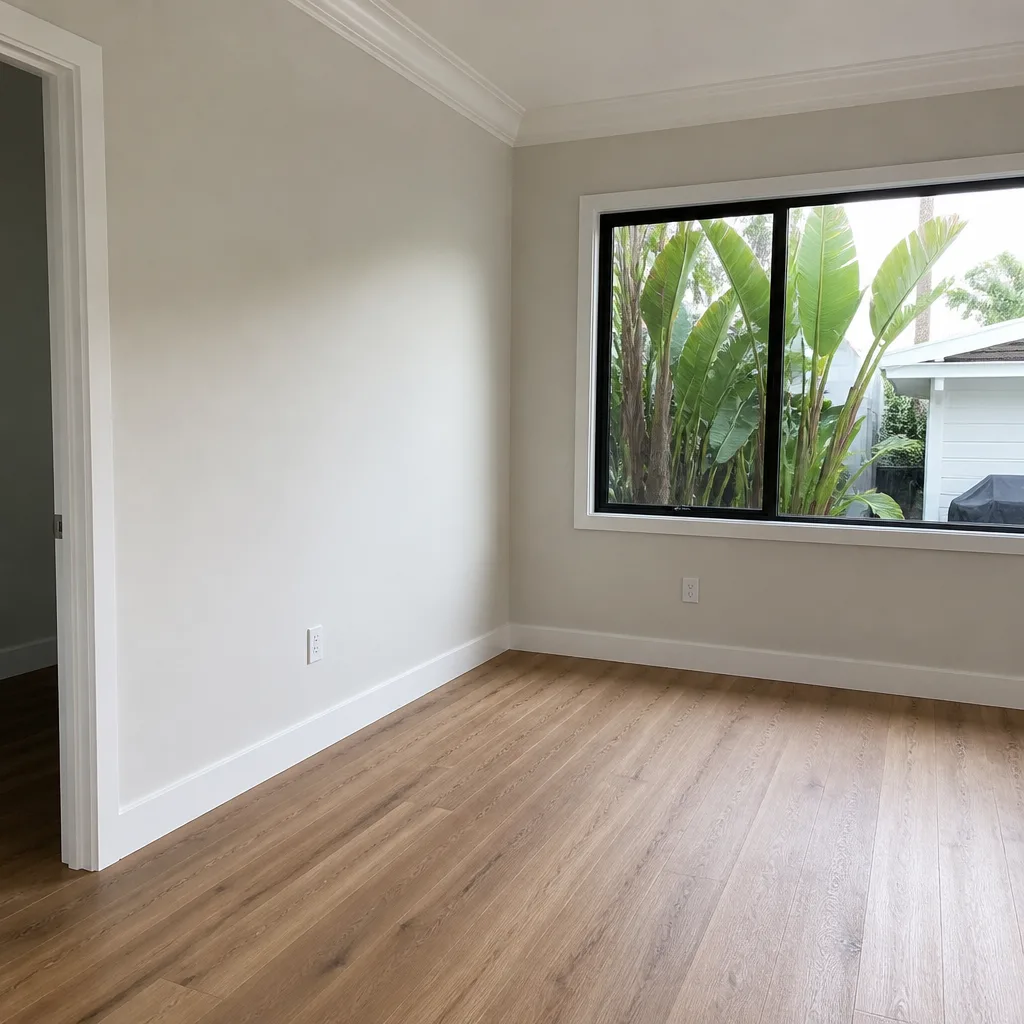 After
AfterHow to Hire a Damage Restoration Contractor in Coronado: A Step-by-Step Guide
A contractor can be fully licensed, bonded, and IICRC-certified and still hand you a restoration job that an insurer rejects. Certification governs technique, not paperwork, and it’s the paperwork that pays claims. In Coronado, where median home values sit well above the San Diego metro average and many properties carry historic designations or coastal construction requirements, a rejected claim doesn’t just mean out-of-pocket repair costs. It can mean months of permit delays, secondary damage from incomplete drying, and a property that won’t pass inspection for resale. This guide - alongside our complete guide to damage restoration in Coronado - gives you the exact documentation requests, contract red flags, and interview questions that separate contractors who finish the job from contractors who finish the paperwork.
Quick Answer
To hire a damage restoration contractor in Coronado, verify state licensing through the CSLB, request five specific documents before signing any authorization form, and demand measurable drying benchmarks with target moisture content numbers in the written scope. Our water damage restoration maintenance checklist for Coronado homeowners covers what to verify at each stage. The lowest bid frequently generates the highest out-of-pocket cost after insurance settlement, especially in Coronado’s coastal climate where salt air extends drying times and hidden moisture behind lath-and-plaster walls is common in pre-1970s homes.
Table of Contents
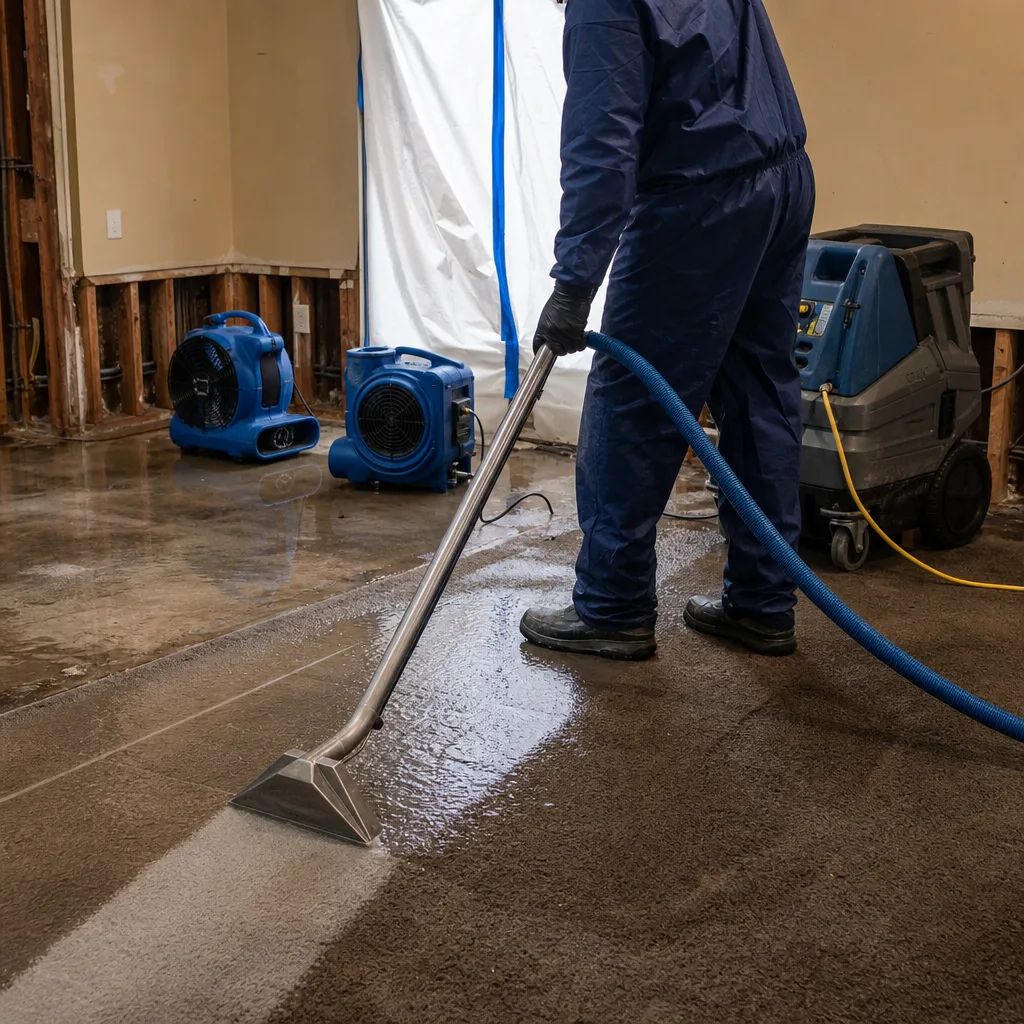
- Why Licensing Is the Floor, Not the Ceiling
- The Five Documents to Request Before You Sign Anything
- How to Read a Drying Plan for Measurable Benchmarks
- Insurance Contract Traps: Assignment of Benefits and Hidden Clauses
- Why the Lowest Bid in Coronado Often Costs the Most
- The Contractor Interview Script: Score Before You Hire
- Coronado-Specific Factors: Climate, Codes, and Construction Types
- Common Mistakes to Avoid
- When to Call a Professional
- Frequently Asked Questions
- The Bottom Line
 Before
 After
AfterWhy Licensing Is the Floor, Not the Ceiling
Every guide starts here: check the CSLB license, verify bonding, confirm insurance. Do it. It’s necessary and it’s not enough.
California requires a C-61/D-64 (Limited Specialty) or B-General contractor license for water damage restoration work that involves structural repair. Mold remediation requires no separate state contractor license unless reconstruction exceeds $500, though the Department of Consumer Affairs recommends IICRC WRT (Water Damage Restoration Technician) and AMRT (Applied Microbial Remediation Technician) certification for anyone performing microbial remediation. Fire and smoke restoration typically falls under the B-General classification when structural elements are involved.
Here’s what standard advice misses: a license proves the contractor met minimum requirements at a single point in time. It does not prove they document moisture readings, photograph every phase, or deliver a written scope before work begins. We’ve reviewed claims denied because a licensed, insured contractor used a moisture meter once on day one, never returned to log progress, and left wet insulation behind a Coronado condo’s stucco shell. The homeowner paid $14,000 out of pocket for secondary mold remediation that should have been caught in the initial drying cycle.
Verify these three items on the CSLB website, then move immediately to documentation protocol:
- Active license status - not merely “current” but with no pending disciplinary action
- Workers’ compensation coverage - required if the contractor employs anyone; exemption certificates are common in one-person operations but create liability gaps on larger jobs
- License classification matching the work - a C-36 Plumbing contractor performing full-scale reconstruction is operating outside scope
License verification takes four minutes. The documentation review that follows takes forty. Budget the time.
The Five Documents to Request Before You Sign Anything
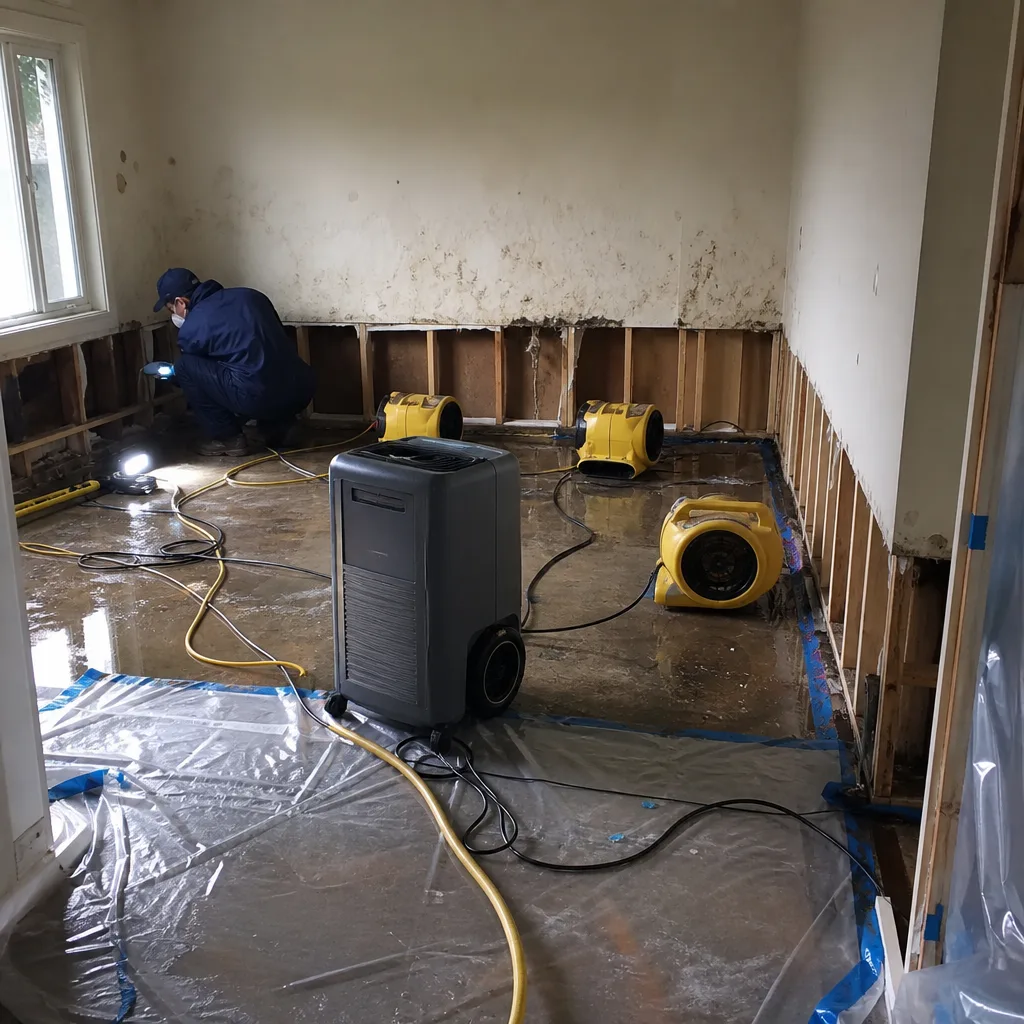
Authorization forms, work authorizations, direction-to-pay agreements - these documents determine who controls your claim and what you can dispute later. Never sign without receiving these five items in writing, reviewed, and understood.
Document 1: Written Scope of Work with Line-Item Pricing
This is Haven Standard, Clause 1: a written price before work begins, every time, with no exceptions. The scope must break out labor, materials, equipment rental, and disposal by room or by trade. “Dry out house: $8,500” is not a scope. “Living room: 12 air mover hours, 3 dehu days, moisture readings daily - $2,400” is a scope.
Ask for the pricing basis: Xactimate, Symbility, or internal rate sheet? Xactimate is the insurance industry standard and reduces disputes during adjuster review. Internal rate sheets are acceptable if you can cross-reference against published regional averages.
Document 2: Daily Drying Log Format Sample
Request a blank or redacted sample from a previous job. The log should show:
- Date and time of each visit
- Room-by-room moisture content readings in wood, drywall, and concrete (measured in percentage or GPP - grains per pound)
- Equipment deployed: model numbers, serial numbers, placement map
- Psychrometric data: temperature, relative humidity, dew point, vapor pressure differential (the force that actually moves moisture from wet materials into dry air)
- Technician signature and license number
Without daily logs, you have no evidence that drying progressed according to plan. Insurers reject invoices supported by “we checked it and it was fine.”
Document 3: Photo Documentation Protocol
Ask how many photos per visit, what they capture, and how you receive them. Our standard is a minimum of twelve images per visit: wide shots establishing room context, close-ups of moisture meter readings with visible display, equipment placement, and any changes in condition. Photos should be delivered in a shared folder or report format with timestamps, not texted from a personal phone.
Document 4: Certificate of Insurance with Named Additional Insured
Request a certificate naming you or your property as additional insured for the project duration. This is standard on commercial jobs; residential contractors often resist it. Push back. The certificate should show general liability, pollution liability (critical for mold and sewage), and workers’ compensation. Verify directly with the insurance broker - fake certificates circulate in this industry.
Document 5: Signed Warranty or Guarantee with Specific Terms
Verbal assurances are unenforceable. The warranty should state duration, what triggers it, response time for warranty claims, and whether it covers materials, labor, or both. Our 365-Day Done Right Promise, backed by The Haven Standard, specifies that any recurrence of the original damage mechanism within twelve months - new moisture intrusion from the same source, mold regrowth in treated areas, smoke odor return - is corrected at no charge with a written scope before any rework begins.
If a contractor cannot produce samples of all five documents, or produces them with blanks, “TBD,” or “to be determined” in pricing sections, that is your disqualification signal. Move on.
How to Read a Drying Plan for Measurable Benchmarks
A drying plan without numbers is a hope, not a plan. Here’s how to distinguish professional documentation from placeholder language.
Red flag phrases: “dry to industry standards,” “until moisture is gone,” “typically 3-5 days.” These are unmeasurable and unverifiable.
Required elements:
- Baseline moisture content - Documented for every affected material on day one. Drywall at 18% MC, oak flooring at 22%, concrete slab at 85% RH (relative humidity) - these are starting points, not guesses.
- Dry standard or target moisture content - The equilibrium moisture content (EMC) for the geographic region and material type. In Coronado’s coastal climate, with average relative humidity of 65-75%, wood EMC typically runs 11-13%. A contractor targeting 8% in July is either unfamiliar with local conditions or planning unnecessary equipment days.
- Equipment specification with CFM and pint/day ratings - “Three dehumidifiers” tells you nothing. “Phoenix R200 LGR, 135 pints/day at AHAM conditions, one per 400 square feet of affected space” tells you the plan was calculated, not guessed.
- Psychrometric target - The specific grains per pound (GPP) or vapor pressure differential the technician will maintain to force moisture migration. Target GPP of 30-35 below ambient, maintained for 24-48 hours, is a typical benchmark for Class 2 water losses.
- Inspection schedule - Daily for the first 72 hours, then every 48 hours until dry standard is documented for two consecutive readings.
- Tertiary drying phase - The final stage where air movers are removed and dehumidifiers alone maintain equilibrium. Skipping this phase causes rebound moisture in Coronado’s humid summer months.
Ask the contractor to explain their plan in these terms. If they cannot define GPP, vapor pressure differential, or tertiary drying, they may be certified in name but not in practice. Certification without comprehension produces the documentation gaps that sink claims.
Insurance Contract Traps: Assignment of Benefits and Hidden Clauses
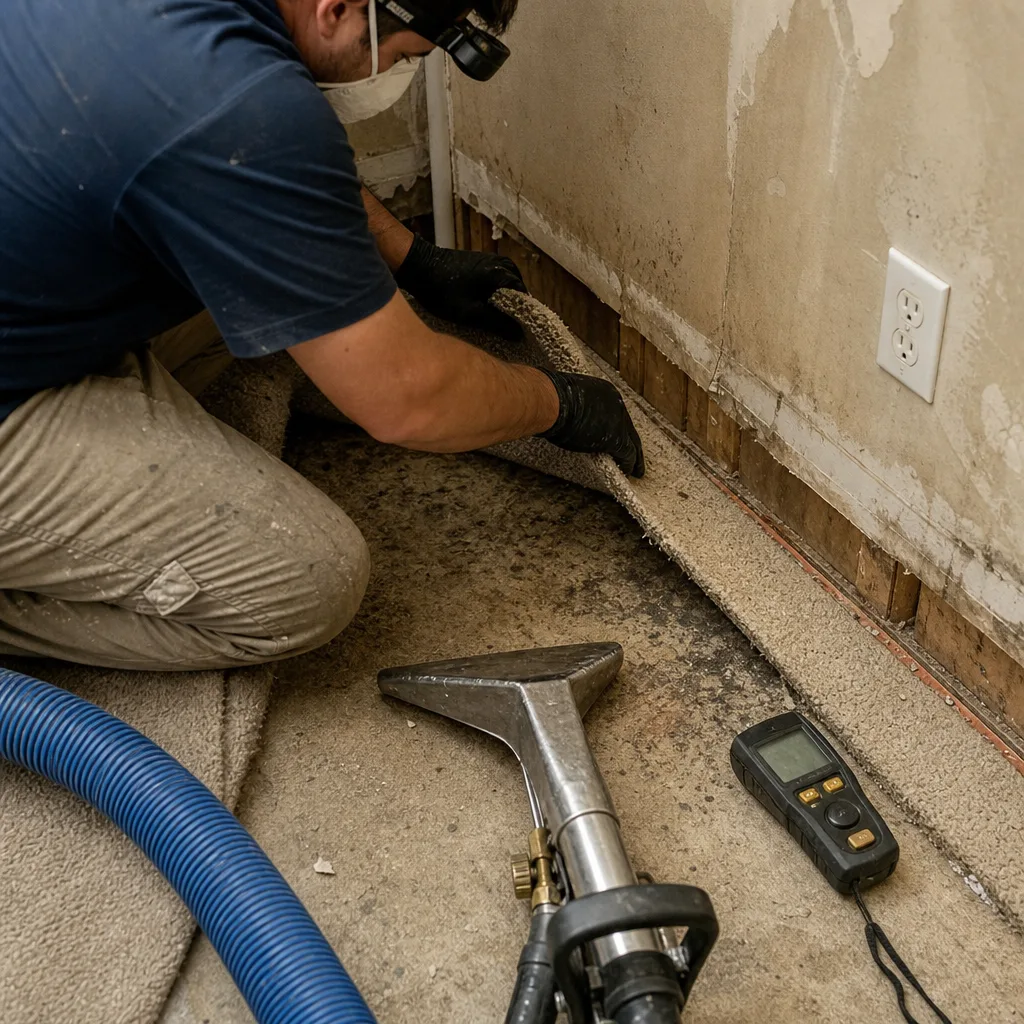
Restoration contracts frequently contain assignment of benefits (AOB) language that transfers your claim rights to the contractor. In California, AOB agreements are permitted but heavily regulated under Insurance Code Section 758.5, which requires 14 specific disclosures and a 7-day rescission right. Most homeowners never read the full clause.
What AOB language looks like:
“Homeowner hereby assigns all insurance proceeds, rights, and claims to [Contractor Name] and authorizes direct payment from insurer.”
Why it matters: Once assigned, the contractor negotiates directly with your adjuster, settles the claim on your behalf, and you lose the right to dispute scope or pricing. If the contractor overbills or underperforms, you have no leverage. The insurer pays the contractor and closes your claim. Any shortfall becomes your debt.
What to demand instead:
- A direction-to-pay agreement that names you as payee, with contractor as co-payee only after your written approval of final invoice
- Your signature required on any supplement or change order before submission to insurer
- Explicit retention of your right to dispute any portion of the claim
Some Coronado contractors embed AOB language in “work authorization” or “emergency service agreements” presented for signature at 2 AM while water is still spreading. Read before you sign, even under pressure. A legitimate contractor will wait five minutes for you to scan the document. One who pressures immediate signature without review is communicating their priority.
Photo documentation and direct adjuster coordination should be services the contractor provides to you, not mechanisms to bypass your oversight. We document every visit and coordinate directly with adjusters - with the homeowner copied on every communication, every photo, every log entry.
Why the Lowest Bid in Coronado Often Costs the Most
Coronado’s construction market has specific cost drivers that low bids systematically underestimate: salt-air corrosion accelerating equipment degradation, historic preservation review for pre-1975 structures, raised foundation access limitations in the Cays, and the prevalence of lath-and-plaster walls that trap moisture longer than modern drywall systems.
A bid that underprices these factors produces one of three outcomes:
- Scope creep after authorization - The “discovered” moisture behind plaster, the “unexpected” equipment days, the “additional” HEPA filtration. Each addition requires your signature under pressure, with work already in progress.
- Incomplete drying with deferred consequences - Mold colonization in wall cavities, compromised structural fasteners, or odor issues that surface months later when the contractor’s warranty has expired or was never written.
- Claim rejection due to insufficient documentation - The lowest bidder rarely budgets for daily moisture logs, photo records, and adjuster coordination. Without these, the insurer denies portions of the claim and the homeowner absorbs the gap.
In our experience across 12,000+ homes since 2011, the bid gap between thorough documentation and minimal documentation runs 15-25% on the front end. The back-end cost of claim rejection, secondary damage, and out-of-pocket reconstruction typically runs 40-80% above the original low bid.
Haven Standard, Clause 1 exists precisely to end this dynamic: a written price before work begins, with all known factors included, and no additions without your prior written approval. If a contractor cannot commit to this in writing, their low price is a financing plan, not a quote.
The Contractor Interview Script: Score Before You Hire
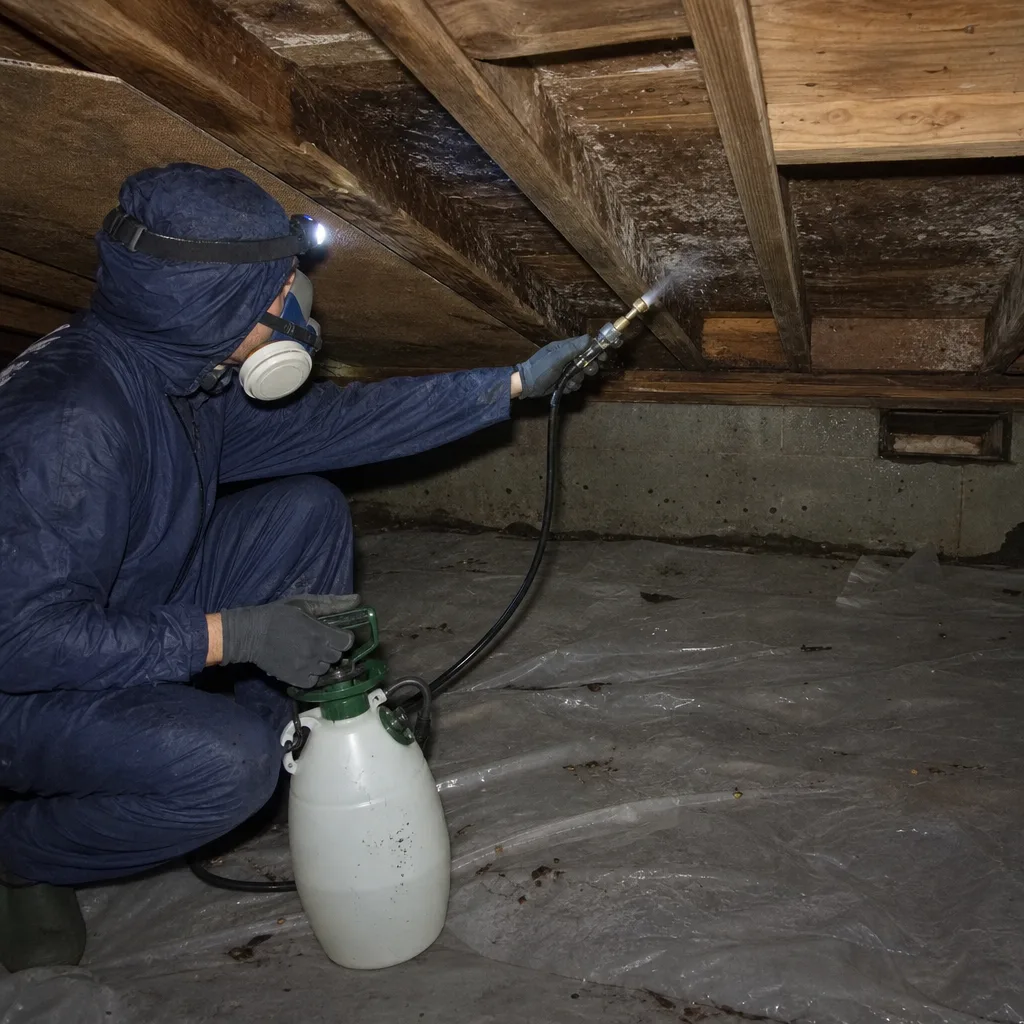
Use this script on the phone or in person. Score each answer 0-2 points. A contractor scoring below 8 of 12 points is disqualified.
| Question | What You’re Listening For | Score |
|---|---|---|
| 1. “Will you provide a written scope with line-item pricing before any work begins?” | Immediate yes, with reference to their standard practice. Hesitation, “after we assess,” or “most of the time” = red flag. | 0 / 1 / 2 |
| 2. “What is your daily drying log format, and can I see a sample?” | Specific mention of moisture content readings, equipment serial numbers, psychrometric data. Offer to email sample within the hour. | 0 / 1 / 2 |
| 3. “What target moisture content or GPP will you use for [specific material in your home]?” | Immediate number with regional adjustment for Coronado’s coastal humidity. “Industry standard” or “dry to touch” = 0 points. | 0 / 1 / 2 |
| 4. “How do you document each visit, and how do I receive those records?” | Photo count per visit, timestamping method, delivery format (shared folder, app, email). “We take pictures” without specifics = 1 point. | 0 / 1 / 2 |
| 5. “What is your warranty in writing, and what triggers it?” | Duration, specific coverage, written format. Verbal assurance or “we stand behind our work” = 0 points. | 0 / 1 / 2 |
| 6. “Will you add me as additional insured on your certificate?” | Willingness to request from broker, timeline for delivery. Refusal without explanation = 0 points. | 0 / 1 / 2 |
Ask these questions in sequence, without prompting. A contractor who interrupts to ask “is this an insurance job?” before answering question one is telegraphing their business model: insurance-driven volume, not documentation-driven outcomes.
Our technicians arrive with license numbers visible, background-check documentation available on request, and the five documents ready for review before any equipment enters your property. The interview starts when we arrive, not when you call.
Coronado-Specific Factors: Climate, Codes, and Construction Types
Coronado’s island geography creates restoration conditions that inland San Diego contractors rarely encounter. These factors should appear in any competent contractor’s assessment and pricing.
Salt-air corrosion and equipment lifespan: Dehumidifiers and air movers operate in corrosive conditions that accelerate coil degradation and electrical component failure. Contractors using consumer-grade equipment or failing to maintain professional-grade units show higher failure rates during multi-day dries. We deploy Dri-Eaz and Phoenix LGR units with coated coils specifically for coastal environments, and log maintenance intervals by serial number.
Historic preservation and the Coronado Historic Resource Commission: Properties in the Coronado Historic District or designated as individual historic resources require CHRC review for exterior alterations, window replacement, and certain structural repairs. A contractor unfamiliar with this process can trigger stop-work orders and permit delays. Ask specifically: “Have you worked with CHRC on a water or fire damage repair?” The answer should include project specifics, not general assurances.
Lath-and-plaster construction in pre-1970s homes: Common in the Coronado Village area, these walls retain moisture differently than drywall. Plaster is hygroscopic and releases moisture slowly; lath channels can distribute water horizontally across wall cavities. Standard drying protocols designed for drywall fail here. Target drying times run 30-50% longer, and moisture mapping must include multiple depths within the plaster thickness.
Raised foundations and limited access in the Cays: Waterfront properties with raised foundations often have restricted crawl space access that complicates subfloor drying. Contractors must specify how they will address these areas - supplemental ducting, remote monitoring sensors, or controlled demolition for access - in the written scope.
Coronado’s water table and slab-on-grade properties: In low-lying areas near the Golf Course or Glorietta Bay, groundwater intrusion following heavy rain can complicate water damage classification. A contractor must distinguish between clean water loss (Category 1) and groundwater intrusion (Category 3, requiring different remediation standards) and document this classification in the initial scope.
Common Mistakes to Avoid
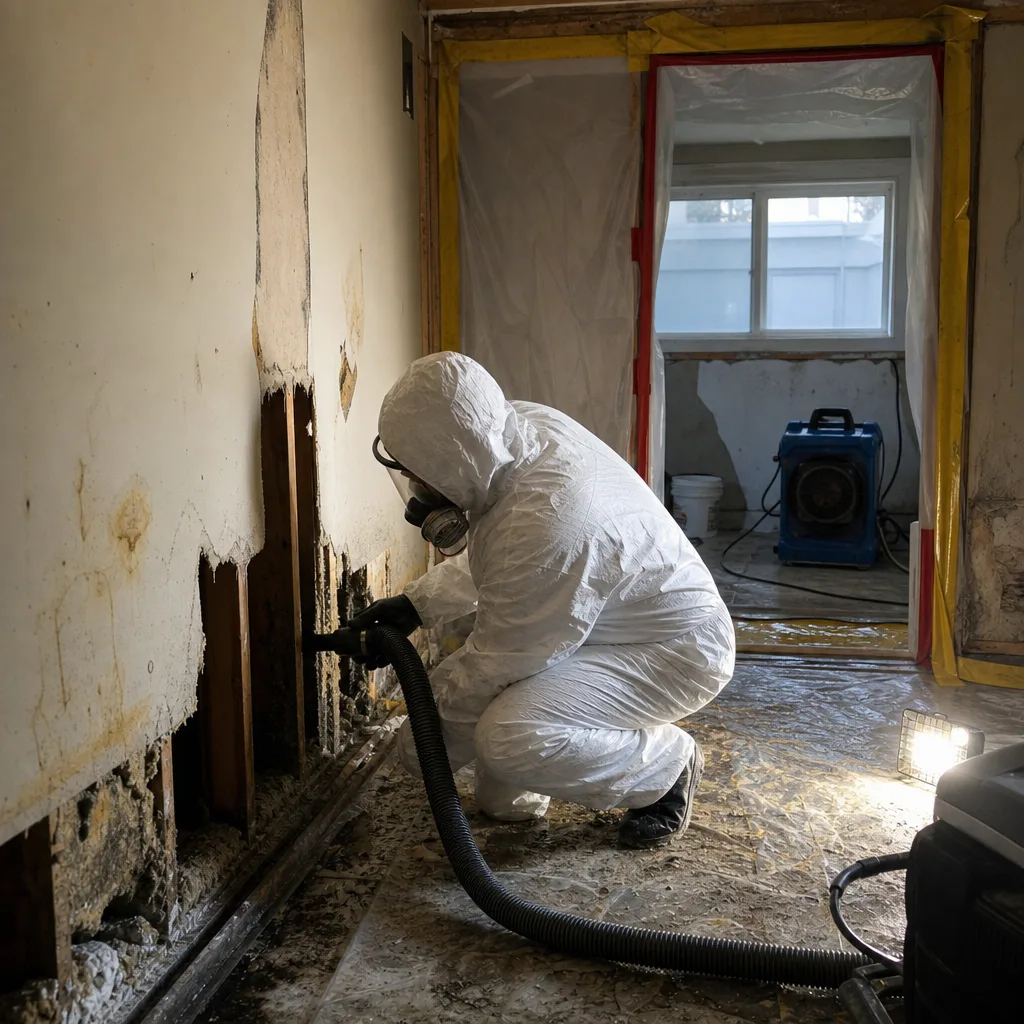
- Signing authorization forms under pressure without document review. Water at 2 AM is urgent; your signature rights are permanent. A legitimate emergency response begins with containment, not paperwork. Read everything.
- Accepting “insurance will cover it” as a pricing strategy. Insurance covers documented, reasonable, and necessary work. Undocumented work is not covered, regardless of what a contractor promises verbally.
- Hiring based on proximity alone. “Local” in Coronado does not automatically mean familiar with CHRC requirements, coastal construction types, or salt-air equipment protocols. Verify specific local experience.
- Neglecting to verify the certificate of insurance directly with the broker. Fake certificates are common enough that direct verification is standard practice in commercial construction. Apply the same standard to your home.
- Comparing bids without comparing scopes. A $6,500 bid against an $8,200 bid is meaningless if the lower scope omits HEPA air scrubbing, daily moisture logs, or tertiary drying. Line-item comparison is the only valid comparison.
- Failing to document pre-existing conditions. Photograph your property before work begins, especially in undamaged adjacent rooms. Disputes over “we caused that” versus “that was already there” are common and costly.
- Ignoring the drying log after day three. Homeowners often assume the job is complete when equipment is removed. Request the final drying log showing two consecutive readings at or below dry standard before authorizing equipment removal.
When to Call a Professional
Call immediately for Category 2 or 3 water damage (gray or black water), any fire or smoke damage, mold growth exceeding 10 square feet, or sewage backup. These scenarios carry health risks and insurance implications that worsen with delay. For Category 1 clean water losses, you have a narrow window - typically 24-48 hours - before microbial growth begins and the loss category escalates.
In Coronado’s humid coastal climate, that window shortens during summer months when ambient humidity slows natural evaporation. A small leak from a failed dishwasher supply line can escalate to a Category 2 loss with visible mold in 36 hours if not properly dried with dehumidification.
DryMark Restoration Coronado offers free estimates in Coronado - call (619) 649-7428. We also provide a Free Second Opinion on any competitor’s written estimate, reviewed against the documentation standards in this guide, at no charge. For more guides & resources, visit our blog.
Frequently Asked Questions
Typical residential water damage restoration in Coronado ranges from $3,200 for limited Class 1 losses affecting a single room with clean water, to $18,000-$34,000 for Class 3 or 4 losses with contaminated water, structural involvement, or historic preservation requirements. Class 2 losses with wall cavity moisture in lath-and-plaster construction, common in Coronado Village homes, typically fall in the $7,500-$14,000 range. These ranges reflect professional-grade drying with daily documentation; bids significantly below may indicate omitted equipment days or undocumented drying phases. Call (619) 649-7428 for an exact quote - estimates are free.
Most standard homeowners policies cover sudden and accidental water damage from burst pipes, appliance failures, or storm intrusion, but exclude gradual leaks, flood damage (requiring separate NFIP coverage), and sewer backup without specific endorsement. Coverage is contingent on documentation: the cause must be established, the damage must be documented with photos and moisture readings, and the restoration scope must be justified as necessary to prevent further damage. Contractors who provide daily drying logs, photo records, and line-item Xactimate pricing significantly reduce claim rejection rates. Call (619) 649-7428 and we can review your policy language and documentation requirements before work begins.
For emergency water damage, legitimate 24/7 operations in the San Diego metro area typically arrive within 60-90 minutes during normal demand periods, and 90-120 minutes during major weather events. Be specific when you call: ask for estimated arrival time to your Coronado neighborhood, not just “we’re on our way.” Demand confirmation by text with technician name and vehicle information. Speed matters for mitigation, but speed without documentation produces the incomplete dries that generate secondary claims six months later.
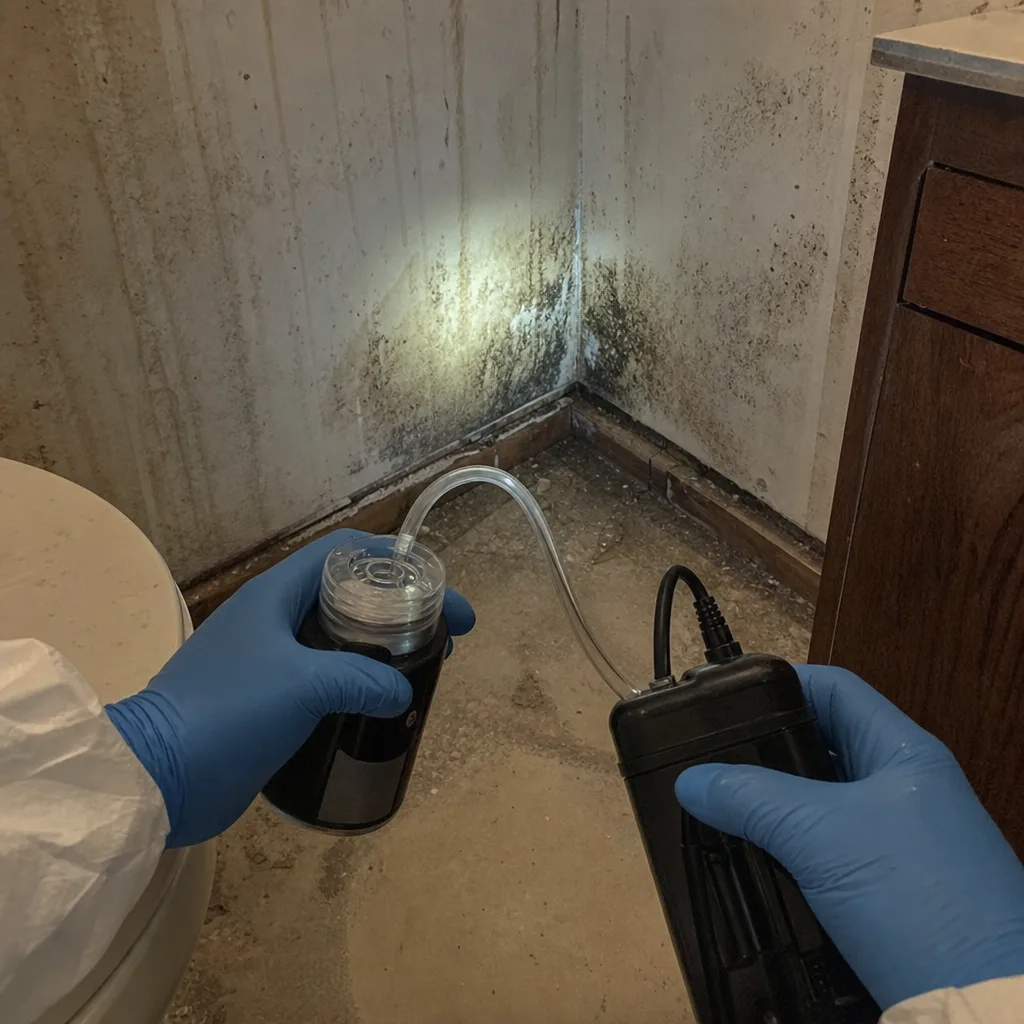
Visible mold growth exceeding 10 square feet, mold resulting from Category 2 or 3 water damage, or mold in HVAC systems requires professional remediation under IICRC S520 standards. Self-cleaning with bleach or consumer products removes visible growth but does not address hyphal fragments in porous materials or airborne spore loads. In Coronado’s humid climate, incomplete remediation typically results in regrowth within 30-60 days. Professional remediation includes containment with negative air pressure, HEPA filtration, antimicrobial application with documented dwell times, and post-remediation verification testing - documentation that supports insurance claims and property disclosure requirements.
An assignment of benefits transfers your insurance claim rights to the contractor, who then negotiates directly with your insurer and receives payment directly. In California, these agreements require 14 specific disclosures and a 7-day rescission right, but most homeowners sign without reading. We do not require AOB for any work. We document the loss, provide you with complete records, and you retain full control of your claim. If a contractor insists AOB is “standard” or “required for emergency service,” that is your signal to seek alternatives.
Request the daily drying log and verify that moisture content readings are declining toward the documented dry standard. Ask specifically: “What was the day-one reading, what is today’s reading, and what is the target?” Numbers should improve within 24 hours of equipment deployment. If readings plateau or rise, the equipment specification is inadequate or the moisture source is still active. In Coronado’s coastal environment, expect drying to take 30-50% longer than inland estimates for similar losses. A contractor who cannot explain why readings move or stall does not understand their own equipment.
The Bottom Line
Hiring a damage restoration contractor in Coronado is not a review-counting exercise. The contractors who finish jobs properly are distinguished by documentation discipline: written scopes with line-item pricing, daily drying logs with measurable benchmarks, photo records on every visit, and warranties with specific terms. Ask for these documents before you sign. Read contracts for assignment-of-benefits language. Compare bids line by line, not headline to headline. And recognize that in Coronado’s specific climate and construction environment, the lowest upfront price frequently carries the highest hidden cost.
The screening process takes an hour. The consequences of skipping it can take a year to unfold.
DryMark Restoration Coronado provides water damage restoration in Coronado, mold remediation in Coronado, and fire & smoke damage restoration in Coronado under The Haven Standard. Every job begins with a written price, proceeds with documented daily logs, and concludes with a photo record and signed 365-Day Done Right Promise. Call (619) 649-7428 for a free estimate or a Free Second Opinion on any competitor’s written quote.
Written by Alicia Brennan, Owner at DryMark Restoration Coronado, serving Coronado since 2011.