
Last updated September 23, 2026
Free visual inspection and a written scope of work before any mitigation begins - photos, moisture readings, and drying logs go in your claim file
The scope we write is the scope we bill. Anything new gets shown to you, in writing, before we touch it.
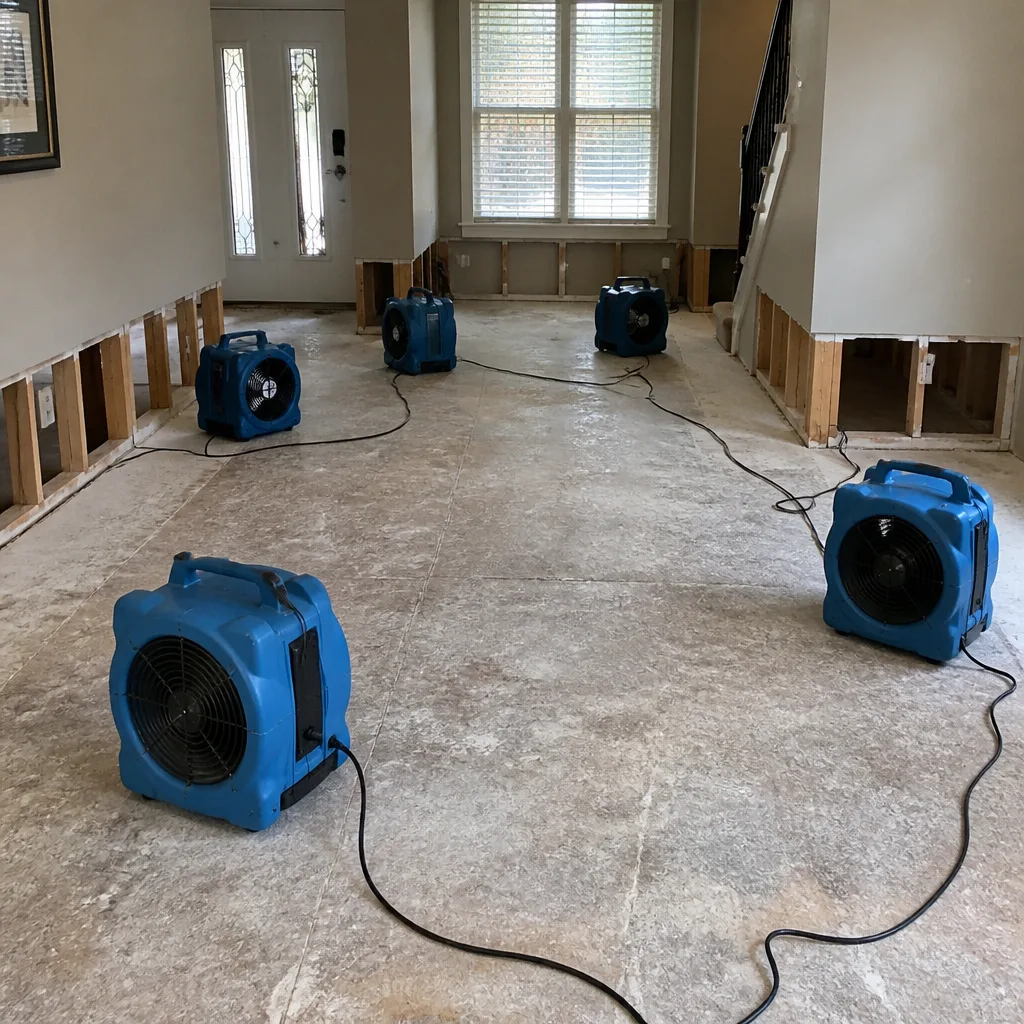
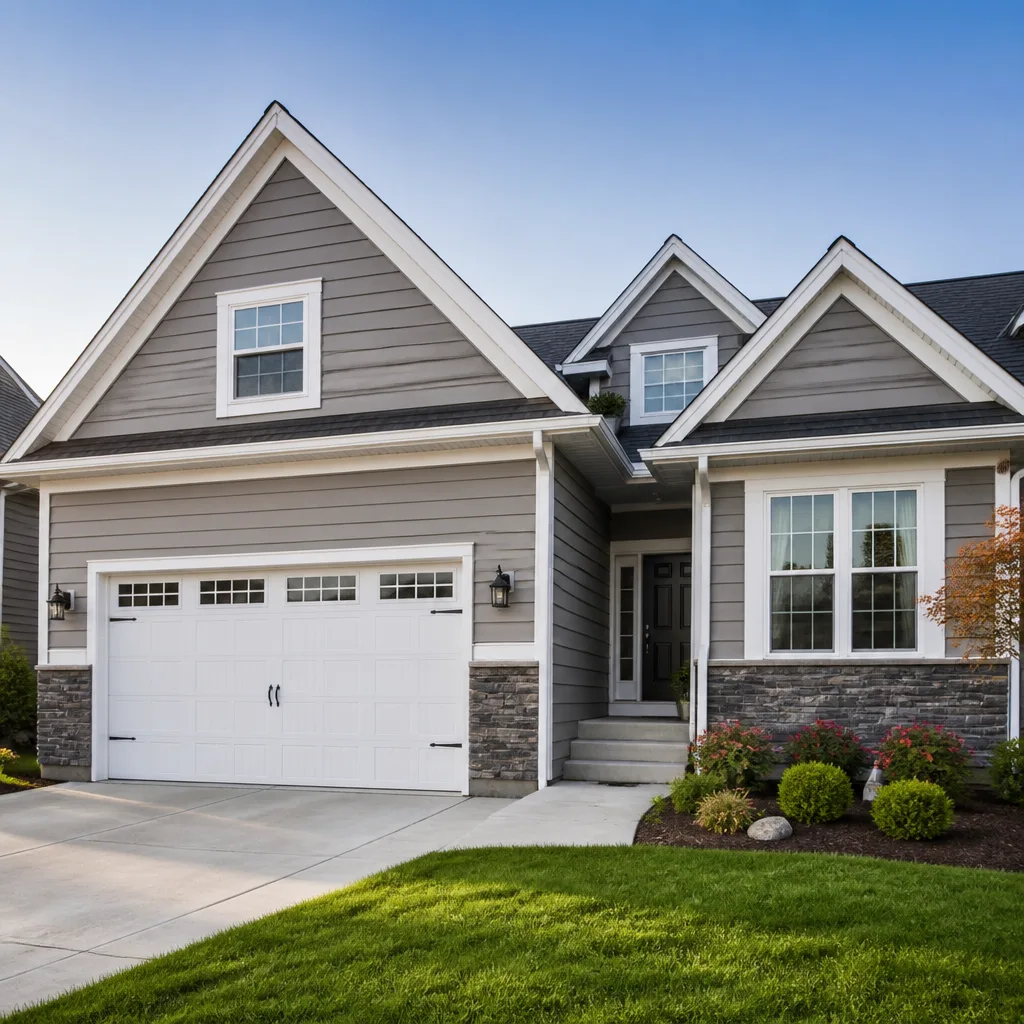
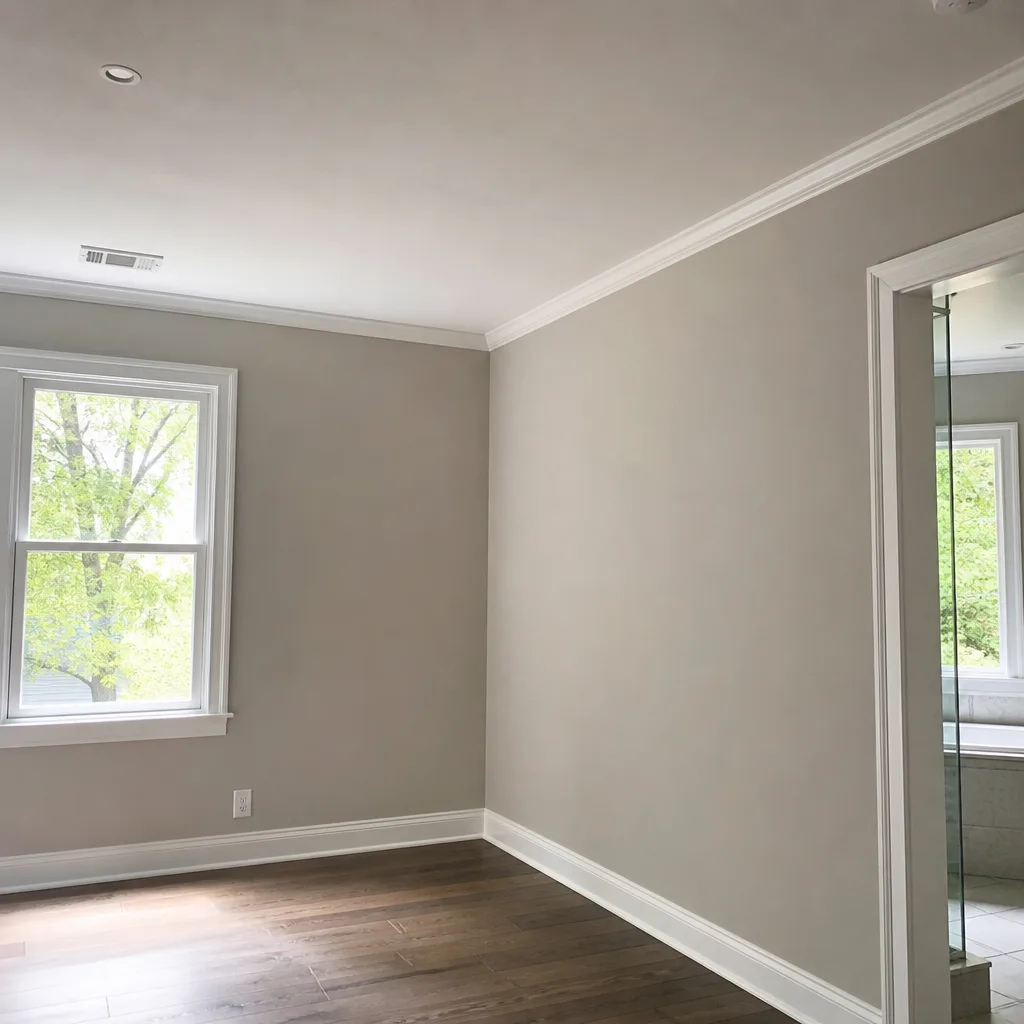
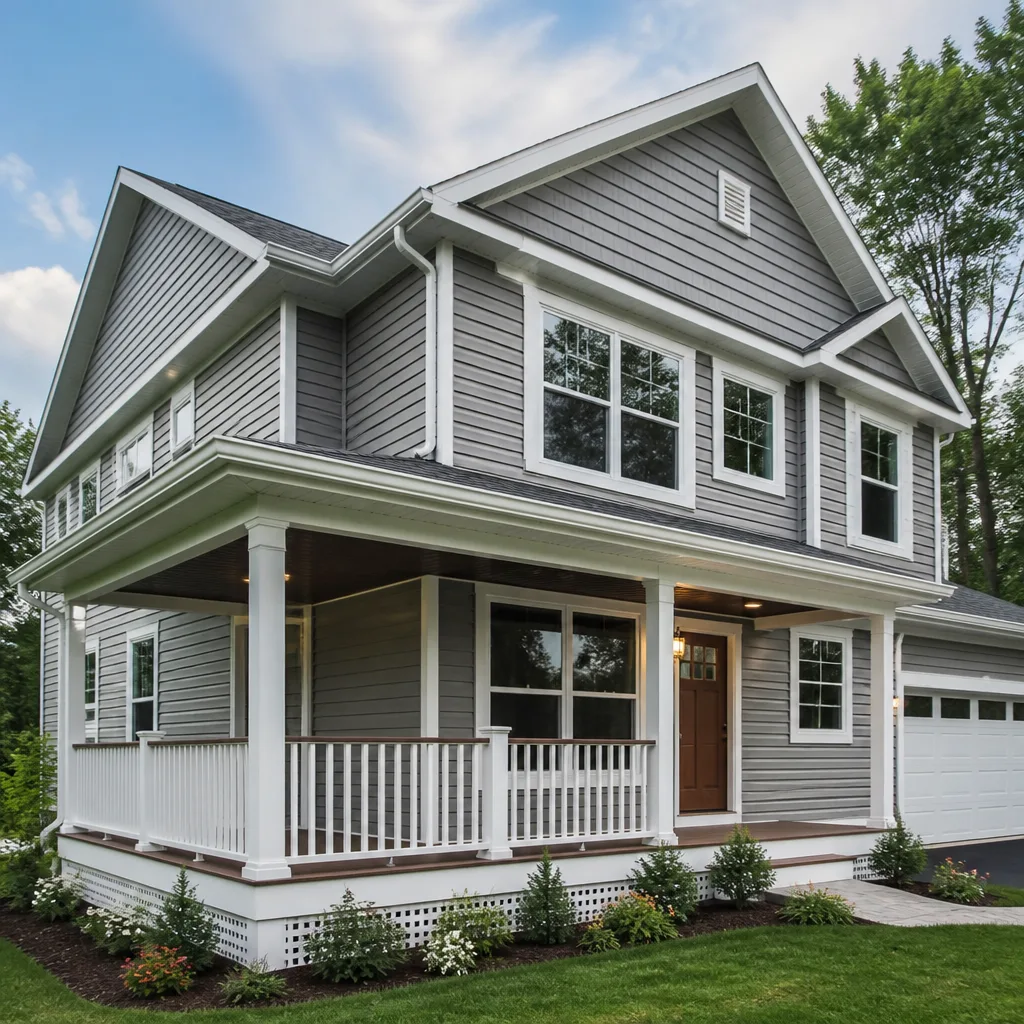
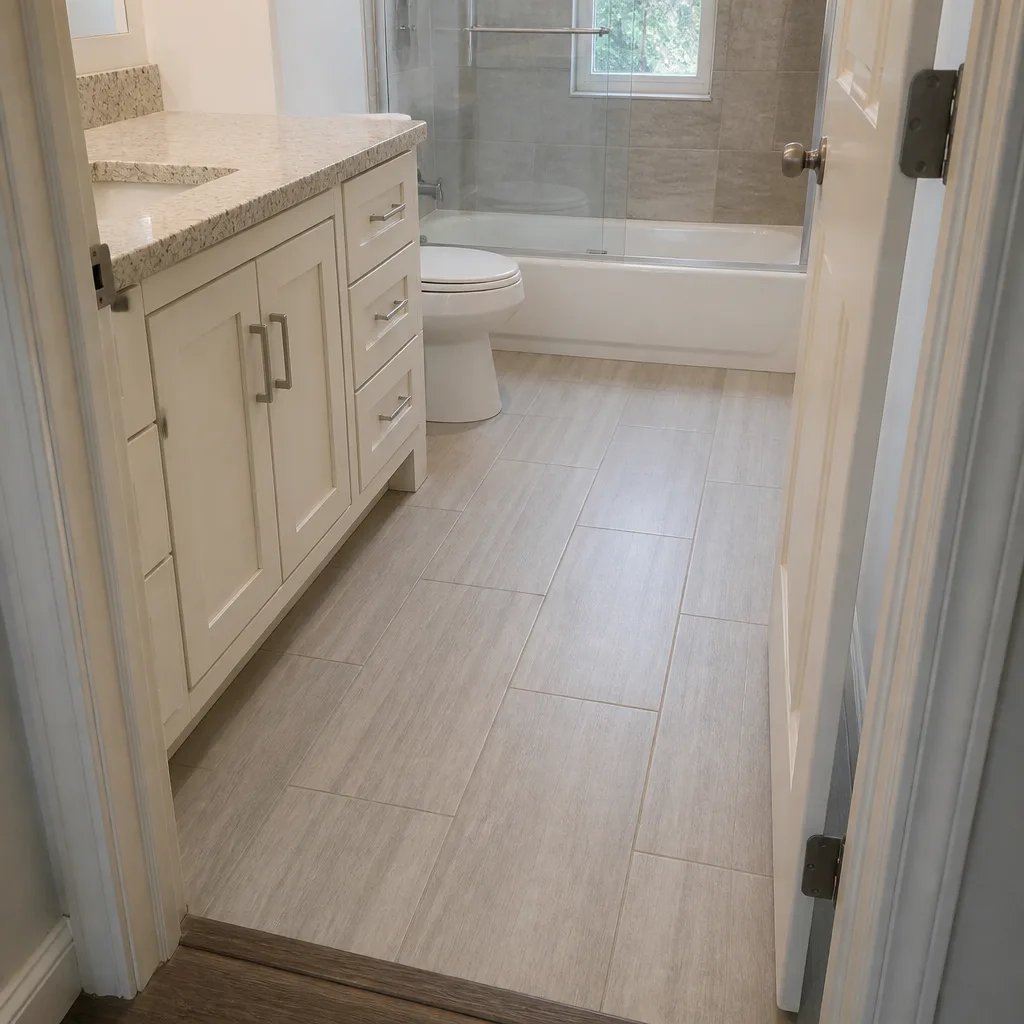
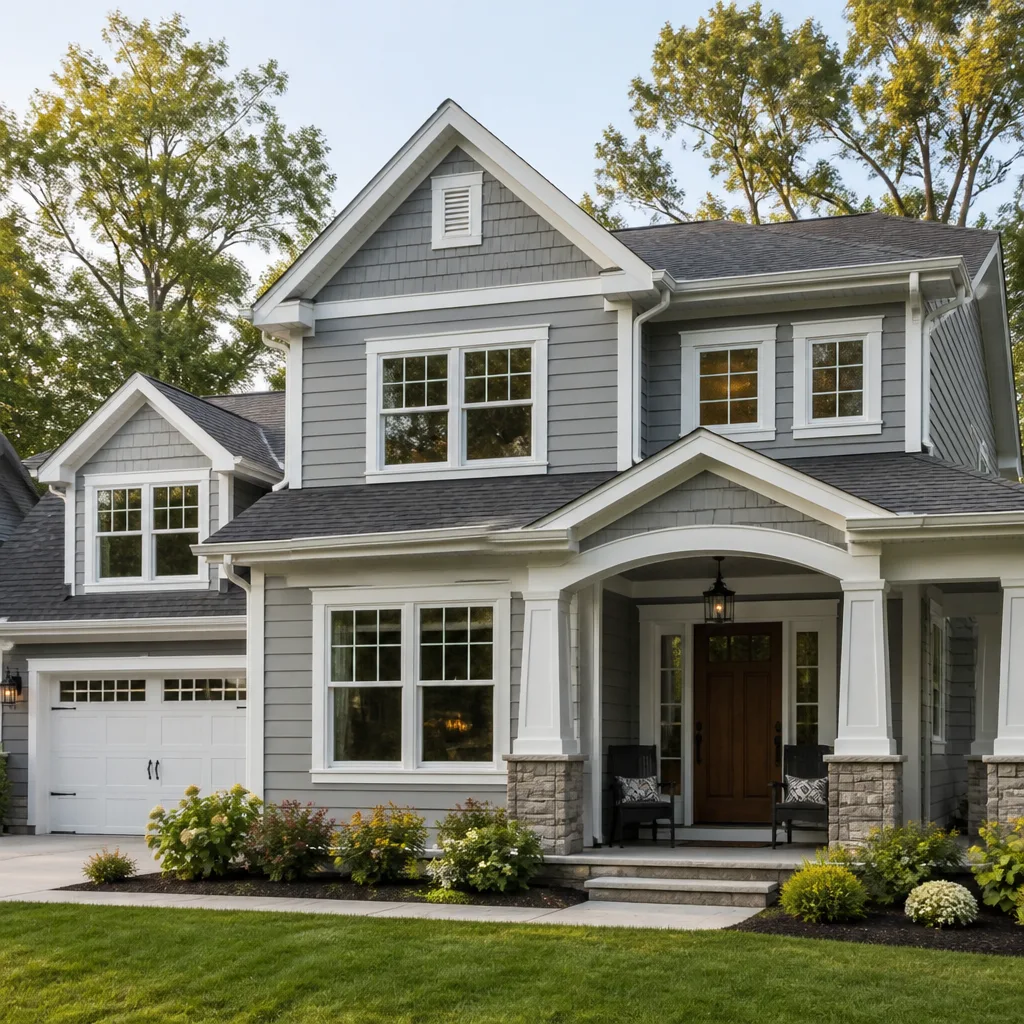
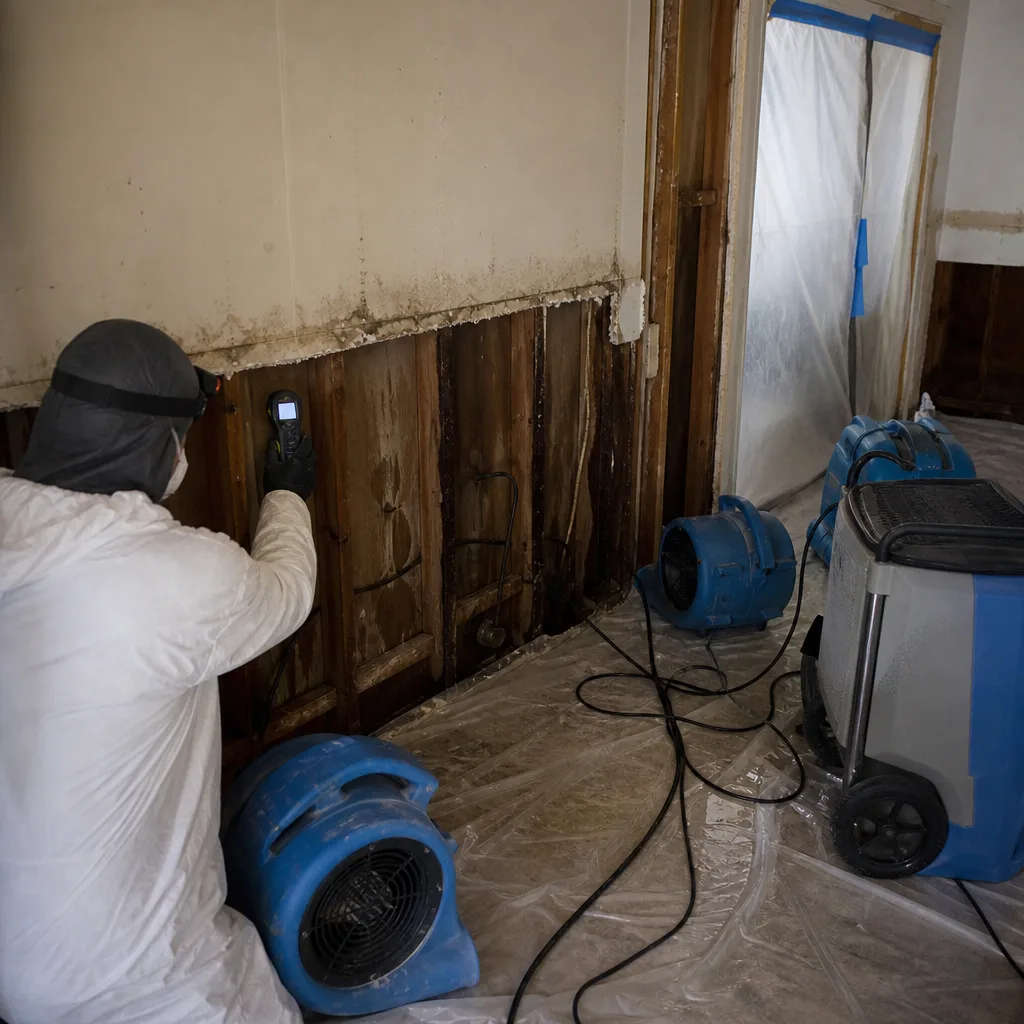 Before
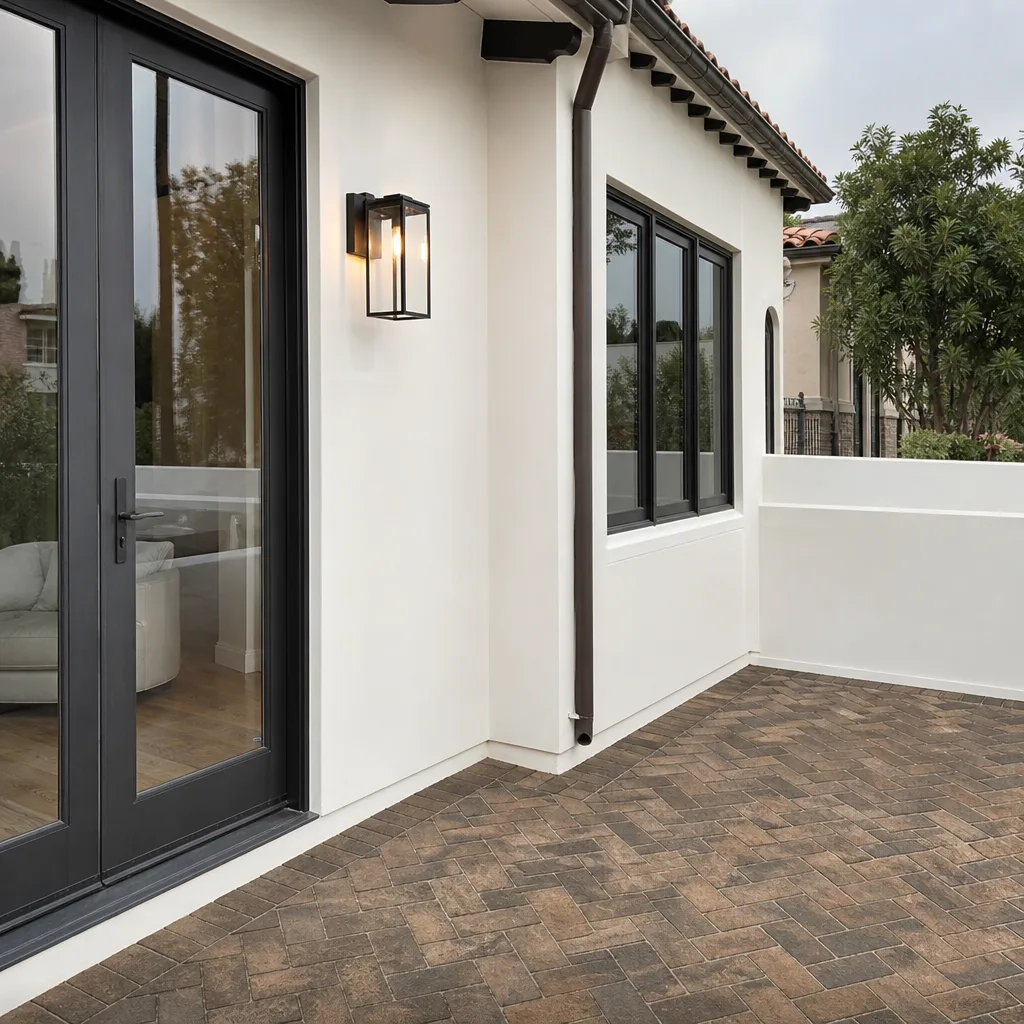 After
After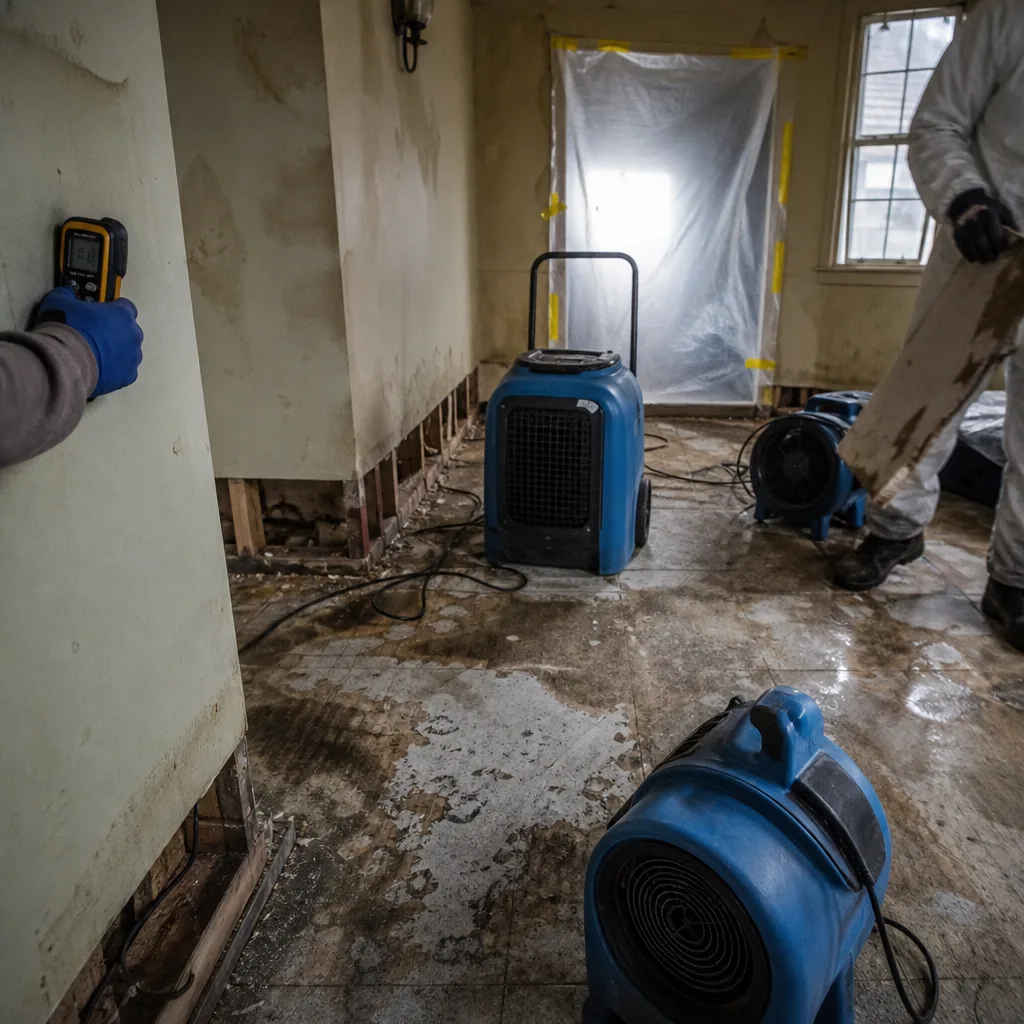 Before
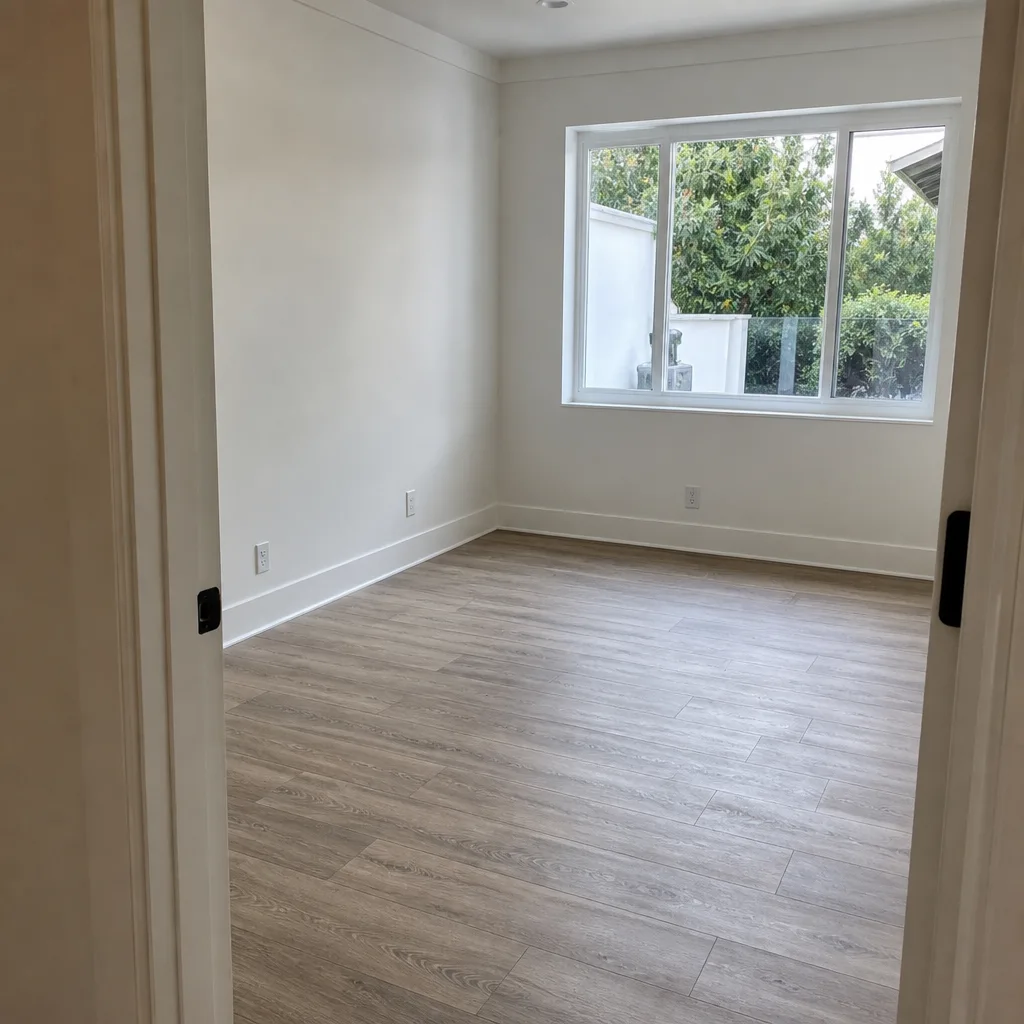 After
After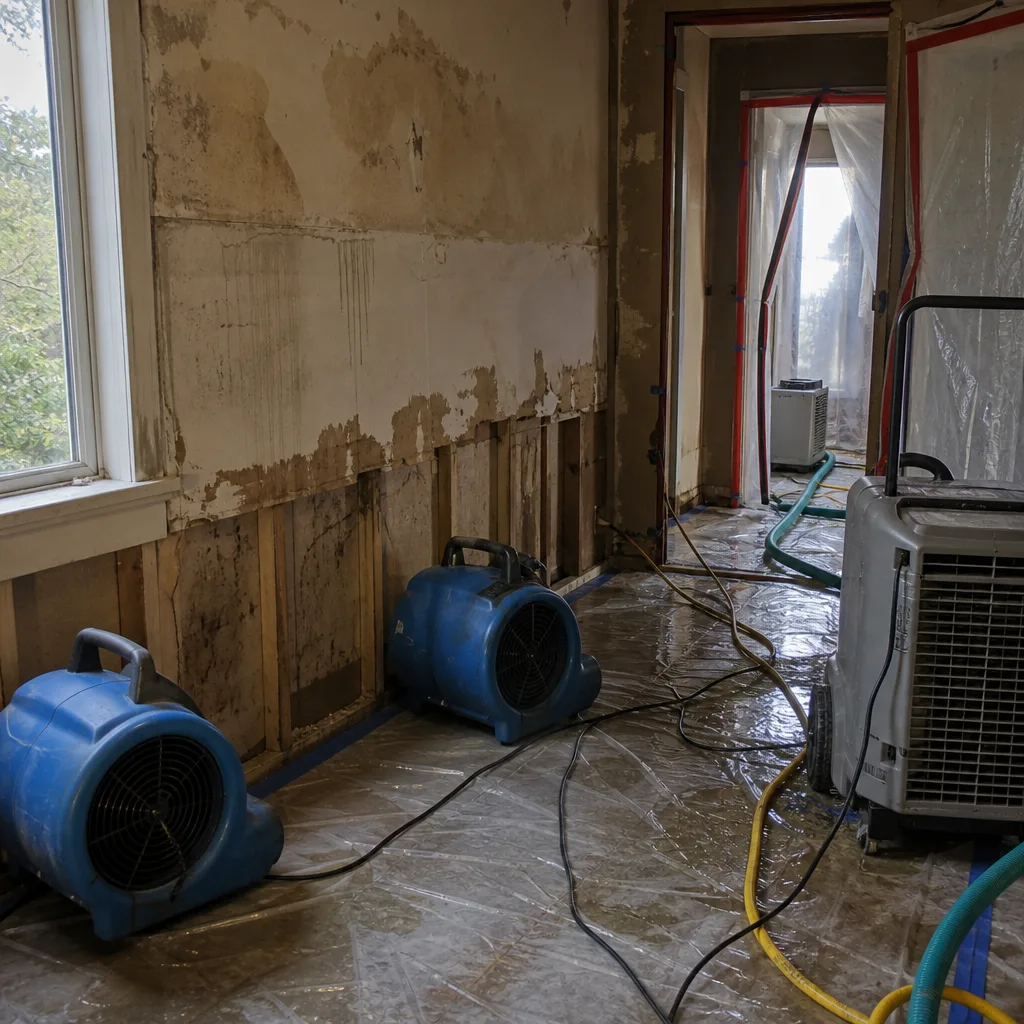 Before
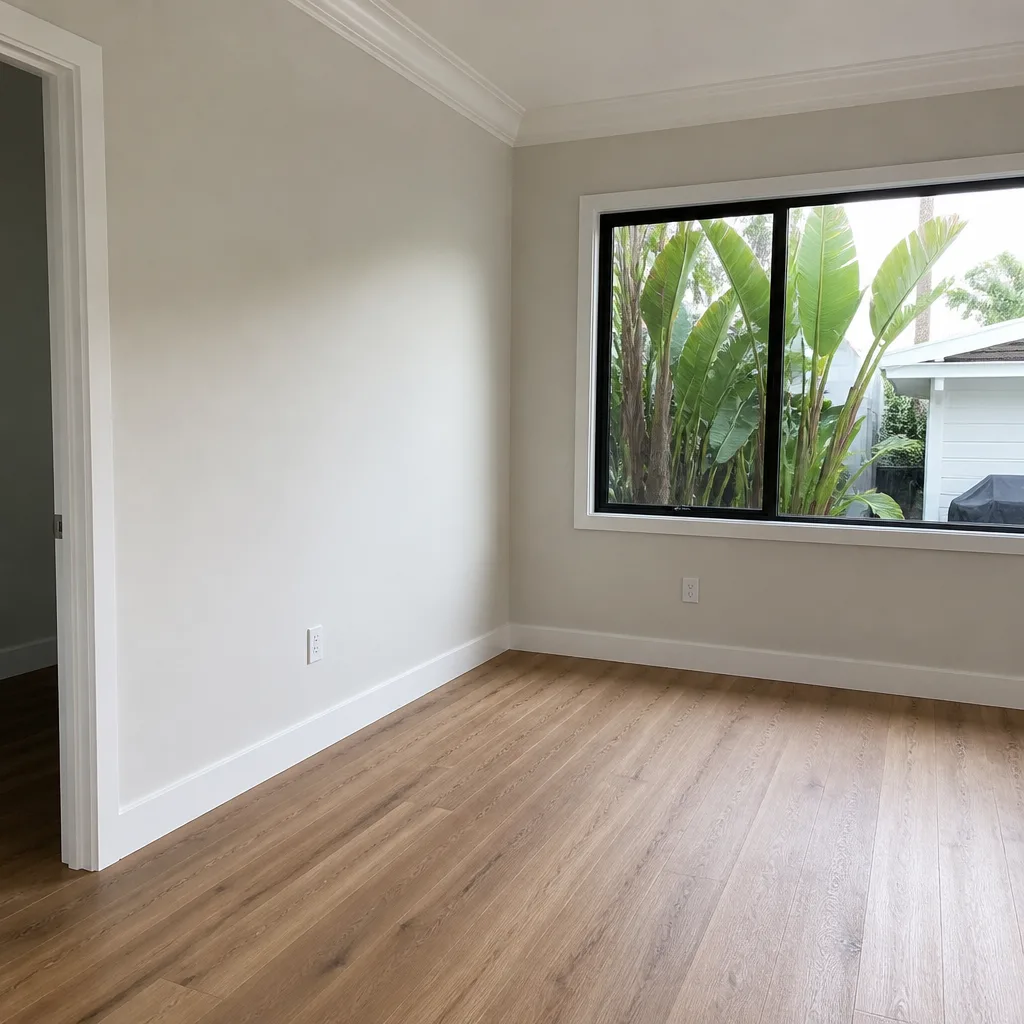 After
AfterDamage Restoration Permits, Codes & Inspections in CA: What You Need to Know
Unpermitted restoration work doesn’t just risk a stop-work order. In California, it creates a mandatory disclosure obligation at resale that can reduce a Coronado home’s sale price years after the damage is forgotten. We’ve reviewed thousands of claims since 2011, and the homeowners who fare best are the ones who understand which permit thresholds apply before the first dehumidifier arrives. This guide explains the California Building Code triggers that govern structural drying, mold remediation, and systems replacement during restoration, how Coronado’s local amendments and Coastal Development Permit overlay change the standard workflow, and why your insurer may require permitted repairs as a condition of final payment. For Damage Restoration Warning Signs: A Coronado Homeowner’s Reference Guide, see our companion post.
Quick Answer
Most water damage drying and surface cleaning in California does not require a permit, but any structural repair, electrical or plumbing replacement, or mold remediation exceeding 10 square feet of visible growth triggers California Building Code permit requirements. In Coronado, the Coastal Development Permit overlay adds a second review layer for exterior work or any modification visible from the public right-of-way, even when the underlying repair seems minor.
Table of Contents
- When Are Permits Required for Restoration Work in California?
- Coronado’s Local Amendments and Coastal Development Permit Overlay
- Why Your Insurer May Require Permitted Repairs
- The Inspection Sequence for Permitted Restoration Work
- The “Skip the Permit” Offer: What It Actually Costs You
- The Resale Disclosure Trap: Unpermitted Work and Property Value
- Documentation Standards That Protect Your Claim
- Common Mistakes to Avoid
- When to Call a Professional
- Frequently Asked Questions
 Before
 After
AfterWhen Are Permits Required for Restoration Work in California?
The California Building Code (CBC) draws a sharp line between mitigation and reconstruction, and that line determines whether a permit is required. Understanding this distinction in the first 48 hours after damage occurs lets a homeowner influence scope decisions that affect both immediate cost and long-term liability.
Work That Typically Does NOT Require a Permit
Pure mitigation - the emergency work that stops damage from spreading - generally falls outside permit requirements under CBC Section 105.2. This includes:
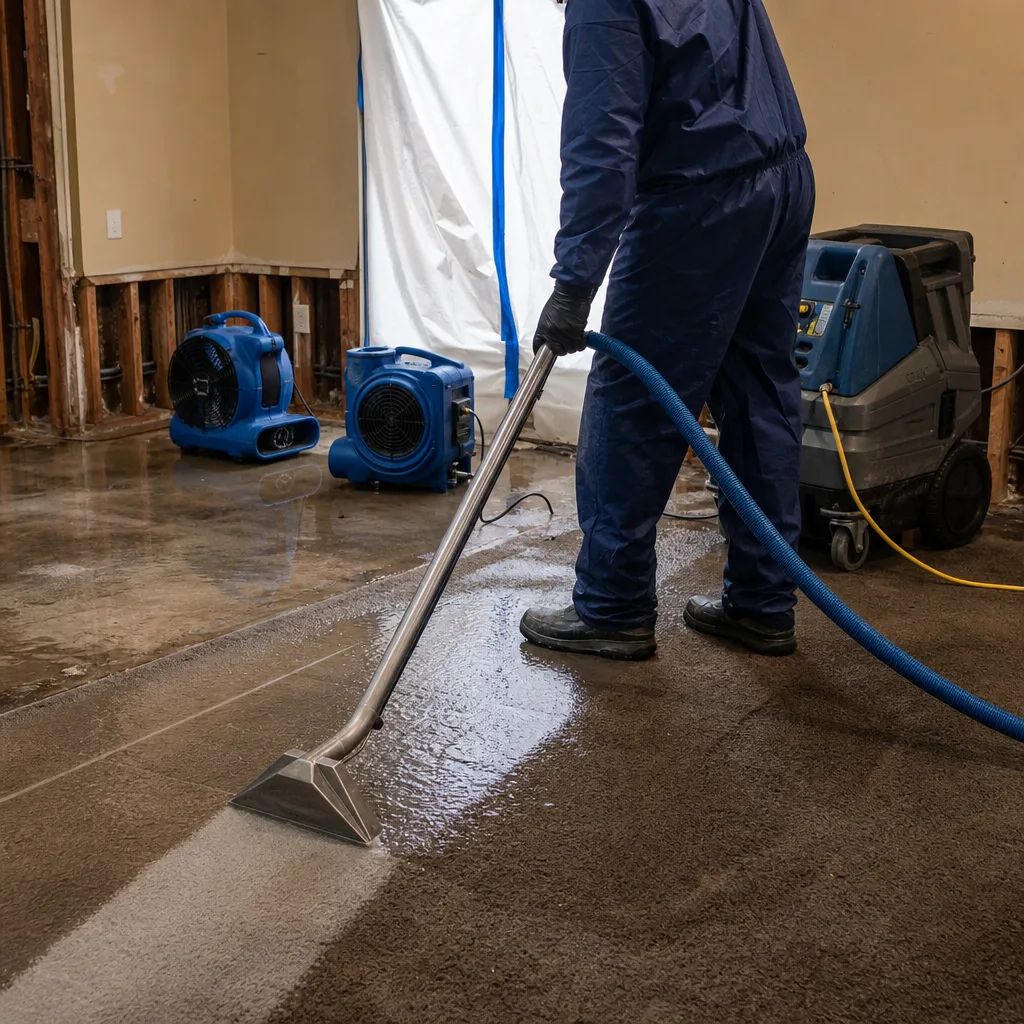
- Water extraction and surface water removal
- Placement of air movers, dehumidifiers, and drying equipment (Dri-Eaz, Phoenix, and similar professional-grade systems)
- Removal of wet carpet, pad, and baseboards without structural modification
- Surface cleaning and antimicrobial application on non-porous materials
- Contents pack-out and cleaning
We’ve deployed Injectidry systems and B-Air drying equipment in hundreds of Coronado homes without permits because the work involved no structural alteration. The equipment sits in the space, dries the assembly, and leaves without changing wall cavities or electrical systems.
Work That DOES Require a Permit
CBC Section 105.1 requires permits for any repair, alteration, or reconstruction of building elements. In restoration, this threshold is crossed more often than homeowners expect:
- Structural repairs: Any repair to load-bearing walls, floor joists, roof framing, or foundation elements requires a permit. This includes sistering joists, replacing wall studs, or repairing subflooring.
- Electrical replacement: Replacement of outlets, switches, fixtures, or any wiring damaged by water or fire requires an electrical permit. Even “like-for-like” replacement triggers this.
- Plumbing replacement: Any plumbing beyond fixture reset or supply line connection requires a permit. This includes replacing drain lines, water heaters, or re-piping.
- HVAC replacement: Furnace, air handler, or ductwork replacement requires mechanical permits.
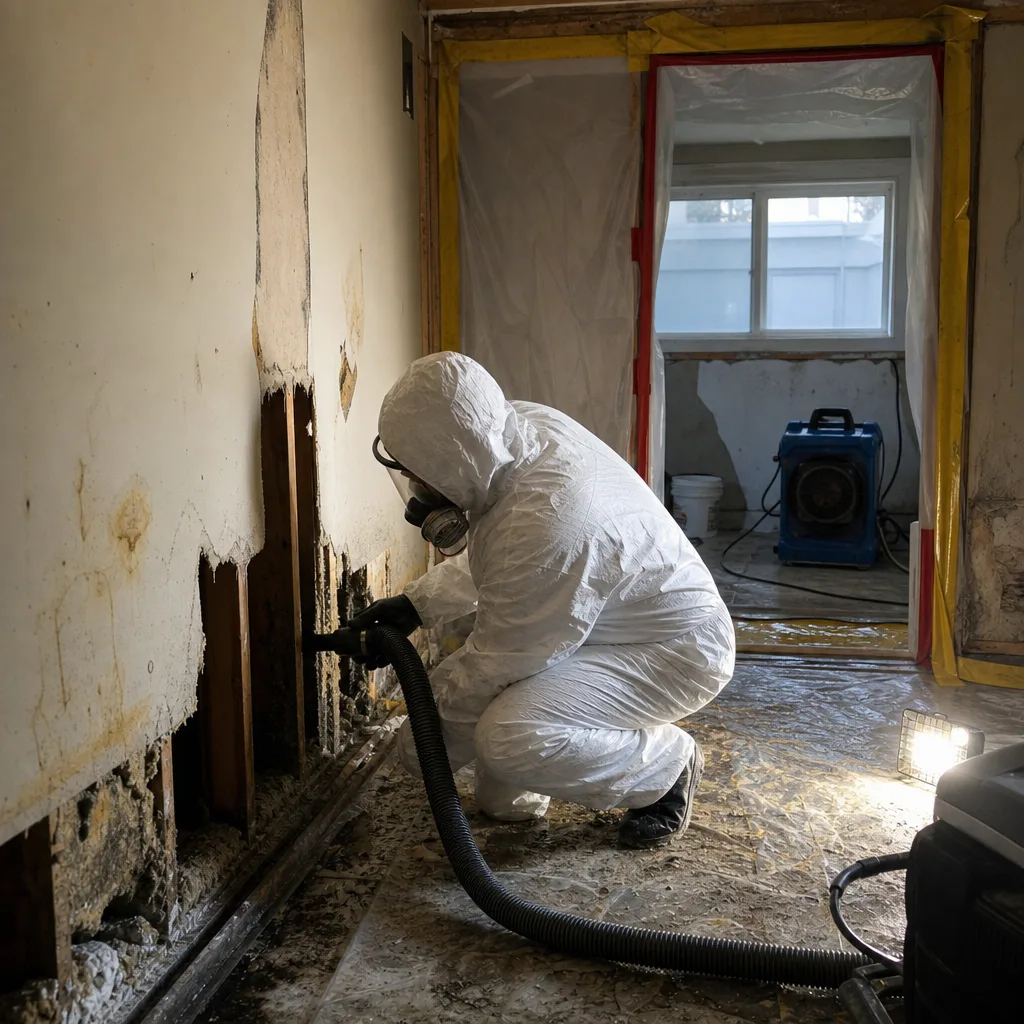
- Mold remediation exceeding 10 square feet: While the CBC itself does not specify a mold threshold, California Labor Code Section 6501.7 and Cal/OSHA regulations require licensed remediation for visible mold exceeding 10 square feet. Most jurisdictions, including Coronado, interpret this as permit-triggering work when it involves removal of building materials.
- Drywall replacement exceeding one panel: Many jurisdictions interpret replacement of more than one standard panel as reconstruction requiring permit, though enforcement varies.
The critical decision point arrives during the initial moisture mapping. If our psychrometric data shows that wall cavities must be opened for tertiary drying, or if vapor pressure differential readings indicate that insulation behind drywall is compromised, the scope crosses from mitigation into reconstruction. At that moment, a permit becomes necessary. We document this transition with photos and a written scope change, so the homeowner and adjuster see exactly when and why the threshold was crossed.
The 10-Square-Foot Mold Threshold in Practice
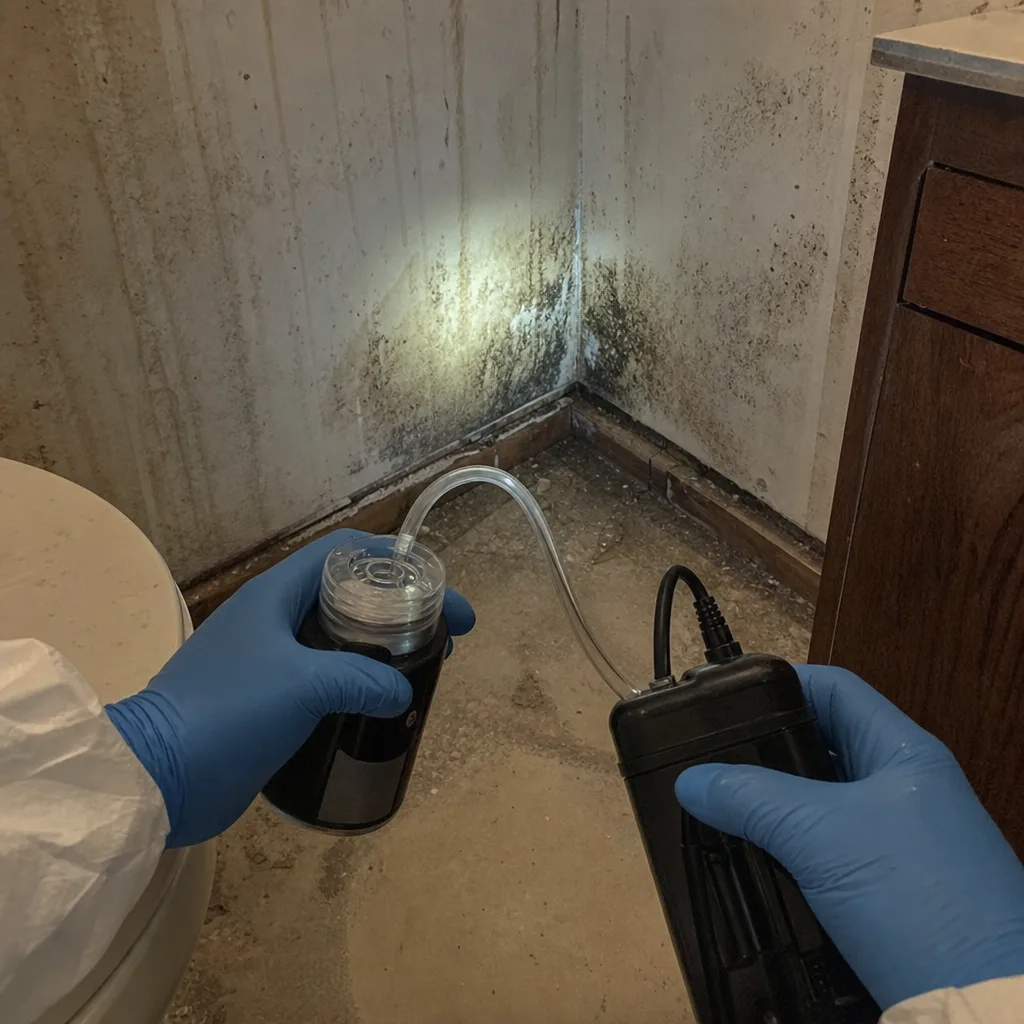
California’s mold regulations create one of the most commonly misunderstood permit triggers. Visible mold on a single bathroom ceiling tile might measure 4 square feet. But if inspection reveals that same mold colony extends behind the tile into the wall cavity, the affected area often exceeds 10 square feet quickly. We use moisture readings and borescope photography to determine actual affected area before committing to a scope that may require permitting.
Our Mold Remediation in Coronado page details how we document mold extent using photo records and written scopes before work begins, so homeowners understand whether permitting applies to their specific situation.
Coronado’s Local Amendments and Coastal Development Permit Overlay
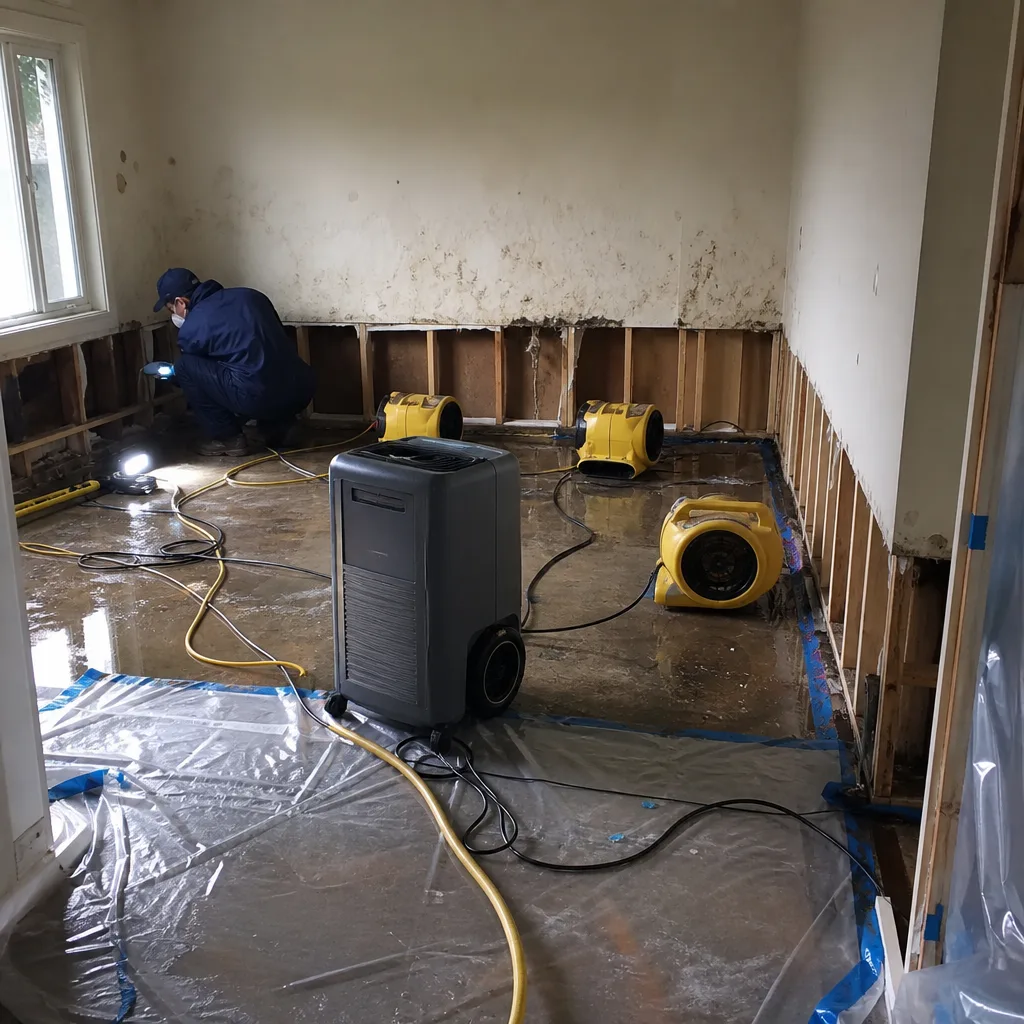
Coronado operates under the California Building Code with local amendments adopted by the Coronado City Council, but the more significant regulatory layer for restoration work is the Coastal Development Permit (CDP) requirement. Coronado’s entire incorporated area falls within the California Coastal Zone, meaning any exterior modification visible from the public right-of-way may require CDP review even when the underlying work seems straightforward.
Standard Restoration Permit Workflow in Coronado
For interior work that does not affect exterior appearance, Coronado follows the standard CBC permit process:
- Submit permit application with scope of work, plans if structural, and contractor license documentation
- Plan check review (typically 5-10 business days for straightforward restoration)
- Permit issuance and fee payment
- Scheduled inspections at rough and final stages
- Final inspection sign-off and certificate of occupancy or completion
Coronado’s Building Division is located at 1825 Strand Way, and permit applications can be submitted online through the city’s portal. For restoration work, the critical document is the written scope that defines exactly what will be repaired or replaced. Vague scopes get rejected or trigger requests for additional documentation that delay emergency work.
When the Coastal Development Permit Overlay Applies
The CDP requirement catches many restoration contractors and homeowners by surprise. Under the California Coastal Act and Coronado’s Local Coastal Program, a CDP is required for:
- Any exterior modification visible from the public right-of-way, including street, beach, or bay access
- Window or door replacement that changes dimensions, materials, or appearance
- Siding replacement on street-facing elevations
- Roof repair or replacement that changes materials or profile
- Deck, patio, or exterior stair repair or replacement
- Any work that affects coastal access, parking, or drainage patterns
In Coronado’s climate, with salt air accelerating exterior deterioration, fire or water damage to exterior elements is common. A fire-damaged front door on a Coronado home on Orange Avenue requires not just a building permit but CDP review if the replacement differs in appearance from the original. This adds 2-4 weeks to the timeline and requires submission of material samples and photographs.
We’ve navigated this process for Fire & Smoke Damage Restoration in Coronado projects where exterior elements were damaged. The key is identifying CDP triggers during the initial scope development, not after materials have been ordered and crews are scheduled.
Coronado’s Historical Resources and Additional Review
Properties within Coronado’s designated historic districts or listed on the city’s historic inventory face additional review requirements. The Historic Resource Commission must review any exterior alteration to designated properties. For restoration work, this means that even “in-kind” replacement of damaged elements may require commission approval if the property is designated or eligible for designation.
Coronado’s historic district includes much of the original townsite, including many homes built before 1940. If your property is designated or appears on the city’s survey of potentially eligible properties, factor 4-6 weeks for historic review into any exterior restoration timeline.
Why Your Insurer May Require Permitted Repairs
Insurance policies contain language that most homeowners never read until a claim is denied. The standard ISO HO-3 and HO-5 policies include “duty to comply with law” clauses that make permit compliance a condition of coverage. More directly, many insurers now require permitted repairs as a condition of final payment, particularly for claims exceeding $25,000 or involving structural, electrical, or plumbing work.
Getting the Requirement in Writing
The most important step a homeowner can take is to obtain the insurer’s permit requirement in writing before work begins. This means:
- Requesting a written coverage confirmation that specifies permit requirements
- Having the adjuster note permit compliance in the claim file before contractor selection
- Obtaining email confirmation that final payment is contingent on permit sign-off, not just contractor invoice
We’ve seen claims where the adjuster verbally approved non-permitted work to “speed things along,” only for the final payment to be withheld when the insurer’s quality assurance review flagged the lack of permits. The homeowner was left negotiating between contractor and insurer, often absorbing costs that should have been covered.
Our documentation-first approach includes a written scope delivered before work begins, per Haven Standard, Clause 1. That scope explicitly notes permit requirements and includes a section for adjuster acknowledgment. When the adjuster signs off on the scope, permit compliance becomes part of the documented claim file.
How Permits Affect Claim Timelines and ALE Coverage
Permit delays directly affect Additional Living Expense (ALE) coverage, which pays for temporary housing during restoration. If permit review adds three weeks to a project timeline, ALE coverage must extend accordingly. Most policies cap ALE at 12-24 months or a dollar limit, and permit delays consume that coverage.
In Coronado’s tight housing market, extended ALE coverage is particularly costly. Temporary housing for a family of four in Coronado or nearby San Diego can exceed $8,000 monthly. A permit delay that extends the project by one month adds that cost to the claim, and if ALE limits are reached, the homeowner absorbs subsequent costs.
We address this in our written scopes by including realistic permit timelines based on current Coronado Building Division processing times, so adjusters can reserve appropriate ALE limits upfront rather than requesting extensions later.
The Inspection Sequence for Permitted Restoration Work
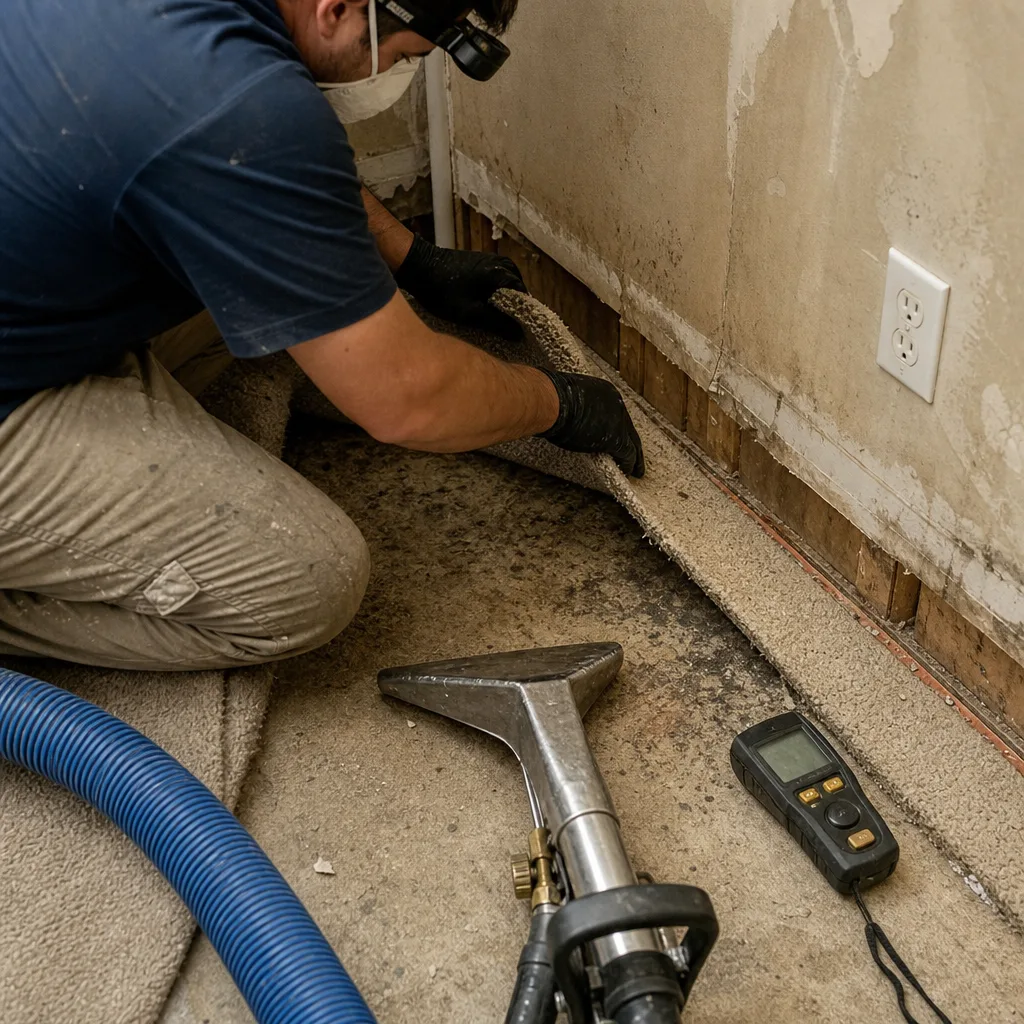
Permitted restoration work follows a defined inspection sequence that protects the homeowner but also creates accountability for the contractor. Understanding what each inspection verifies helps homeowners ask better questions and identify when work is being rushed or concealed.
Rough Inspection: What It Covers and What It Misses
The rough inspection occurs before walls are closed, flooring is laid, or finishes are applied. For restoration work, this typically means:
- Structural repairs: inspector verifies that replaced framing, joists, or subflooring meets CBC standards for material grade, fastening, and span
- Electrical: inspector verifies that new wiring, boxes, and connections are accessible and properly grounded
- Plumbing: inspector verifies that new pipes are properly supported, sloped, and pressure-tested
- Mechanical: inspector verifies that ductwork, gas connections, and venting meet code
The rough inspection does not verify that moisture levels are acceptable before enclosure, that mold remediation was complete, or that drying equipment achieved proper psychrometric conditions. These are restoration-specific quality measures that standard building inspectors are not trained or equipped to assess.
This gap is why our documentation includes daily moisture logs with specific readings, photo records of cavity conditions before closure, and written confirmation that drying goals were met. The building inspector signs off on code compliance. We sign off on restoration quality. Both are necessary, and neither substitutes for the other.
Final Inspection: The Sign-Off and Its Limits
Final inspection verifies that the completed work matches the permitted scope and meets visible code requirements. The inspector checks that outlets work, plumbing doesn’t leak, and structural elements appear properly installed. What the final inspection does not provide:
- Any warranty of future performance or durability
- Verification that hidden moisture was eliminated
- Confirmation that mold was fully remediated in enclosed cavities
- Assessment of whether drying was performed to IICRC standards
A final inspection sign-off is necessary for permit closure and often for final insurance payment, but it is not a restoration quality guarantee. We’ve been called to Coronado homes where permitted reconstruction was completed over areas that still contained elevated moisture, because the contractor closed walls after rough inspection without confirming drying completion.
Our 365-Day Done Right Promise, backed by The Haven Standard, addresses this gap. If our work or any subsequent reconstruction over our drying zone fails due to moisture we should have eliminated, we return and correct it. The building inspector’s sign-off doesn’t create that obligation. Our written warranty does.
Special Inspections for Seismic and Structural Work
Coronado’s location in a high-seismic zone means that structural repairs may trigger special inspection requirements under CBC Chapter 17. Special inspectors are licensed professionals, separate from city building inspectors, who verify specific structural elements during construction. For restoration work, this most commonly applies to:
- Foundation repair or replacement
- Shear wall repair or modification
- Hold-down and anchor bolt replacement
- Structural steel connection repair
Special inspection adds cost, typically $150-400 per inspection visit, and requires scheduling coordination that extends timelines. The special inspector reports directly to the building official, not to the contractor or homeowner, providing an additional layer of independent verification.
The “Skip the Permit” Offer: What It Actually Costs You
In our experience, the most expensive restoration work a homeowner can authorize is unpermitted work sold as a convenience. The offer usually arrives as a verbal aside: “We can keep this simple and skip the permit, save you three weeks and a few hundred dollars.” What follows is a transfer of liability that most homeowners do not understand until it is too late.
The Liability Transfer
When a contractor proposes skipping a required permit, the legal and financial consequences shift entirely to the homeowner:
- Code violation liability: The homeowner becomes the responsible party for code violations, with fines that in Coronado can reach $1,000 per day for ongoing violations.
- Insurance denial: Future claims related to the unpermitted work can be denied based on the “duty to comply with law” clause. A subsequent water loss at the same location may be denied if unpermitted plumbing is involved.
- Workmanship warranty voidance: Contractor warranties often exclude unpermitted work, and the contractor’s insurance may not cover claims arising from code violations.
- Resale disclosure obligation: California Civil Code Section 1102.6 requires disclosure of unpermitted work as a material fact affecting property value. This is not optional and not subject to the “don’t ask, don’t tell” approach some sellers attempt.
The few hundred dollars “saved” by skipping permits is typically recovered many times over in reduced sale price, extended time on market, or buyer credits demanded after disclosure.
How to Respond to the Offer
Our recommendation is straightforward: request the proposal in writing, with the contractor’s license number and insurance documentation attached, explicitly stating that no permit will be obtained for work that requires one. Most contractors making this offer verbally will not put it in writing. Their refusal is information.
At DryMark Restoration Coronado, we do not make this offer. Our written scope, delivered before work begins per Haven Standard, Clause 1, includes permit requirements and costs as line items. The homeowner sees exactly what permits are required, what they cost, and how they affect timeline. No surprises, no transferred liability, no verbal assurances that evaporate when problems arise.
The Resale Disclosure Trap: Unpermitted Work and Property Value
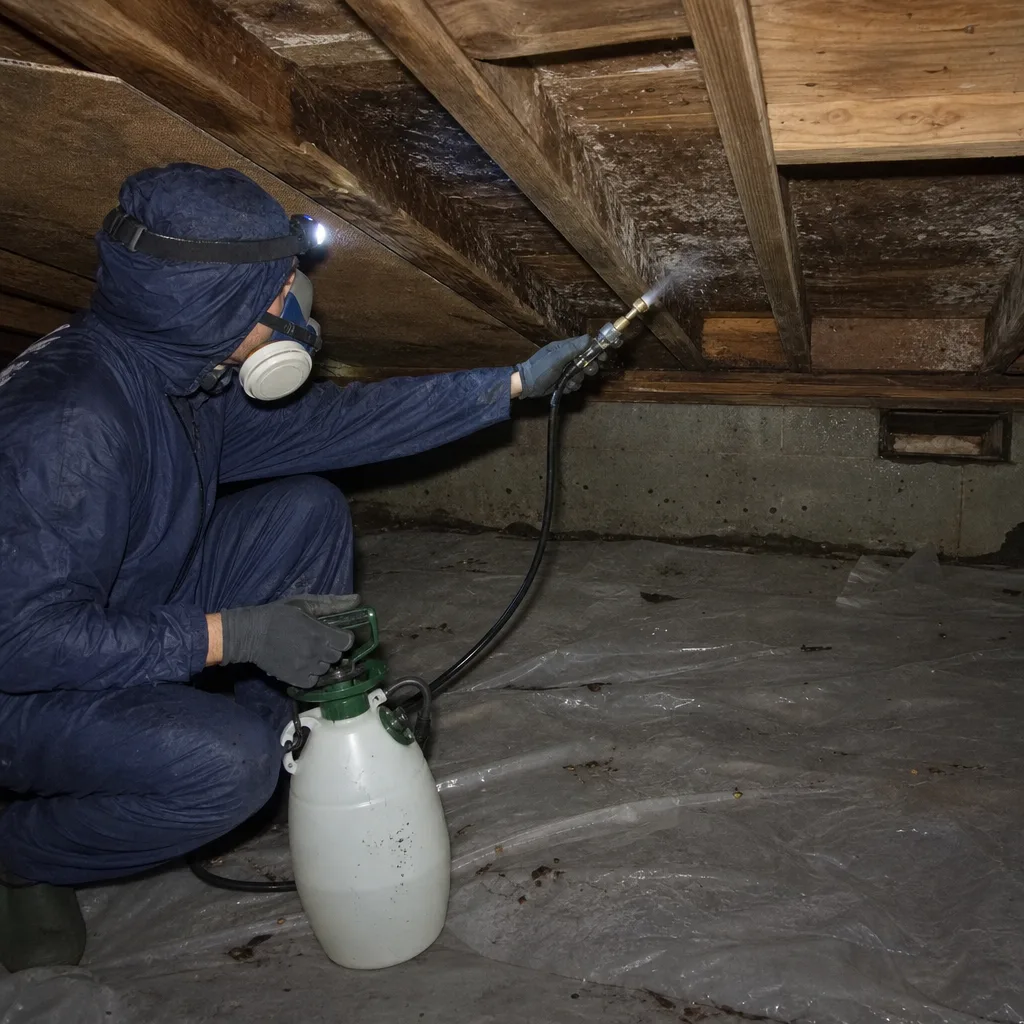
California’s disclosure requirements for residential sales are among the most stringent in the nation, and unpermitted restoration work creates a disclosure obligation that persists for decades. Understanding this trap helps homeowners evaluate whether “saving” on permits today is worth the cost at sale.
The Disclosure Requirement
The Transfer Disclosure Statement (TDS) and Seller Property Questionnaire (SPQ) required in California residential transactions specifically ask about room additions, structural modifications, and other alterations made without required permits. The seller must answer these questions truthfully; deliberate omission constitutes fraud and exposes the seller to post-sale liability.
Even work performed by prior owners must be disclosed if the current seller knows or reasonably should know about it. Home inspection reports, permit history searches, and neighbor disclosures commonly reveal unpermitted work that sellers believed was hidden.
The Market Consequences in Coronado
Coronado’s housing market, with median home values exceeding $2 million, is particularly sensitive to disclosure issues. For more guides & resources on protecting your home’s value through proper restoration, visit our blog. Buyers at this price point typically engage thorough inspectors and attorneys who review permit history as standard practice. Unpermitted work discovered during due diligence typically results in one of three outcomes:
- Buyer demands permit retroactive approval, with cost and delay borne by seller
- Buyer negotiates a credit, often 1.5-3 times the actual permit cost, reflecting risk premium
- Buyer withdraws, forcing relisting with disclosure of the issue to subsequent buyers
In a market where days on market and sale-to-list ratio are carefully tracked, a disclosure issue can cost far more than the original permit would have. We’ve consulted with homeowners who faced $50,000+ in buyer credits or price reductions for unpermitted work that originally “saved” $800 in permit fees.
Permit History and Title Insurance
Title insurance policies increasingly exclude coverage for losses arising from unpermitted work, and some insurers now require permit verification for properties with recent restoration claims. This creates a secondary market consequence: properties with documented permit compliance may be more attractive to buyers and their lenders than properties with unclear or absent permit history.
Our documentation package includes permit applications, inspection records, and final sign-offs as standard deliverables, not as optional add-ons. When a Coronado homeowner sells years later, they have a complete file demonstrating compliance.
Documentation Standards That Protect Your Claim
Permits and inspections are only as valuable as the documentation that proves they were obtained and passed. In our work across more than 12,000 homes since 2011, the claims that resolve fastest and most completely are those with documentation organized for adjuster review from day one.
The Documentation Package We Deliver
Every DryMark Restoration Coronado project includes:
- Written scope of work with permit requirements identified, delivered before work begins (Haven Standard, Clause 1)
- Permit application copies with jurisdiction, permit number, and date filed
- Inspection records with inspector name, date, result, and any corrections noted
- Photo record on every visit, with date stamps and room identifiers
- Daily moisture logs with specific readings, equipment deployed, and psychrometric conditions
- Final sign-off documentation and certificate of completion or occupancy
- 365-Day Done Right Promise, signed and dated, under The Haven Standard
This documentation serves multiple purposes: it accelerates insurance payment, protects resale value, provides warranty support, and creates a record for future owners. We deliver it in both physical and digital formats, organized by claim number for easy reference.
Coordinating with Adjusters on Permit Requirements
Insurance adjusters manage multiple claims simultaneously and may not immediately recognize when permit requirements apply to a specific loss. Our process includes direct adjuster communication at scope development, with written confirmation of permit requirements and timeline impact. This prevents the common scenario where permit costs are disputed after work is complete because the adjuster did not reserve for them in the initial estimate.
For complex claims, we provide a permit timeline with ALE impact analysis, so adjusters can set appropriate reserves and avoid coverage limit surprises. This coordination is part of our standard service, not an additional fee.
Common Mistakes to Avoid
- Assuming mitigation and reconstruction are the same permit category. California distinguishes emergency mitigation from reconstruction, and applying for the wrong permit type causes delays. We identify the correct category in our written scope before application.
- Ignoring Coronado’s Coastal Development Permit for exterior work. A building permit alone is insufficient for street-visible repairs in Coronado’s coastal zone. We identify CDP triggers during initial scope development to avoid mid-project stops.
- Accepting verbal confirmation of permit requirements from insurers. Without written confirmation in the claim file, permit requirements can be disputed at final payment. We obtain email or written adjuster acknowledgment before work begins.
- Failing to verify contractor license status before permit application. Coronado requires active, properly classified contractor licenses for permit issuance. We verify license status and include license numbers in all permit applications.
- Closing walls before rough inspection. Some contractors pressure homeowners to close walls quickly, concealing work from inspectors. We schedule inspections before enclosure and document cavity conditions with photos.
- Discarding permit documentation after claim closure. Retain all permit records for the duration of homeownership; they are required for resale disclosure and may be needed for future claims. We provide organized digital and physical files designed for long-term retention.
- Assuming final inspection guarantees restoration quality. Building inspectors verify code compliance, not restoration standards. Our documentation includes IICRC-compliant drying verification independent of inspection sign-off.
When to Call a Professional
Call a professional when damage involves structural elements, electrical or plumbing systems, mold exceeding visible surface area, or any situation where the scope crosses from mitigation into reconstruction. The permit determination should be made by someone who understands both California Building Code thresholds and local amendments, not by a contractor seeking to avoid paperwork.
In Coronado, the Coastal Development Permit overlay adds complexity that general contractors from outside the area often miss. A professional familiar with Coronado’s Local Coastal Program can identify CDP triggers before work begins, preventing costly stops and redesigns.
DryMark Restoration Coronado offers free estimates in Coronado. Call (619) 649-7428 for a written scope that identifies permit requirements, timeline, and cost before any work begins. Our estimates include a review of your insurance coverage for permit-related costs and ALE extensions if applicable.
Frequently Asked Questions
No, if the work is limited to extraction, drying equipment placement, and surface cleaning without structural repair or material replacement. If wall cavities must be opened, drywall replaced, or electrical or plumbing systems repaired, permits are required. Call (619) 649-7428 for a free assessment of whether your specific damage triggers permit requirements.
Most standard homeowner policies cover permit costs as part of “reasonable repair” expenses, but coverage confirmation should be obtained in writing before work begins. Some policies cap permit fees or require them to be “necessary and customary.” We include permit costs as line items in our written scope and obtain adjuster acknowledgment before incurring them.
Standard building permits for restoration work typically process in 5-10 business days in Coronado. Coastal Development Permits add 2-4 weeks for exterior work. Historic review, if required, adds 4-6 weeks. We verify current processing times with the Building Division before committing to timelines and communicate delays to adjusters for ALE reserve adjustments.
You inherit the disclosure obligation and potential code violation liability. Before purchase, request permit history for all restoration work and have a qualified inspector verify that work was performed to standard. If unpermitted work is discovered, negotiate seller correction, price reduction, or escrow holdback before closing.
No. California contractor law requires compliance with building codes as a condition of licensure. A contractor who performs work knowing permits are required violates Business and Professions Code Section 7110 and faces license discipline. The homeowner also violates local code and assumes liability. “Owner authorization” is not a legal defense for permit violations.
Not always. Surface cleaning of visible mold on non-porous materials, where no building materials are removed, typically does not require a permit. Remediation involving removal of drywall, insulation, or structural materials, or where visible mold exceeds 10 square feet, triggers permit requirements under Cal/OSHA regulations interpreted through local building codes. We assess mold extent with borescope photography and moisture mapping before determining permit status.
Request copies of permit applications with permit numbers, then verify directly with the issuing jurisdiction. Coronado Building Division permits can be verified online or by calling (619) 649-7428. For work already completed, request final inspection sign-offs and certificate of occupancy or completion. Our documentation package includes all of these as standard deliverables.
The Bottom Line
California’s permit requirements for restoration work are situational, and the situational nature creates both risk and opportunity for informed homeowners. Understanding the threshold between mitigation and reconstruction, recognizing Coronado’s Coastal Development Permit overlay, and obtaining written confirmation of insurer permit requirements before work begins protects both immediate claim recovery and long-term property value. The documentation that proves permit compliance, drying completion, and restoration quality is not an afterthought. It is the product. At DryMark Restoration Coronado, we deliver that documentation as standard practice, with a written price before work begins and a 365-Day Done Right Promise backed by The Haven Standard.
Written by Alicia Brennan, Owner at DryMark Restoration Coronado, serving Coronado since 2011.