
Last updated September 23, 2026
Free visual inspection and a written scope of work before any mitigation begins - photos, moisture readings, and drying logs go in your claim file
The scope we write is the scope we bill. Anything new gets shown to you, in writing, before we touch it.
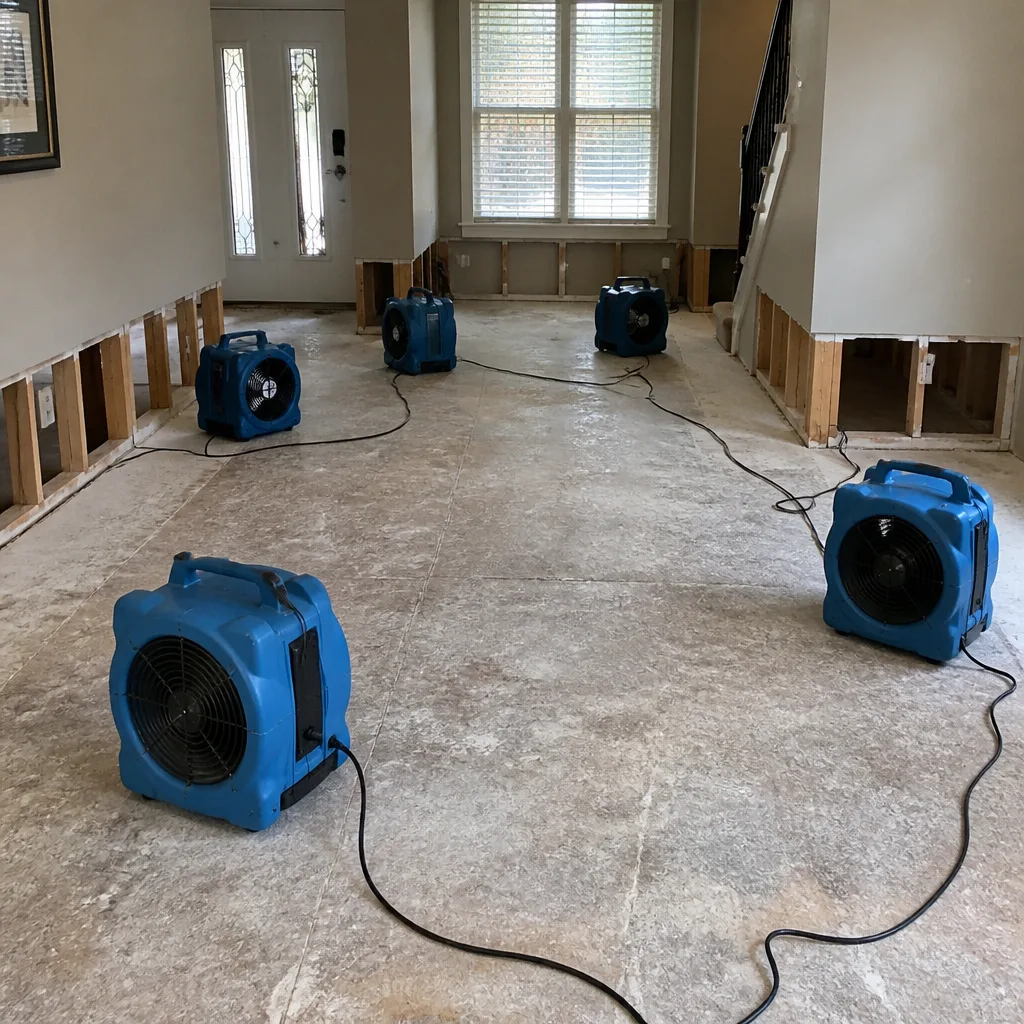
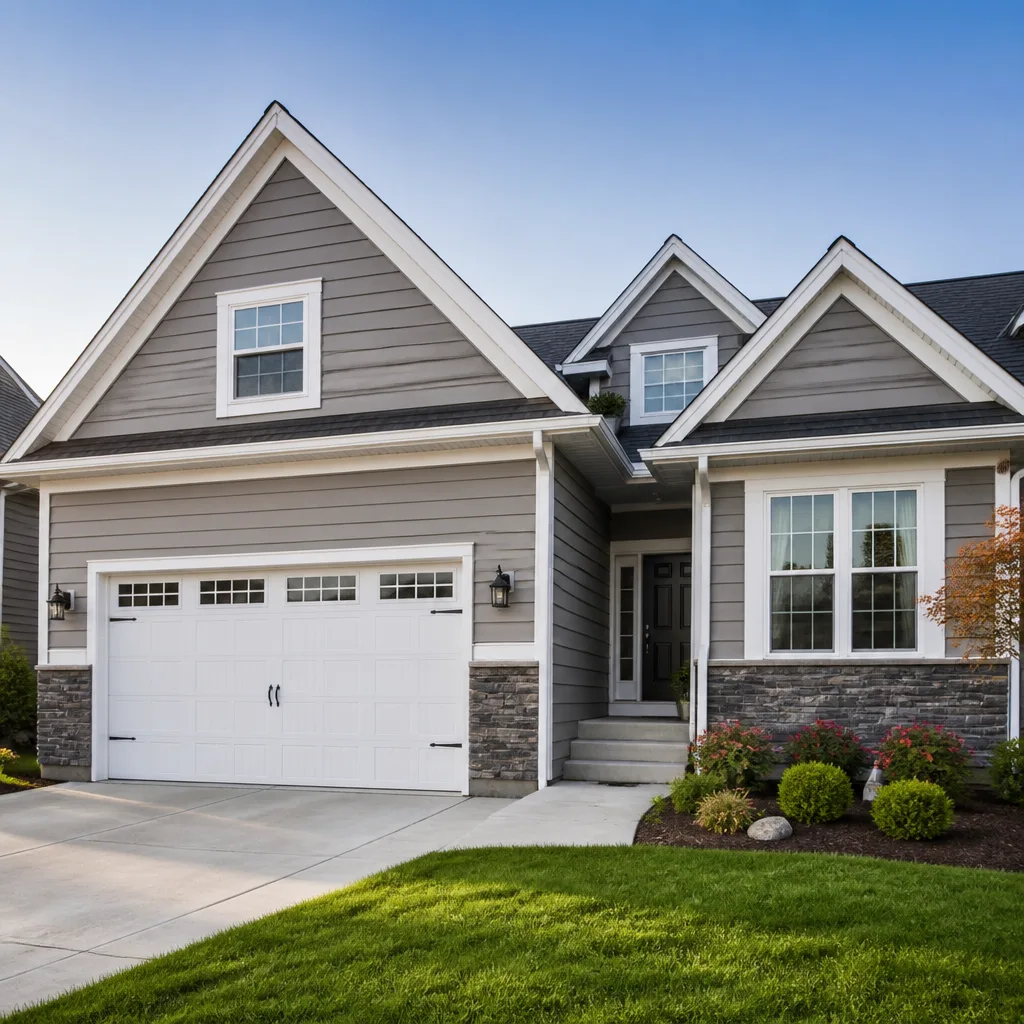
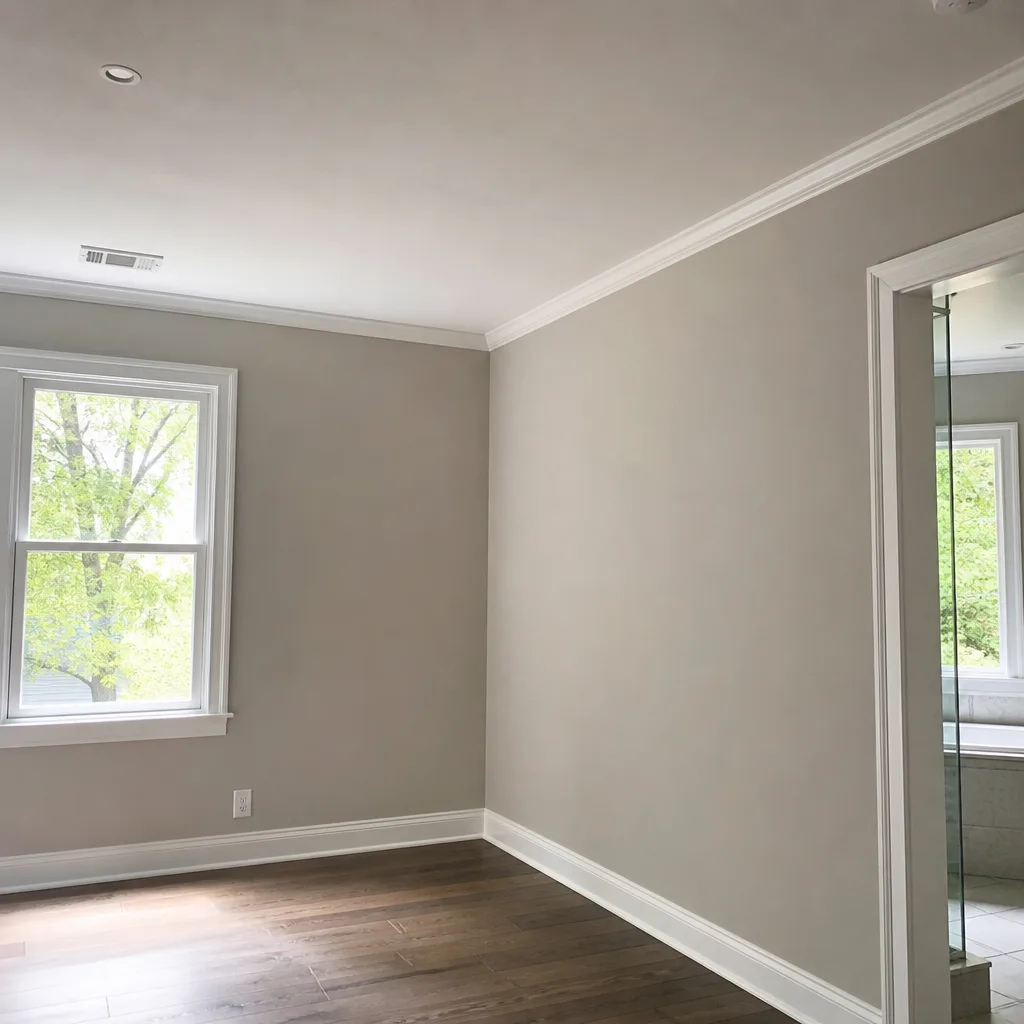
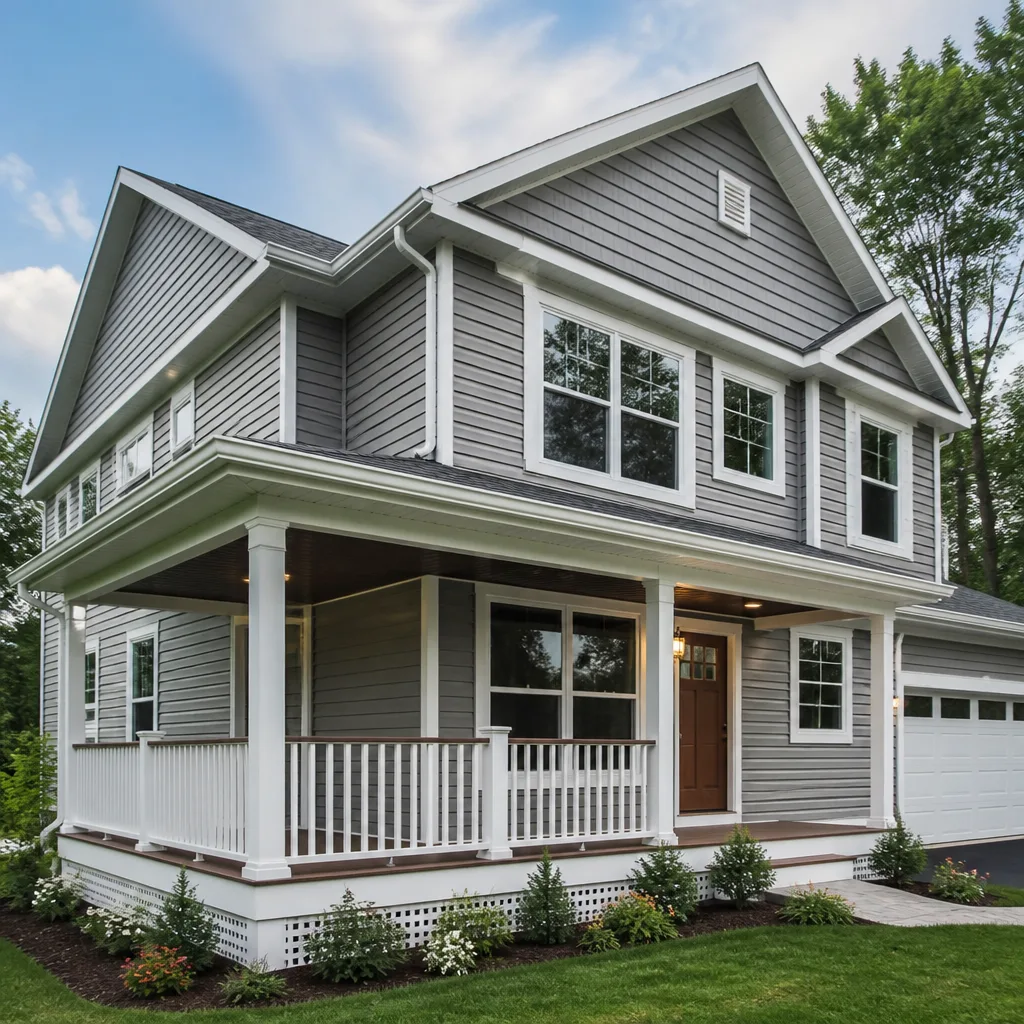
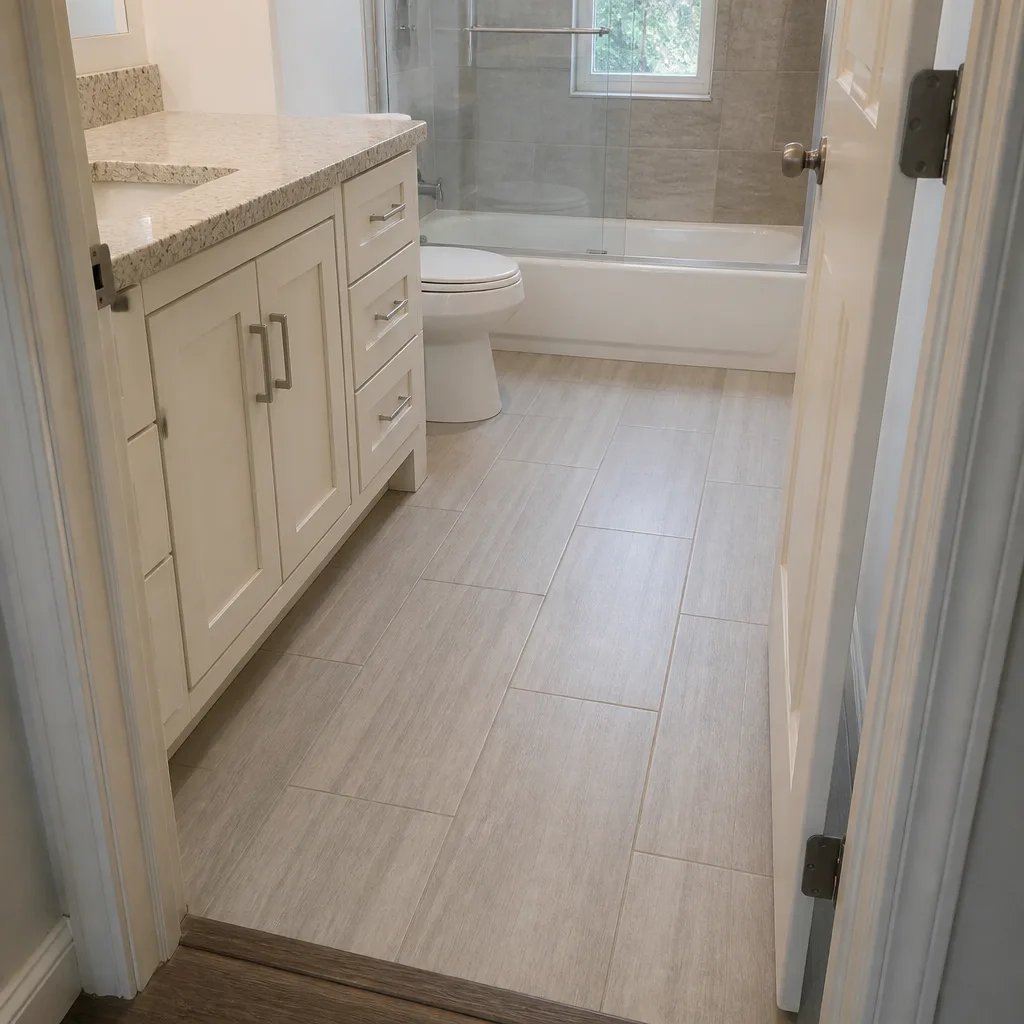
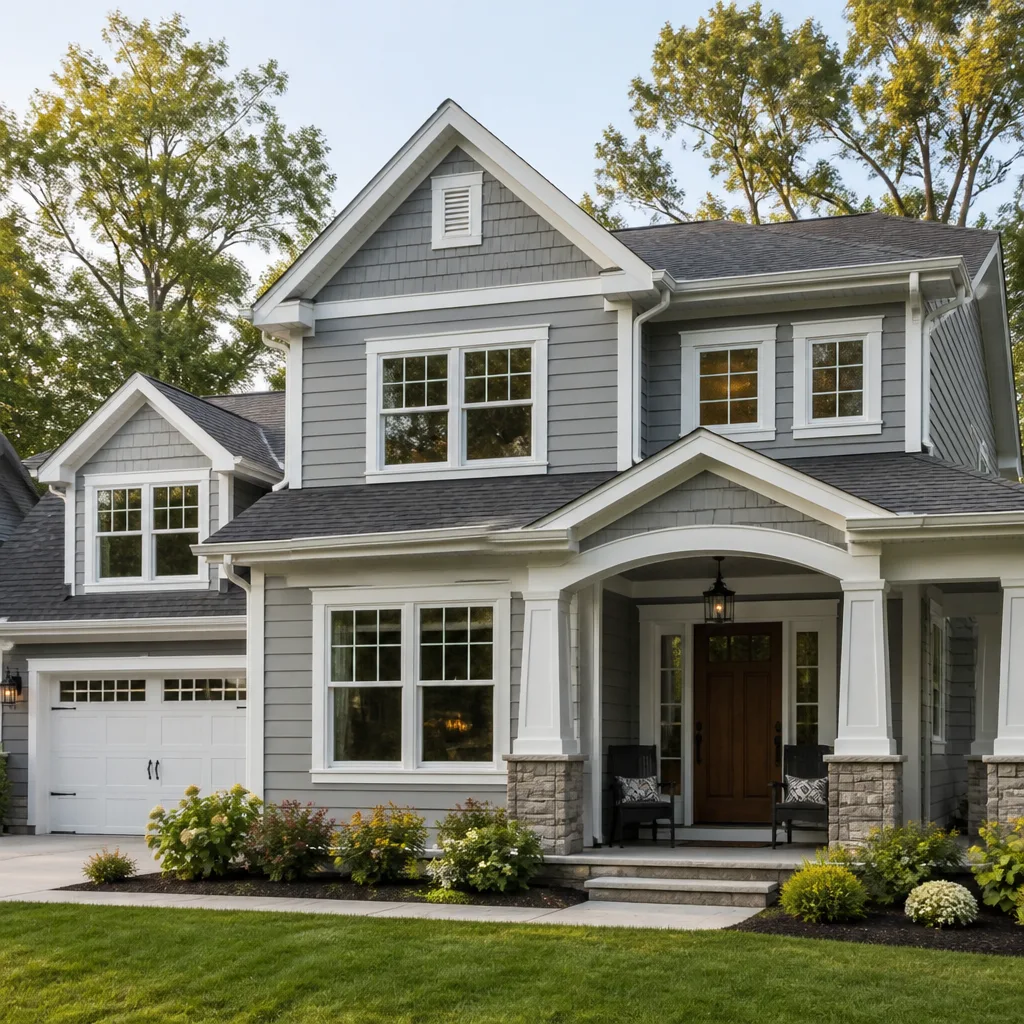
 Before
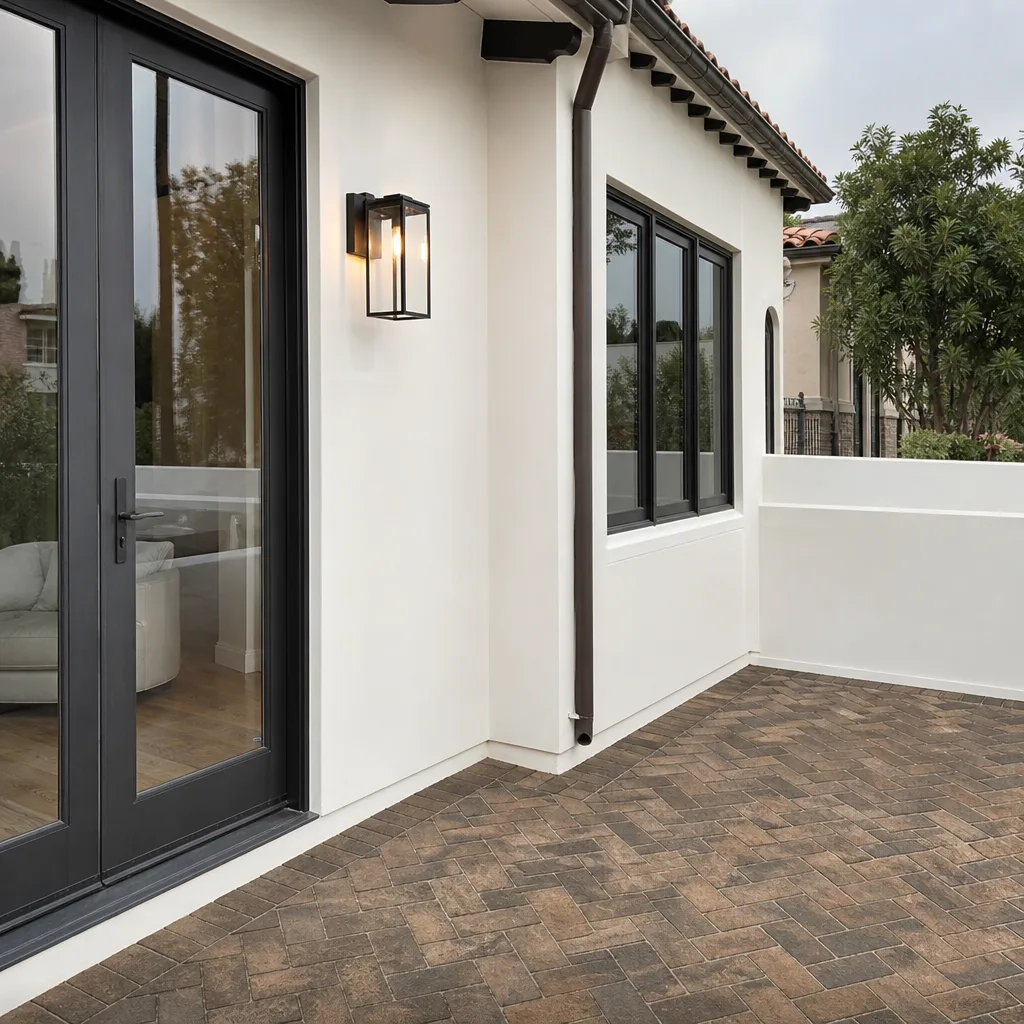 After
After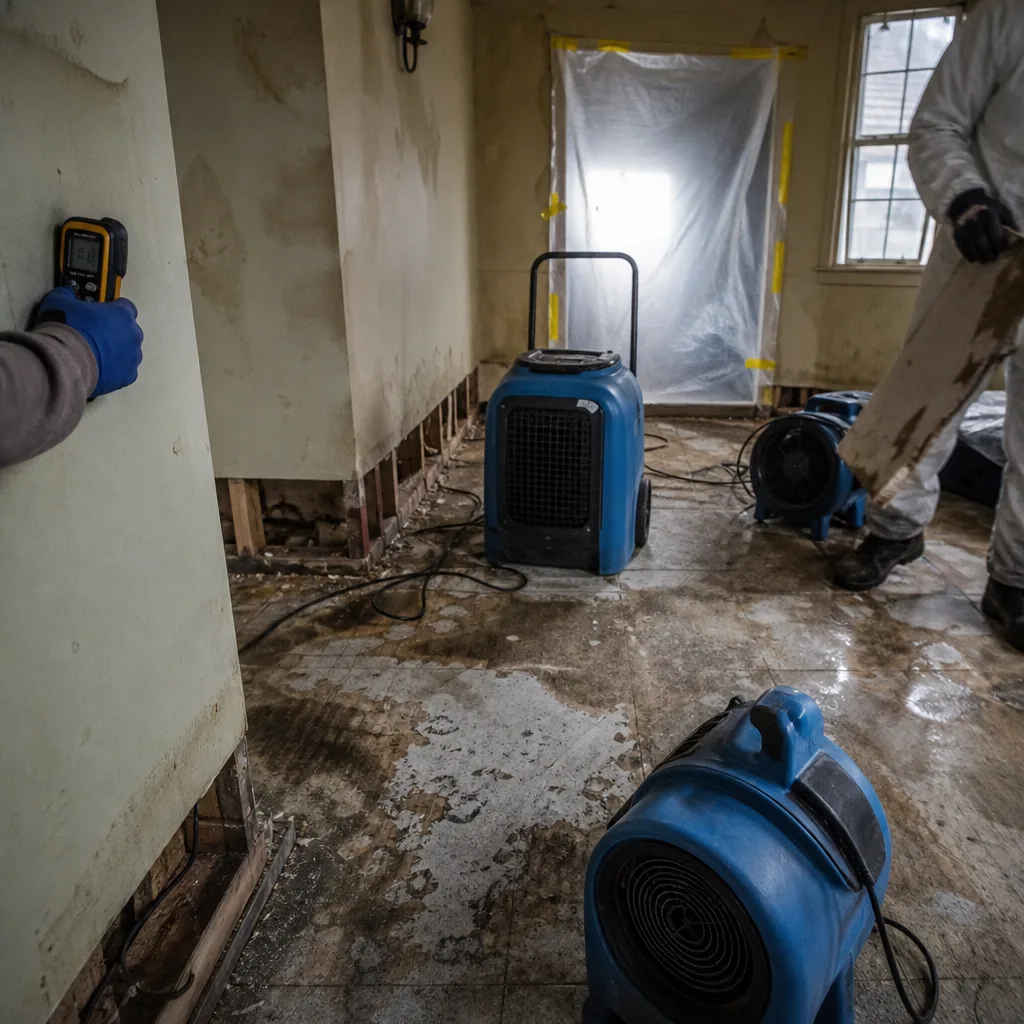 Before
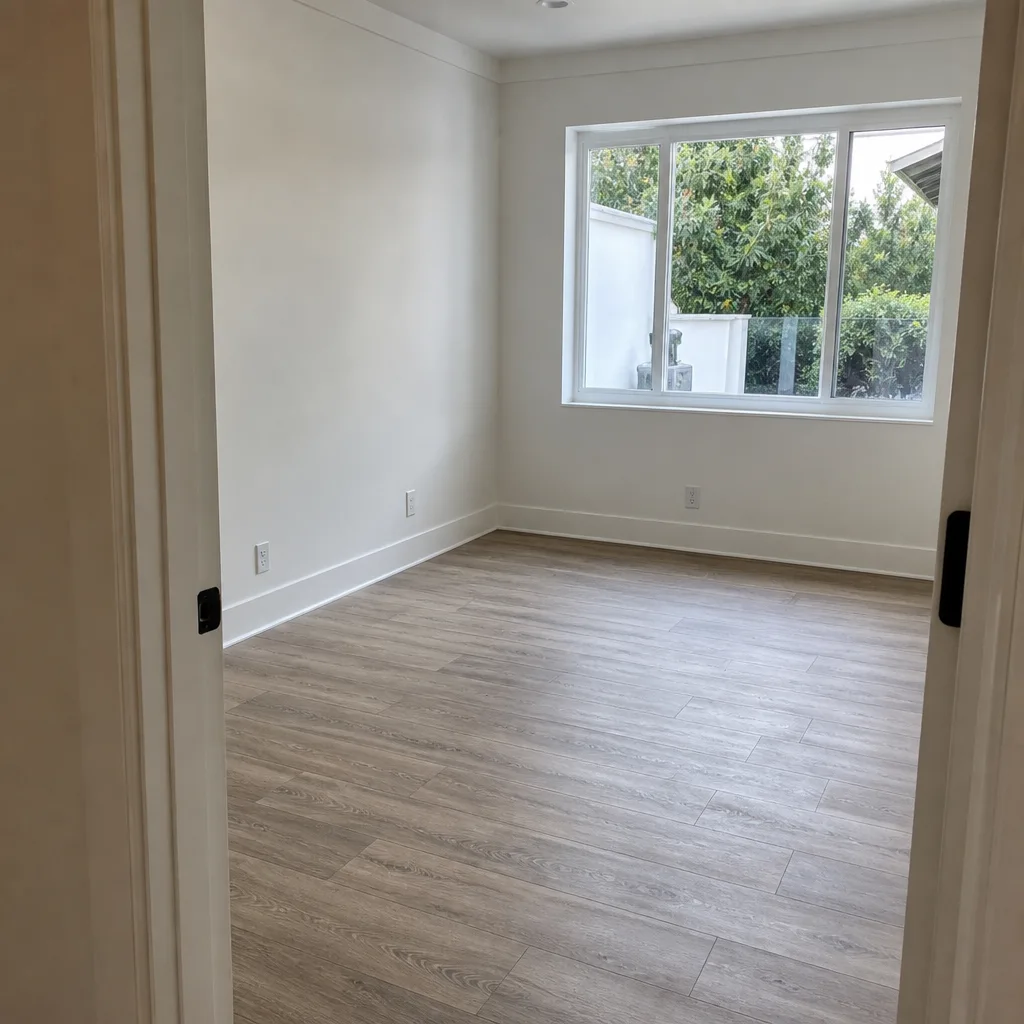 After
After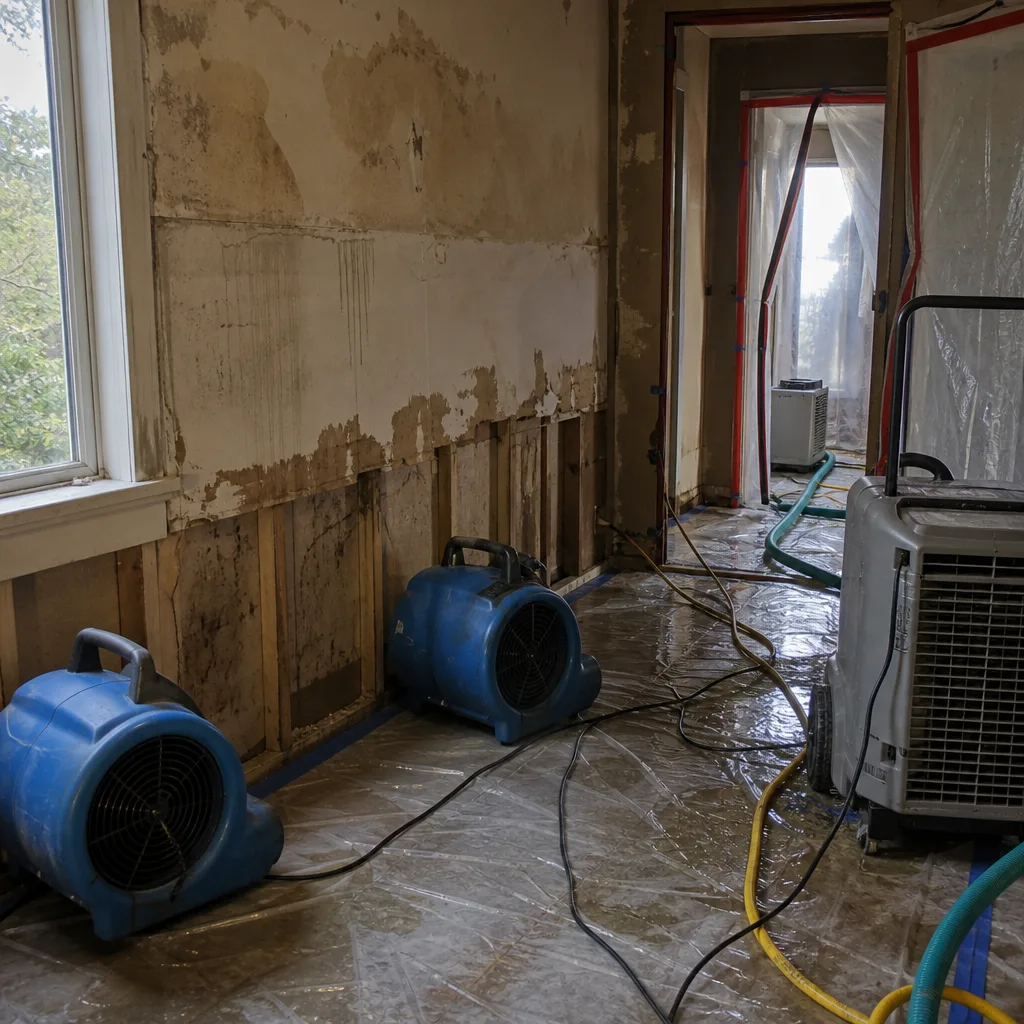 Before
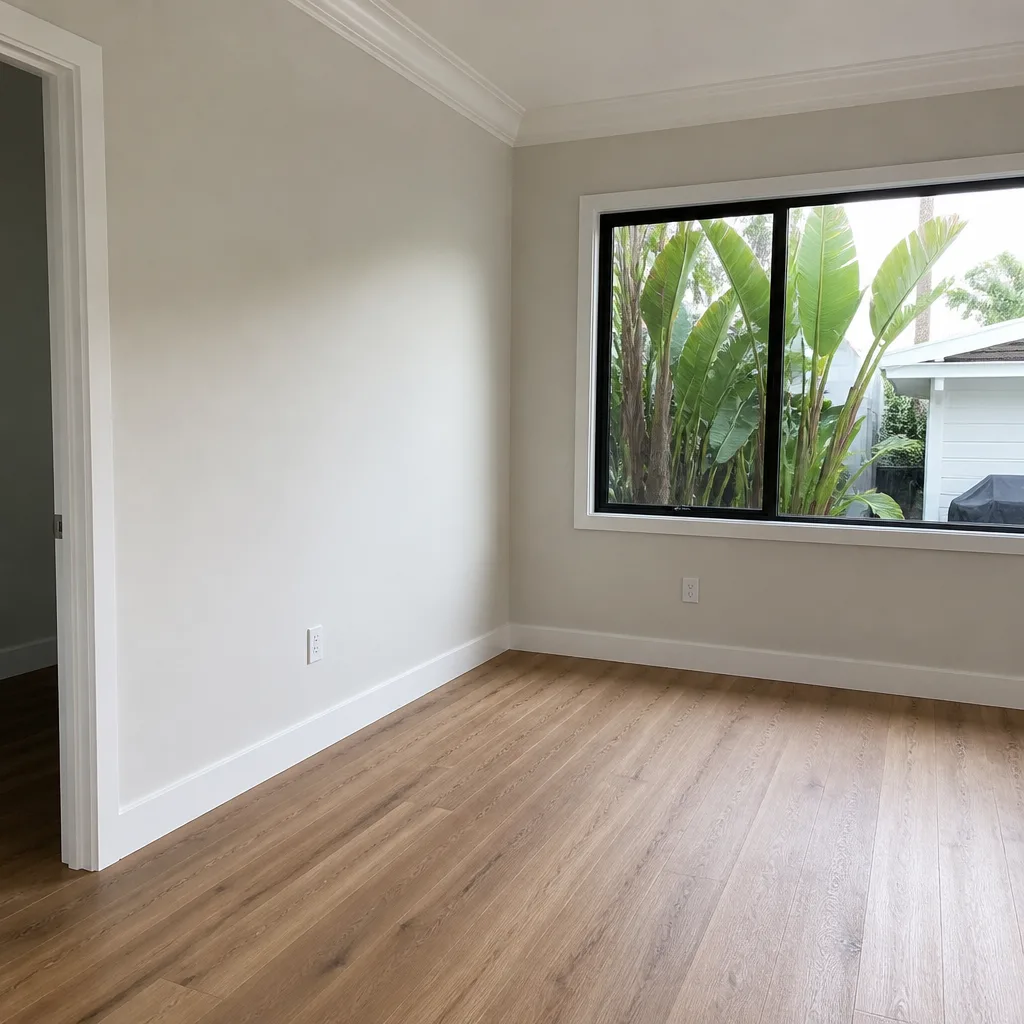 After
AfterDamage Restoration Cost Breakdown: The Coronado Homeowner’s Reference for 2026
The single line item that generates the most homeowner disputes in California restoration claims is “general conditions” - a category that can legitimately range from $200 to $4,000 depending on scope, and that almost no contractor explains before invoicing it. In Coronado, where coastal access logistics and salt-air material specifications already inflate baseline costs, an unexplained $2,800 general conditions charge can turn a straightforward water damage claim into a six-month negotiation with your insurer. This guide translates restoration billing codes into plain cost drivers with real 2026 Coronado market figures, so you can read a line-item estimate before you sign, not after the work is done. For Damage Restoration Warning Signs: A Coronado Homeowner’s Reference Guide, see our companion resource.
Quick Answer
Water damage restoration in Coronado typically costs $3,200 to $8,500 for a standard residential mitigation, with reconstruction adding $4,000 to $15,000 depending on finish quality. The final invoice depends on four factors: the water classification (clean, gray, or black), the affected square footage, whether structural drying or full demolition is required, and whether Coronado’s coastal permit fees and salt-air material upgrades apply. Homeowners who receive a written scope and fixed price before work begins pay an average of 23% less out-of-pocket than those on open-ended time-and-materials contracts in comparable San Diego County coastal markets.
Table of Contents
- How Restoration Invoices Are Structured: From Mitigation to Reconstruction
- Coronado Market Rates 2026: What Each Line Item Actually Costs
- The Xactimate Line Items California Insurers Dispute Most
- Why Coronado Costs More Than Inland San Diego: Permits, Access, and Salt Air
- Contractor Estimate vs. Insurer Payment vs. Final Settlement
- What a Written Scope and Fixed Price Saves You
- Common Mistakes to Avoid
- When to Call a Professional
- Frequently Asked Questions
 Before
 After
AfterHow Restoration Invoices Are Structured: From Mitigation to Reconstruction
A restoration invoice is not one bill. It is typically two to four separate billing events, each with its own pricing logic, documentation requirements, and payment timeline. Understanding this structure matters because insurers process each phase differently, and contractors who blur the phases often create the confusion that leads to denied claims.
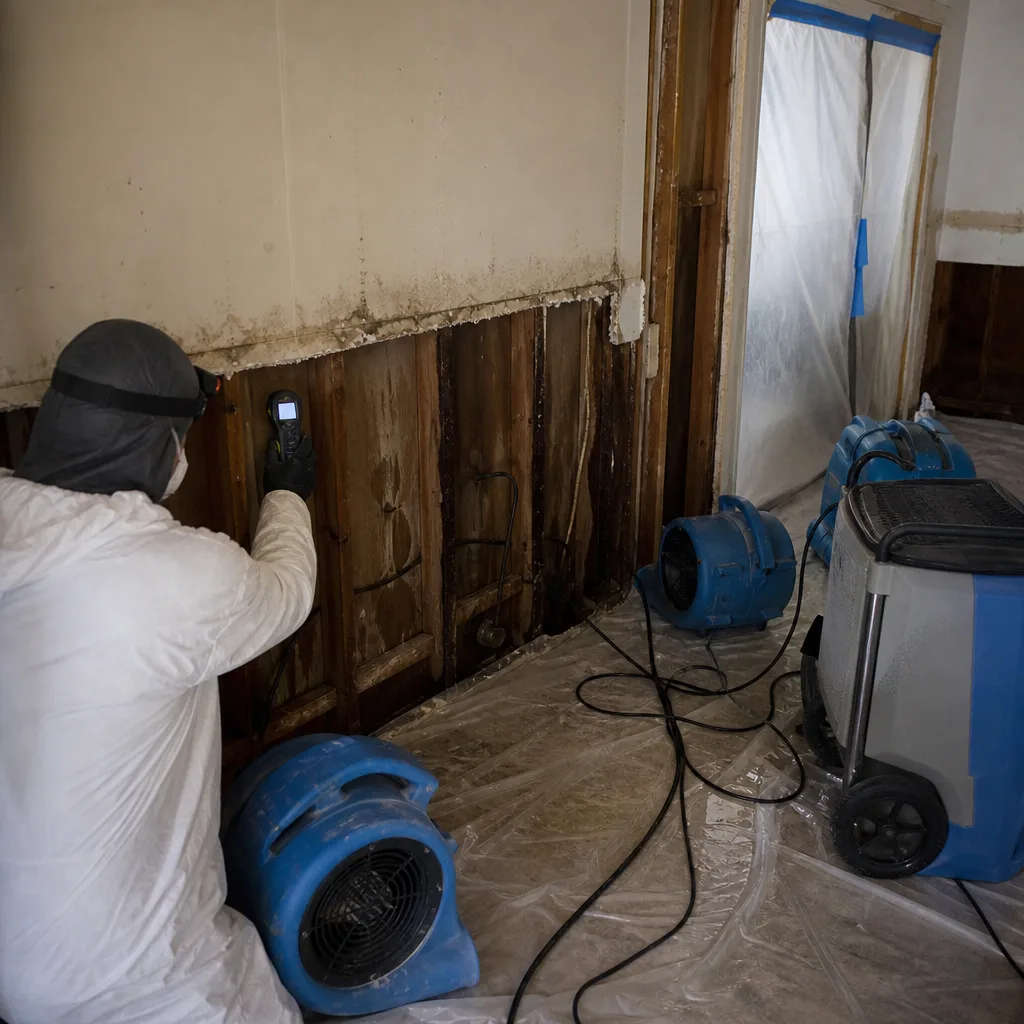
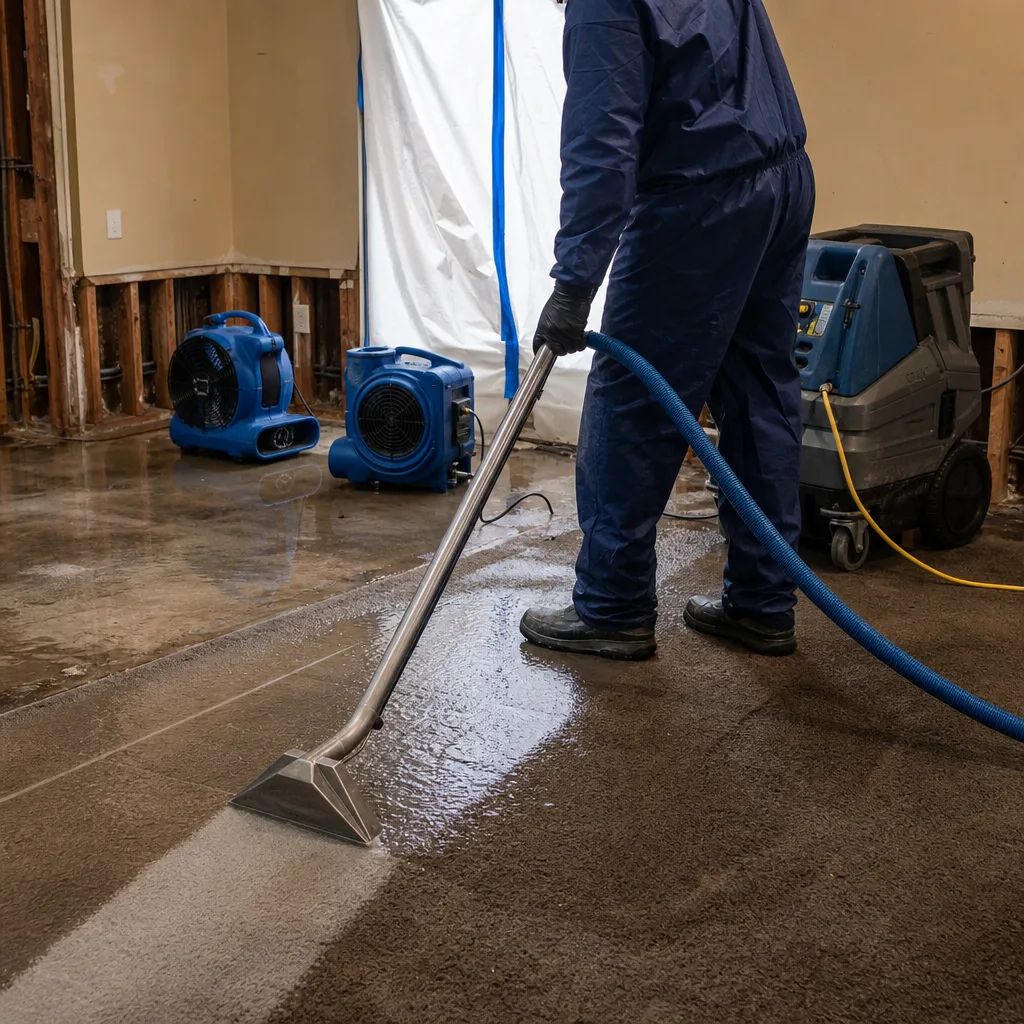
Mitigation is the emergency phase: water extraction, demolition of unsalvageable materials, placement of drying equipment, and daily moisture monitoring until the structure reaches dry standard. In Coronado, mitigation for a Category 1 (clean water) loss in a 1,200-square-foot home typically runs 3 to 5 days. The invoice includes labor for extraction and equipment setup, rental of air movers and dehumidifiers, and daily psychrometric readings - the moisture, temperature, and relative humidity data that prove the structure is actually dry. Without these readings, an insurer can argue the drying period was excessive and deny equipment rental days.
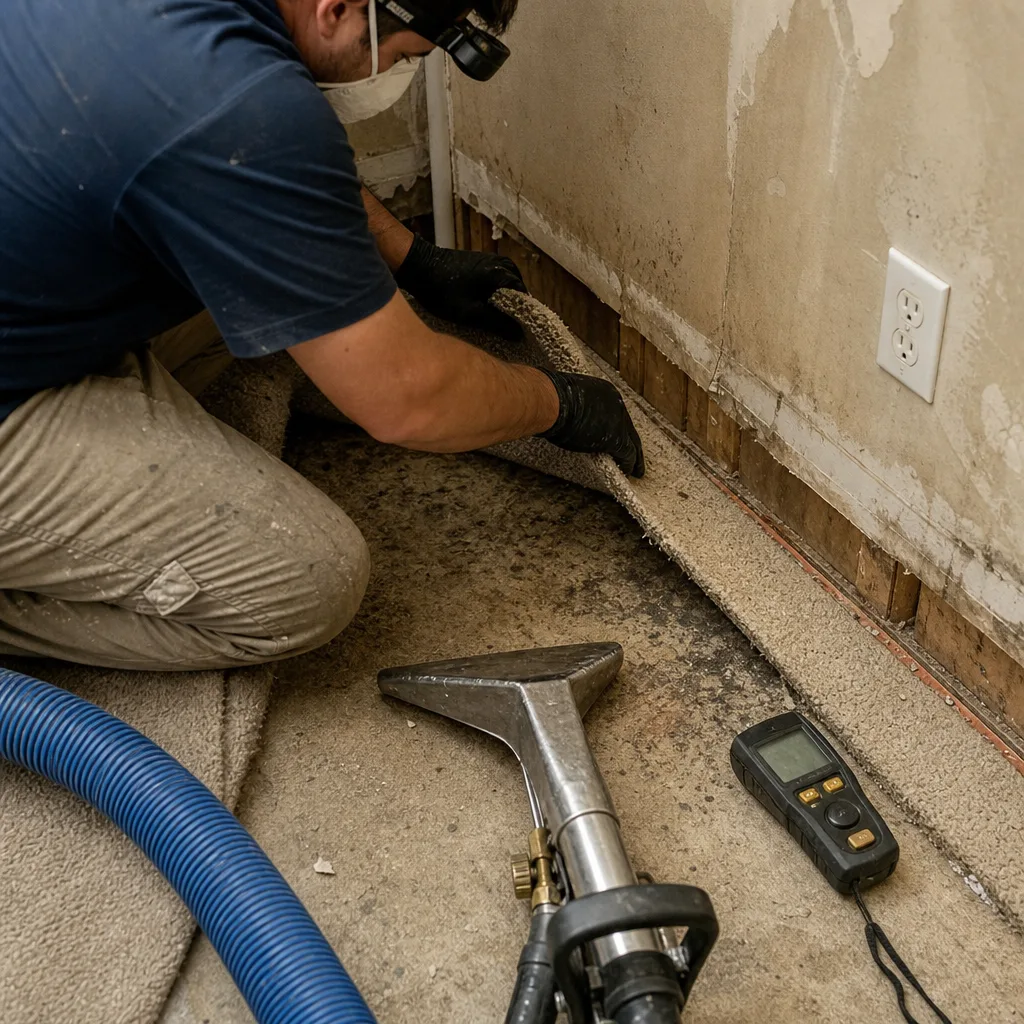
Demolition is sometimes folded into mitigation and sometimes billed separately, depending on the contractor’s structure and the insurer’s preferences. In San Diego County, most carriers prefer demolition as a distinct line item so they can verify that removed materials were actually unsalvageable. This matters in Coronado particularly for plaster and lath walls in pre-1970s homes near the Country Club area, where historical character creates pressure to restore rather than replace. A contractor who demolishes without photo-documenting the irreversible damage may find the insurer refusing to pay for replacement.
Drying continues until moisture content readings fall within 4 percentage points of a dry standard reference - typically an unaffected area of the same home or, in whole-home losses, a comparable structure nearby. The equipment stays running 24 hours, and the contractor bills per machine per day. A standard residential setup in Coronado might include 6 to 10 air movers (Phoenix or Dri-Eaz units at 0.5 to 0.75 horsepower), 2 to 3 refrigerant dehumidifiers (Dri-Eaz Evolution or Phoenix 200 HT), and possibly an Injectidry hardwood floor drying system if the loss involves original oak flooring in a Village home. Each machine generates a serial-numbered drying log; the complete set becomes the documentation package that justifies the final invoice.
Reconstruction is the rebuild phase: new drywall, flooring, paint, trim, and fixtures. This is priced like a remodeling job, not an emergency service, and it should be scoped in writing with material specifications and a fixed price before any work begins. Haven Standard, Clause 1 applies here with particular force: a written price delivered before work starts, with no scope-creep additions once the crew is inside. Reconstruction in Coronado carries premium material costs for coastal-grade finishes - moisture-resistant drywall, stainless or polymer fasteners, and paint systems rated for salt-air exposure.
The water damage restoration process in Coronado follows this same four-phase structure whether the loss originates from a failed water heater in a Cays condo or a supply line rupture in a historic Orange Avenue property. The documentation requirements, however, vary significantly by property type and insurer.
Coronado Market Rates 2026: What Each Line Item Actually Costs
These figures reflect actual 2026 pricing for licensed, insured restoration work in Coronado and comparable San Diego County coastal markets. They are ranges, not quotes; your specific loss will vary by square footage, access conditions, and material specifications.
Mitigation Labor and Equipment
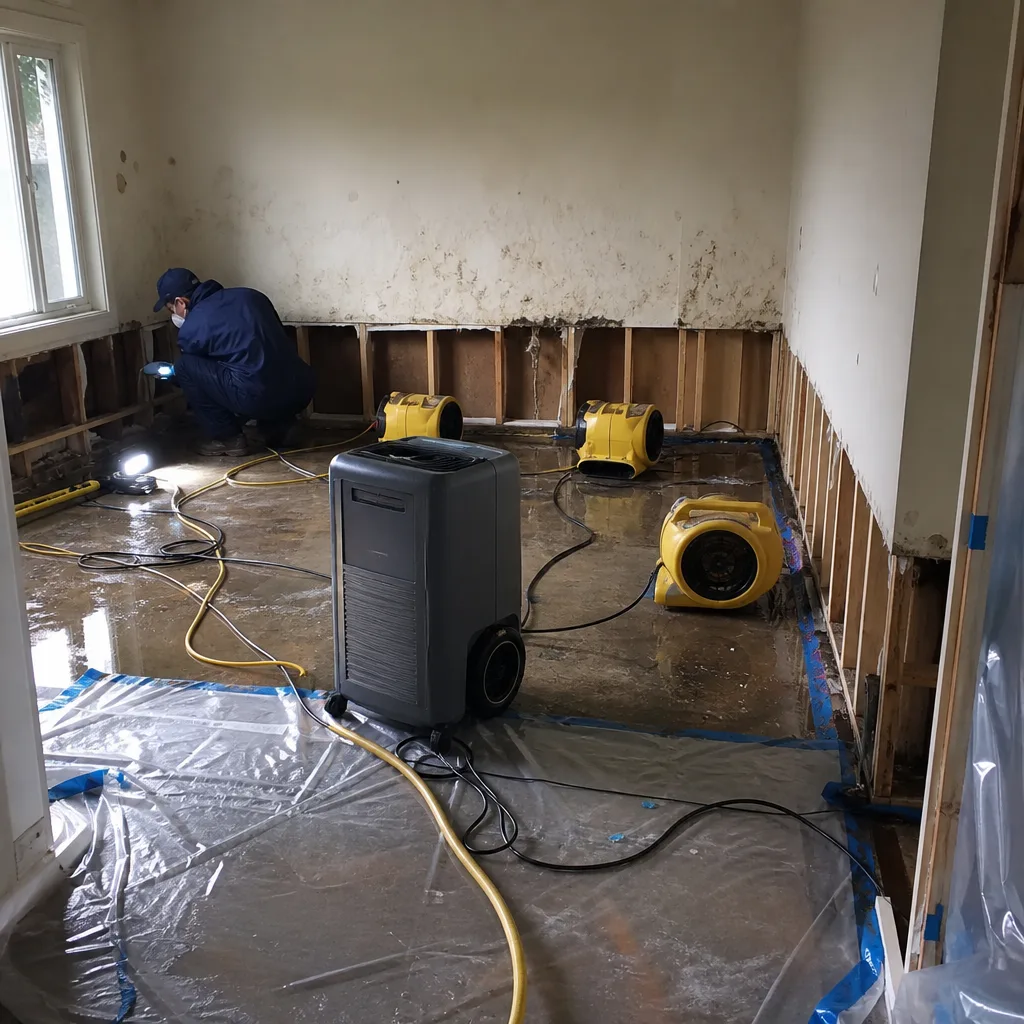
- Water extraction (standing water): $180 to $340 per hour, 2- to 4-hour minimum. Truck-mounted extraction units with 100-foot hose runs are standard; homes on the Cays with limited street access may require portable units at slightly higher labor rates.
- Air mover rental: $25 to $40 per machine per day. A typical 1,200 sq. ft. loss requires 6 to 10 units for 3 to 5 days.
- Refrigerant dehumidifier rental: $85 to $140 per machine per day. Most residential losses need 2 units.
- Desiccant dehumidifier (large commercial or whole-home losses): $450 to $750 per day, including fuel and operation.
- Injectidry hardwood floor drying system: $320 to $480 per day, plus panel rental at $8 to $12 per panel. Common for original oak in Village properties.
- Daily moisture monitoring and documentation: $95 to $150 per visit, typically once daily until dry standard is reached.
- Psychrometric report compilation: $180 to $280 flat fee. This is the documented evidence package that supports your insurance claim.
Demolition and Disposal
- Demolition labor (wet drywall, insulation, flooring): $55 to $85 per hour per technician, typically 2 technicians for 4 to 8 hours on a standard residential loss.
- Debris disposal: $180 to $320 per load, plus $45 to $75 per ton over initial allowance. Coronado’s limited disposal access can add one additional load versus inland equivalents.
- Asbestos/lead testing (pre-1978 homes): $280 to $450 per sample set. Required before demolition in many Coronado Village and Country Club properties.
Reconstruction (Per-Square-Foot Ranges)
- Drywall installation and finish (standard): $3.20 to $4.80 per sq. ft.
- Drywall installation and finish (moisture-resistant, coastal grade): $4.50 to $6.80 per sq. ft. Recommended within 2 miles of the bay or ocean.
- Oak hardwood floor replacement (matched to existing): $14 to $22 per sq. ft. installed. Premium for rift-sawn or quarter-sawn matching in historic properties.
- Engineered hardwood (coastal moisture-stable): $9 to $14 per sq. ft. installed.
- LVP/LVT flooring (waterproof, salt-air rated): $6.50 to $10.50 per sq. ft. installed.
- Interior paint (two coats, standard trim): $2.80 to $4.20 per sq. ft. of wall surface.
- Interior paint (coastal-grade system, primer plus two coats): $4.20 to $6.50 per sq. ft. Required for warranty coverage in salt-air zones.
- Baseboard and trim replacement (paint-grade): $4.50 to $7.50 per linear ft.
- Baseboard and trim replacement (stain-grade oak): $9 to $15 per linear ft.
General Conditions and Overhead
This is the disputed category. In Coronado, legitimate general conditions include: project supervision at $85 to $125 per hour, job site protection and dust containment at $180 to $450 depending on home size, permit expediting at $150 to $350 (Coronado’s planning department has specific restoration protocols), and equipment mobilization for island access. What general conditions should not include: undefined “administrative fees,” percentage-based overhead markups above 15% on reconstruction, or charges for activities already covered in line-item labor rates. Ask for the breakout. Haven Standard, Clause 1 requires it.
The Xactimate Line Items California Insurers Dispute Most
Xactimate is the pricing database most California insurers use to benchmark restoration invoices. When a contractor’s line item exceeds Xactimate’s regional rate or lacks supporting documentation, the insurer flags it for review or denial. These are the five most commonly disputed items in San Diego County claims, and how proper documentation resolves each dispute before it starts.
- Equipment rental days beyond “standard” drying period. Xactimate assumes a 3-day dry for Category 1 losses, 5 days for Category 2, and 7 days for Category 3. In Coronado’s humid coastal climate, actual drying times often exceed these benchmarks. The resolution: daily psychrometric readings showing moisture content, relative humidity, and vapor pressure differential at each monitoring point, with a clear dry standard reference. We document to IICRC, RIA, and IFA standards using Dri-Eaz and Phoenix equipment with serial-numbered logs.
- Demolition of “restorable” materials. Insurers routinely challenge whether drywall or flooring could have been dried in place rather than removed. The resolution: photo documentation of the pre-demolition condition, moisture meter readings showing saturation beyond the salvage threshold (typically 16% moisture content for drywall, 20% for softwoods), and written justification in the scope. Our photo record on every visit is standard, never an upsell.
- Specialty equipment (Injectidry, desiccant, air scrubbers). Xactimate requires justification for equipment beyond standard air movers and dehumidifiers. The resolution: written scope specifying the flooring type or contamination level that necessitates specialty equipment, with photo evidence. Original oak flooring in a 1920s Coronado Village home justifies Injectidry; sewage backup in a ground-floor Cays unit justifies HEPA air scrubbers and vapor barriers.
- Overhead and profit on mitigation. Some insurers resist paying overhead and profit on emergency mitigation, arguing it should be included in labor rates. The resolution: line-item separation of direct costs (labor, equipment, materials) from overhead (supervision, insurance, vehicle, communications), with overhead calculated as a documented percentage of direct costs, not an arbitrary add-on. Our written scope shows this breakout explicitly.
- Matching and code upgrade costs. California law requires insurers to pay for matching replacement materials when partial repair creates a visible difference, and for code-required upgrades when restoration triggers compliance obligations. The resolution: pre-restoration photo documentation showing the original material and finish, written code citation (Coronado Municipal Code or California Building Code section), and specification of the replacement material that achieves match or compliance. Coronado’s coastal zone has specific requirements for flood-resistant materials in FEMA-mapped areas that inland San Diego does not.
The DryMark Restoration Coronado home page outlines our full documentation protocol, which is designed to preempt these disputes rather than respond to them after the fact.
Why Coronado Costs More Than Inland San Diego: Permits, Access, and Salt Air
Coronado homeowners often receive estimates 15% to 35% above comparable losses in Rancho Bernardo or Poway. Three factors explain this differential, and each should appear as a verifiable line item on any legitimate invoice.
Permit fees and processing. Coronado’s Community Development Department charges permit fees for reconstruction work that exceeds cosmetic repair. As of 2026, a standard residential restoration permit runs $380 to $720 depending on project valuation, with plan check fees of $180 to $350 if structural elements are involved. Expedited processing for emergency reconstruction adds 50% to base fees. Contractors who work without permits expose homeowners to stop-work orders and uncovered liability; contractors who absorb permit costs into “general conditions” without disclosure violate Haven Standard, Clause 1. For a complete breakdown of requirements, see Damage Restoration Permits, Codes & Inspections in CA: What You Need to Know.
Coastal access logistics. The Coronado Bridge and Silver Strand create natural bottlenecks. Equipment delivery from San Diego-based warehouses adds 45 to 90 minutes round-trip versus inland destinations. For emergency mitigation, this means either higher mobilization charges or pre-positioned equipment maintained on the island. We maintain a Coronado equipment cache specifically to eliminate bridge-delay surcharges on emergency calls.
Salt-air material specifications. Within 2 miles of San Diego Bay or the Pacific Ocean, standard interior materials fail prematurely. Moisture-resistant drywall (green board or cement board in wet zones) costs 40% more than standard. Coastal-grade paint systems with salt-air warranties add $1.50 to $2.30 per square foot. Stainless or polymer fasteners add 15% to trim installation labor. These are not upsells. They are material requirements for any warranty-backed reconstruction in Coronado, and they should be specified in writing before work begins.
Homes in the Cays, the Village core, and along Ocean Boulevard face the most severe salt-air exposure. Properties north of Orange Avenue and east of Third Street see moderated effects but still benefit from upgraded specifications. A contractor who specifies standard materials for a waterfront Coronado reconstruction is either uninformed or planning to substitute after contract signing.
Contractor Estimate vs. Insurer Payment vs. Final Settlement
These three numbers are rarely the same, and the difference creates the confusion that costs homeowners thousands.
The contractor’s estimate is the scope of work priced at market rates. A legitimate estimate in Coronado should include: line-item labor, equipment, materials, permit fees, and overhead; material specifications by manufacturer and grade; a completion timeline; and a fixed total with no open-ended contingencies. Haven Standard, Clause 1 requires this in writing before work begins. If a contractor offers a “rough ballpark” or “we’ll figure it out as we go,” the estimate is not an estimate. It is a blank check.
The insurer’s initial payment is typically the Actual Cash Value (ACV) of the damaged property - replacement cost minus depreciation. For a 10-year-old water heater that failed and damaged surrounding finishes, the insurer may pay for 10-year-old finishes, not new ones. The initial payment often runs 50% to 70% of the contractor’s estimate. This is normal. It is not a dispute. It is a starting point.
The final settlement depends on the policy type and the documentation quality. With Replacement Cost Value (RCV) coverage, the insurer pays the difference between ACV and full replacement cost upon proof of completion. This is where documentation becomes financial. The homeowner must submit: the contractor’s final invoice, photo documentation of completed work, permit completion certificates, and sometimes material invoices. Missing any of these delays or reduces the final payment.
The critical point: the homeowner is contractually obligated to the contractor for the estimate amount, not the insurer’s payment. If the insurer underpays, the homeowner owes the difference unless the contractor agrees otherwise. This is why a written scope with fixed pricing matters more than the insurer’s initial check. A properly documented claim with photo evidence, drying logs, and permit completion almost always closes at full RCV. A poorly documented claim leaves the homeowner holding the gap.
We provide the complete documentation package - photo record, drying log, written scope, and permit completion - as standard on every job. This is not an extra service. It is the core of what restoration should be.
What a Written Scope and Fixed Price Saves You
Open-ended time-and-materials contracts in restoration create a fundamental misalignment: the contractor earns more by working longer and using more equipment. In California coastal markets, this misalignment produces measurable cost inflation.
A 2024 analysis of comparable water damage losses in coastal Orange County and San Diego County found that homeowners on time-and-materials contracts paid an average of 23% more out-of-pocket than those with fixed-price scopes, controlling for loss category, square footage, and finish quality. The inflation came from three sources: extended equipment rental beyond documented drying necessity, labor hours without task-level accountability, and “discovered” scope additions after work began.
Haven Standard, Clause 1 eliminates these sources by requiring a written price before work begins, with no additions once the crew is inside. The scope defines: the exact rooms affected, the specific materials to be removed or restored, the equipment type and quantity, the drying standard and verification method, the reconstruction specifications, and the total price. If conditions change - if demolition reveals hidden damage, for example - the change is documented, photographed, and priced in a written amendment before additional work proceeds. No verbal authorizations. No surprise invoices.
The Free Second Opinion on Any Written Estimate extends this protection: bring a competitor’s quote and we will review it at no charge, identifying undefined line items, missing documentation commitments, and open-ended language that exposes you to cost inflation. We have reviewed estimates in Coronado with “general conditions” representing 35% of the total, with no breakdown; estimates with no material specifications, permitting any substitution; and estimates with no drying standard, allowing indefinite equipment rental. Each of these is a financial risk that a fixed-price, written scope eliminates.
Our 365-Day Done Right Promise, backed by The Haven Standard, applies to the scoped work. If the drying log shows incomplete moisture reduction, if the reconstruction finish fails, if any element of the written scope is not delivered as specified, we make it right. The guarantee is signed, not verbal. It has an address.
Common Mistakes to Avoid
- Accepting a “verbal estimate” or “ballpark range” on an emergency call. In Coronado’s high-value market, a $4,000 “ballpark” can become an $8,500 invoice with no documentation to support the increase. Insist on a written scope before authorizing work.
- Signing a direction to pay that assigns your insurance benefits to the contractor. This transfers your claim rights and removes your leverage if the invoice exceeds the scope. Review any assignment document with your adjuster before signing.
- Neglecting to verify Coronado permit requirements. Unpermitted reconstruction in a FEMA-mapped coastal zone can void future insurance coverage and create resale disclosure obligations. A legitimate contractor pulls permits; a fast one may skip them.
- Assuming the insurer’s first payment is final. ACV payments are interim by design. File for the RCV holdback with completion documentation, or forfeit the difference.
- Ignoring material specifications in the reconstruction scope. “Replace drywall” is not a specification. “5/8-inch moisture-resistant drywall, USG Sheetrock Brand Mold Tough, taped and finished to Level 4” is. Vague scopes permit substitutions that fail in Coronado’s salt-air environment.
- Failing to document the pre-loss condition. Photo your home before any loss occurs. Store the images in cloud storage. These become the evidence of matching and code compliance that insurers otherwise dispute.
- Choosing a contractor based on speed of arrival alone. Emergency response matters, but a crew that arrives in 30 minutes with no documentation protocol creates more problems than it solves. Verify documentation commitments before authorizing entry.
When to Call a Professional
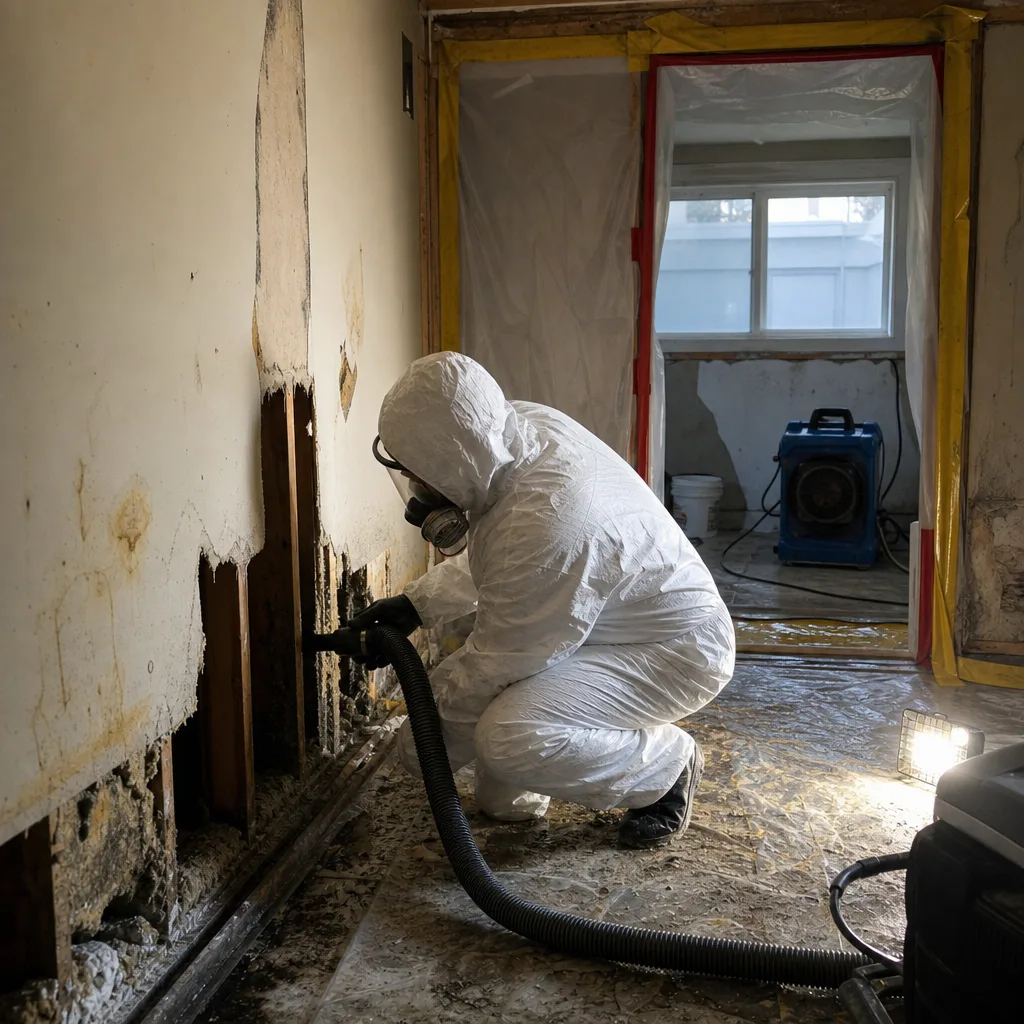
Call a restoration professional when water has affected finished surfaces or structural materials, when mold is visible or suspected, when fire or smoke damage extends beyond a single contained area, or when sewage or biohazard contamination is present. These are not DIY situations - see our DIY vs Professional Damage Restoration: The Coronado Homeowner’s Decision Guide for a full analysis: Category 2 and 3 water carries pathogen and chemical risks; fire damage often includes compromised structural elements invisible to untrained inspection; and mold disturbance without containment spreads spores throughout the HVAC system.
In Coronado, specific scenarios that require immediate professional response include: water intrusion in pre-1970s homes with plaster and lath construction, where moisture trapping behind walls accelerates decay; any flooding in FEMA-mapped zones where mold growth begins within 48 hours in our humid coastal climate; and smoke damage in historic properties with original finishes that require specialized cleaning protocols. Fire and smoke damage restoration in Coronado demands particular care for these character-defining materials.
DryMark Restoration Coronado offers free estimates in Coronado - call (619) 649-7428. Every estimate includes a written scope, a fixed price, and a documentation commitment before any work begins.
Frequently Asked Questions
Standard residential water damage mitigation in Coronado ranges from $3,200 to $8,500, with reconstruction adding $4,000 to $15,000 depending on finish quality and square footage. Category 1 (clean water) losses at the lower end of affected area fall near $3,200; Category 3 (black water) losses with full demolition and coastal-grade reconstruction can exceed $20,000. Call (619) 649-7428 for a written estimate specific to your property - estimates are free.
Most homeowner policies cover sudden and accidental water damage from internal sources - burst pipes, failed water heaters, appliance overflows. They typically exclude gradual leaks, flood damage from external water (unless you carry separate flood insurance), and sewer backup without a specific rider. The key to coverage is documentation: photo evidence of the source, moisture readings proving the extent, and a written scope linking the damage to the covered peril. We coordinate directly with adjusters and provide the documentation package that supports your claim.
Emergency response for active water losses is available 24 hours a day, 7 days a week with no voicemail on emergency lines. Our Coronado equipment cache eliminates bridge-delay mobilization, and we typically arrive within 60 to 90 minutes of call confirmation for island properties. Reconstruction is scheduled, not emergency-dispatched; it requires permit application, material procurement, and crew assignment with a written scope and fixed price before work begins.
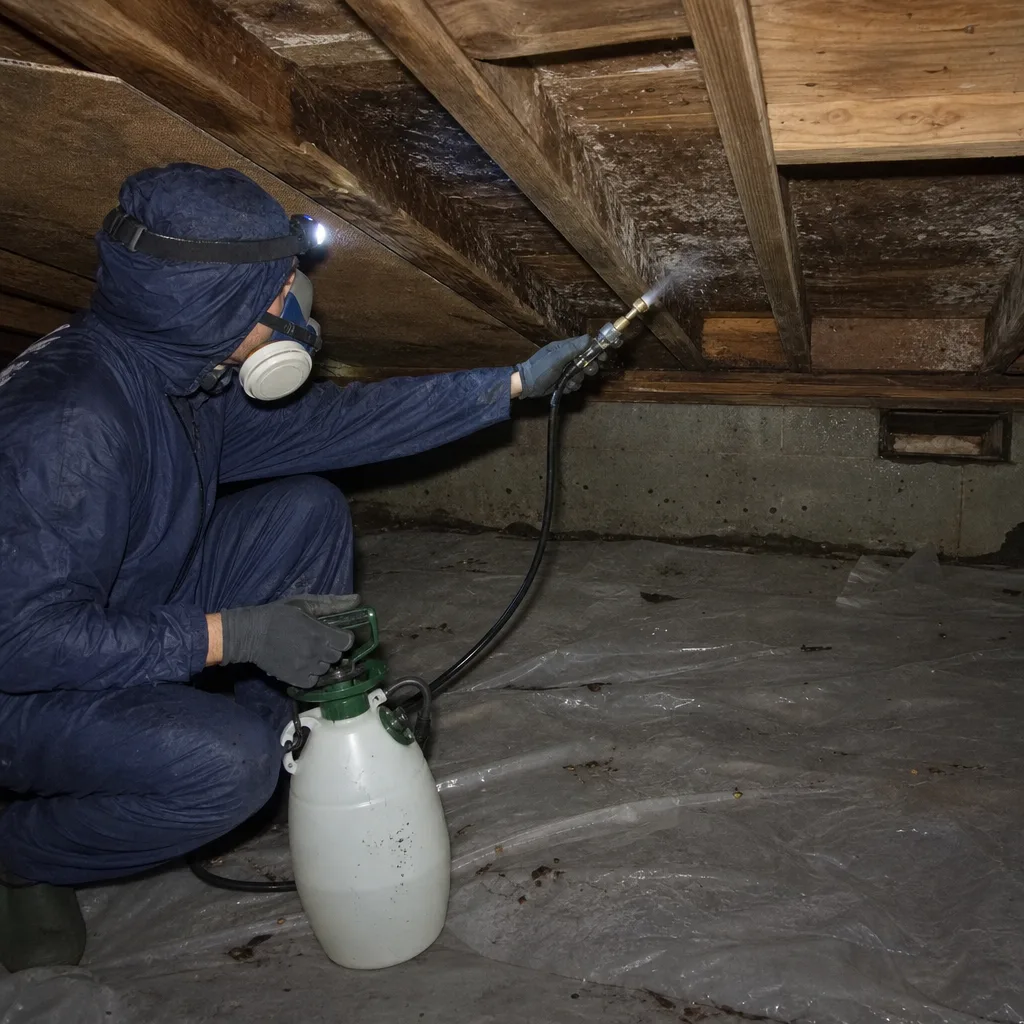
Visible mold growth exceeding 10 square feet, or any mold growth following Category 2 or 3 water damage, requires professional remediation under IICRC S520 standards. “Cleaning” without containment and negative air pressure spreads spores and worsens the problem. In Coronado’s humid coastal climate, mold colonizes within 24 to 48 hours of water intrusion. Mold remediation in Coronado follows strict containment, air filtration with HEPA scrubbers, and post-remediation verification testing to confirm clearance.
We do, if you authorize it. Our documentation - photo record, drying log, written scope, permit completion - is formatted for direct adjuster submission. We attend adjuster meetings on request, explain line items by reference to Xactimate and IICRC standards, and advocate for full Replacement Cost Value settlement. You retain final approval authority; we provide the evidence and the expertise to support your claim.
Three factors: Coronado permit fees add $380 to $720 for reconstruction work; salt-air material specifications (moisture-resistant drywall, coastal-grade paint, stainless fasteners) add 15% to 40% to material costs; and island access logistics increase mobilization and delivery charges. Each should appear as a defined line item on your estimate, not a vague “location adjustment.” Ask your contractor to break out each factor and verify it against actual permit schedules and material invoices.
The Bottom Line
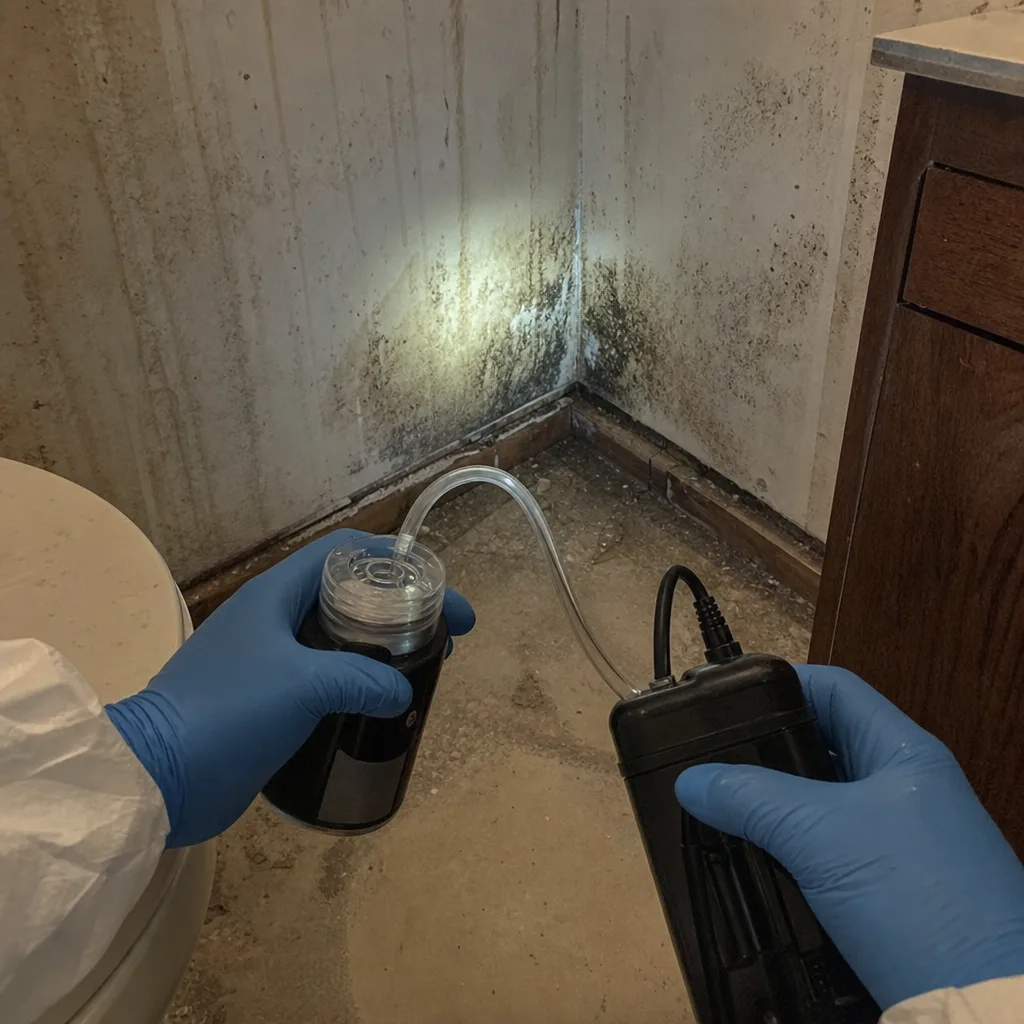
Restoration invoices are opaque by convention, not by necessity. The Coronado homeowners who pay the least out-of-pocket are the ones who read line-item estimates before signing, who understand the difference between a contractor’s estimate and an insurer’s initial payment, and who demand written scopes with fixed prices and full documentation packages. In 2026, with coastal material costs, permit requirements, and salt-air specifications adding measurable premium to every Coronado job, this literacy is not optional. It is financial protection. The Haven Standard was built to provide it: written price before work begins, photo record on every visit, and a 365-Day Done Right Promise backed by signed guarantee. Explore more guides & resources on protecting your home and claim. Twelve thousand homes since 2011, every one documented, every one priced in writing first.
Written by Alicia Brennan, Owner at DryMark Restoration Coronado, serving Coronado since 2011.