
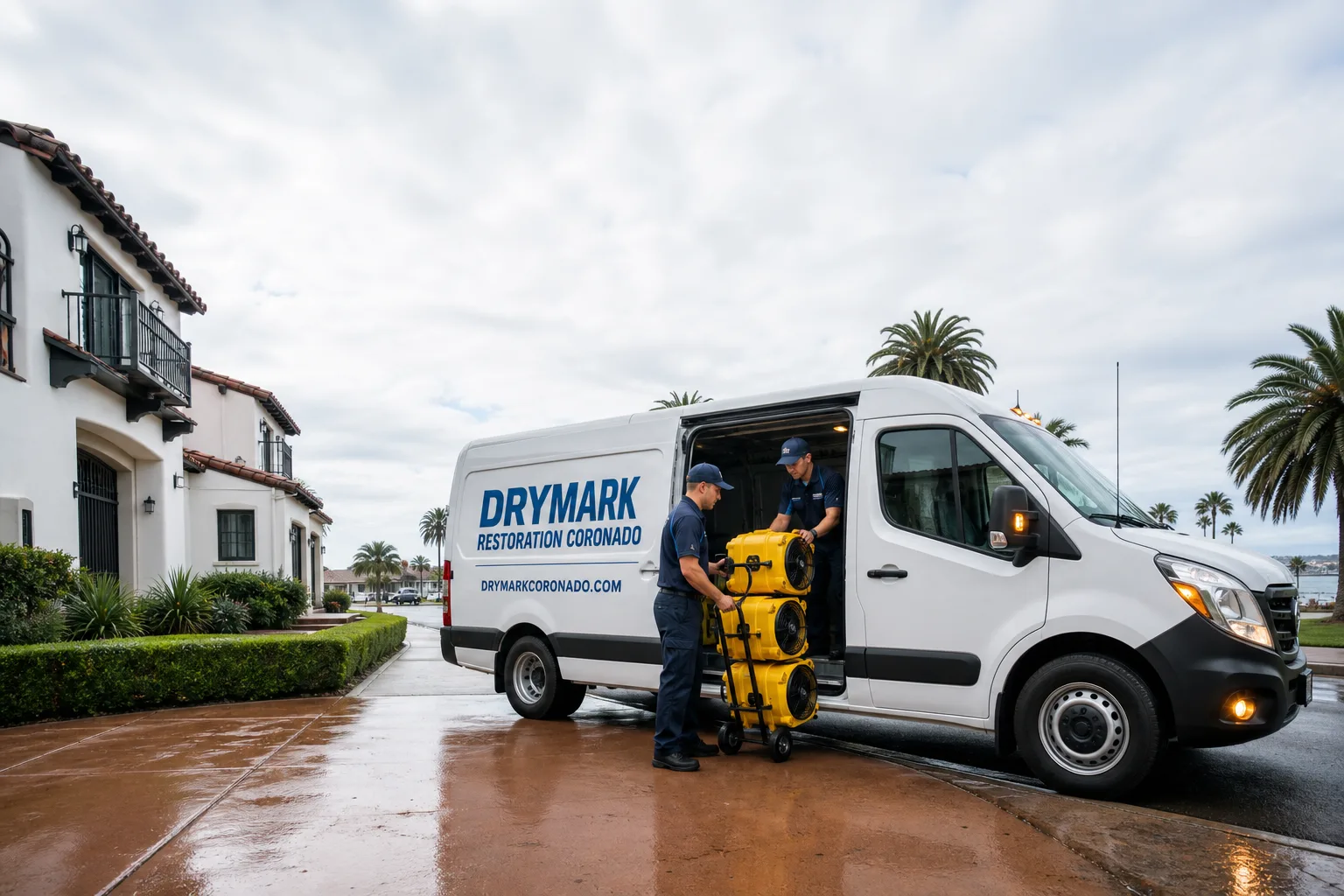
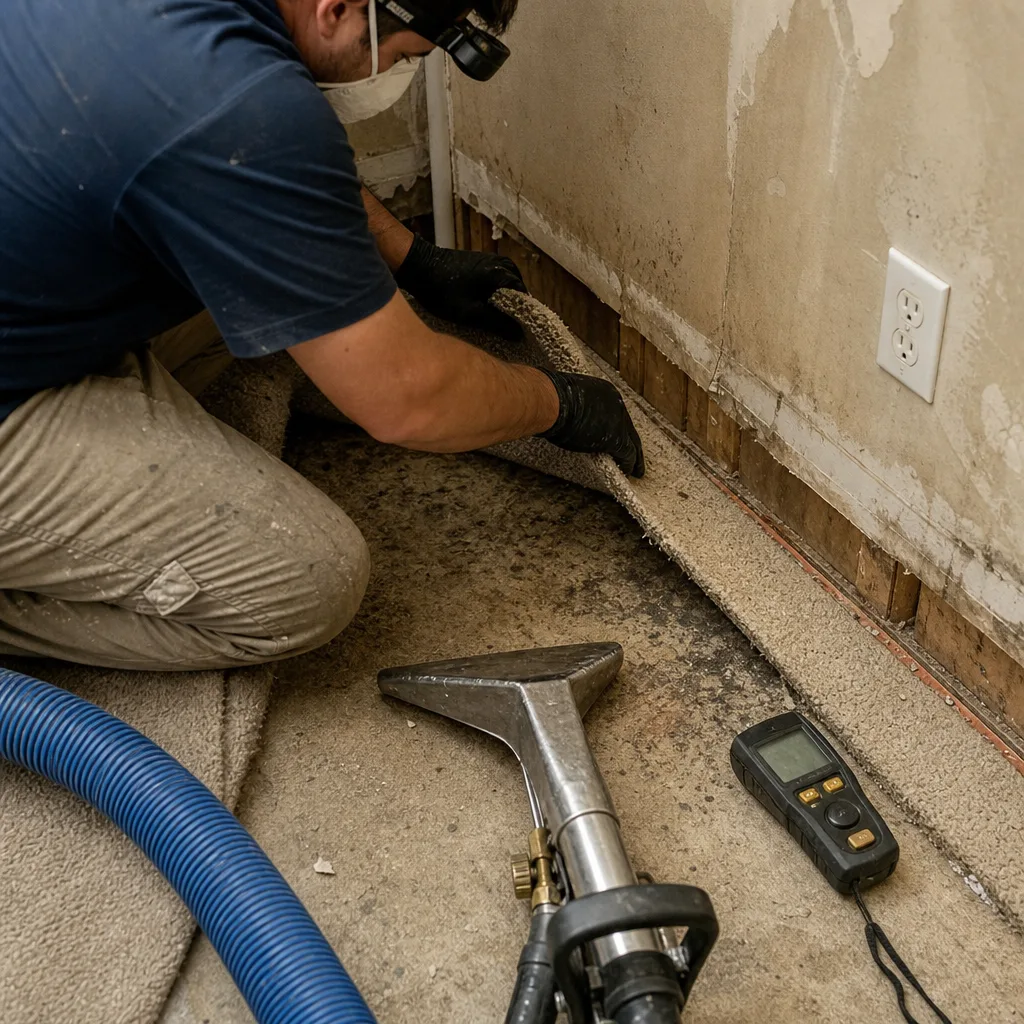
Free visual inspection and a written scope of work before any mitigation begins - photos, moisture readings, and drying logs go in your claim file
The scope we write is the scope we bill. Anything new gets shown to you, in writing, before we touch it.
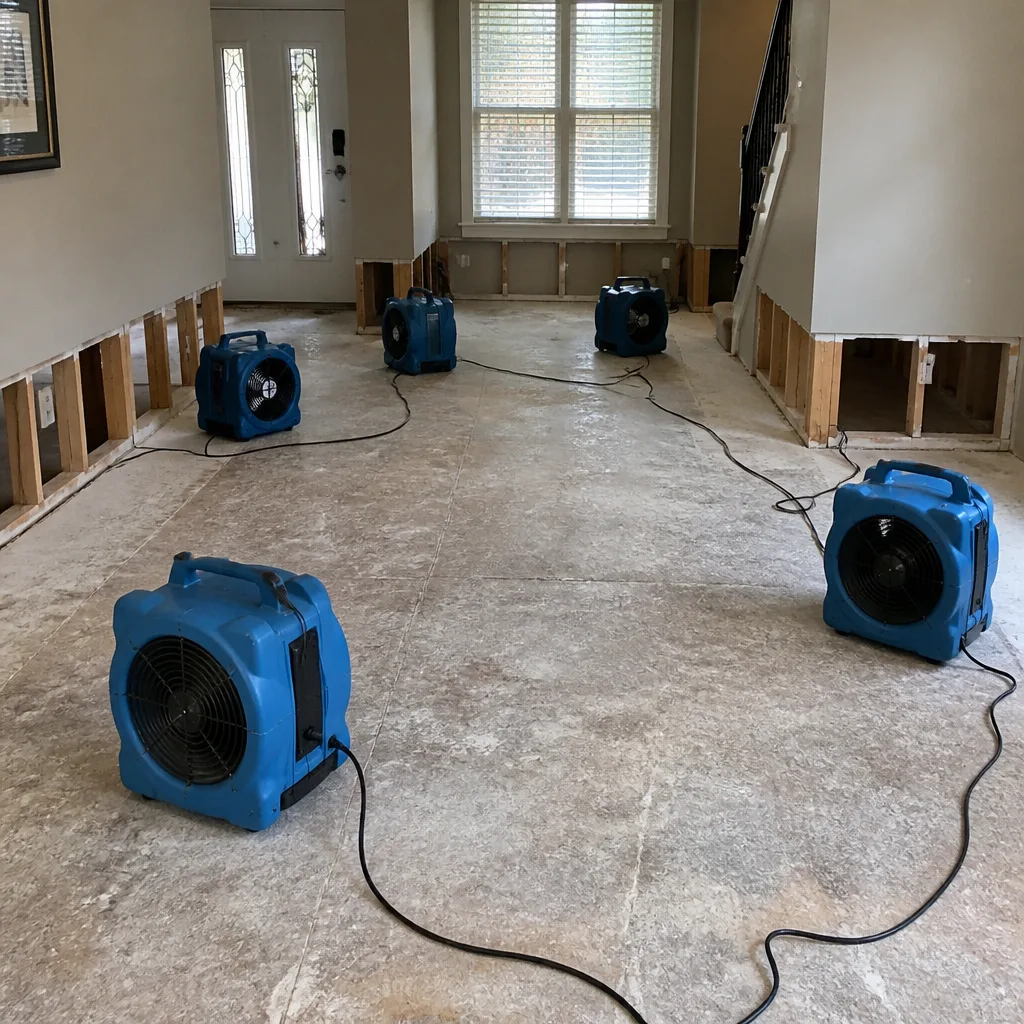
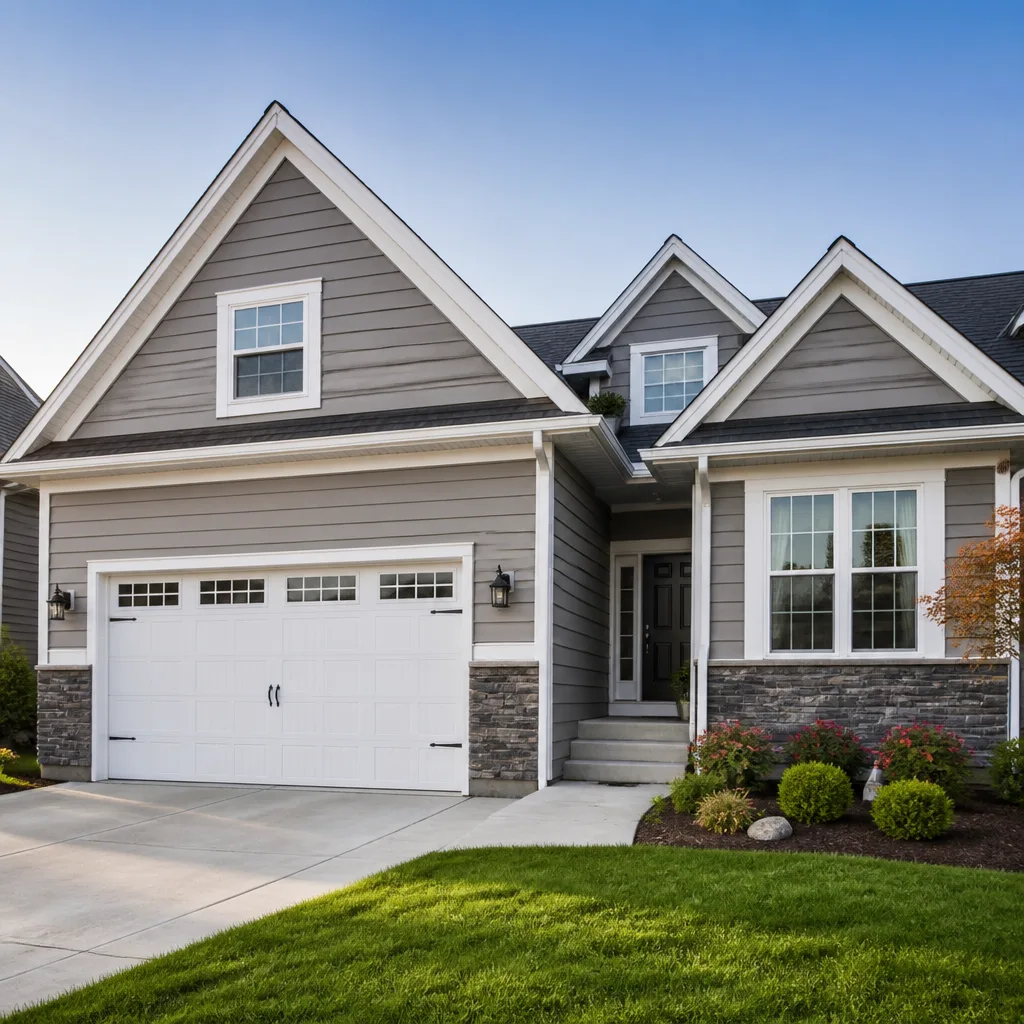
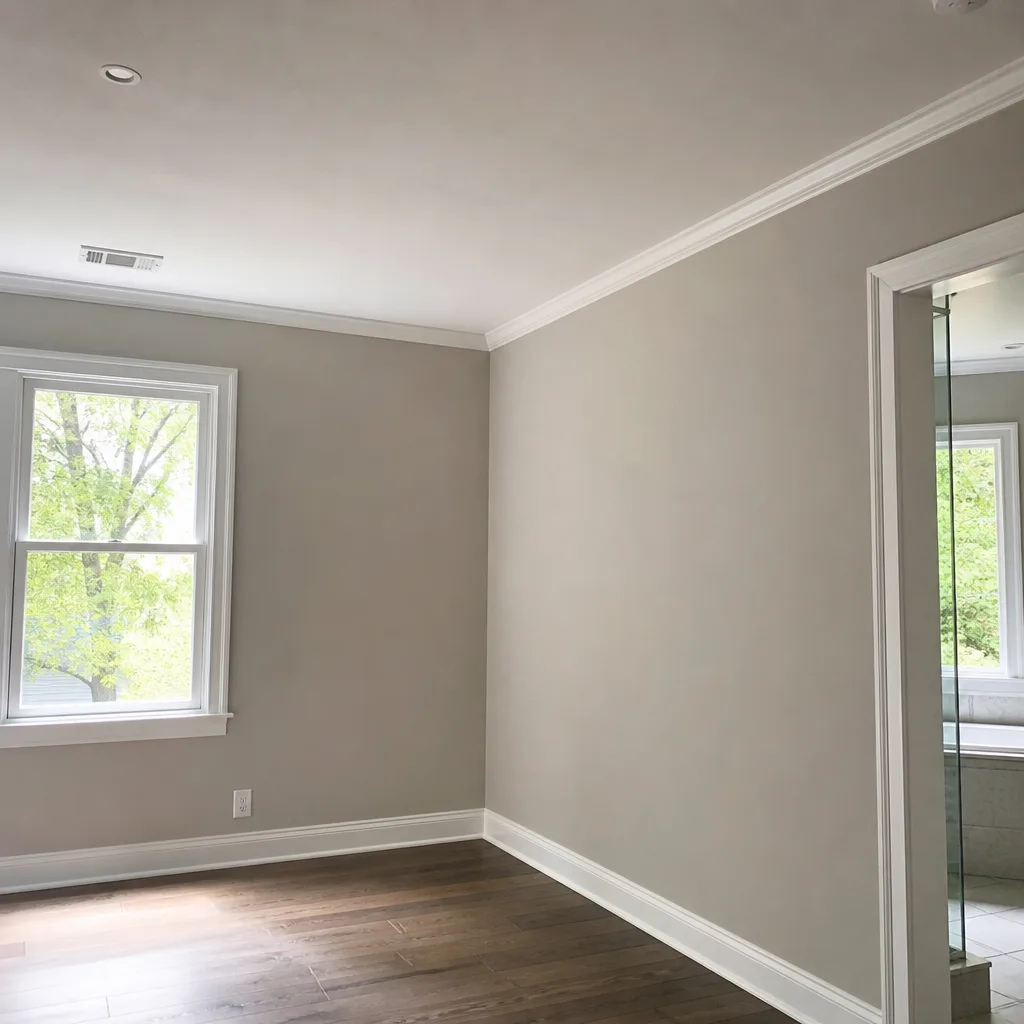
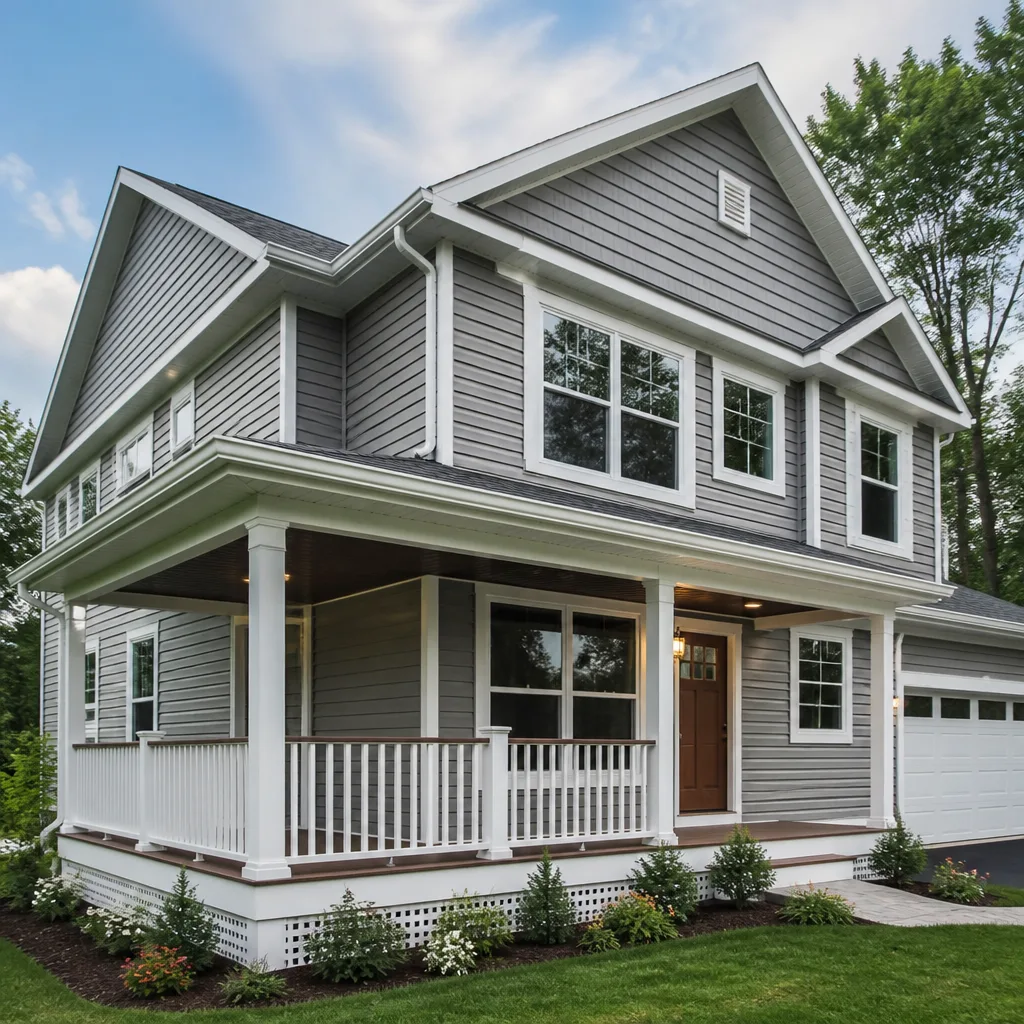
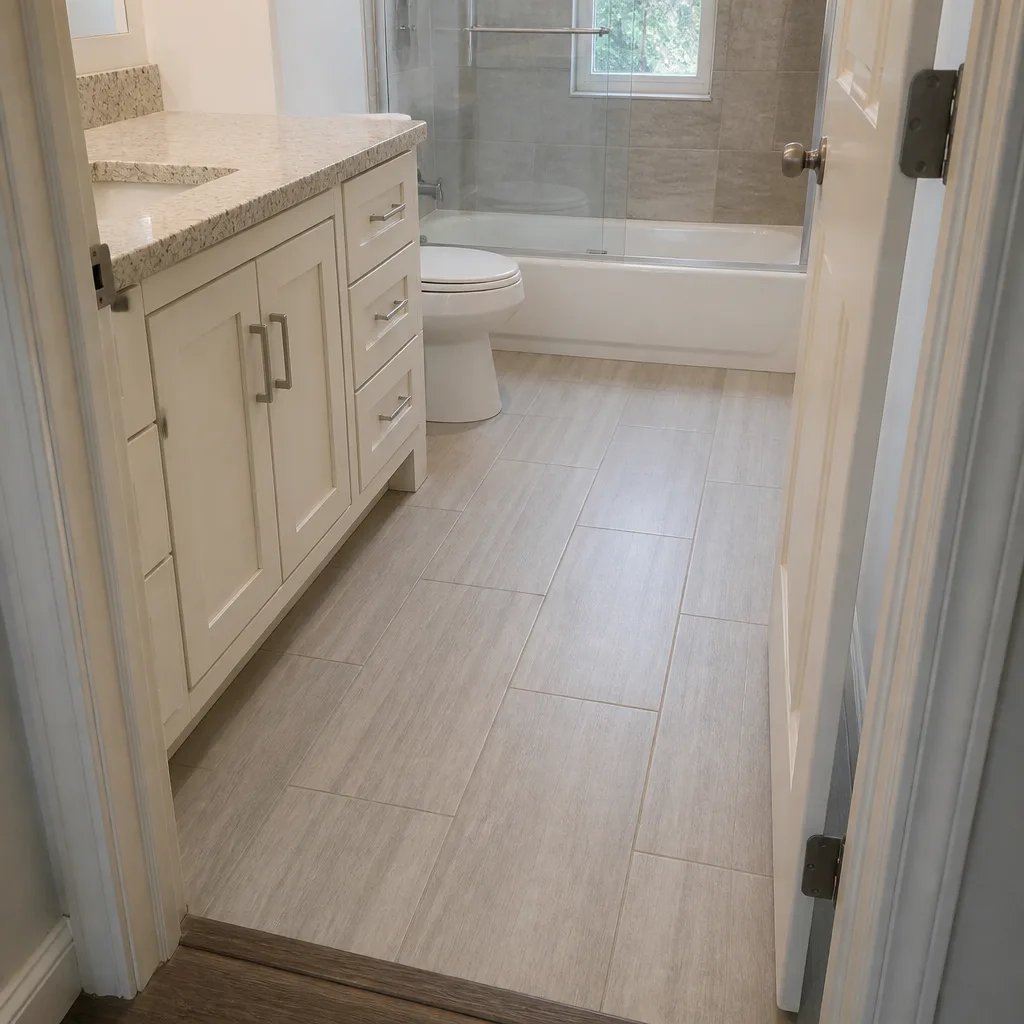

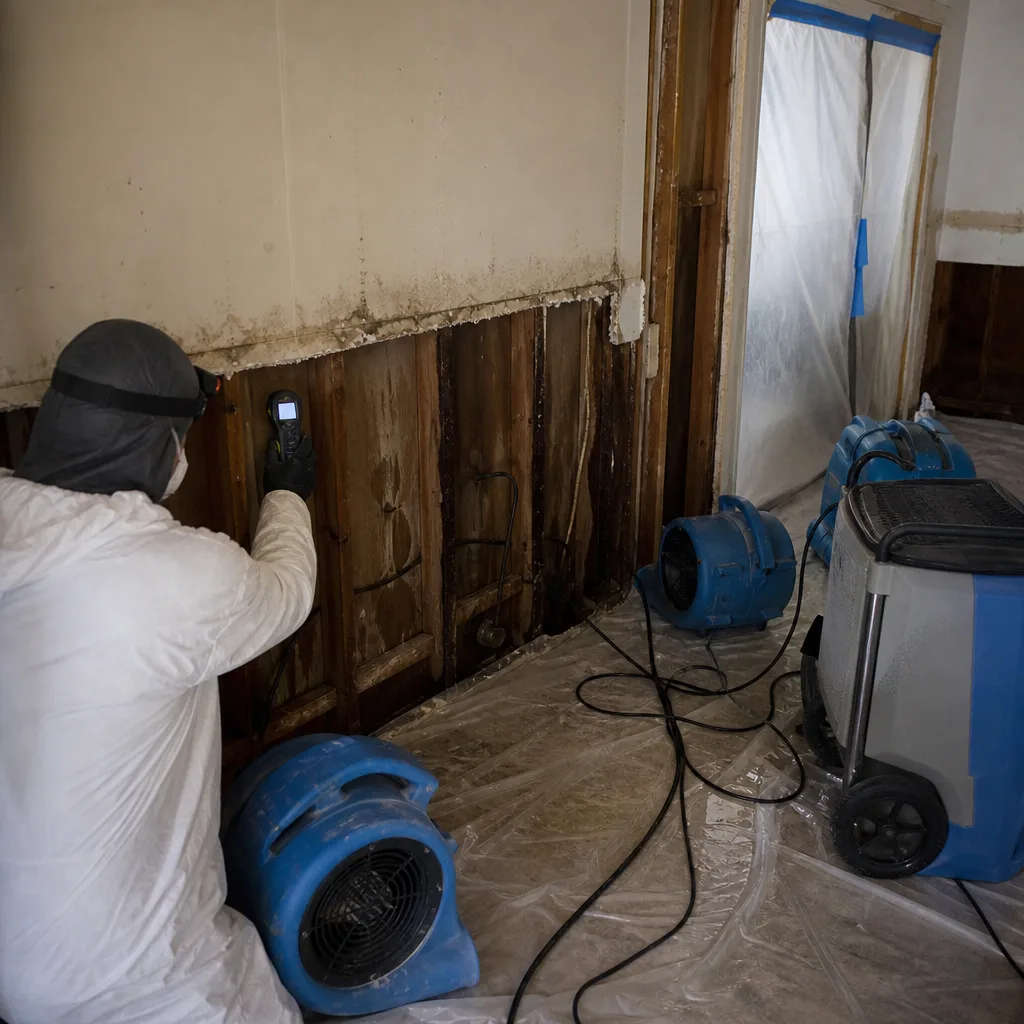 Before
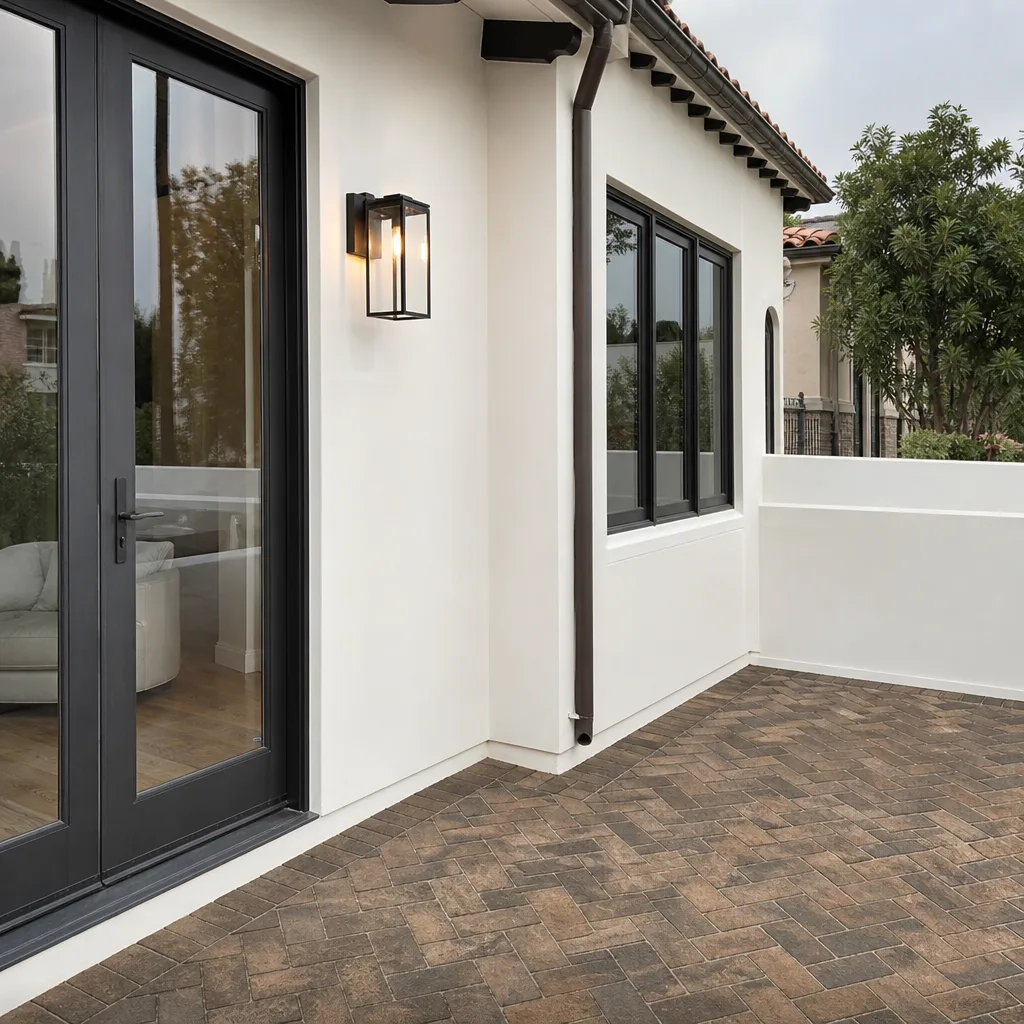 After
After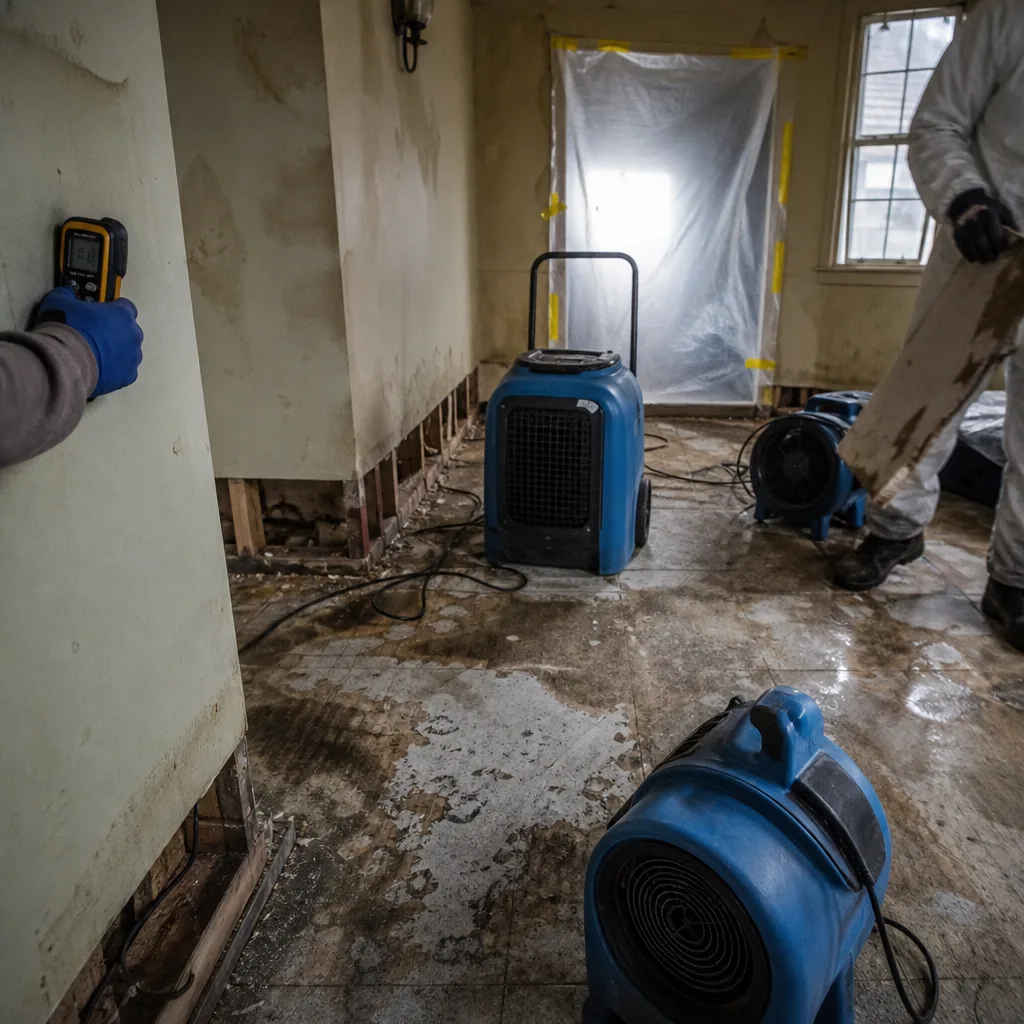 Before
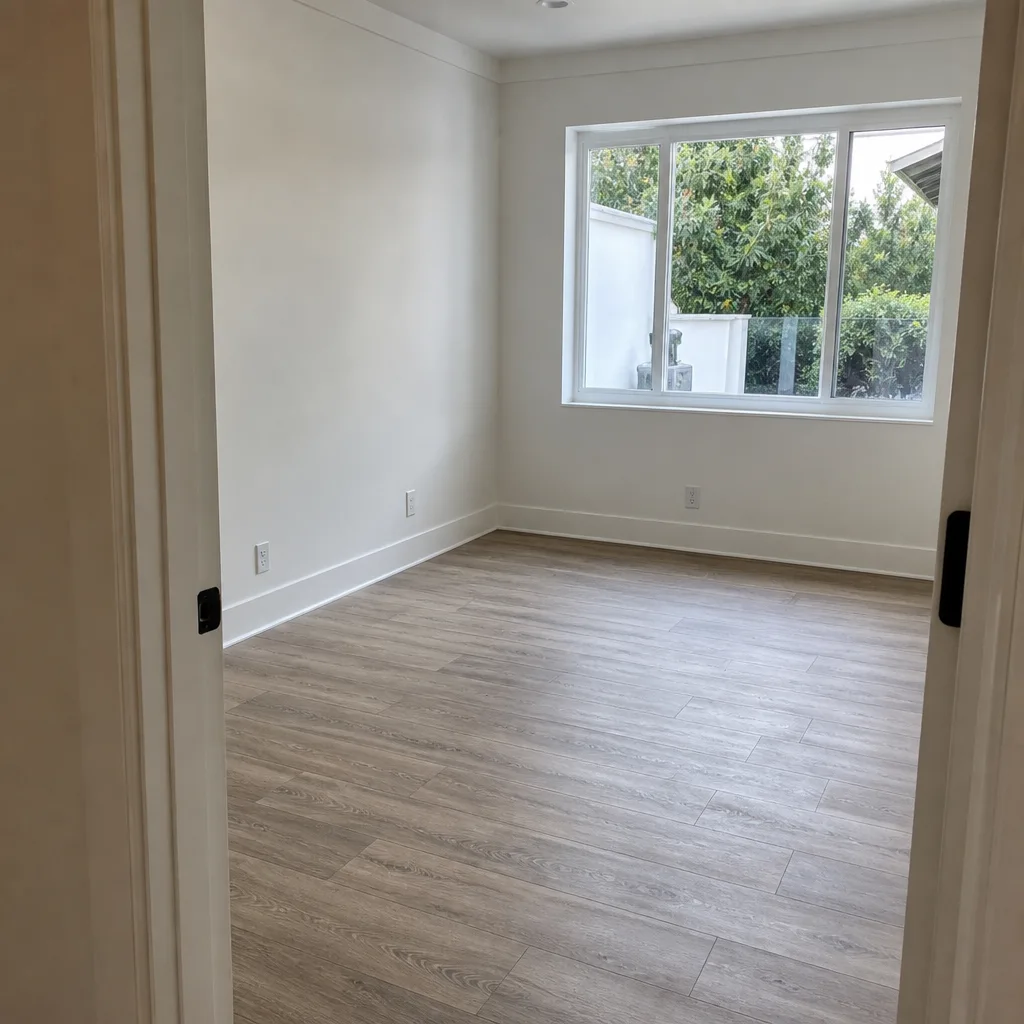 After
After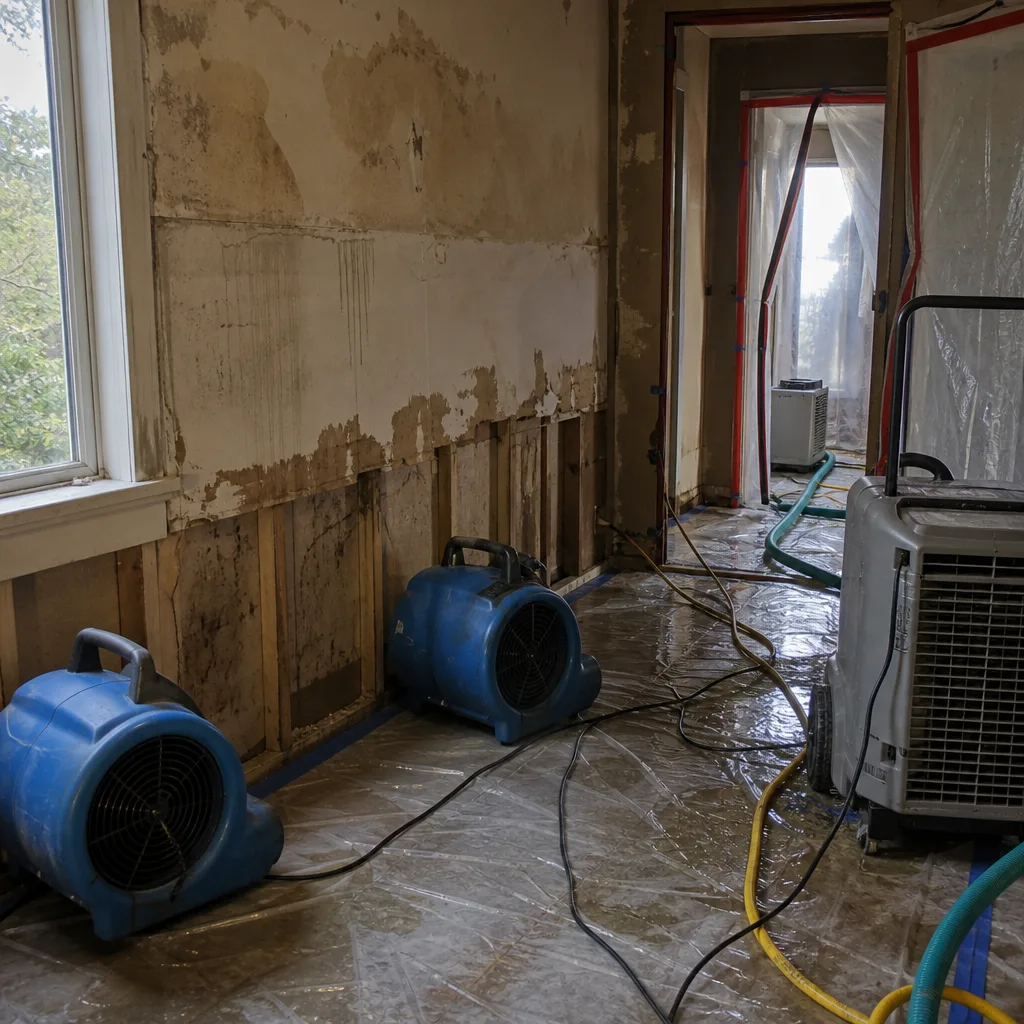 Before
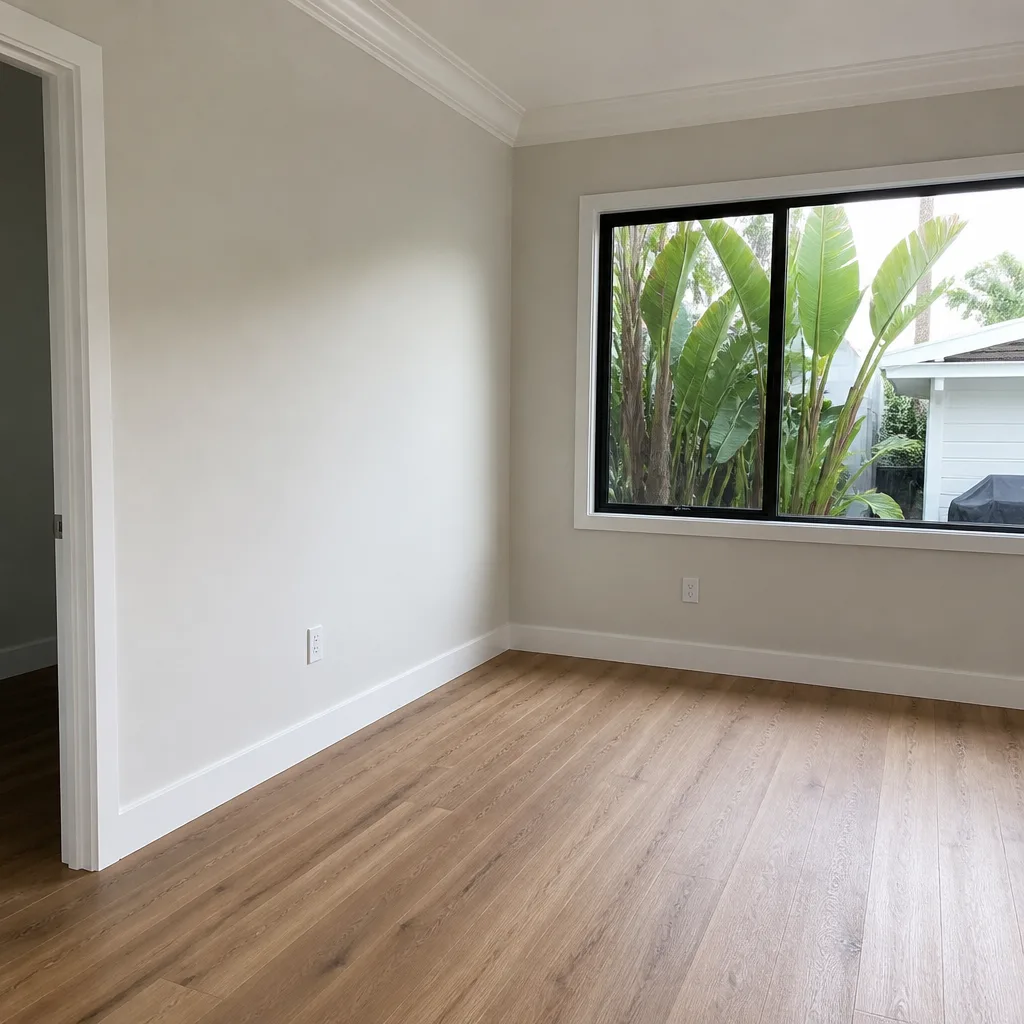 After
AfterFast, Reliable Water Damage Restoration Across El Cajon
Water damage restoration in El Cajon typically runs $2,800-$6,500 for a standard residential mitigation, with emergency water extraction and structural drying usually started within 60-90 minutes of your call. Our Water Damage Restoration team dispatches from our San Diego office to El Cajon around the clock, and we answer every emergency line with a live person - no voicemail, no callbacks tomorrow while water keeps moving.
We’ve restored homes from the older ranch tracts east of downtown to the hillside properties near Fletcher Hills, and we know El Cajon’s conditions don’t match coastal San Diego. The valley’s baked clay soil, recurring winter flooding, and post-war housing stock create a restoration profile you won’t find in La Jolla or Del Mar. Alicia Brennan built Back to Dry in 2011 specifically to close the documentation gap that costs homeowners their insurance claims, and that means a written price before any work starts, photo records on every visit, and daily moisture logs that adjusters actually pay without a fight.
Call (619) 649-7428 now. Estimates are free, and emergency crews are standing by.
Why DryMark Restoration Coronado Is El Cajon’s Preferred Water Damage Restoration Company
Back to Dry Restoration has completed more than 12,000 residential restorations since 2011, every one with a written price before work began and a documented photo record when the crew left. In El Cajon, that track record matters because the same valley-floor blocks flood repeatedly - not once a decade - and insurers scrutinize repeat claims harder than first-time events. Our daily drying logs, room-by-room moisture readings, and photo-documented assessments give adjusters the evidence they need to approve the work.
Our response time to El Cajon averages under 90 minutes from call to on-site, coordinated from our San Diego office with crews who know the local street grid and which blocks carry the worst flood history. We’ve worked on original 1950s ranch homes on Mollison Avenue, mid-century tracts near Madison Avenue, and hillside properties off Jamacha Road - each with different water intrusion patterns, each requiring different documentation.
Every technician is background-checked, uniformed, and licensed, with the license number available on request. Our 365-Day Done Right Promise, backed by The Haven Standard, is a signed guarantee - not a marketing line - stamped on every job folder. And our Free Second Opinion on any competitor’s written estimate means you can bring us another company’s scope and we’ll review it at no charge, clause by clause, before you sign.
Our Water Damage Restoration Services in El Cajon
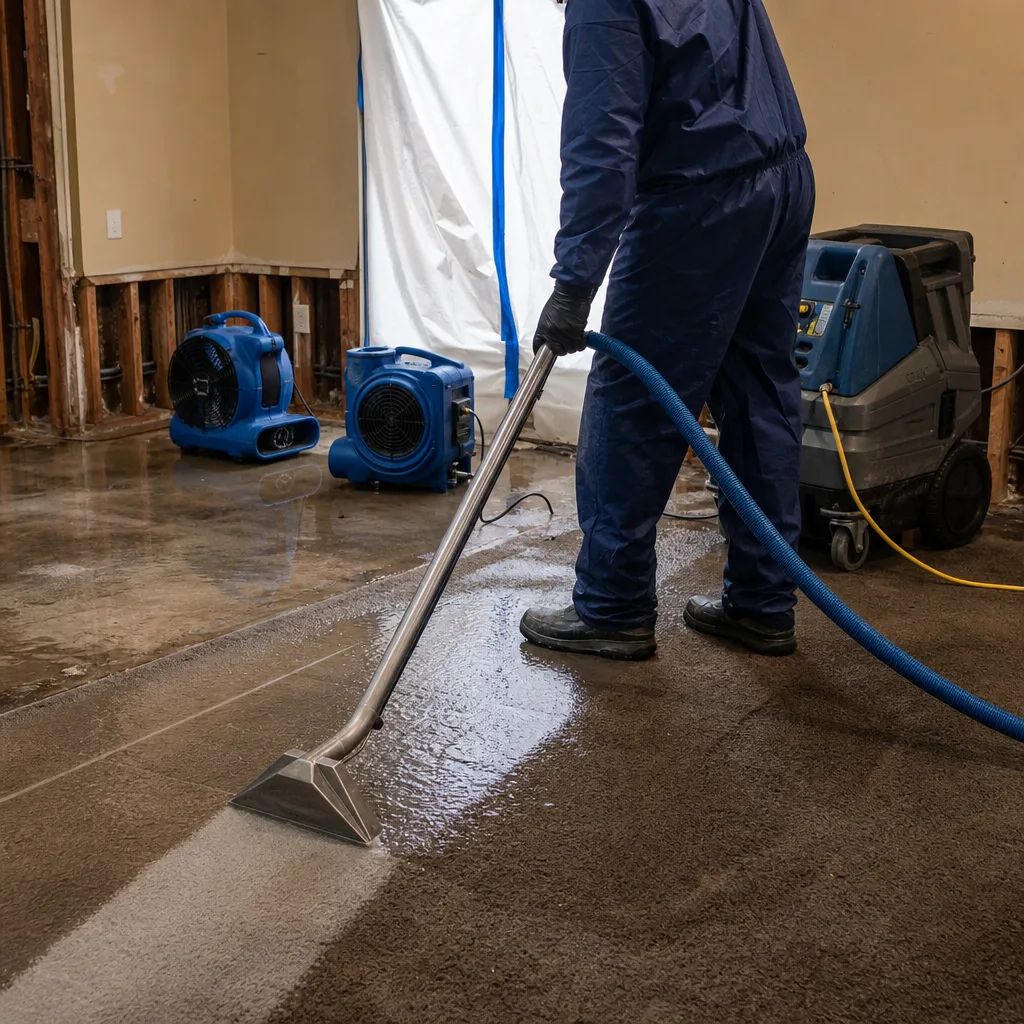
Emergency Water Extraction
When water enters an El Cajon home, speed matters - but so does what happens after the pumps stop. We deploy truck-mounted extraction systems and portable units from Dri-Eaz and XPOWER to remove standing water from slab, crawl space, and subfloor assemblies, then immediately begin moisture mapping to find what the eye can’t see. In the valley-floor blocks east of downtown, where post-war development paved over original agricultural drainage channels, we regularly find that today’s flood is sitting on top of moisture from three previous events that were never properly dried. Our extraction includes documentation of water category - clean, gray, or black - because that classification determines what must be removed versus what can be dried in place.
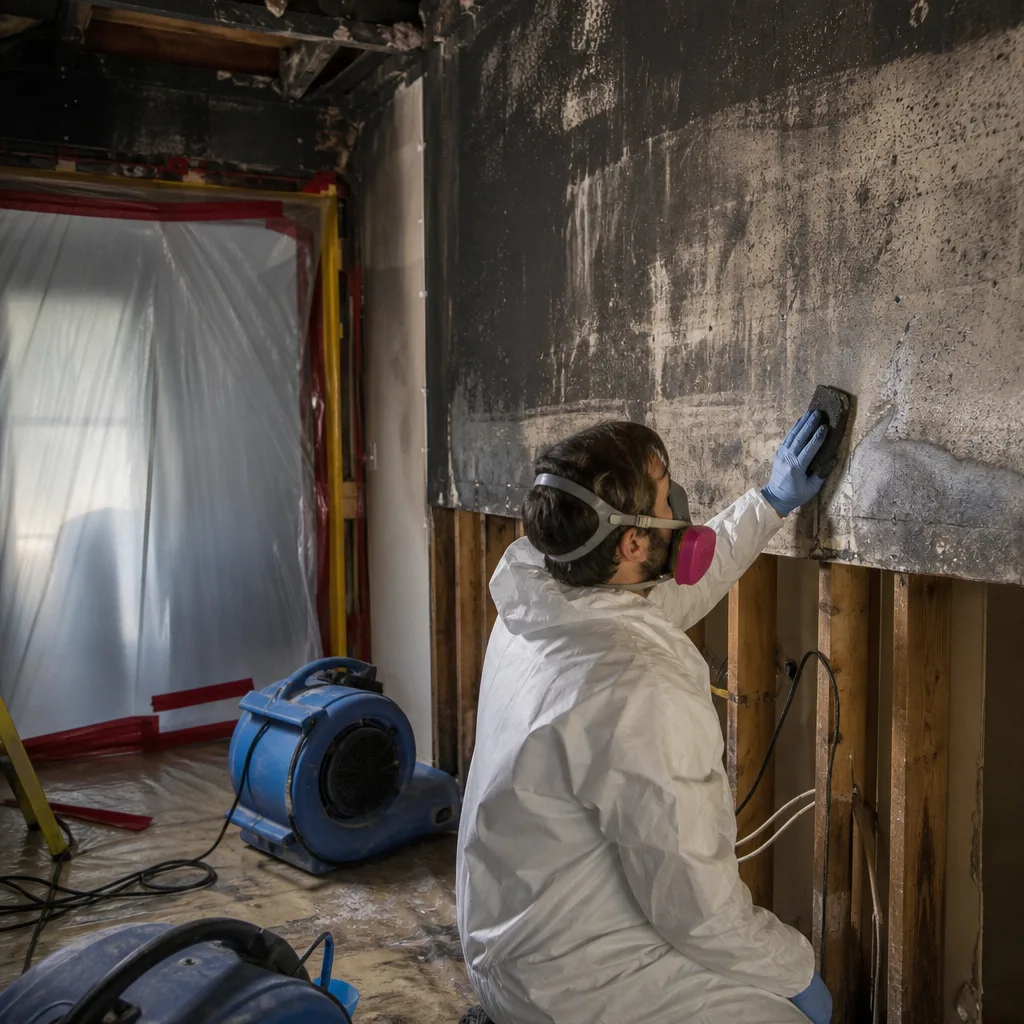
Structural Drying & Dehumidification
El Cajon’s summer heat bakes wall cavities and subfloors to desert-dry conditions, but that same heat accelerates microbial growth once water is introduced. We use Phoenix and Dri-Eaz dehumidification systems with calculated air-mover placement based on psychrometric data - that’s the measurement of temperature, humidity, and vapor pressure that tells us exactly how much moisture the air can hold and how fast materials will release it. Our crews log moisture readings daily, room by room, material by material, until all readings return to within dry-standard range. For the minimal-insulation wall assemblies common in 1960s El Cajon ranch homes, this means longer drying cycles than modern construction, and we document every reading so your adjuster sees why the timeline is what it is.
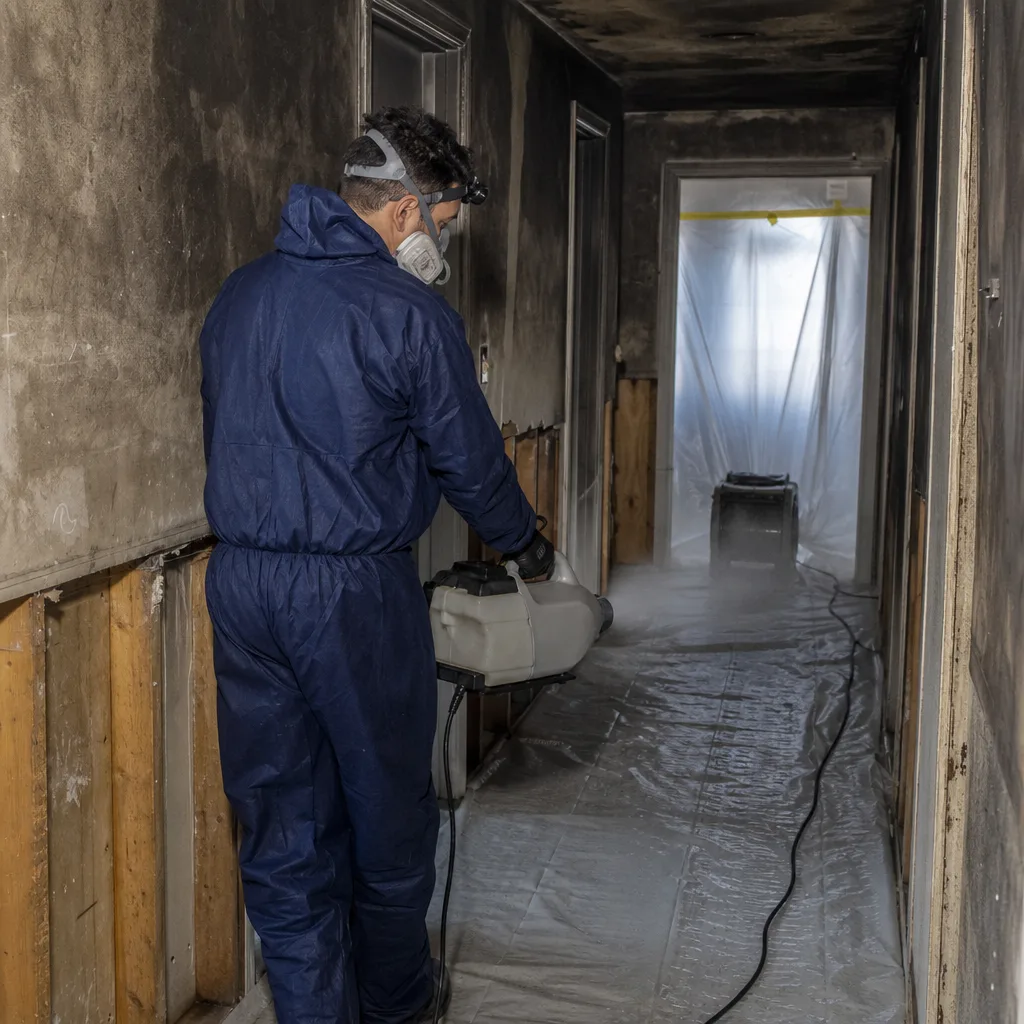
Basement Water Removal
True basements are rare in El Cajon, but partial daylight basements and converted crawl spaces appear in hillside construction near Fletcher Hills and the northern canyon edges. These spaces face unique pressure from the valley’s clay-heavy soil, which swells when wet and can crack foundation walls or force water through slab joints. Our basement water removal includes sub-slab vapor pressure differential testing - measuring the force that pushes moisture upward through concrete - to determine whether the current event is isolated or part of a chronic groundwater pattern that requires additional mitigation. We also inspect for the layered staining and elevated moisture readings that signal previous unreported events.
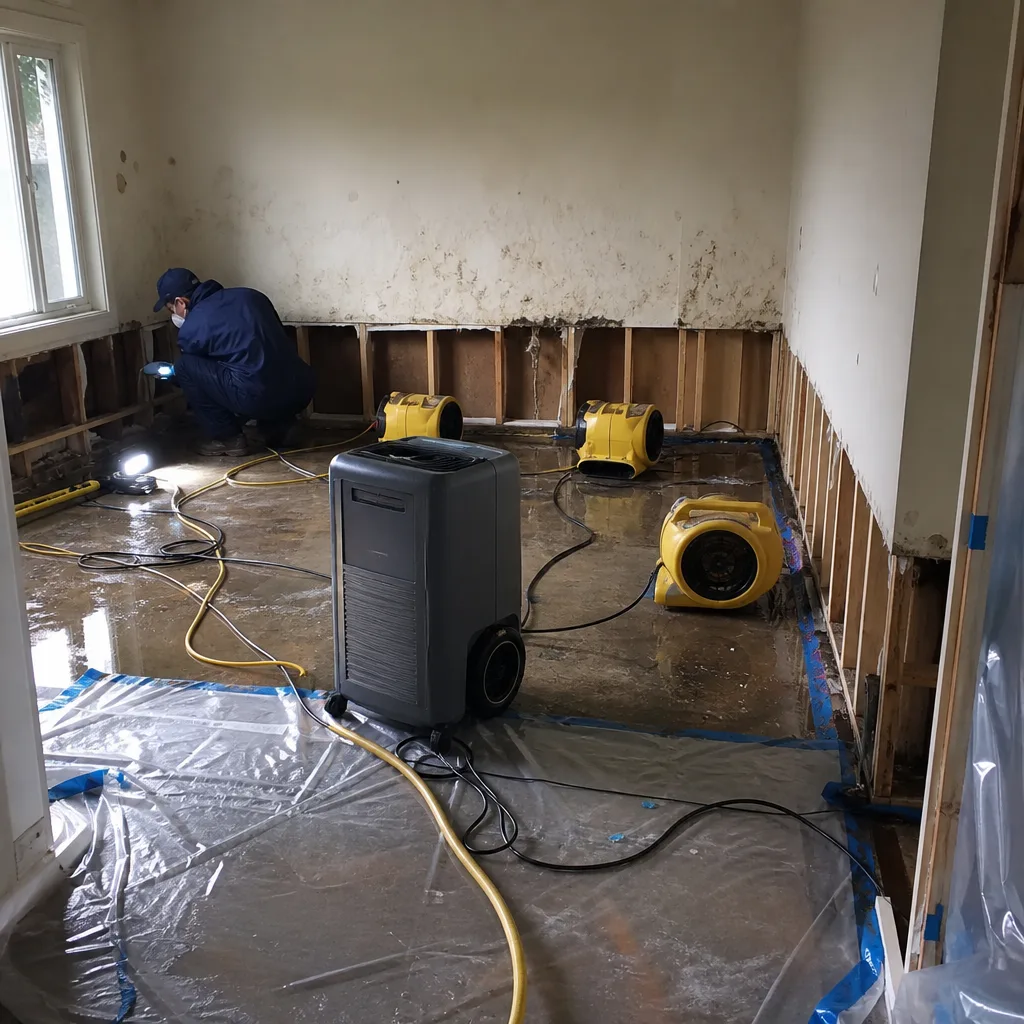
Flood Cleanup
El Cajon’s winter storms don’t arrive often, but when they do, the valley’s topography concentrates runoff. Streets flood, storm drains back up, and water enters homes through door thresholds, foundation vents, and failed weatherstripping. Our flood cleanup addresses Category 2 and Category 3 water classification - water that has contacted soil, sewage, or chemical contaminants - which means removal and disposal of affected porous materials rather than attempted drying. We document the water path, the materials affected, and the disposal requirements in writing before work begins, so there’s no scope-creep addition once the crew is inside. Haven Standard, Clause 1: written price before work starts, every time, with no exceptions.
What happens when you call
- 1
A real person answersNo phone trees - you reach a local pro.
- 2
You get an upfront price rangeHonest numbers before anyone is dispatched.
- 3
A background-checked tech heads outLicensed & insured, dispatched right away.
- 4
You approve before work beginsNothing starts until you say go.
 Before
 After
AfterTrusted Brands We Service in El Cajon
Our equipment fleet includes professional-grade drying systems from Dri-Eaz, Phoenix, and XPOWER - brands specified by IICRC, RIA, and IFA standards for water damage restoration. We don’t rent equipment by the job; we own it, maintain it, and deploy it with technicians trained on its specific capabilities. For El Cajon homeowners, that means no waiting for a rental house to deliver dehumidifiers while mold establishes its timeline. Our Phoenix 200 MAX dehumidifiers pull 125 pints per day at AHAM conditions, and our Dri-Eaz Revolution units fit the tight crawl spaces common under 1950s ranch homes where standard equipment won’t pass. Every machine’s output is logged against the daily moisture readings, creating the documented chain of evidence that turns restoration invoices into payable claims.
Common Water Damage Restoration Problems We See in El Cajon Homes
- Recurring crawl space moisture in valley-floor blocks. East of downtown, near Mollison and Madison Avenues, post-war residential development covered original agricultural drainage channels with impervious surface. The result: the same homes flood every significant rain, and subfloor joists show layered staining from multiple intrusion cycles. We map the full history, not just today’s water.
- Asbestos-containing materials in 1950s-1970s ranch homes. Original 9×9 floor tile, mastic adhesives, and joint compound in these El Cajon properties frequently test positive for asbestos. Cutting into them during water damage mitigation without testing violates state law and creates a far costlier abatement. We test first, document the results, and build abatement into the written scope if needed.
- Category misclassification from soil-contact water. Water that has traveled through El Cajon’s clay-heavy soil or sat in a crawl space is never Category 1 clean water, even if it started as a supply line. Misclassifying it leads to attempted drying of materials that must be removed, and insurers deny those claims when the mold appears later. We classify correctly, document the rationale, and scope accordingly.
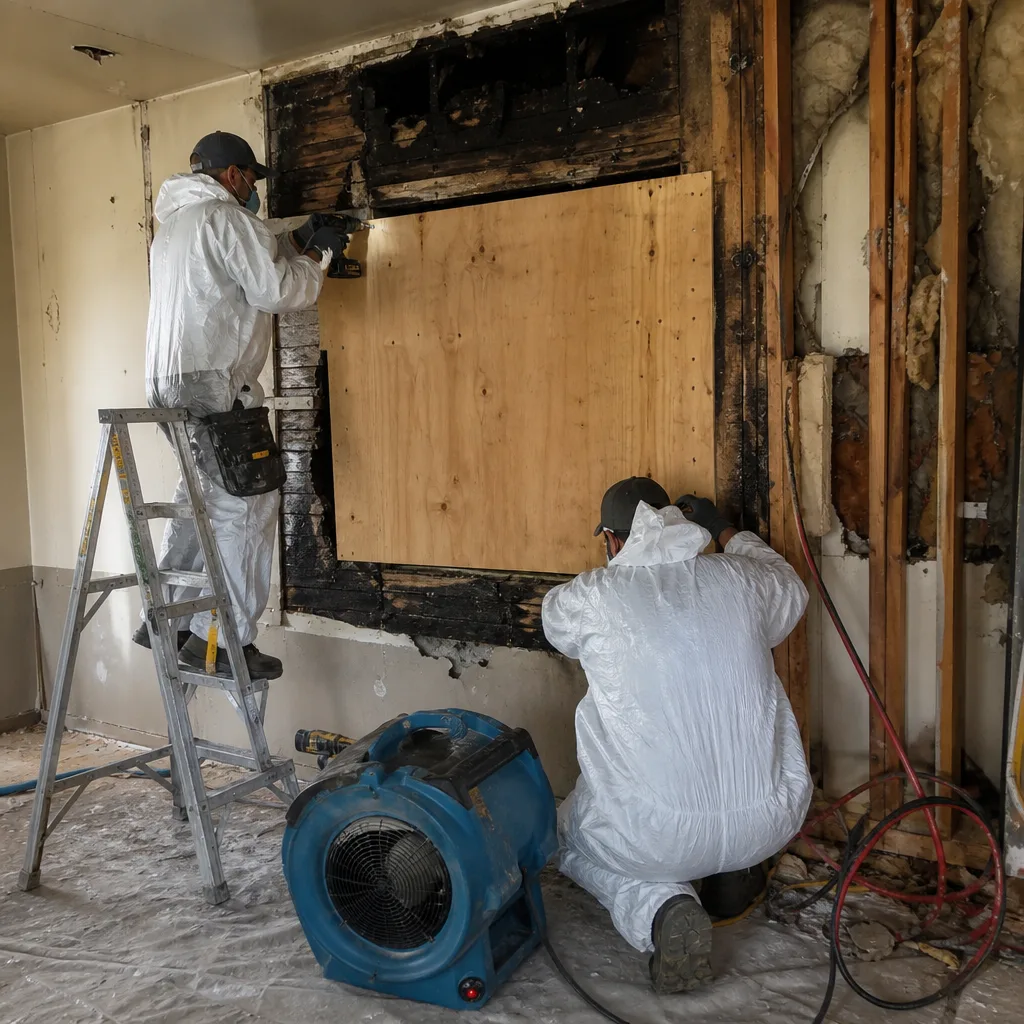
- Smoke and odor penetration complicating water events. El Cajon’s enclosed basin traps wildfire smoke for days, and the 2003 Cedar Fire demonstrated how completely soot can penetrate minimal-insulation wall assemblies. When water damage opens those same assemblies, we often find pre-existing smoke residue that must be addressed before drying or reconstruction proceeds.
Pricing for Water Damage Restoration in El Cajon, CA
| Service | Typical Range in El Cajon |
|---|---|
| Emergency water extraction (up to 1,500 sq ft) | $1,200 - $2,400 |
| Structural drying & dehumidification (3-5 day cycle) | $1,800 - $3,600 |
| Flood cleanup with Category 2/3 water (includes disposal) | $3,500 - $7,500 |
| Basement/crawl space water removal with vapor barrier | $2,200 - $4,800 |
| Burst pipe restoration with drywall repair | $2,800 - $5,500 |
| Asbestos testing (per sample, if needed) | $45 - $85 |
| Full residential mitigation with documentation package | $4,500 - $9,500 |
These ranges reflect El Cajon’s market and the specific conditions we encounter: older housing stock with minimal vapor control, recurring flood history in valley-floor blocks, and the asbestos-testing requirements that add necessary steps but prevent far costlier surprises. What drives any job above or below these figures: square footage affected, water category (clean vs. contaminated), whether asbestos abatement is required, and whether previous unmitigated events have left hidden damage that our moisture mapping reveals.
Haven Standard, Clause 1 applies to every El Cajon home we enter: a written price delivered before anyone starts work, with no scope-creep additions once the crew is inside. Call (619) 649-7428 for your written estimate - it’s free, and it comes with no obligation to proceed.
We Also Serve Cities Near El Cajon
Our Water Damage Restoration in El Cajon crews also respond to Spring Valley, Lakeside, La Mesa, and Santee. Each city carries different soil conditions, housing eras, and flood patterns, and our documentation protocols adjust accordingly. Whether you’re in the canyon country of Lakeside or the mesa-top neighborhoods of La Mesa, the same Haven Standard applies: written price first, photo record on every visit, daily moisture logs, and a 365-Day Done Right Promise signed by Alicia Brennan.
Serving El Cajon, CA - Our Local Coverage Area
We’re based in the El Cajon area and know this community well. Use the map below to see our service coverage - if you’re nearby, we can almost certainly help.
FAQs - Water Damage Restoration in El Cajon
Your east-of-downtown block floods repeatedly because post-war developers paved over the agricultural drainage channels that originally carried winter runoff out of the valley. The impervious surface sends water sheeting across the valley floor faster than El Cajon’s storm drains were designed to handle. For restoration, this means we don’t treat your event as isolated - we moisture-map the full subfloor and crawl space, looking for layered staining and elevated readings from previous intrusions that may have dried only superficially. Mold colonization from those earlier cycles is common, and our written scope addresses it before we begin drying. Call (619) 649-7428 and we’ll inspect with that history in mind.
No. California law requires asbestos testing before disturbing materials installed before 1980, and El Cajon’s housing stock is dense with 9×9 floor tile, mastic adhesives, and joint compound that frequently test positive. We collect samples, send them to a certified lab, and build abatement into the written scope if needed. Attempting to dry around these materials or cut into them untested creates a costlier emergency abatement and potential health hazard. Our field vignette from a 1958 Mollison Avenue ranch: we found exactly this situation, tested first, and handled abatement before structural drying began. The documentation protected the homeowner’s claim and their safety.
Mold can begin colonizing within 24-48 hours of water intrusion, and El Cajon’s summer heat accelerates that timeline significantly. At 30 hours, you may have active growth in wall cavities, under cabinets, or in subfloor assemblies where air circulation is minimal. However, “can begin” is not “has begun” - our moisture mapping and thermal imaging will show whether conditions have reached the threshold. If mold is present, we document it photographically, classify the remediation scope in writing, and coordinate with your adjuster before proceeding. Speed matters, but documentation matters more for your claim. Call (619) 649-7428 for immediate inspection.
Category 1 is clean water from a supply line; Category 3 is grossly contaminated water from sewage, flooding, or long-standing intrusion that has contacted soil or decaying matter. In El Cajon, even a supply-line leak becomes Category 2 or 3 if water travels through the clay-heavy soil in your crawl space or sits more than 48 hours. The category determines whether materials can be dried in place or must be removed and disposed of as hazardous waste. Misclassification is the leading cause of denied insurance claims - we test and document the category before writing the scope, so your adjuster sees the evidence. Haven Standard, Clause 1 requires that written scope before any work starts.
El Cajon’s 100°F-plus summer heat bakes wall cavities to low moisture content, which actually slows initial microbial detection - the environment seems too dry for mold until water is introduced and trapped. Conversely, that same heat accelerates growth dramatically once moisture is present. Wildfire smoke seasons, meanwhile, leave soot and odor compounds deposited in the minimal-insulation wall assemblies common in local ranch homes; when water damage opens those assemblies, we find pre-existing contamination that must be addressed before drying or reconstruction. The combination - heat, smoke penetration, and older construction - makes El Cajon restoration more complex than coastal cities with newer, better-insulated housing. Our documentation captures each layer so nothing is missed.
Written by Alicia Brennan, Owner at Back to Dry Restoration, serving El Cajon since 2011.