
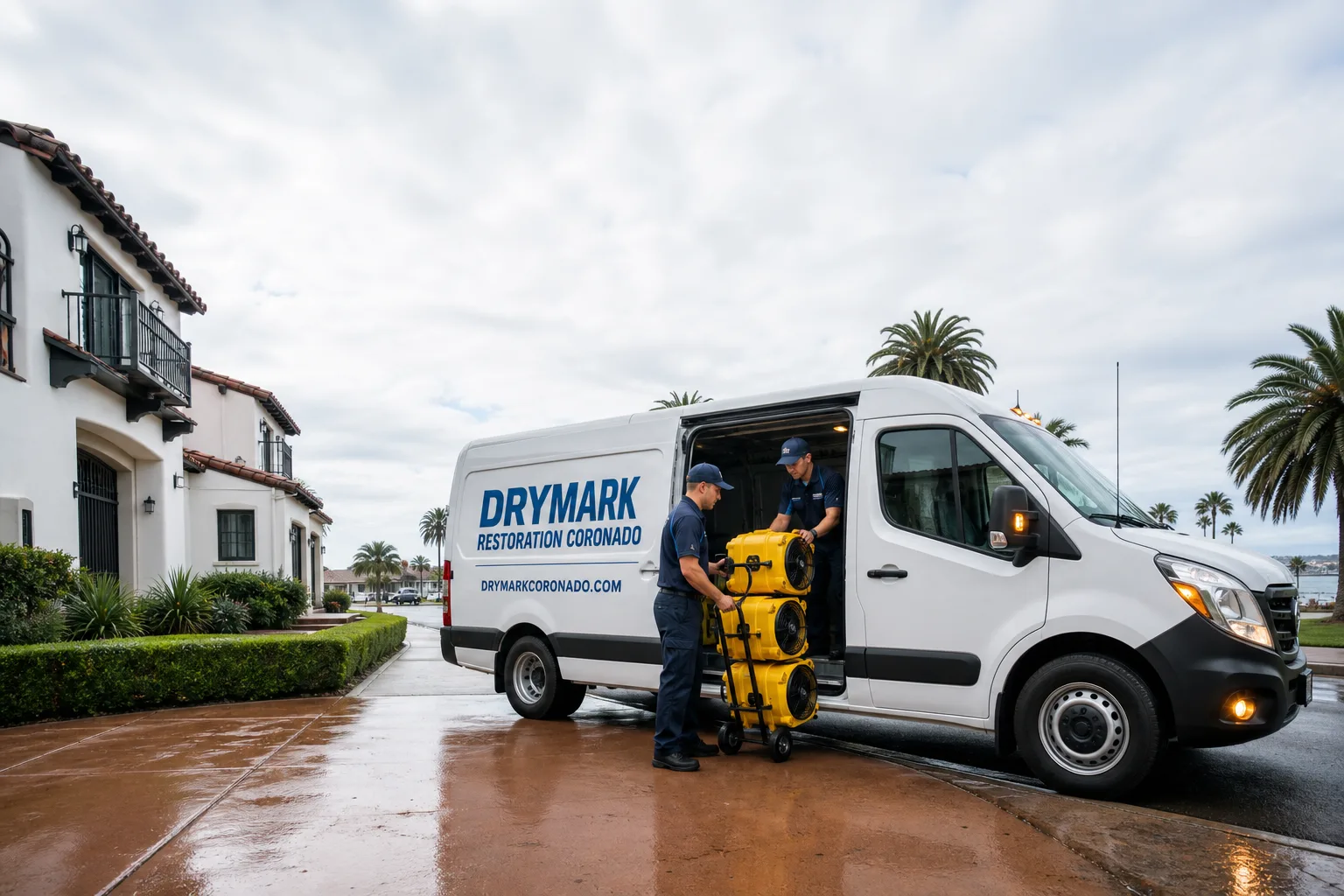
Free visual inspection and a written scope of work before any mitigation begins - photos, moisture readings, and drying logs go in your claim file
The scope we write is the scope we bill. Anything new gets shown to you, in writing, before we touch it.
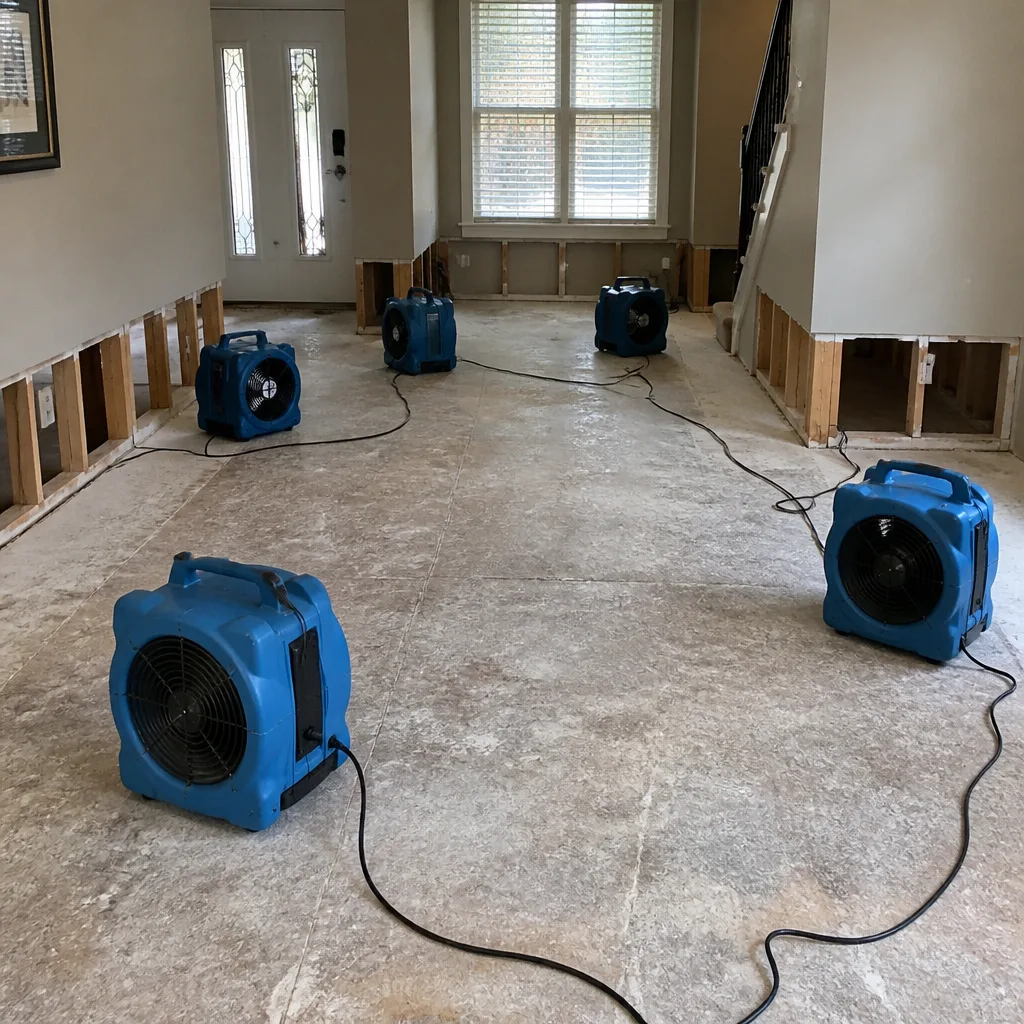
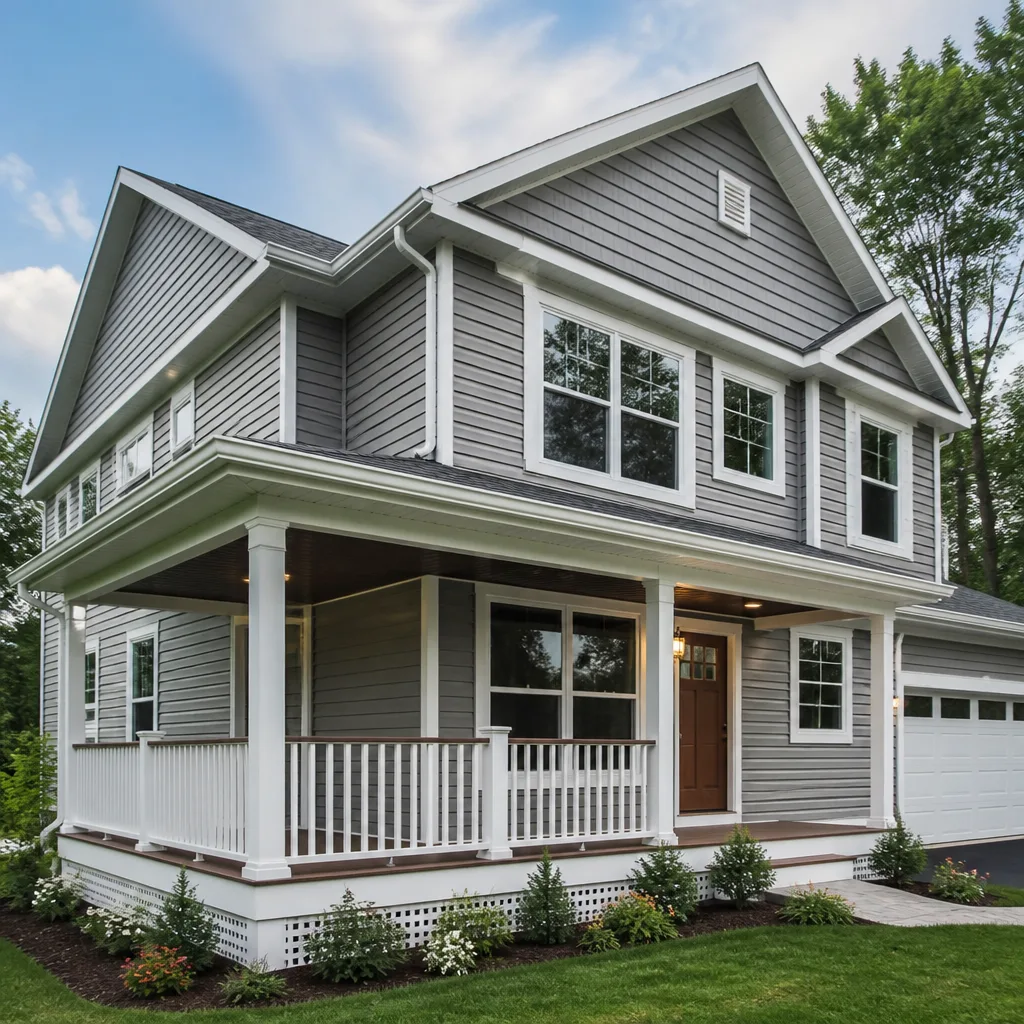
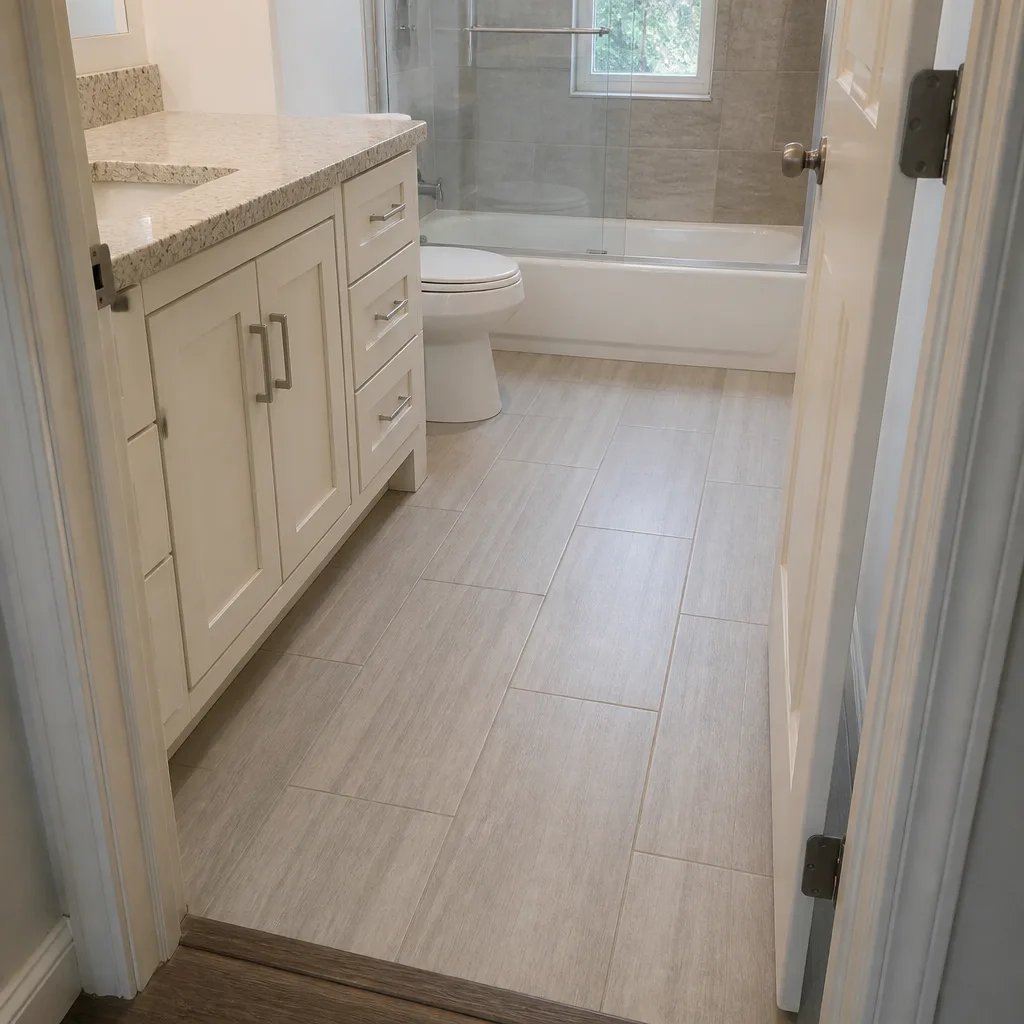
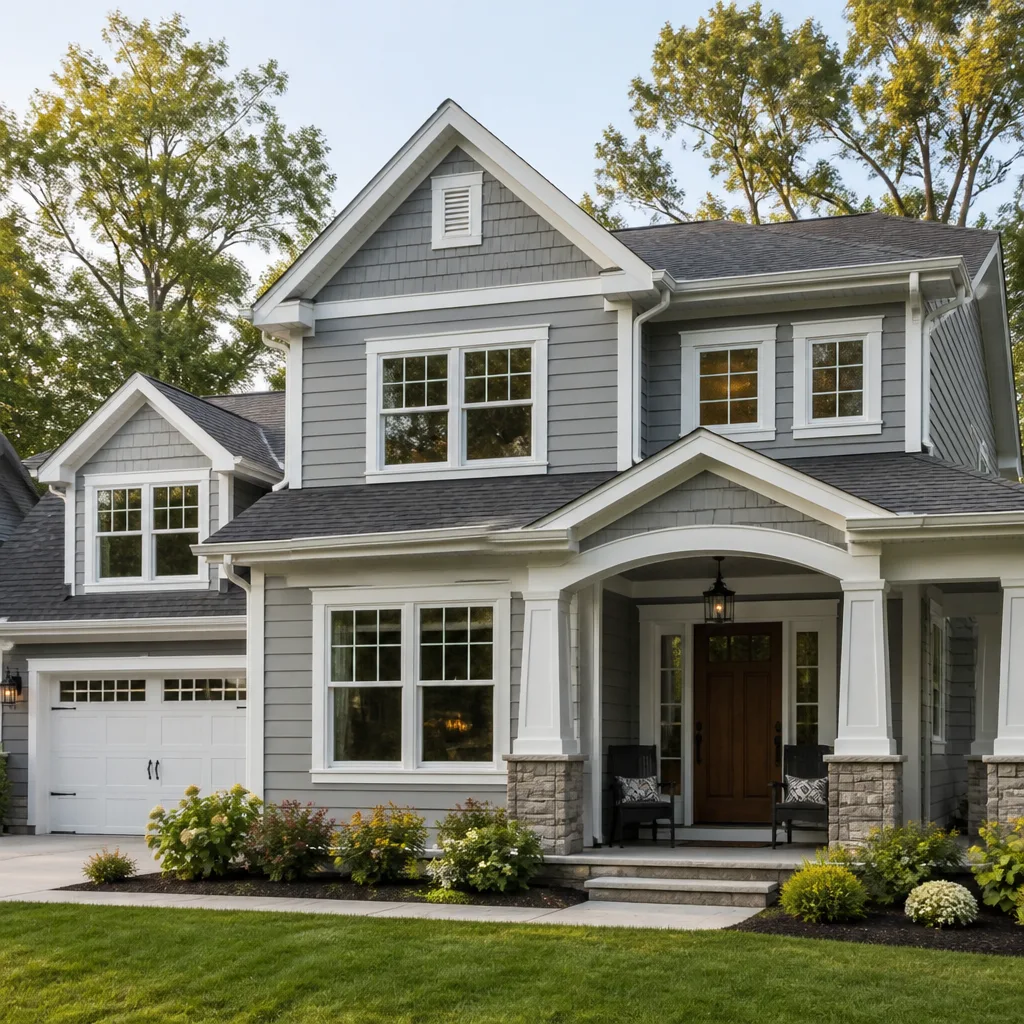
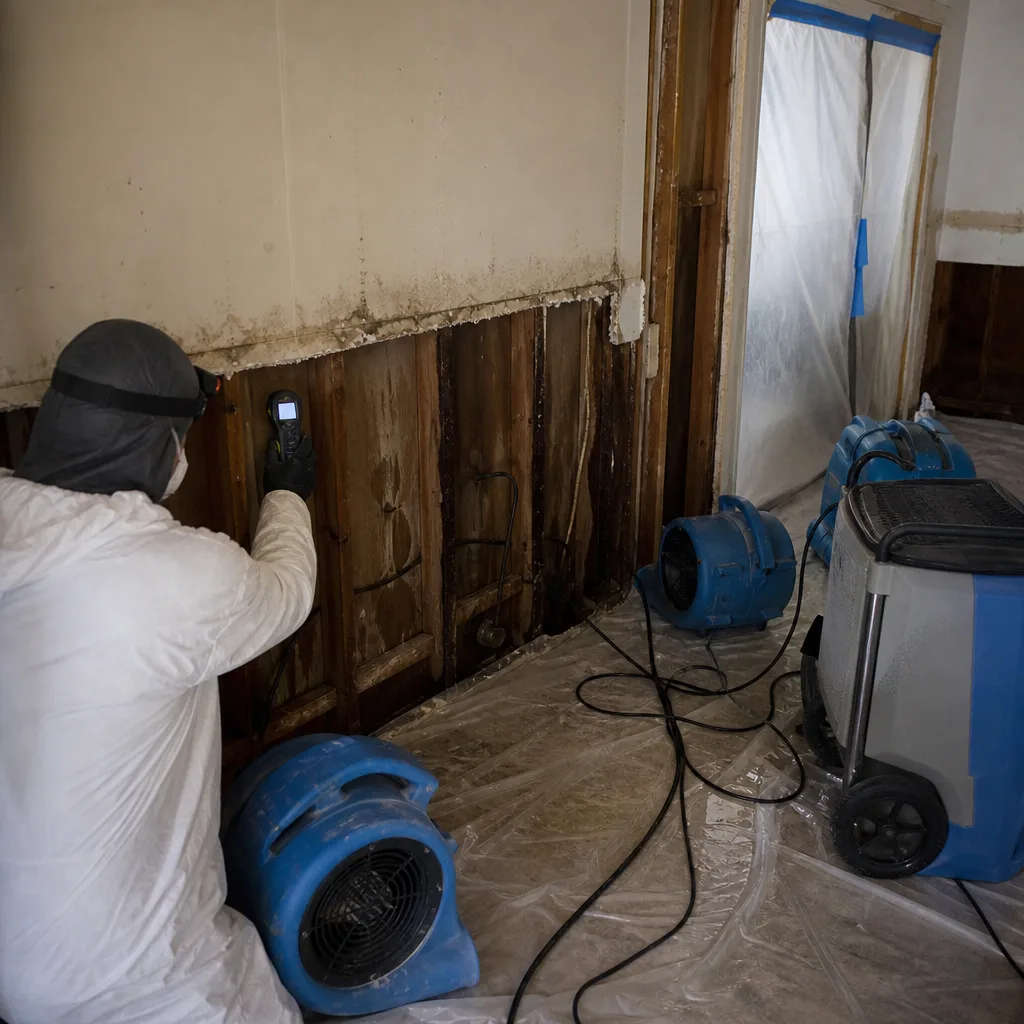 Before
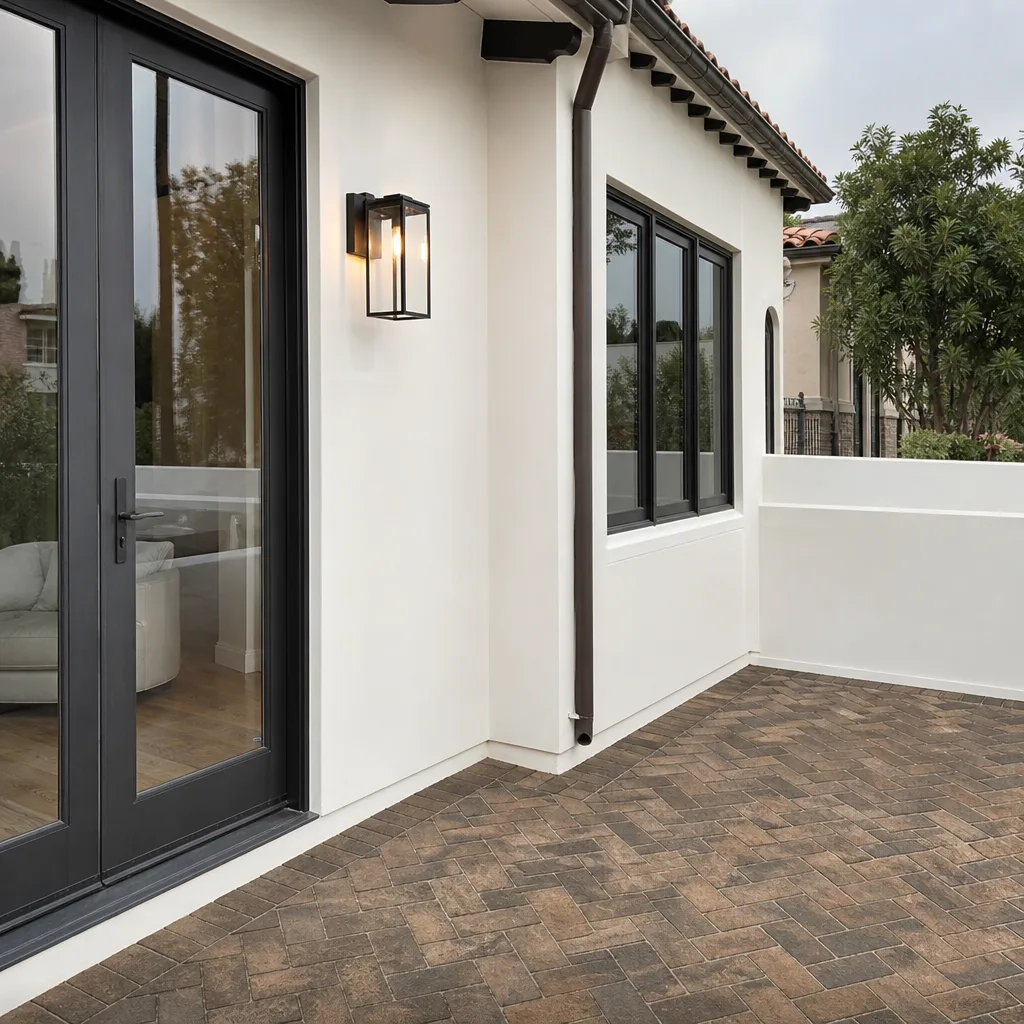 After
After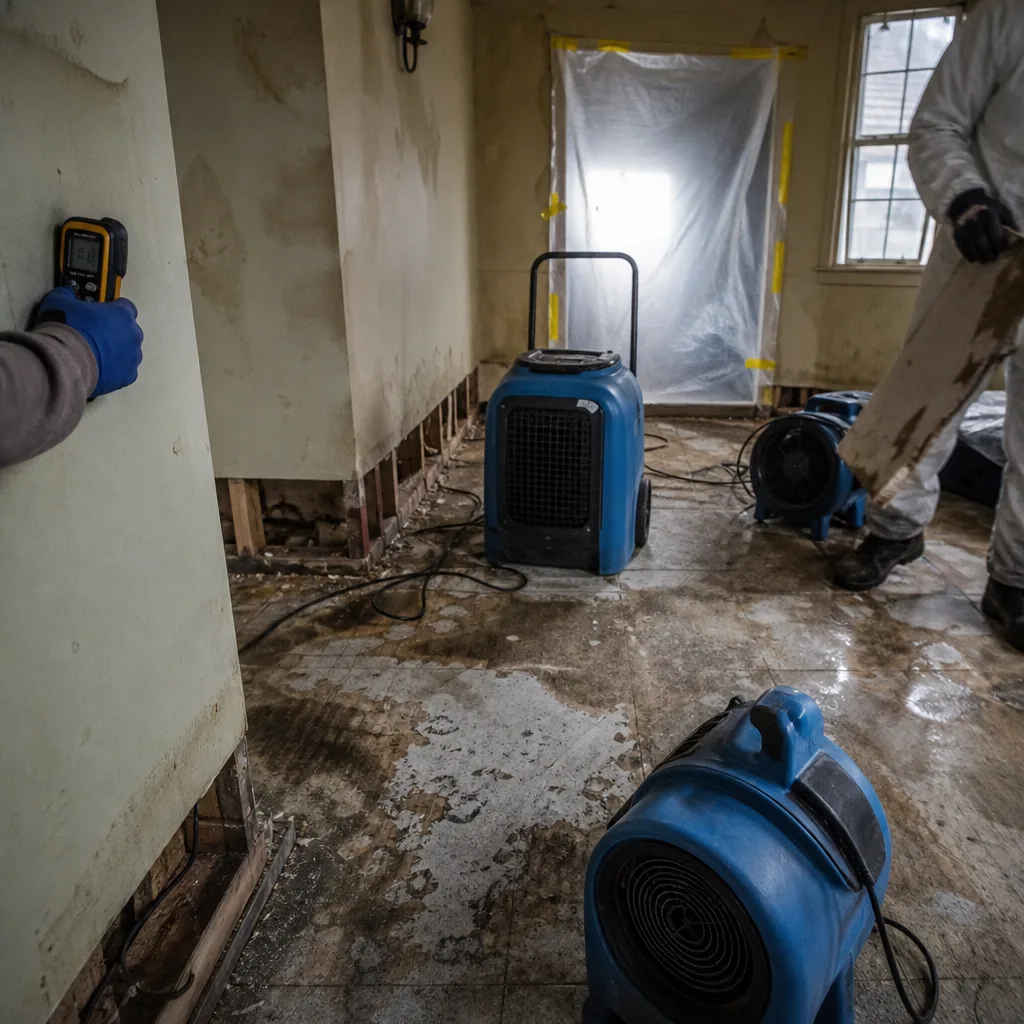 Before
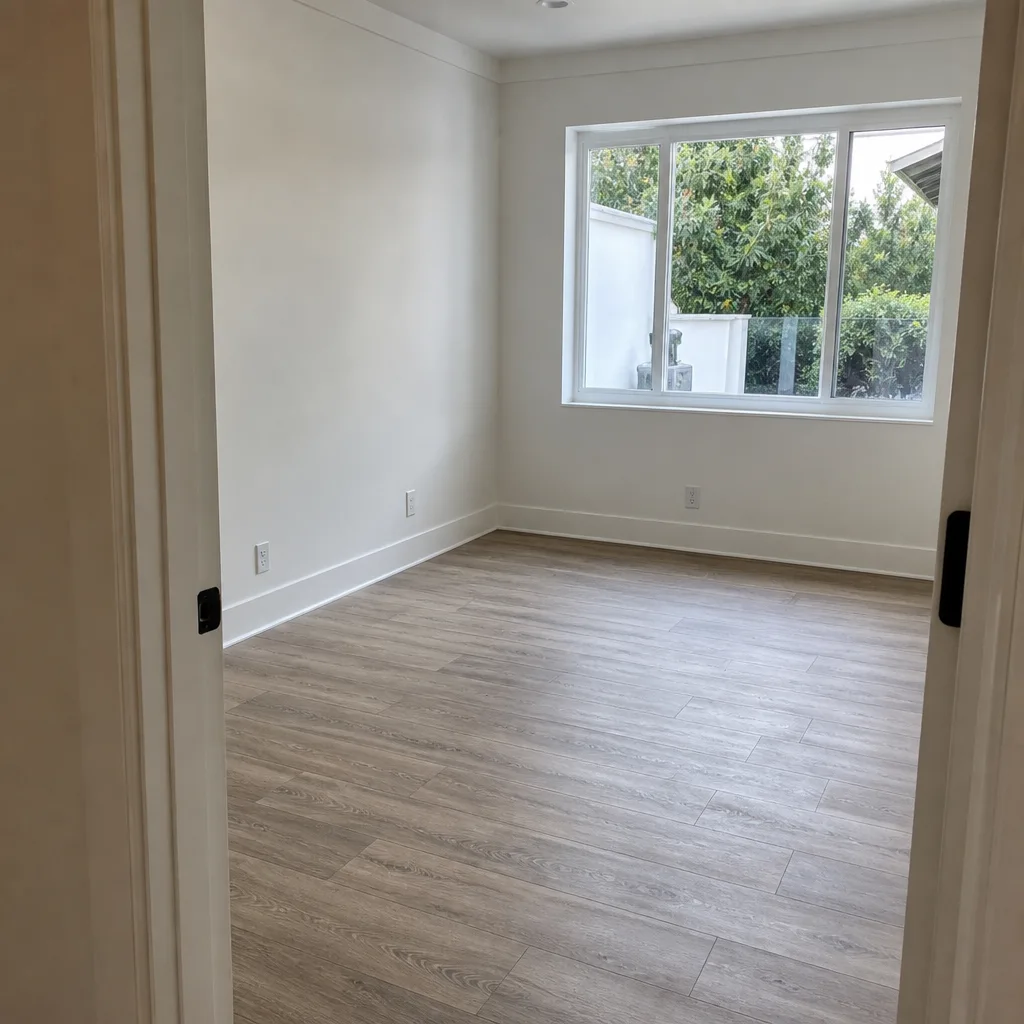 After
After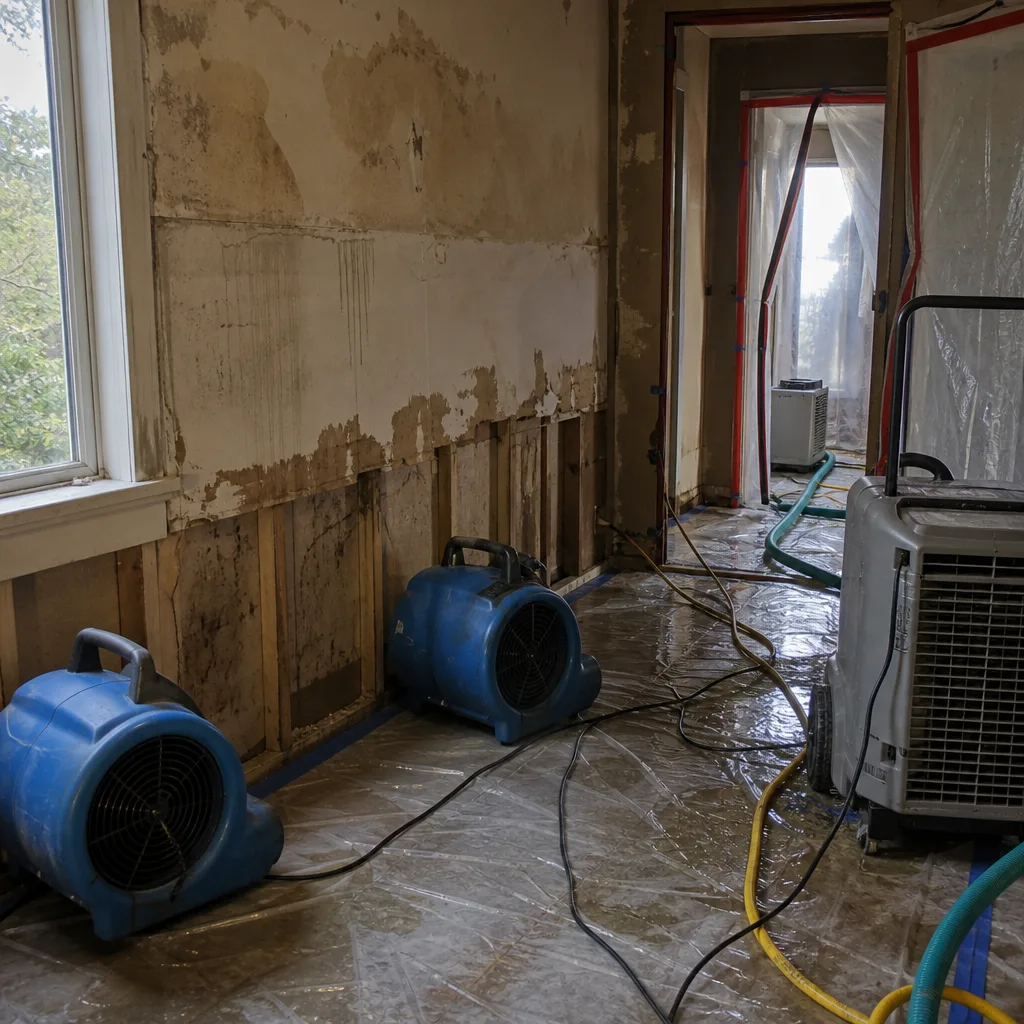 Before
 After
AfterFast, Reliable Mold Remediation Across Jamul
Mold remediation in Jamul typically costs between $1,800 and $6,500 depending on the affected square footage, contamination level, and whether the source is linked to wildfire-related moisture events. Most of our Mold Remediation jobs in Jamul begin with a written inspection report within 24 to 48 hours of contact, and we carry the full range of containment, HEPA filtration, and drying equipment needed for the area’s unique wildland-urban interface conditions. Our crews are dispatched from our San Diego office and serve Jamul directly, with same-day response available for active water intrusion and post-fire moisture emergencies. Call (619) 649-7428 for a free written estimate - estimates are always documented, never verbal.
Why DryMark Restoration Coronado Is Jamul’s Preferred Mold Remediation Company
We’ve restored homes in Jamul since the reconstruction period following the 2003 Cedar Fire and 2007 Harris Fire, and our documentation-first approach was built specifically for the claims complications that follow wildfire events. Homeowners here know that a restoration invoice without daily moisture logs, photo records, and a written scope gets kicked back by adjusters - we’ve seen it happen, and we don’t let it happen to our customers.
Our response time to Jamul properties averages 90 minutes to 2 hours for emergency calls, with live phone coverage 24 hours a day, 7 days a week - no voicemail trees, no next-business-day callbacks while moisture is still moving through your walls. Every technician who arrives at your property is background-checked, uniformed, and licensed, with their license number documented on your job file.
The 365-Day Done Right Promise backs every job we perform in Jamul: if it’s not done right, we make it right. It’s a signed guarantee under The Haven Standard, not a marketing line. And Haven Standard, Clause 1 applies on every call - a written price before any work starts, with no scope-creep additions once the crew is inside your home.
Our Free Second Opinion on any competitor’s written estimate means Jamul homeowners can bring us another company’s scope and we’ll review it at no charge. We’ve found that post-fire mold jobs in particular are often under-scoped, missing the hydrophobic soil pattern that reintroduces moisture months after the original claim closes.
Our Mold Remediation Services in Jamul
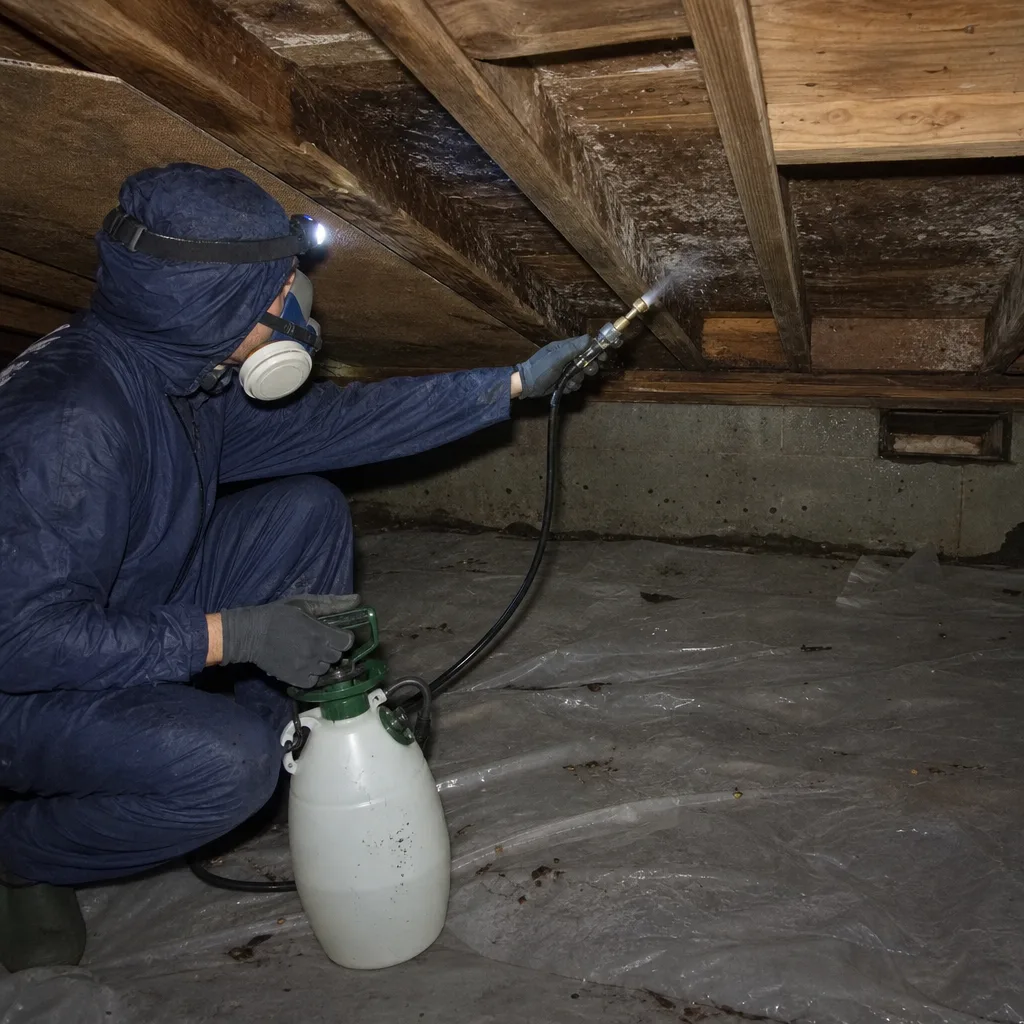
Mold Inspection & Testing
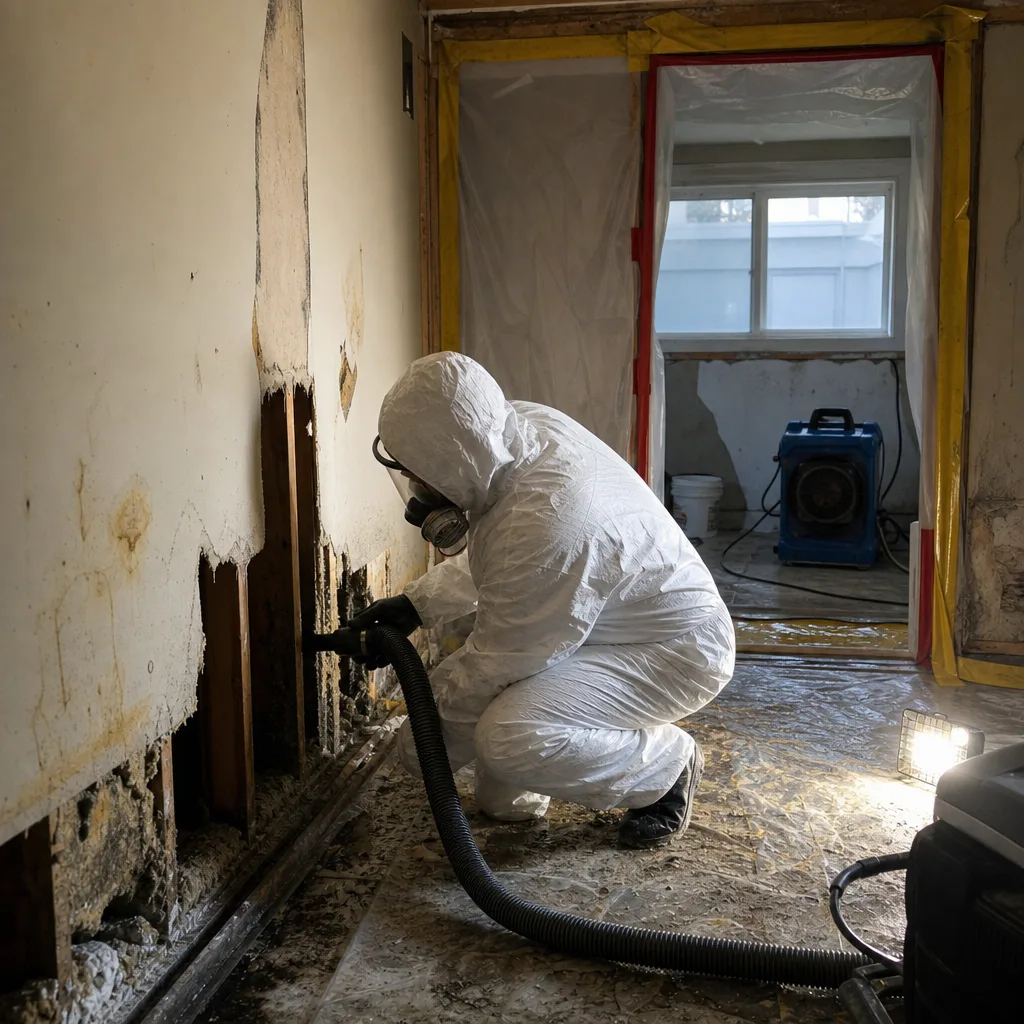
Our mold inspections in Jamul start with moisture mapping, not guesswork. We document moisture readings in every affected room, identify the water source, and classify materials by permeability - porous, semi-porous, or non-porous - before writing a scope. In Jamul’s wildland-urban interface, we’re specifically looking for the dual-event pattern: wildfire smoke infiltration followed by post-fire flash-flood moisture. After the 2003 Cedar Fire footprint, we were called to a custom ranch home off Proctor Valley Road where the owner had already been through a fire smoke claim, and the first big winter rain sent an ash-and-mud slurry under the slab into the garage and crawl space. Our tech pulled moisture readings and moisture mapping showed saturated rim joists and a musty, discolored band along the bottom plate, so we set up containment, ran HEPA air filtration and dehumidification with Dri-Eaz and Phoenix equipment, and applied antimicrobial treatment to the affected framing before structural drying and a follow-up mold inspection documented a return to pre-loss condition.
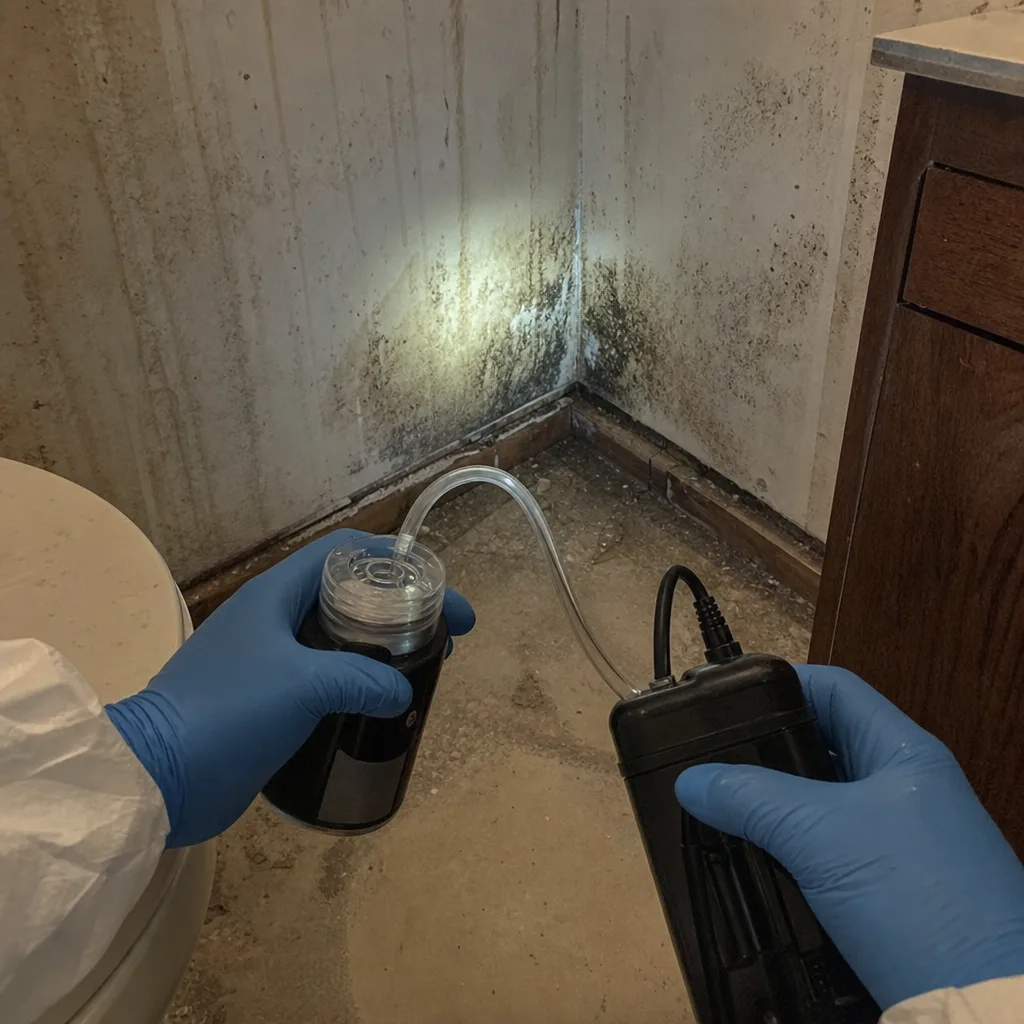
Mold Removal
Mold removal in Jamul requires understanding what grew, why it grew, and what else the moisture carried with it. On properties with private wells and septic systems - the majority of Jamul’s housing stock - a well-pump failure or septic backflow introduces Category 3 contamination that municipal-water assumptions miss. We remove affected porous materials by the square foot, document every cut line with photos, and dispose of contaminated debris under California mold remediation regulations. Our crews carry negative air machines and sealed containment systems on every truck, because Jamul’s rural lot sizes mean travel time for additional equipment costs hours we don’t want our customers to wait.
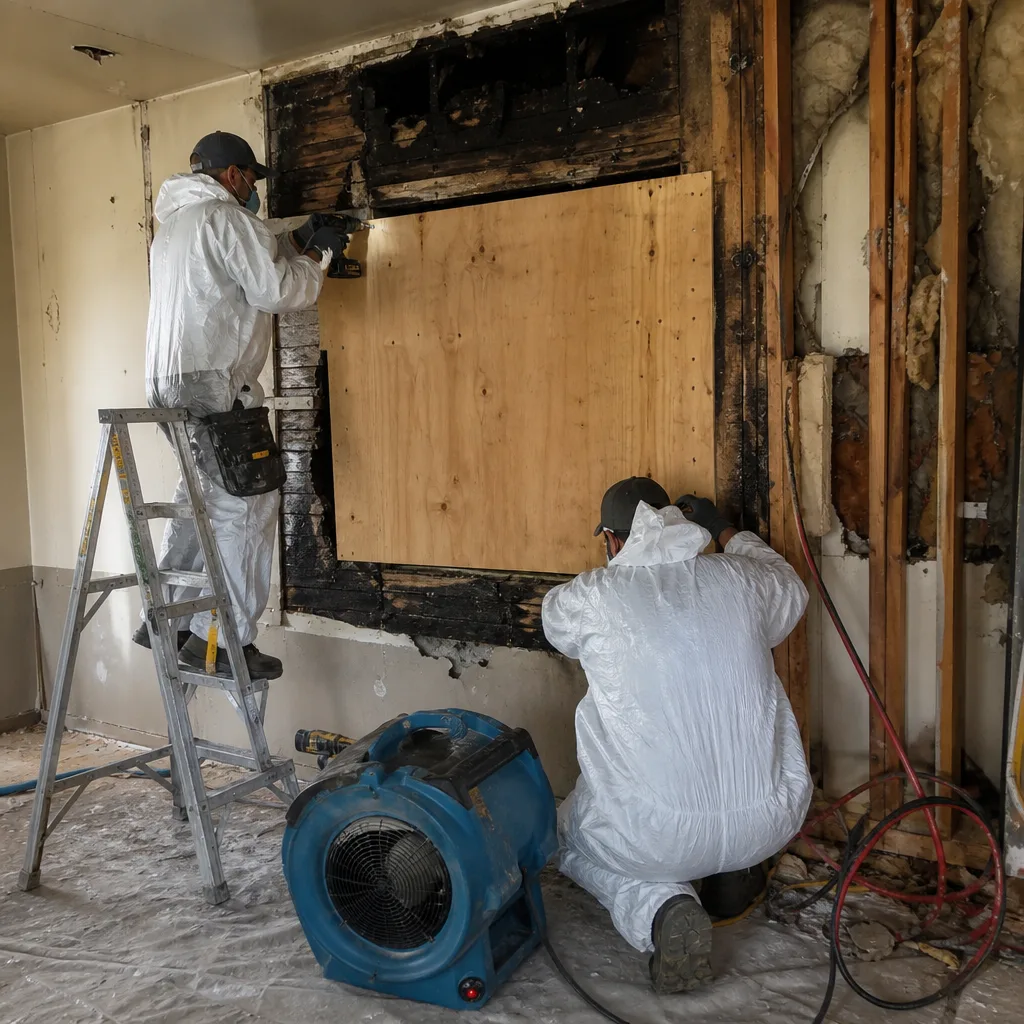
Black Mold Remediation
Stachybotrys and other toxigenic molds in Jamul are most often found in the same locations: rim joists and bottom plates after slab-adjacent flooding, and within wall cavities where Santa Ana wind-driven smoke infiltration created a reservoir of organic material that later moisture activated. We don’t use scare tactics about “black mold” - we document what species are present through certified laboratory analysis, write a remediation protocol based on that data, and execute containment and removal to IICRC S520 standards. The photo record on every visit is included as standard, never an upsell, so your adjuster can verify protocol compliance without a site revisit.
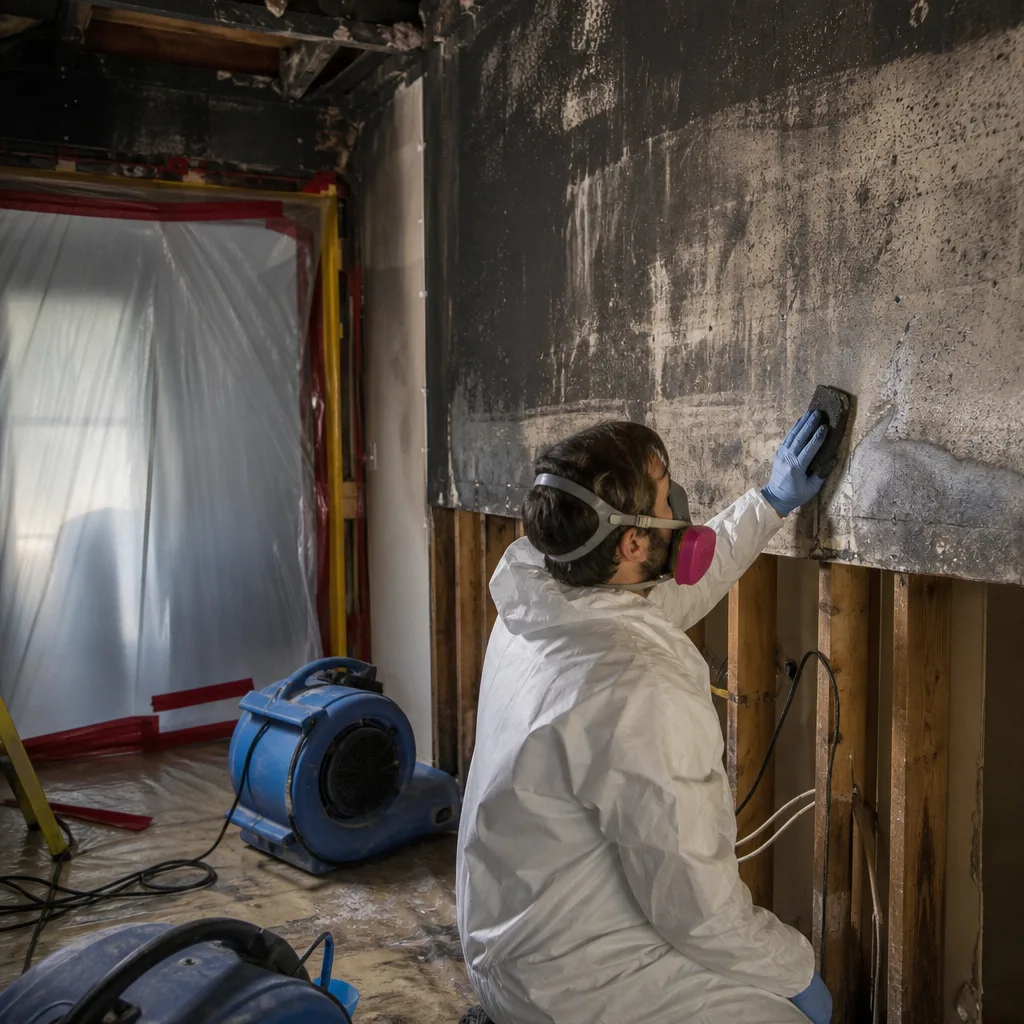
Air Quality Restoration
Air quality restoration in Jamul addresses both mold spores and the residual particulate from wildfire smoke events. Our HEPA filtration systems, including Phoenix and XPOWER units, achieve multiple air changes per hour within contained work zones. We measure particle counts before, during, and after remediation, and we don’t remove containment until post-remediation verification shows levels at or below outdoor ambient. For Jamul properties that have been through fire and subsequent mold claims, this dual-contaminant expertise matters - smoke particulate and mold spores require different filtration protocols, and treating one while ignoring the other leaves the job incomplete.
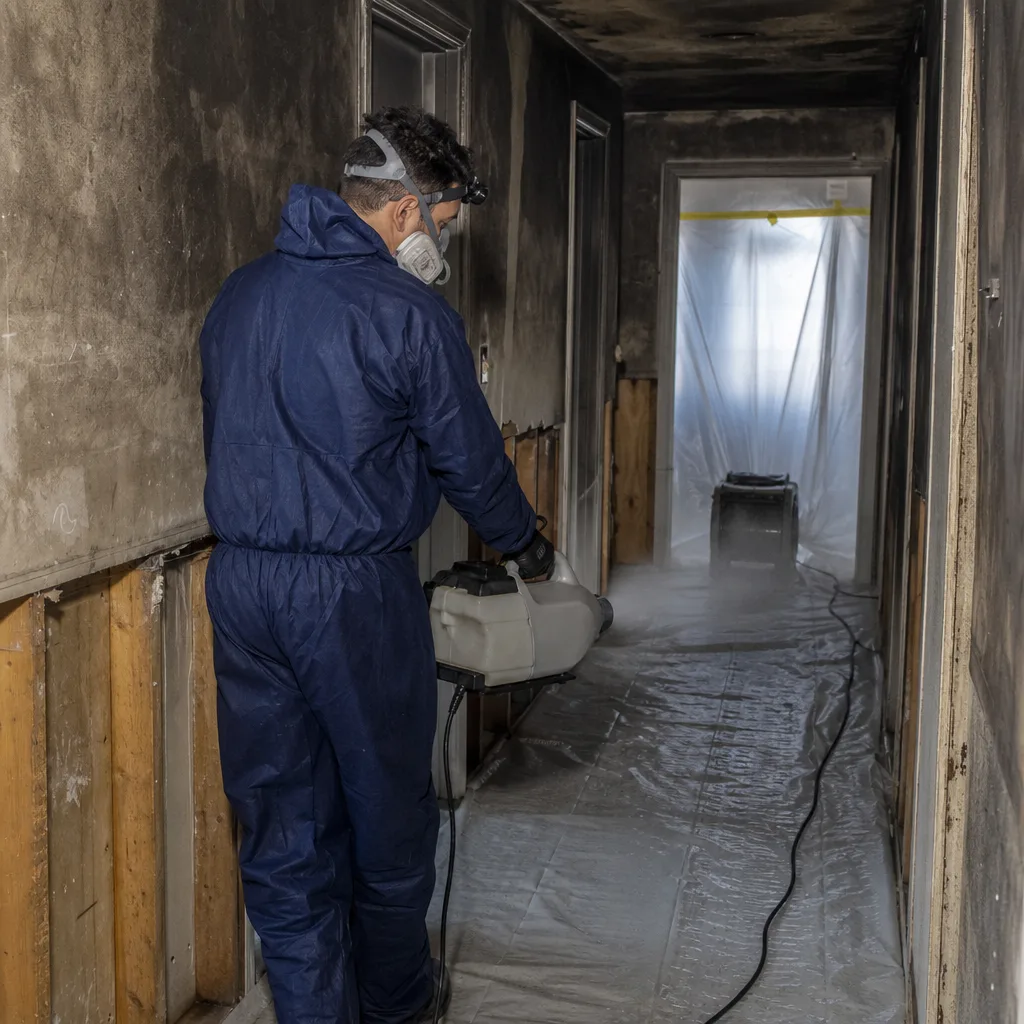
Crawl Space Treatment
Crawl space treatment is among our most called-for services in Jamul, where ranch-style homes on multi-acre lots often have raised foundations or slab-adjacent crawl areas that flood during winter storm events. The steep, rocky terrain around Jamul drains rapidly with little absorption, sending water through natural draws and directly into foundations. We install vapor barriers, dehumidify with B-Air and Dri-Eaz equipment, and treat framing with antimicrobial solutions where mold has established on rim joists or subflooring. Every crawl space job includes moisture readings at multiple points and a written drying log that becomes part of your claim documentation.
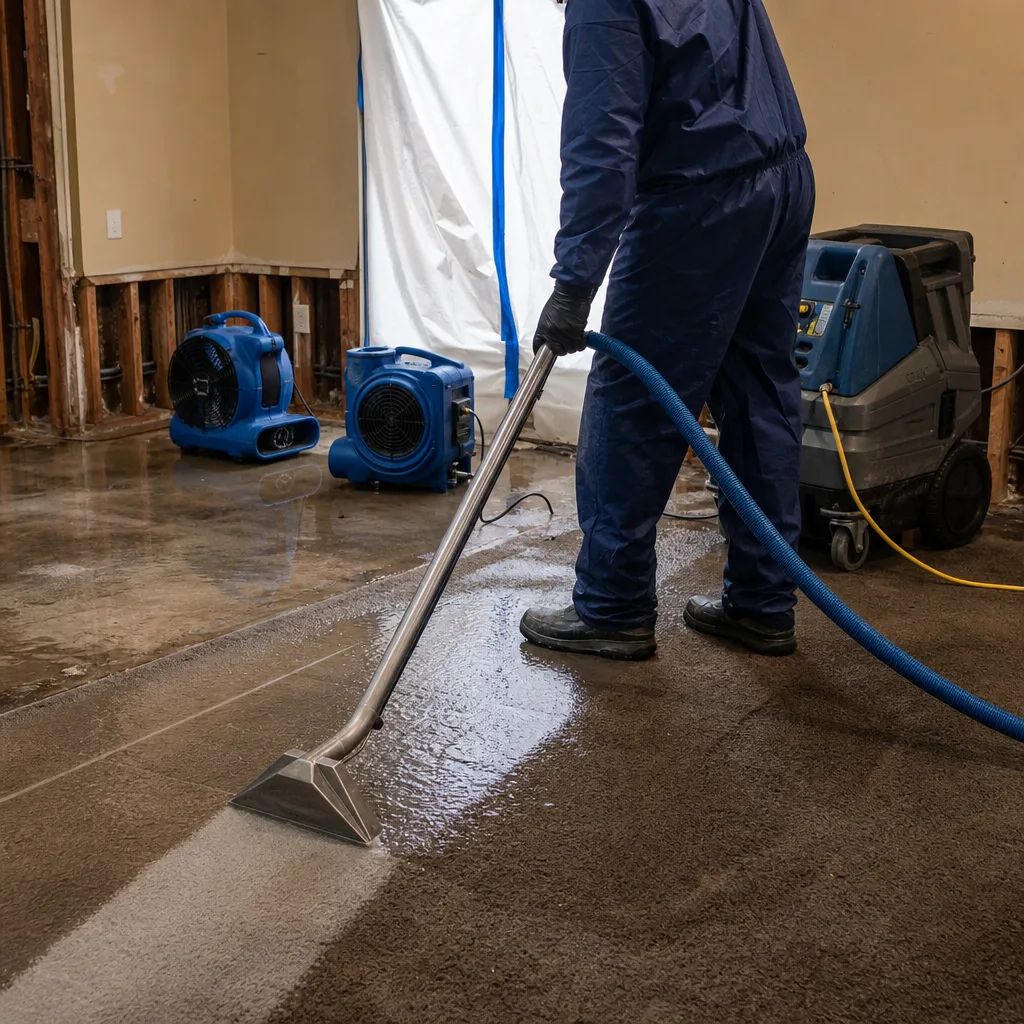
Moisture & Humidity Control
Moisture control in Jamul requires understanding the area’s distinct seasonal pattern: Santa Ana winds desiccate structures in fall, then winter rains and post-fire hydrophobic soil conditions reintroduce concentrated moisture. We install and monitor professional-grade dehumidification systems, document psychrometric data - temperature, relative humidity, and vapor pressure differential, which is the force that drives moisture through materials - and adjust equipment placement based on daily readings. The goal is not just dry surfaces but stable equilibrium moisture content in wood framing, documented to IICRC standards.
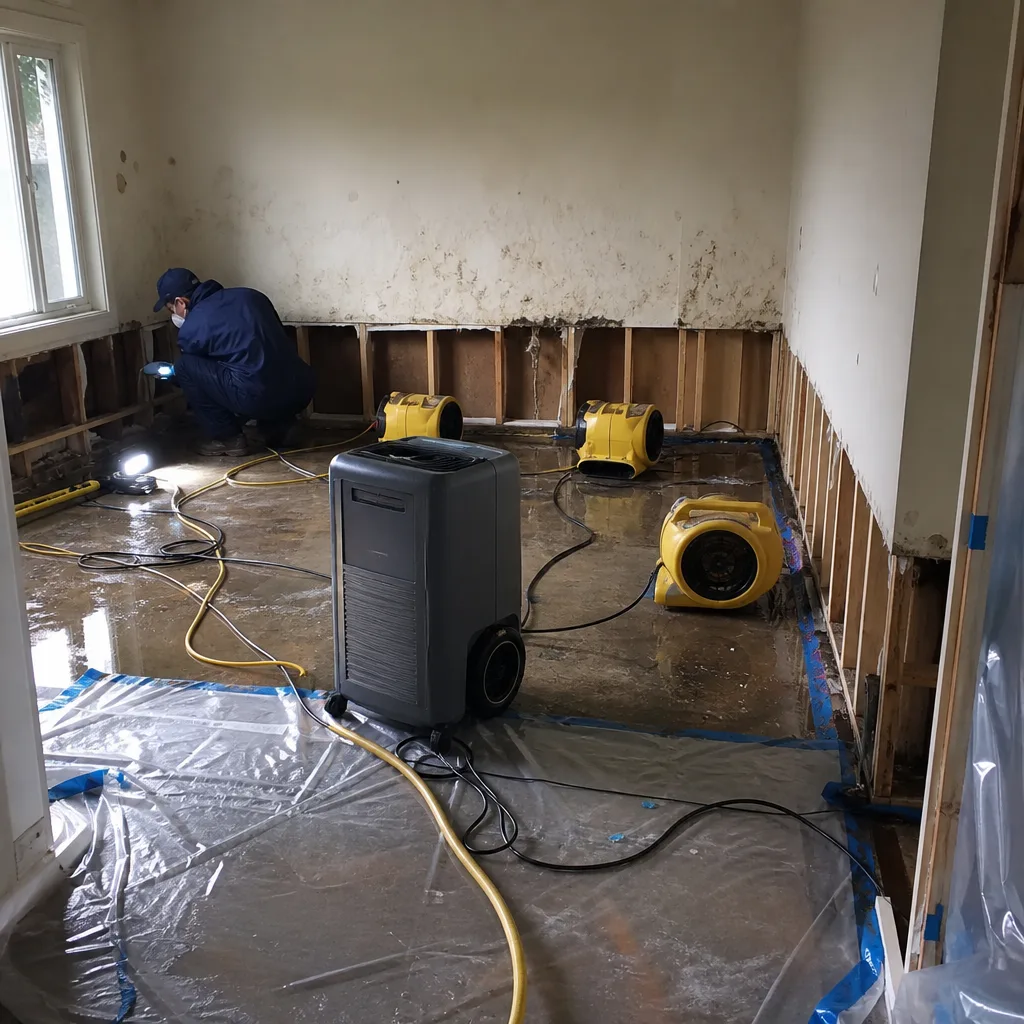
What happens when you call
- 1
A real person answersNo phone trees - you reach a local pro.
- 2
You get an upfront price rangeHonest numbers before anyone is dispatched.
- 3
A background-checked tech heads outLicensed & insured, dispatched right away.
- 4
You approve before work beginsNothing starts until you say go.
 Before
 After
AfterTrusted Brands We Service in Jamul
Our Jamul crews deploy professional-grade drying and air filtration systems from Dri-Eaz, Phoenix, and B-Air, with Injectidry systems available for specialty cavity drying. We stock HEPA filters, antimicrobial treatments, and containment materials locally so we’re not waiting on supply runs from San Diego when your job is active. Equipment is maintained to manufacturer specifications and calibrated regularly - a dehumidifier that doesn’t pull its rated pints per day extends drying time and costs you money in extended equipment rental. We document equipment serial numbers and performance readings on every daily log.
Common Mold Remediation Problems We See in Jamul Homes
- Treating the job as a single water event and missing the post-fire hydrophobic soil pattern. The first major winter rain reintroduces ash-laden flash-flood water under slab and into the crawl space after the original fire claim was closed, creating a secondary mold claim that should have been anticipated. We schedule follow-up inspections before the first seasonal rain on every fire-affected property.
- Using coastal-zone venting assumptions on Jamul’s inland foothill homes. Santa Ana winds desiccate materials fast but also pull smoke and soot deep into wall cavities, leaving hidden mold reservoirs that only show up on a later inspection. Our inspections include cavity sampling where fire history indicates smoke infiltration.
- Scoping well-pump or septic failures with municipal-water assumptions. This understates Category 3 contamination and leads to inadequate removal of wet drywall and insulation rather than proper mitigation. We verify water source and contamination category before writing any scope.
- Closing fire smoke claims without moisture monitoring through the first winter rain season. Burned chaparral leaves hillside soils nearly waterproof, and the resulting ash-and-mud slurry flows downslope into garages and under slab foundations. We document this risk in writing for adjusters and homeowners before closing any fire-related file.
Pricing for Mold Remediation in Jamul, CA
A typical mold inspection and testing in Jamul runs $350-$650, including moisture mapping, air and surface sampling, and a written protocol. Mold removal for a contained area of 50-150 square feet typically costs $1,800-$3,200. Whole-room or multi-room remediation with full containment, HEPA filtration, and material removal runs $3,500-$6,500. Crawl space treatment on a Jamul ranch home averages $2,800-$5,000 depending on accessibility, contamination extent, and whether vapor barrier installation is required.
Several factors move these ranges: Category 3 contamination from septic or well-pump failures requires more extensive removal and adds 20-40% to material costs. Post-fire jobs with combined smoke and mold contamination require dual-protocol remediation. Homes on Proctor Valley Road and other areas with direct hillside drainage face higher crawl space moisture loads that extend drying time. We deliver a written price before any work starts, every time, with no exceptions - Haven Standard, Clause 1. Call (619) 649-7428 for an exact quote on your property; estimates are free and documented.
We Also Serve Cities Near Jamul
Our Mold Remediation in Jamul crews also respond to properties in El Cajon, Spring Valley, La Mesa, and Lakeside. Each area has distinct conditions - coastal influence in La Mesa, denser suburban stock in Spring Valley, older infrastructure in Lakeside - and our scoping adjusts accordingly. Dispatch and scheduling are coordinated from our San Diego office, with crews serving Jamul and surrounding communities locally.
Serving Jamul, CA - Our Local Coverage Area
We’re based in the Jamul area and know this community well. Use the map below to see our service coverage - if you’re nearby, we can almost certainly help.
FAQs - Mold Remediation in Jamul
Mold can become visible within 48 to 72 hours of moisture introduction, but in Jamul’s post-fire pattern the timeline is often delayed. The initial Santa Ana wind event drives smoke and ash into cavities without adding moisture, so mold doesn’t grow immediately. The moisture arrives months later, with the first major winter rain on hydrophobic burned soils, sending water under slabs and into crawl spaces where the deposited ash provides nutrients. We recommend a moisture inspection before the first seasonal rain on any fire-affected property, even if the fire claim is already closed. Call (619) 649-7428 to schedule - estimates are free.
Jamul sits far enough inland that salt air corrosion is minimal compared to Coronado or Imperial Beach, but the Santa Ana winds that define Jamul’s climate create their own problems. These dry winds desiccate surface materials rapidly, which can mask moisture trapped deeper in wall cavities, and they drive wildfire smoke and particulate deep into structures where it becomes a latent mold nutrient source. The remediation challenge in Jamul isn’t salt - it’s the combination of deep smoke infiltration and delayed moisture introduction. Our inspections specifically test for this pattern.
Private well and septic systems change both the contamination category and the scope of removal. A well-pump failure or septic backflow introduces Category 3 water - grossly contaminated, carrying pathogens - which requires removal of all porous materials in the affected area rather than surface cleaning. Municipal-water assumptions understate this, leading to scopes that leave contaminated drywall and insulation in place. We verify water source and test contamination category before writing any scope for Jamul properties. Call (619) 649-7428 and we’ll document the correct classification from the start.
Yes, and it’s a pattern we see specifically in Jamul’s wildland-urban interface. The fire claim addresses smoke and heat damage, but burned chaparral on surrounding hillsides creates hydrophobic soil that repels water rather than absorbing it. The first major winter rain sends concentrated, debris-laden runoff through natural draws and into foundations, crawl spaces, and garages. This secondary moisture event, combined with smoke residue already deposited in cavities, creates new mold growth on what was previously a “closed” property. We document this risk in writing and schedule follow-up inspections before seasonal rains.
Crawl space treatment begins with moisture mapping at multiple points to establish the extent of saturation, then containment to prevent spore migration to living spaces. We remove contaminated insulation and debris, HEPA-vacuum all surfaces, apply antimicrobial treatment to framing, and install dehumidification with daily psychrometric logging. For raised foundations, we inspect rim joists and subflooring - the most common failure points in Jamul’s flash-flood pattern. For slab-adjacent crawl areas, we check the bottom plate and any penetrations where water may have entered. Vapor barrier installation follows if soil moisture warrants it. Every step is photo-documented and written into your scope before work begins.
Written by Alicia Brennan, Owner at Back to Dry Restoration, serving Jamul since 2011.