
Last updated September 23, 2026
Free visual inspection and a written scope of work before any mitigation begins - photos, moisture readings, and drying logs go in your claim file
The scope we write is the scope we bill. Anything new gets shown to you, in writing, before we touch it.
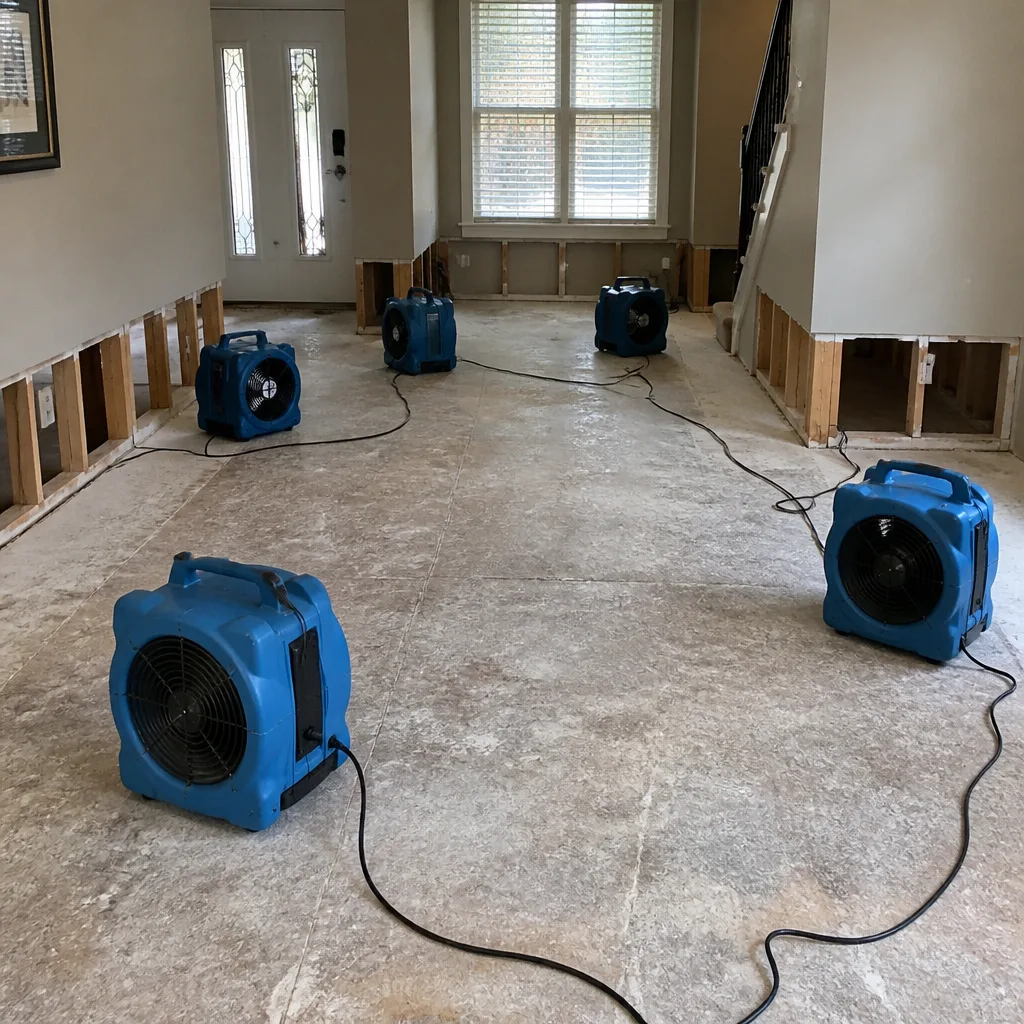

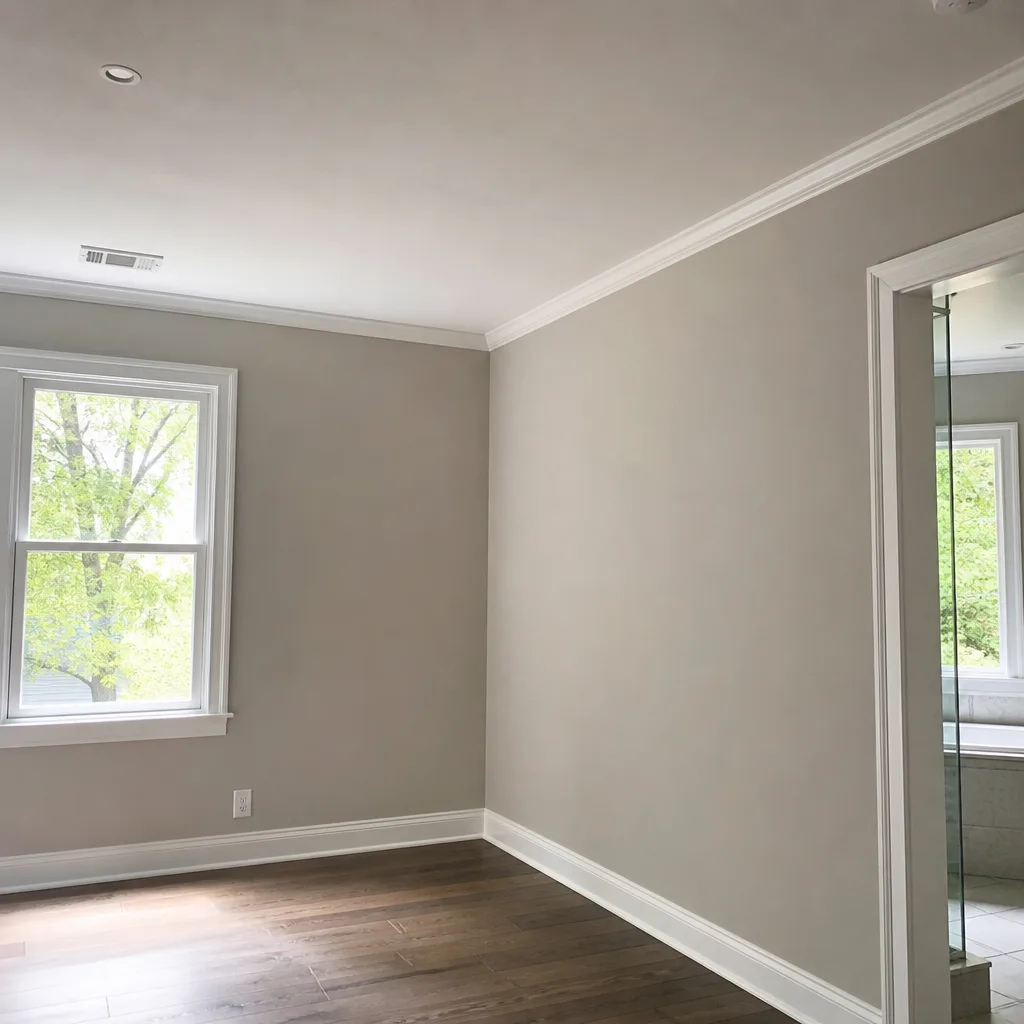

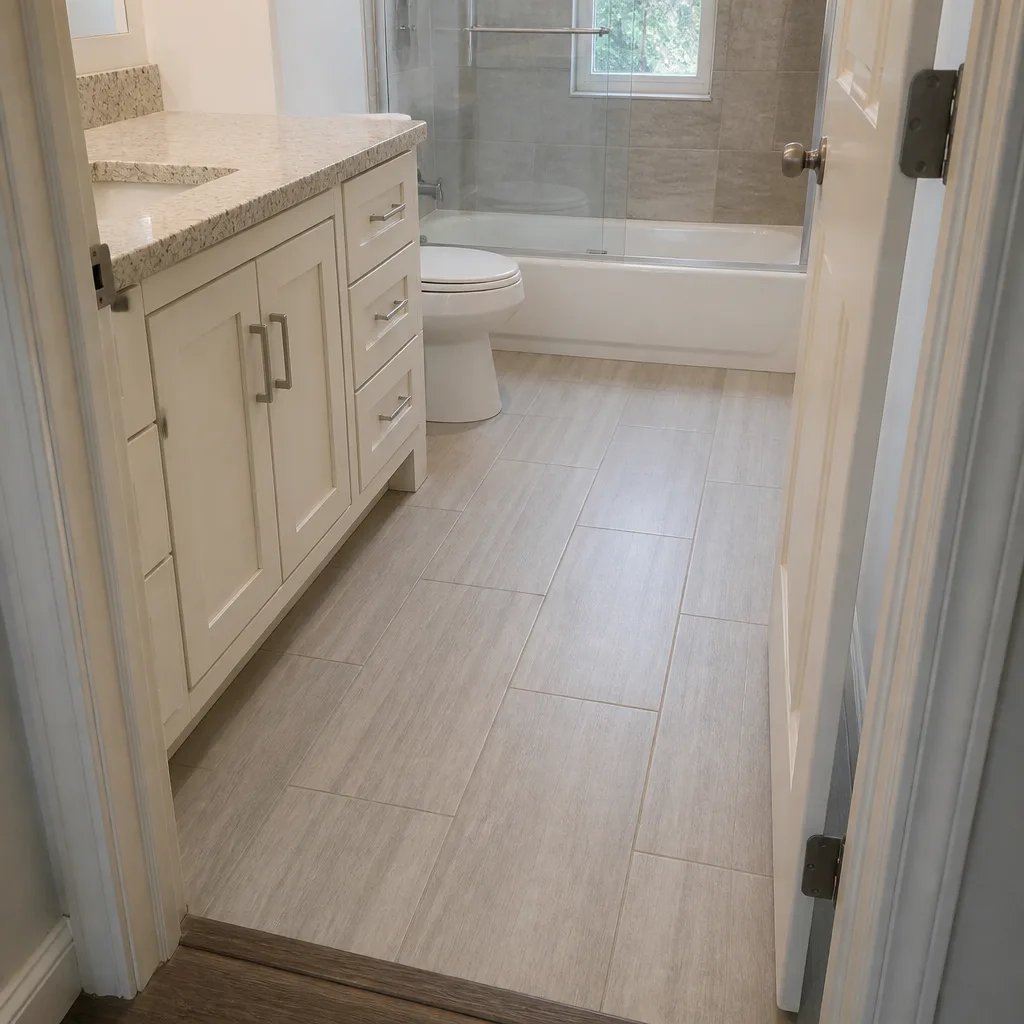

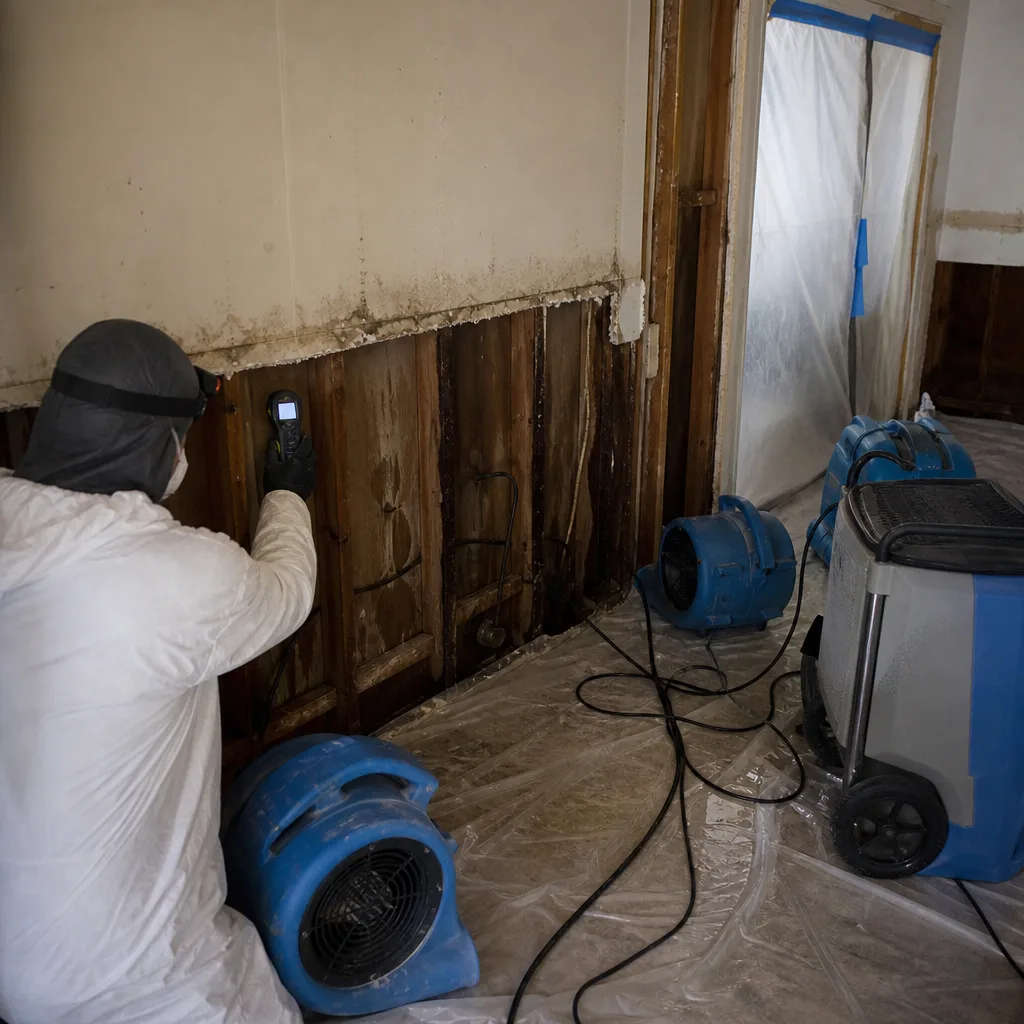 Before
 After
After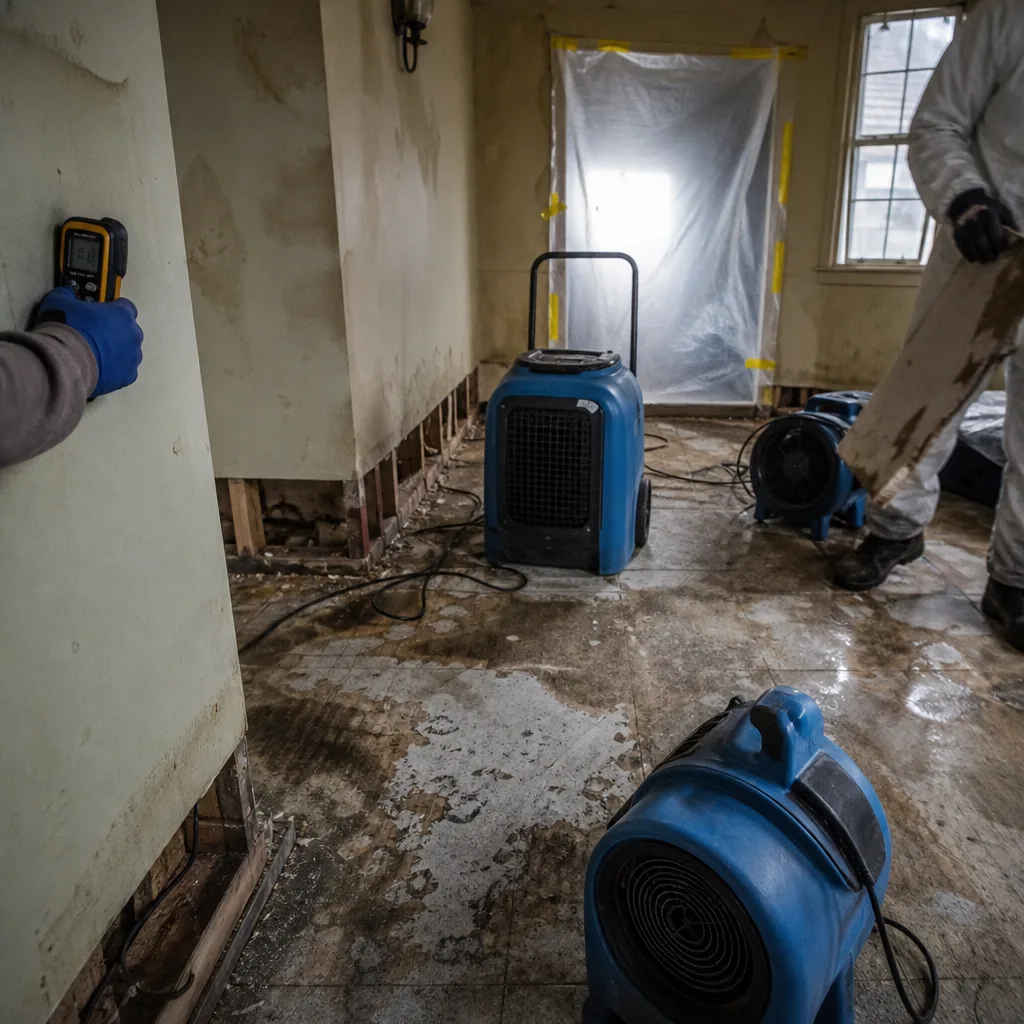 Before
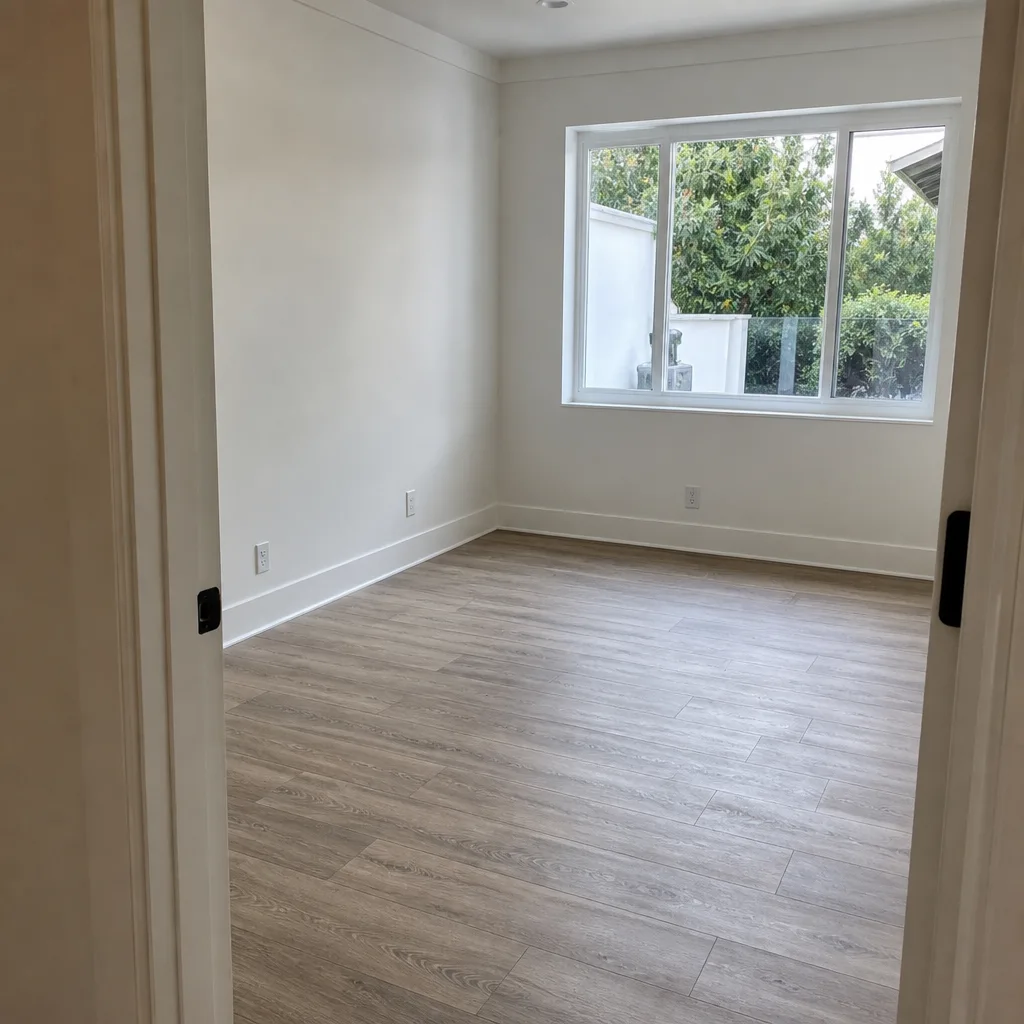 After
After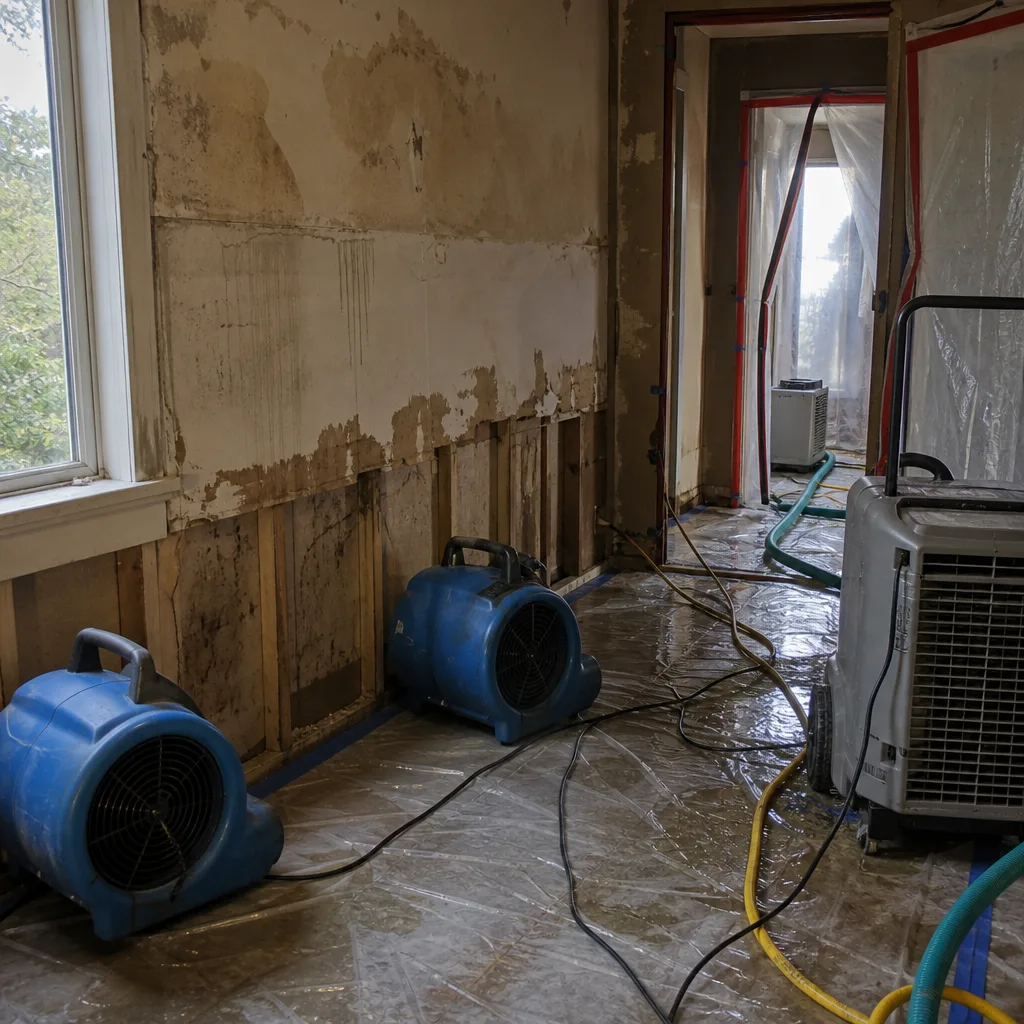 Before
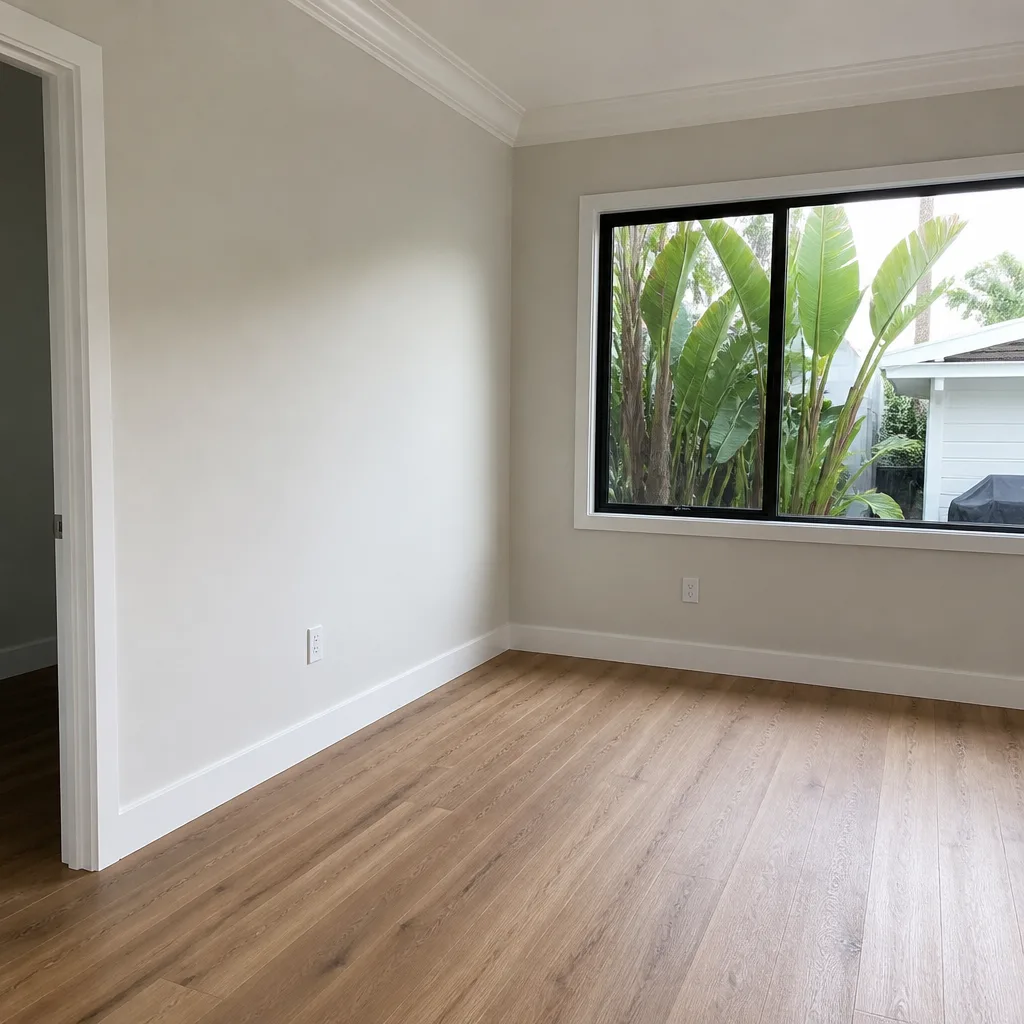 After
AfterWater Damage Restoration Maintenance Checklist for Coronado Homeowners
The most expensive water damage claims we document in Coronado don’t begin with storm surges or burst pipes. They start with a homeowner who walked past the same maintenance item for eighteen months - a weep screed buried under soil, a window with cracked glazing compound, a flat roof drain clogged with palm debris - and the adjuster later labels each one a “known condition” that voids coverage under California’s repeated-seepage exclusion. Since 2011, we’ve produced the drying logs, photo records, and written scopes that turn our Water Damage Restoration services into paid claims. We’ve also seen which maintenance failures adjusters cite most often. This checklist is built from that file.
Quick Answer
A proper water damage prevention checklist for Coronado homeowners includes quarterly inspection of weep screed clearance, annual testing of flat-roof drainage, biannual window glazing review, documented interior moisture baselines, and maintenance records that establish a pre-loss condition. These five items, performed consistently, are the strongest defense against the “repeated seepage” exclusion that California insurers use to deny claims.
Table of Contents
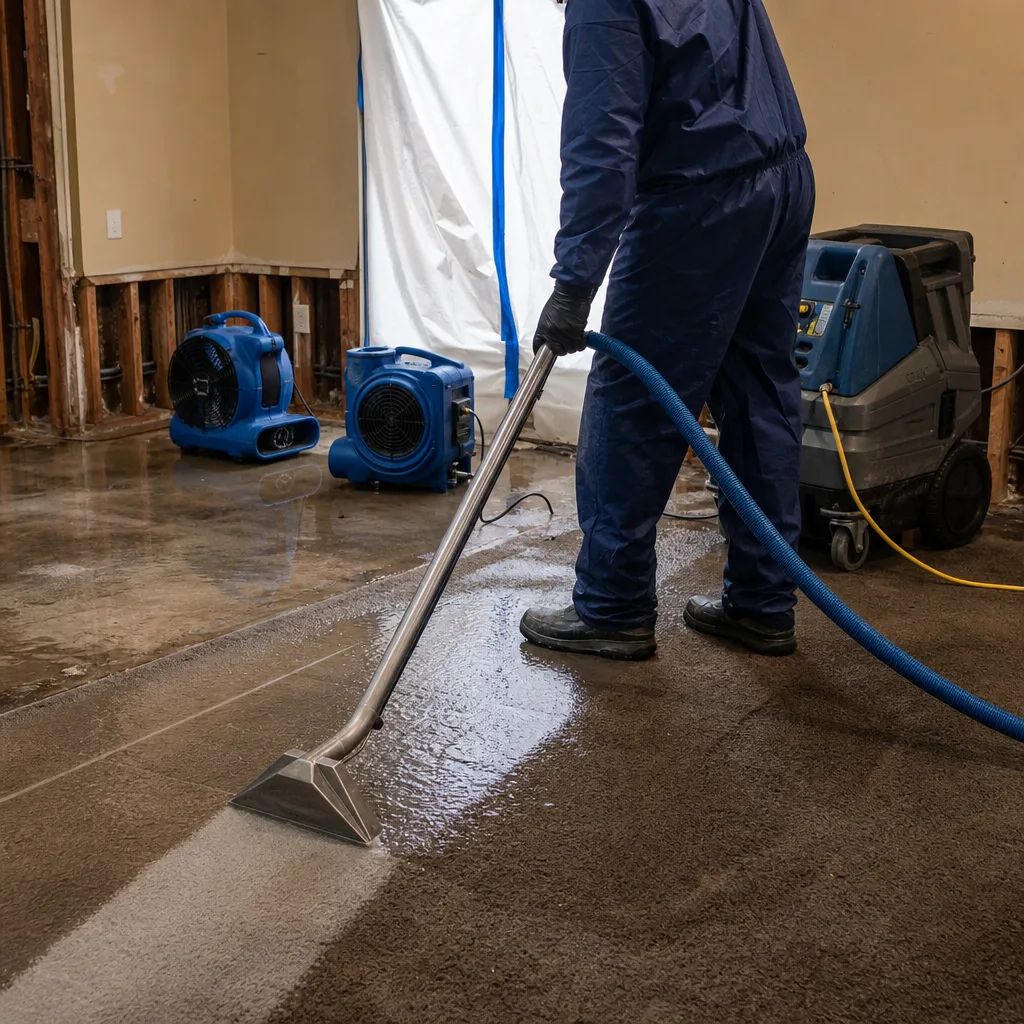
- The Repeated-Seepage Exclusion: What Coronado Homeowners Are Actually Up Against
- Exterior Maintenance: The Three Items Adjusters Cite Most
- Interior Moisture Baselines: What “Dry” Actually Looks Like in Coronado
- Room-by-Room Inspection Sequence with Pass/Fail Thresholds
- Documentation Habits That Protect Your Claim
- Special Considerations for Coronado’s Older Housing Stock
- A Seasonal Maintenance Rhythm for Coronado’s Climate
- Common Mistakes to Avoid
- When to Call a Professional
- Frequently Asked Questions
 Before
 After
AfterThe Repeated-Seepage Exclusion: What Coronado Homeowners Are Actually Up Against
California homeowners policies contain a standard exclusion for “repeated seepage or leakage of water… over a period of 14 or more days.” The language appears in ISO form HO-3 policies and most carrier-specific equivalents. What it means in practice: if water entered your home gradually, and you knew or should have known about it, the carrier can deny the entire claim - not just the gradual portion.
In Coronado, this exclusion gets invoked more often than in inland markets for two reasons. First, the marine climate means moisture intrusion can proceed slowly and invisibly for months. Second, Coronado’s housing stock includes significant pre-1980 construction with original windows, flat roofs, and stucco systems that require active maintenance - maintenance that adjusters expect to see documented.
The three maintenance failures that trigger this exclusion most often in our files:
- Weep screed buried below grade. The perforated metal strip at the base of stucco walls allows drainage and ventilation. When soil, mulch, or hardscaping covers it, water wicks into the wall assembly. Adjusters photograph the buried screed and cite it as evidence of long-term neglect.
- Deteriorated window glazing compound. Original wood windows in Coronado’s Spanish Colonial and Craftsman homes rely on glazing compound to seal the glass to the sash. When it cracks and falls out, rainwater enters the sash joint, then the wall. The pattern of staining on interior drywall is distinctive and easily dated by adjusters.
- Flat roof drains clogged or improperly sloped. Coronado has significant flat-roof construction from the 1960s through 1980s, plus modern builds with roof decks. Standing water exceeding 48 hours triggers membrane degradation, and the ponding pattern is visible from aerial imagery that carriers now routinely pull.
Our documentation process at DryMark Restoration Coronado home includes photographing these exact conditions on every initial assessment, because they determine whether we’re documenting a covered sudden event or a denied gradual loss. The maintenance checklist below is designed to eliminate the conditions that produce denials.
Exterior Maintenance: The Three Items Adjusters Cite Most
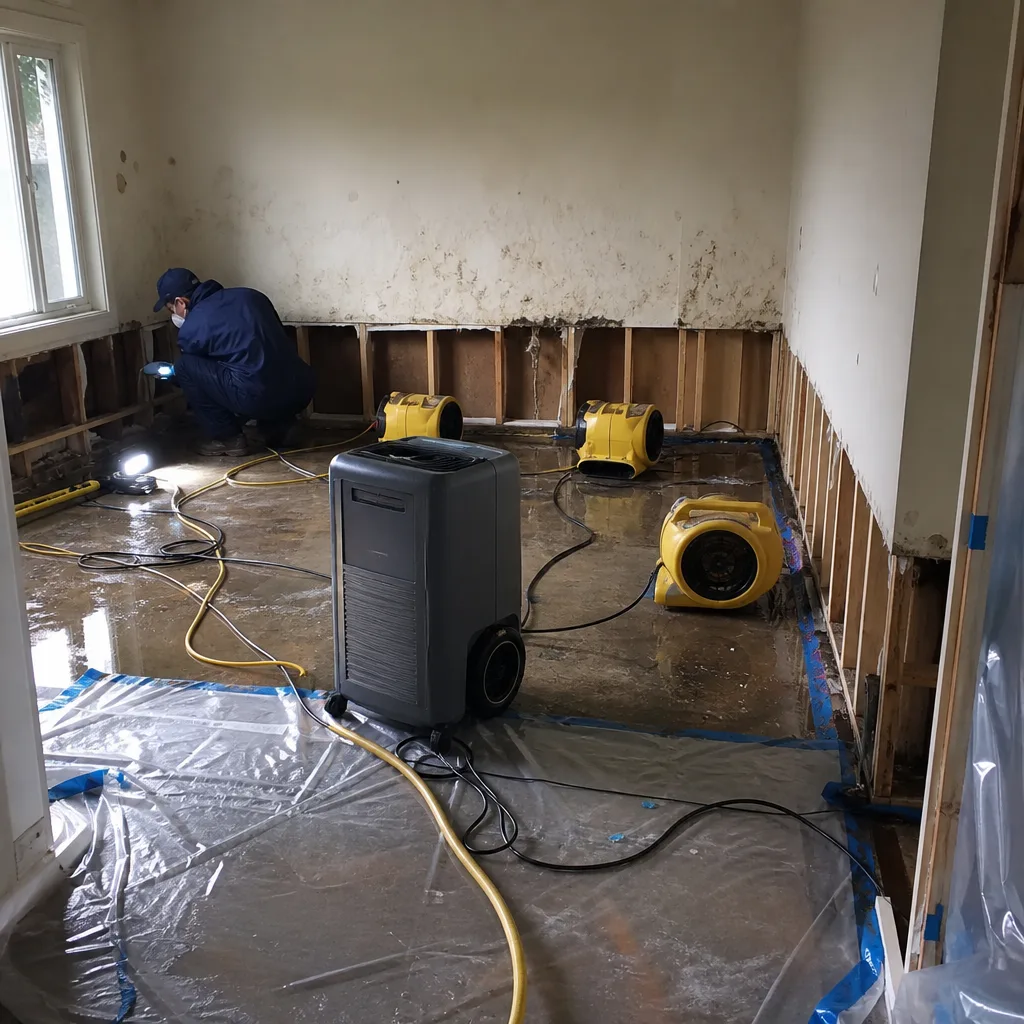
Weep Screed Clearance
Weep screed is a perforated metal strip installed at the base of stucco walls, typically 4 inches above grade minimum per California Building Code. Its function is to allow moisture that enters the stucco assembly to drain and to provide ventilation that promotes drying. In Coronado’s marine environment, where exterior relative humidity routinely exceeds 75%, this ventilation function is critical.
Pass/fail threshold: Minimum 4 inches of clear, unobstructed space below the weep screed, with no soil, mulch, hardscaping, or vegetation blocking the perforations. The screed itself must be intact, not crushed or rusted through.
Inspection frequency: Quarterly. Coronado’s growing season is year-round, and ground cover advances faster than most homeowners notice.
What to document: Date-stamped photograph showing the full length of screed with a measuring tape visible. If clearance is inadequate, photograph before and after correction.
Window Glazing Compound
Wood windows in pre-1980 Coronado homes use glazing compound, a putty-like material, to seal glass to the wood sash. The compound dries and cracks over time, typically 10-15 years in Coronado’s UV and salt-air environment. Once compromised, rainwater enters the sash joint, saturates the wood, and migrates into the wall assembly.
Pass/fail threshold: No visible cracks wider than 1/16 inch, no missing sections, no loose glass rattling in the sash. The compound should present a continuous, slightly convex bead.
Inspection frequency: Biannual - March and October, before and after the winter rain season.
What to document: Close-up photographs of representative windows, with address visible. Note any windows with failed compound on a dated spreadsheet.
Flat-Roof Drainage
Coronado’s flat and low-slope roofs - common in the Coronado Cays, the Village, and 1970s-era construction throughout the city - depend on positive drainage to roof drains or scuppers. The 2022 California Building Code requires roofs to drain within 48 hours of precipitation. Standing water beyond that threshold degrades membrane, accelerates UV damage, and creates loading that stresses structural elements.
Pass/fail threshold: No standing water 48 hours after rain. Drains clear of debris. Scupper openings at least 4 inches high and unobstructed. Roof surface slopes minimum 1/4 inch per foot toward drains.
Inspection frequency: Before October 1 each year, and after any significant wind event that deposits palm fronds or debris.
What to document: Photographs of each drain and scupper, with water level marked if standing water is present. Note any re-leveling or membrane repair needed.
These three items appear in more denied claims than all other maintenance failures combined. Addressing them proactively is the single highest-return investment a Coronado homeowner can make in claim protection, as detailed in The Complete Guide to Damage Restoration in Coronado.
Interior Moisture Baselines: What “Dry” Actually Looks Like in Coronado
Most homeowners have no documented record of what their home’s normal moisture conditions look like. When damage occurs, the adjuster has no baseline to distinguish pre-existing moisture from new damage - and the homeowner bears the burden of proof.
Coronado’s marine climate creates interior conditions that surprise inland transplants. Normal interior relative humidity in Coronado runs 55-65% year-round, versus 35-45% in inland San Diego County. This higher baseline means:
- Wood moisture content (WMC) in structural framing normally reads 12-16% with a pin-type meter, versus 8-12% inland
- Drywall moisture content normally reads 0.5-1.5% above the “dry standard” used in Phoenix or Las Vegas
- Concrete slab relative humidity tests read higher than arid-climate baselines
Without documented baselines, an adjuster can argue that elevated readings in these ranges represent pre-existing moisture, not new damage. We’ve seen this argument succeed in claim denials.
What to measure and when:
- Annual moisture mapping. Using a pin-type moisture meter (Protimeter or equivalent), record readings at standard locations: base of exterior walls, window sills, under sinks, around water heater, laundry area, and any prior repair locations. Date and photograph each reading with location noted.
- Hygrometer logging. Place digital hygrometers in main living areas, basement or crawl space if present, and attic. Record relative humidity and temperature monthly. This establishes your home’s normal psychrometric profile - the temperature and humidity relationship that determines whether condensation will form on surfaces.
- Vapor pressure differential calculation. The difference between interior and exterior vapor pressure drives moisture movement through building assemblies. In Coronado, where exterior vapor pressure is consistently high, even small interior pressure deficits can pull moisture inward. Your restoration professional can calculate this; document the calculation annually.
At Water Damage Restoration in Coronado, we provide baseline moisture documentation as a standard service for homeowners who have not yet experienced a loss. The cost is minimal; the claim protection is substantial.
Room-by-Room Inspection Sequence with Pass/Fail Thresholds
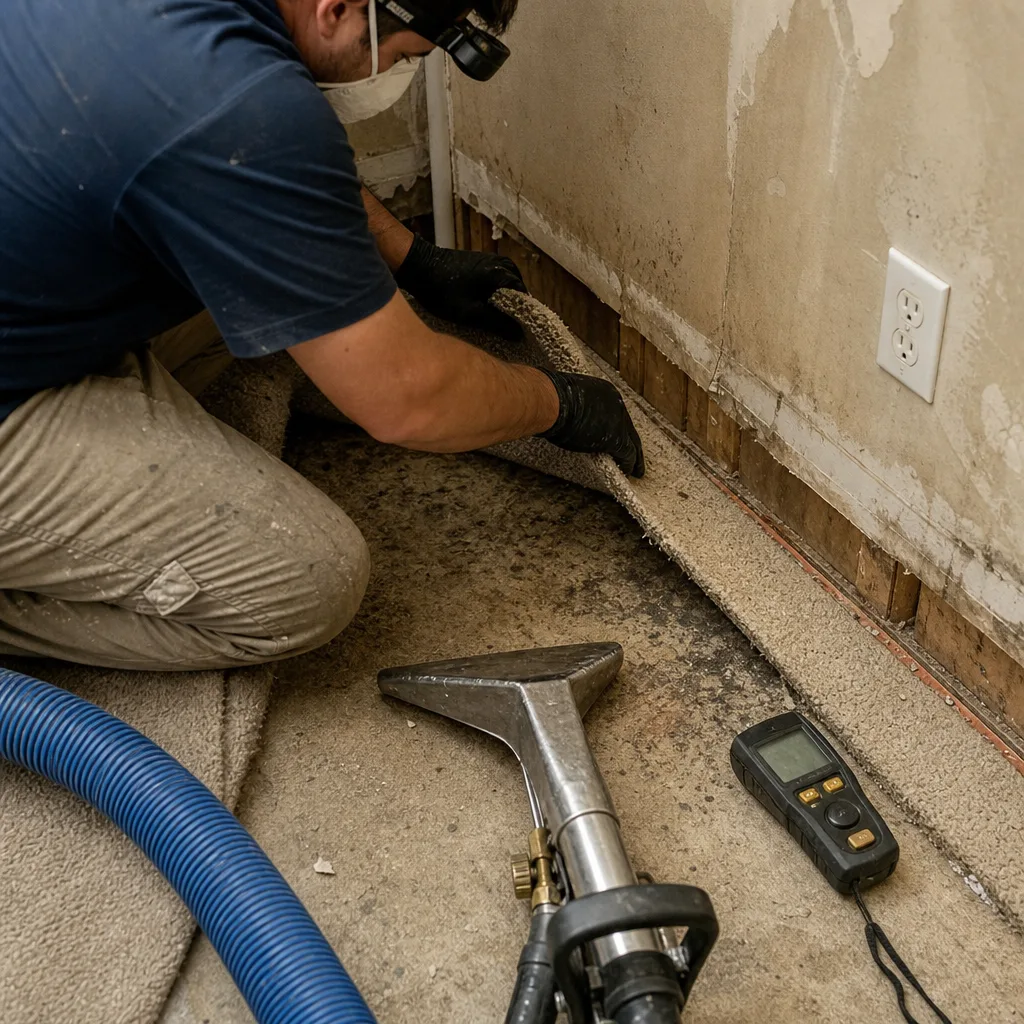
The following sequence is designed to be completed in 90 minutes by a homeowner with a flashlight, moisture meter, and smartphone camera. Perform it biannually - May and November in Coronado’s climate - and after any plumbing event, however minor.
Kitchen
- Under-sink cabinet: Inspect supply line connections with flashlight. Pass if no corrosion, no moisture on cabinet floor, no staining on back panel. Fail if any moisture detected or prior water stain visible.
- Dishwasher: Pull kick plate. Pass if no mineral deposits on floor, no musty odor. Fail if any moisture or mold-like staining.
- Refrigerator ice maker: Inspect supply line and shutoff valve. Pass if braided stainless or copper line intact, valve operates smoothly. Fail if plastic line present (replace immediately - these fail predictably) or valve seized.
- Range hood vent: Pass if damper operates freely, exterior termination clear. Fail if damper stuck open or closed, or bird nest visible at termination.
Bathrooms
- Toilet: Pass if no movement when rocked gently, no staining at base, tank-to-bowl bolts dry. Fail if any wax ring indication or tank bolt corrosion.
- Shower/tub enclosure: Pass if grout intact (no cracks >1/16 inch), caulk continuous at tub-wall joint, no soft tile when pressed. Fail if any hollow-sounding tile or missing grout.
- Exhaust fan: Pass if operates, duct terminates outside (not attic), damper functional. Fail if duct disconnected, damper missing, or fan inoperative.
- Under-floor access if available: Pass if no staining on subfloor, no musty odor. Fail if any indication of prior or active leak.
Laundry
- Washing machine: Pass if supply hoses braided stainless (not rubber), drain hose properly secured, pan present and dry if required by code. Fail if rubber hoses present (replace immediately) or pan contains water.
- Dryer vent: Pass if rigid or semi-rigid metal duct, exterior termination clear, lint minimal. Fail if plastic duct present, termination blocked, or significant lint accumulation.
Water Heater
- Tank and connections: Pass if no rust on tank base, temperature-pressure relief valve discharge pipe terminates properly (not floor), expansion tank pressurized if present. Fail if any tank base moisture, rust streaking, or missing discharge pipe.
Exterior Walls (Interior Side)
- Base of all exterior walls: Pass if drywall firm, paint intact, no staining or efflorescence. Fail if any soft drywall, bubbling paint, or white powdery deposits.
- Window walls: Pass if sill dry to touch, no staining on trim or wall below. Fail if any moisture or staining.
Attic or Roof Space
- Roof sheathing: Pass if no staining, no daylight visible at penetrations, ventilation intake and exhaust clear. Fail if any water staining, compressed insulation blocking vents, or missing baffles.
- HVAC equipment if present: Pass if condensate pan dry or draining, secondary drain connected if required. Fail if pan contains standing water or primary drain disconnected.
Document each pass/fail determination with a dated photograph. Store in cloud storage with address in filename. This record becomes your pre-loss condition documentation.
Documentation Habits That Protect Your Claim
The homeowners who recover fully on water damage claims share one characteristic: they can produce dated evidence of pre-loss condition. The homeowners who fight coverage denials for months often cannot.
Our documentation standard at DryMark Restoration Coronado, derived from IICRC and RIA protocols, specifies four record types that adjusters accept without challenge:
1. The annual moisture log. A spreadsheet with date, location, meter reading, meter type, and photograph filename. We recommend the Protimeter Surveymaster or equivalent with both pin and non-invasive modes. Record both readings where possible - they corroborate each other.
2. The maintenance receipt file. Every professional service - roof inspection, plumbing repair, window reglazing, HVAC maintenance - produces an invoice. Scan and store with date and service provider name. These establish that maintenance was performed by qualified persons, not just observed by the homeowner.
3. The photographic baseline. Annual photographs of all exterior elevations, roof condition, and representative interior conditions. Include a dated newspaper or digital timestamp in frame. Store with EXIF data preserved.
4. The correspondence log. Any communication with your insurer about coverage, endorsements, or prior claims. Include policy declaration pages at each renewal, noting any changes to water damage coverage or deductibles.
These four records, maintained consistently, transform a coverage dispute from a he-said-she-said into a documented file that carriers prefer to settle than to litigate. In our experience with Mold Remediation in Coronado cases, the presence of a documented moisture baseline often determines whether mold remediation is covered as a consequence of a covered water loss, or excluded as a maintenance issue.
Special Considerations for Coronado’s Older Housing Stock
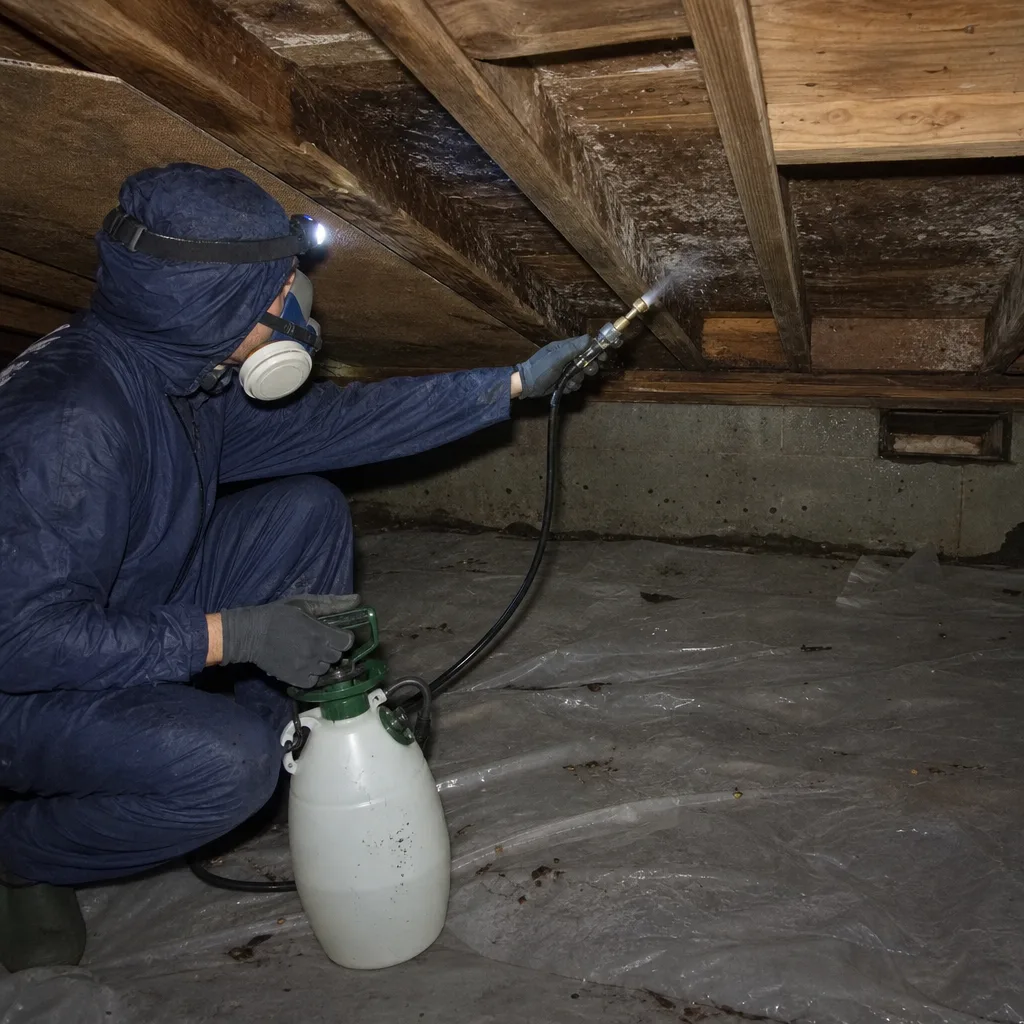
Coronado’s housing inventory includes significant concentrations of Spanish Colonial Revival (1920s-1940s, concentrated in the Village and Country Club area) and Craftsman (1910s-1930s, scattered throughout). These structures have maintenance requirements that differ materially from post-1980 construction.
Spanish Colonial Revival
- Stucco systems: Original stucco is typically three-coat Portland cement plaster over wire lath, often without modern drainage plane. The weep screed, if present, may be original and corroded. Inspection should include tapping for hollow areas that indicate delamination, and probing at base for soft substrate.
- Clay tile roofs: Mission tile roofs require intact underlayment and properly flashed penetrations. The tile itself sheds most water, but wind-driven rain enters at hips, ridges, and valleys. Annual inspection by a tile-roof specialist is essential; homeowner visual inspection is insufficient.
- Steel casement windows: Common in 1930s construction, these have glazing compound, steel frame corrosion, and operating hardware that all require maintenance. Corrosion at the frame-to-stucco interface is a common moisture entry point that adjusters date to long-term neglect.
- Foundation: Many Spanish Colonial homes have raised perimeter foundations with crawl spaces. Ventilation is critical in Coronado’s humid climate; blocked vents create condensation conditions that produce “mystery moisture” claims.
Craftsman
- Wood siding and trim: Original old-growth cedar or redwood siding is durable but requires maintained paint film. Failure pattern: paint cracks at joints, water enters end grain, decay begins at sill and rake boards. The decay pattern is visible and datable by adjusters.
- Built-in gutters: Some Craftsman homes have concealed gutter systems behind fascia boards. These clog, overflow, and rot fascia and rafter tails. Access for cleaning is difficult; professional service is typically required.
- Pier and beam foundations: Ventilation and ground cover are critical. A 6-mil polyethylene ground cover, properly sealed, is standard; its absence or deterioration is cited in maintenance-related denials.
Newer Construction (1980-Present)
- EIFS and synthetic stucco: Some 1980s-1990s construction used Exterior Insulation and Finish Systems with inadequate drainage. Moisture intrusion behind EIFS is invisible until advanced. Infrared thermography or moisture probe testing by a specialist is the only reliable detection.
- Slab-on-grade construction: Plumbing leaks under slab are common in Coronado’s expansive soil conditions. The leak itself is sudden and covered; the resulting damage may be denied if the leak persisted beyond 14 days. Annual pressure testing of potable water lines is advisable.
Understanding your home’s construction era and type allows targeted maintenance that addresses the specific failure modes adjusters know to look for.
A Seasonal Maintenance Rhythm for Coronado’s Climate
Coronado’s Mediterranean marine climate has distinct wet and dry seasons, but the marine layer and high humidity mean moisture risk is never fully absent. The following rhythm aligns maintenance with actual climate stressors.
October (Pre-Rain Season)
- Clear roof drains and scuppers; verify positive drainage
- Inspect and test all gutters and downspouts; verify discharge away from foundation
- Check window glazing compound; schedule reglazing before rains
- Verify weep screed clearance; correct any encroachment
- Test sump pump if present; clean pit
- Service HVAC system; verify condensate drainage
March (Post-Rain Season Assessment)
- Inspect all exterior walls for staining or efflorescence that appeared during winter
- Check attic or roof space for any new staining
- Test interior moisture baselines; compare to prior year
- Inspect bathroom grout and caulk; repair any winter degradation
- Service irrigation backflow preventer; verify no winter freeze damage
May (Dry Season Preparation)
- Deep inspection of all plumbing fixtures and connections
- Test water heater pressure-relief valve
- Inspect washing machine hoses; replace if >5 years old
- Verify dryer vent clear; clean if needed
- Check exterior hose bibs for winter damage
August (Peak Humidity Management)
- Monitor interior relative humidity; dehumidify if sustained >65%
- Verify bathroom and kitchen exhaust fans operate and vent properly
- Inspect crawl space or basement ventilation; clear any blockages
- Check for condensation on cool surfaces (ductwork, water pipes)
- Service whole-house fan or ventilation system if present
This rhythm produces four documentation points annually, each with photographs and measurements. In a claim dispute, this frequency demonstrates reasonable maintenance diligence.
Common Mistakes to Avoid
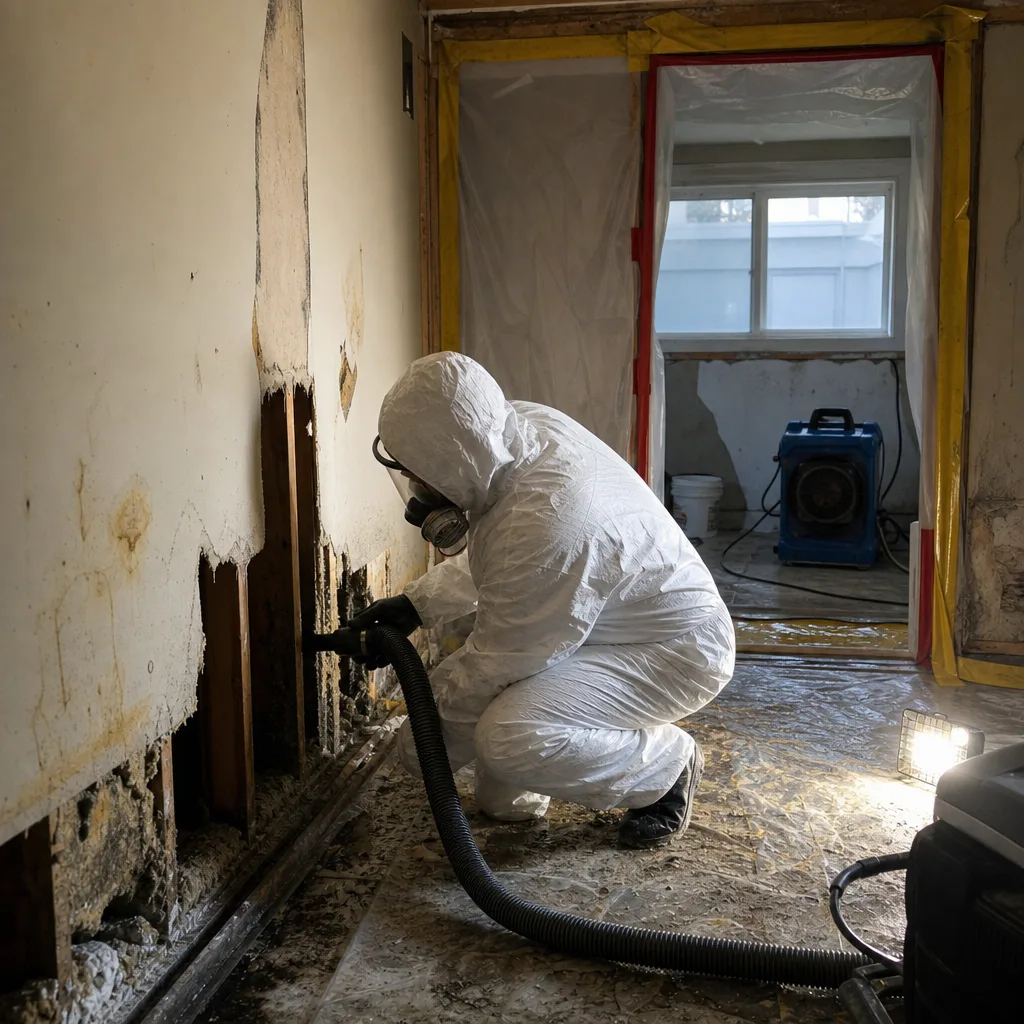
- Assuming new construction doesn’t need maintenance. We’ve documented water damage in Coronado homes less than five years old where weep screed was buried during landscaping installation and the homeowner never checked. Building code compliance at occupancy does not ensure ongoing condition.
- Relying on visual inspection alone. Moisture meters cost $200-400 and require no training to operate at a basic level. A homeowner who reports “it looked fine” has no documentation; a homeowner who produces a moisture log has evidence.
- Performing maintenance without photographing it. The adjuster who sees a clean weep screed in January has no way to know it was cleared in October. Date-stamped photographs are the proof of maintenance that carriers accept.
- Ignoring the “small” leak. A toilet that “runs a little” or a faucet that “drips sometimes” produces moisture readings that adjusters use to argue repeated seepage. Fix immediately; document the repair.
- Failing to understand your policy. California policies vary in water damage coverage, sublimits, and endorsements. The “all-risk” homeowner who assumes everything is covered often learns otherwise. Review declarations annually; ask your agent to explain the repeated-seepage exclusion in writing.
- Hiring unlicensed contractors for maintenance. When maintenance work is performed by unlicensed persons and later contributes to a loss, carriers may cite improper workmanship as a contributing cause. Use licensed plumbers, roofers, and contractors; retain their invoices and license numbers.
- Storing documentation only on paper. Paper records are lost in the damage event they’re meant to document. Cloud storage with automatic backup is essential.
When to Call a Professional
Some conditions require professional assessment before they become claim-denial material. Call a licensed plumber, roofer, or restoration professional when you find: moisture readings above your documented baseline at any location; visible mold growth of any size; water staining that reappears after cleaning; musty odors with no visible source; or any soft or deteriorated structural material.
For water damage that has already occurred, professional documentation begins the moment we arrive. At DryMark Restoration Coronado, every assessment includes a written scope, a photo record, and moisture readings documented to IICRC standards. We provide free estimates in Coronado - call (619) 649-7428. Our Fire & Smoke Damage Restoration in Coronado follows the same documentation protocol, because the same adjuster scrutiny applies.
Frequently Asked Questions
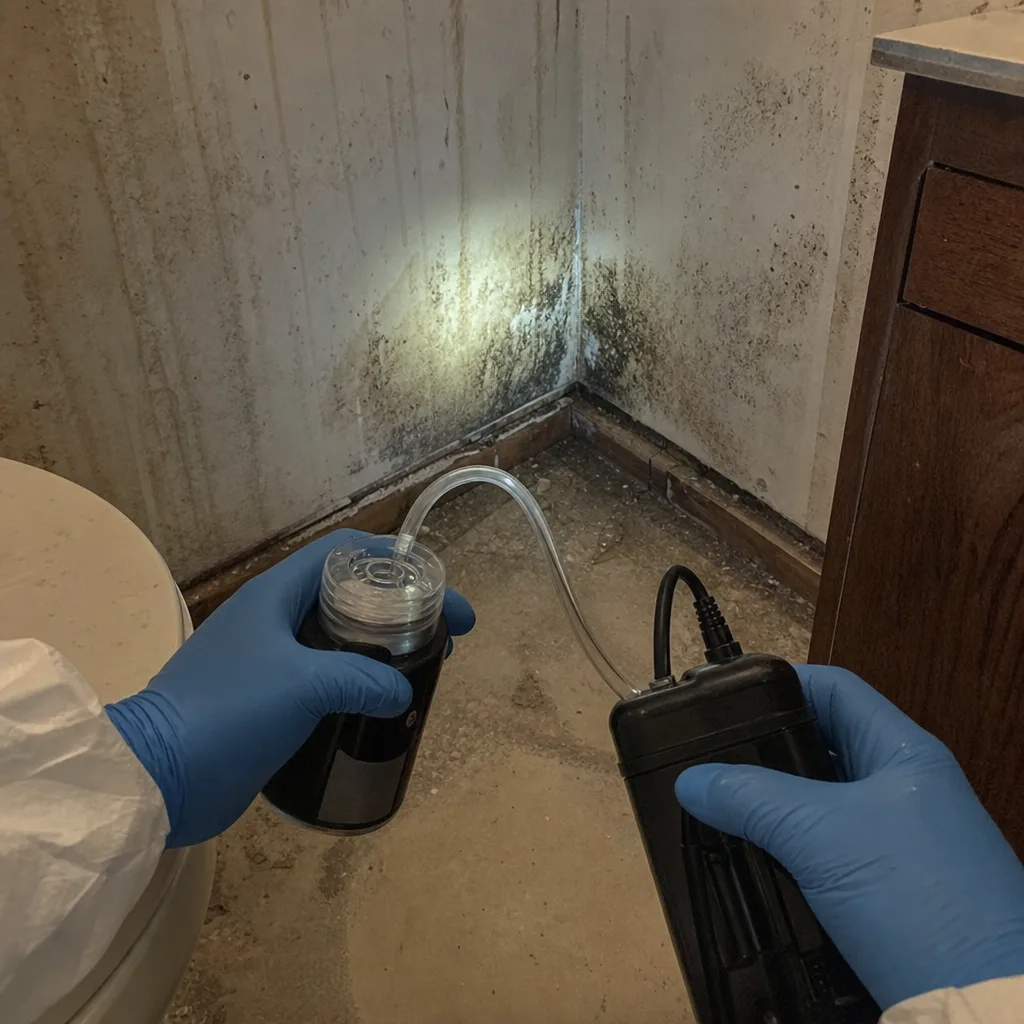
It depends on whether the damage was sudden and accidental, or gradual and caused by maintenance neglect. California’s repeated-seepage exclusion voids coverage for damage that occurred over 14 days or more if the homeowner knew or should have known about the condition. Consistent maintenance documentation is your strongest defense against this exclusion. Call (619) 649-7428 for a free assessment of your specific situation.
Perform the full room-by-room inspection sequence biannually - May and November - with quarterly checks of the three high-risk exterior items: weep screed, window glazing, and flat-roof drainage. Coronado’s marine climate means moisture risk persists year-round; the seasonal rhythm in this guide aligns inspections with actual stress periods.
In Coronado’s normal conditions, wood moisture content reads 12-16% and drywall reads 0.5-1.5% above arid-climate dry standards. A reading that exceeds your documented baseline by more than 2 percentage points, or any reading above 20% in wood or 1% in drywall, warrants investigation. The critical factor is change from your baseline, not an absolute number.
Yes. Spanish Colonial Revival and Craftsman homes have original materials - clay tile, old-growth wood, steel casement windows, built-in gutters - with maintenance requirements and failure modes that differ from modern construction. The “Special Considerations for Coronado’s Older Housing Stock” section above details these differences.
Adjusters accept four documentation types without challenge: dated moisture logs with meter type noted, professional maintenance invoices with license numbers, date-stamped photographs with address verification, and policy correspondence including declaration pages. These records transform a coverage dispute from assertion into evidence.
Begin now. Purchase a pin-type moisture meter, record readings at standard locations throughout your home, and repeat annually. The first year’s readings become your baseline. For professional documentation, DryMark Restoration Coronado provides baseline moisture mapping as a standard service - the cost is minimal and the claim protection is substantial. Explore more guides & resources to protect your home.
The Bottom Line
The most expensive water damage in Coronado is not the damage you mitigate quickly. It’s the damage your insurer denies because a maintenance item you walked past for two years becomes a “known condition” under the repeated-seepage exclusion. This checklist targets the three items adjusters cite most - weep screed, window glazing, flat-roof drainage - and adds the documentation habits that turn maintenance into evidence. Perform the inspections, record the readings, photograph the conditions, and store the records where the damage event won’t destroy them. The homeowners who recover fully are the ones who can prove they maintained their property diligently. The ones who can’t prove it often recover nothing.
Written by Alicia Brennan, Owner at DryMark Restoration Coronado, serving Coronado since 2011.