
Last updated September 23, 2026
Free visual inspection and a written scope of work before any mitigation begins - photos, moisture readings, and drying logs go in your claim file
The scope we write is the scope we bill. Anything new gets shown to you, in writing, before we touch it.
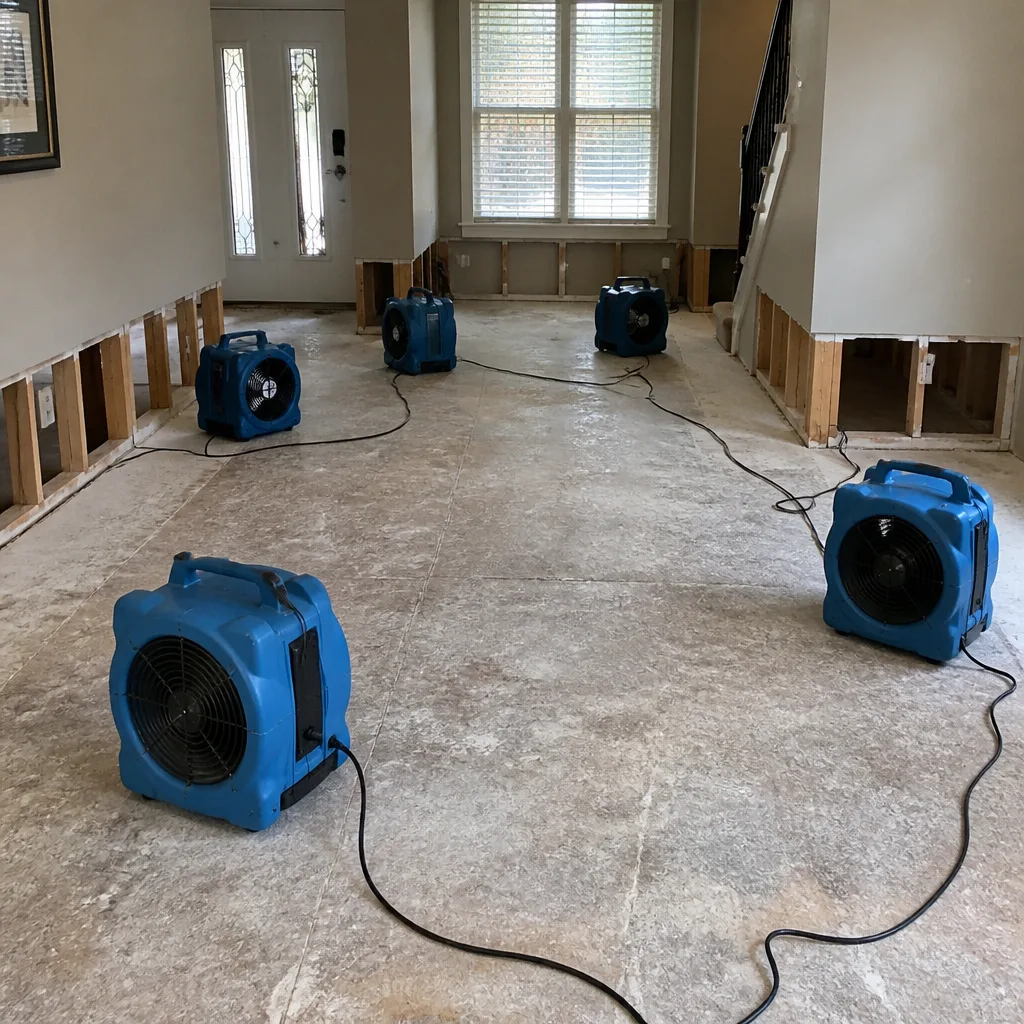
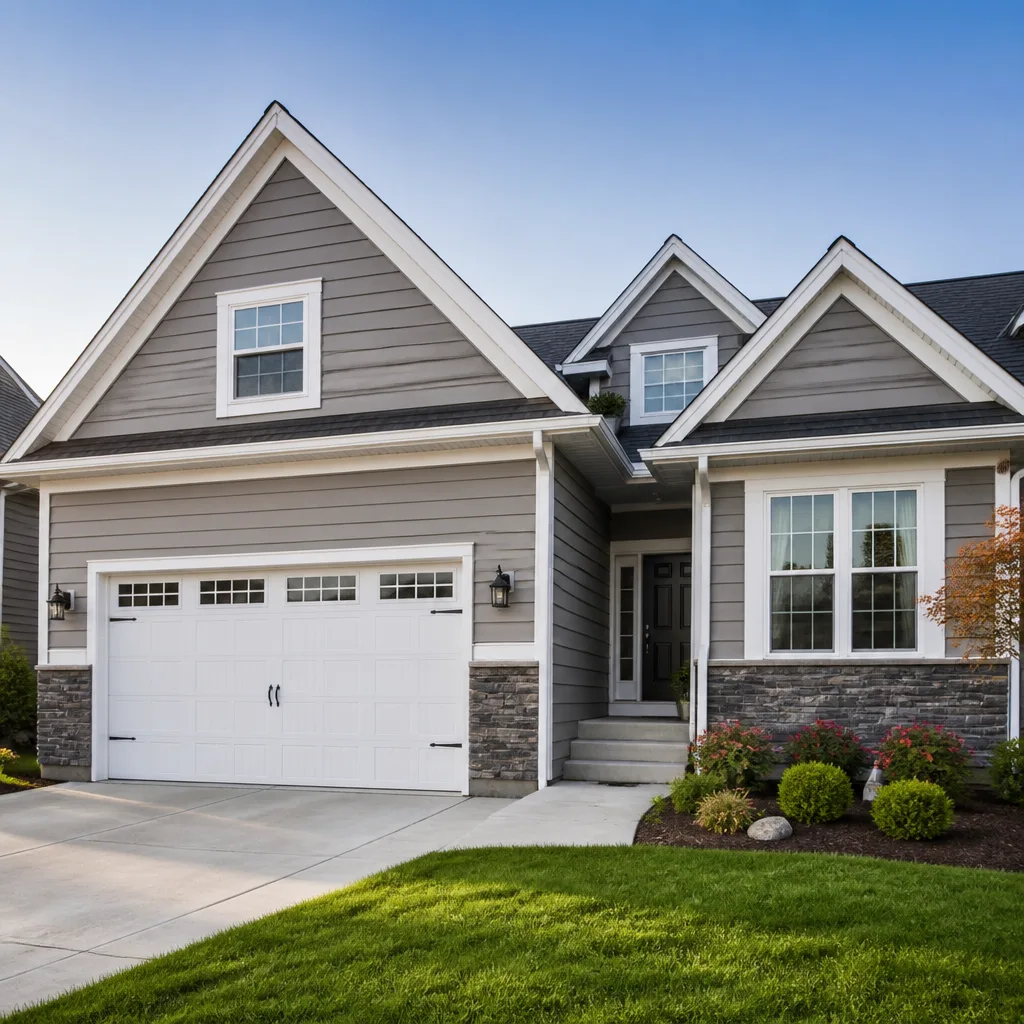
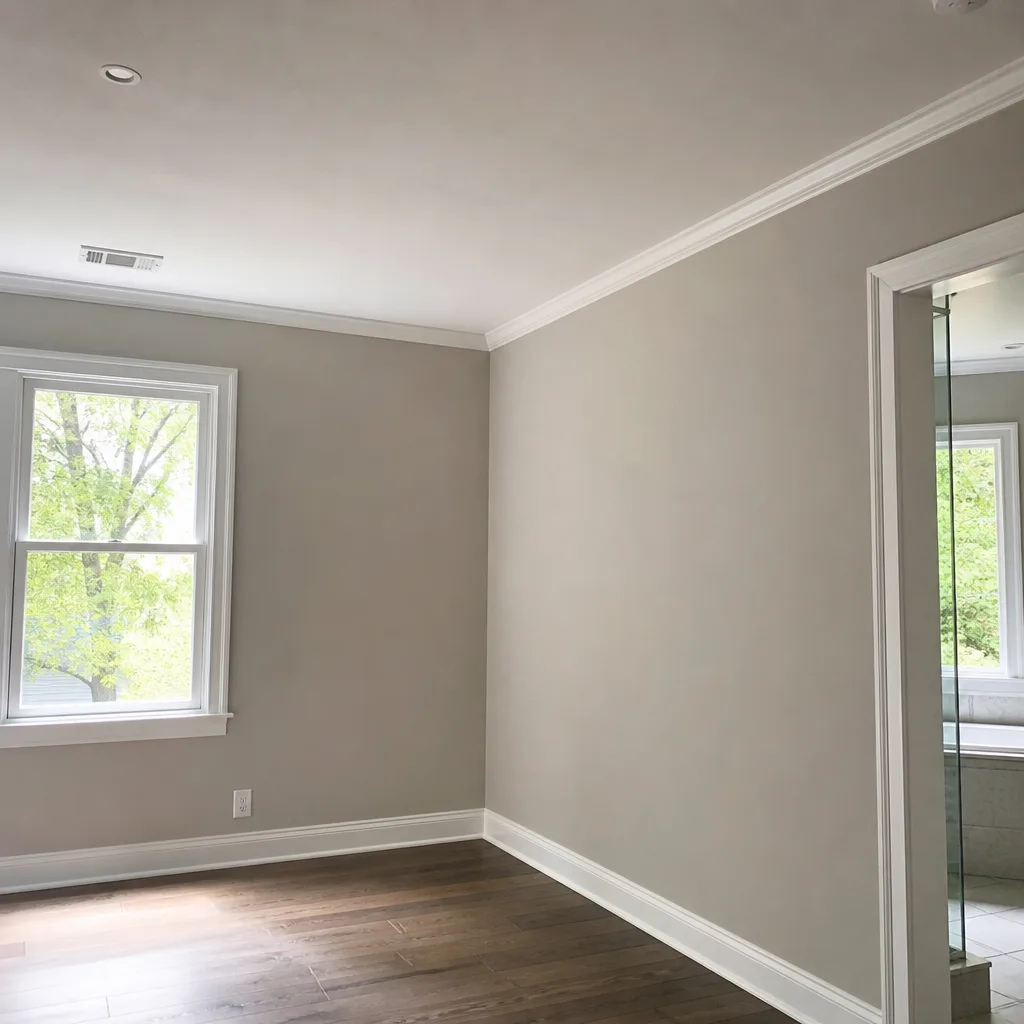
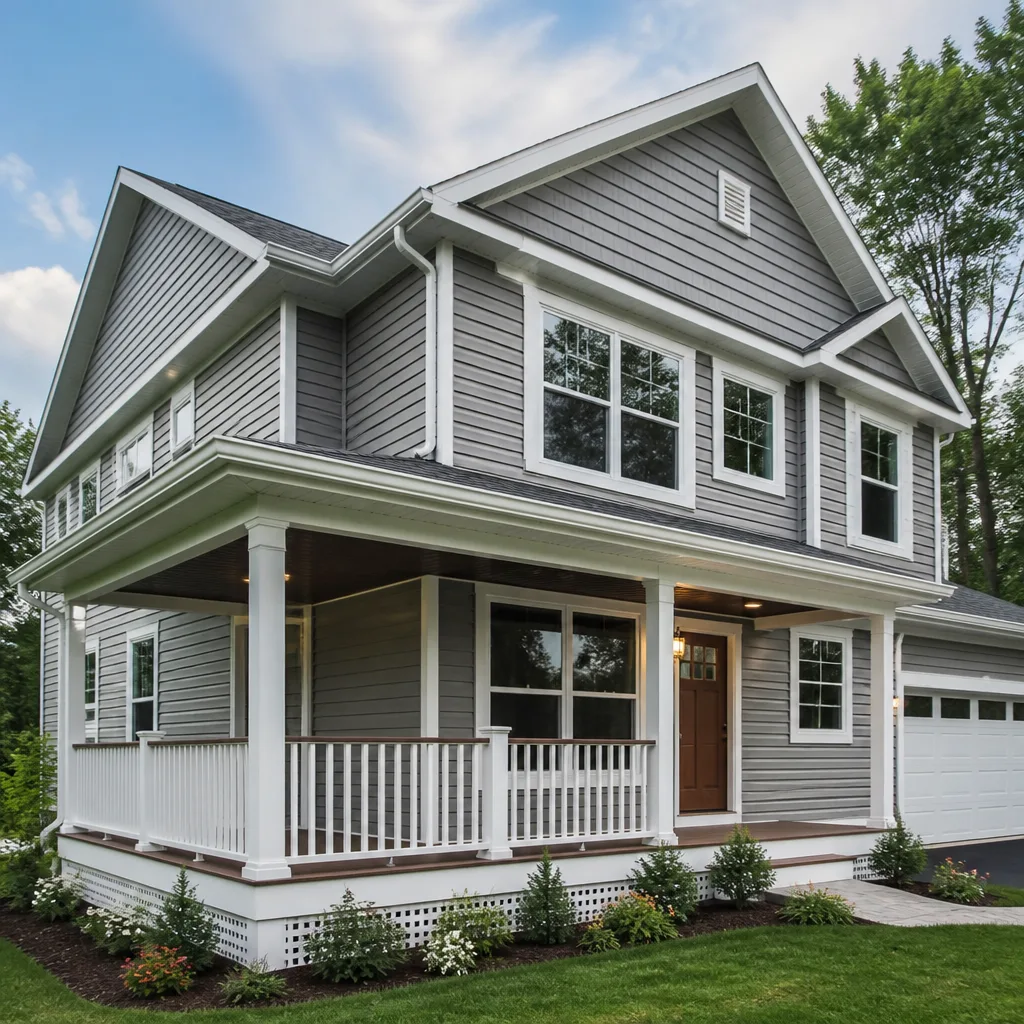
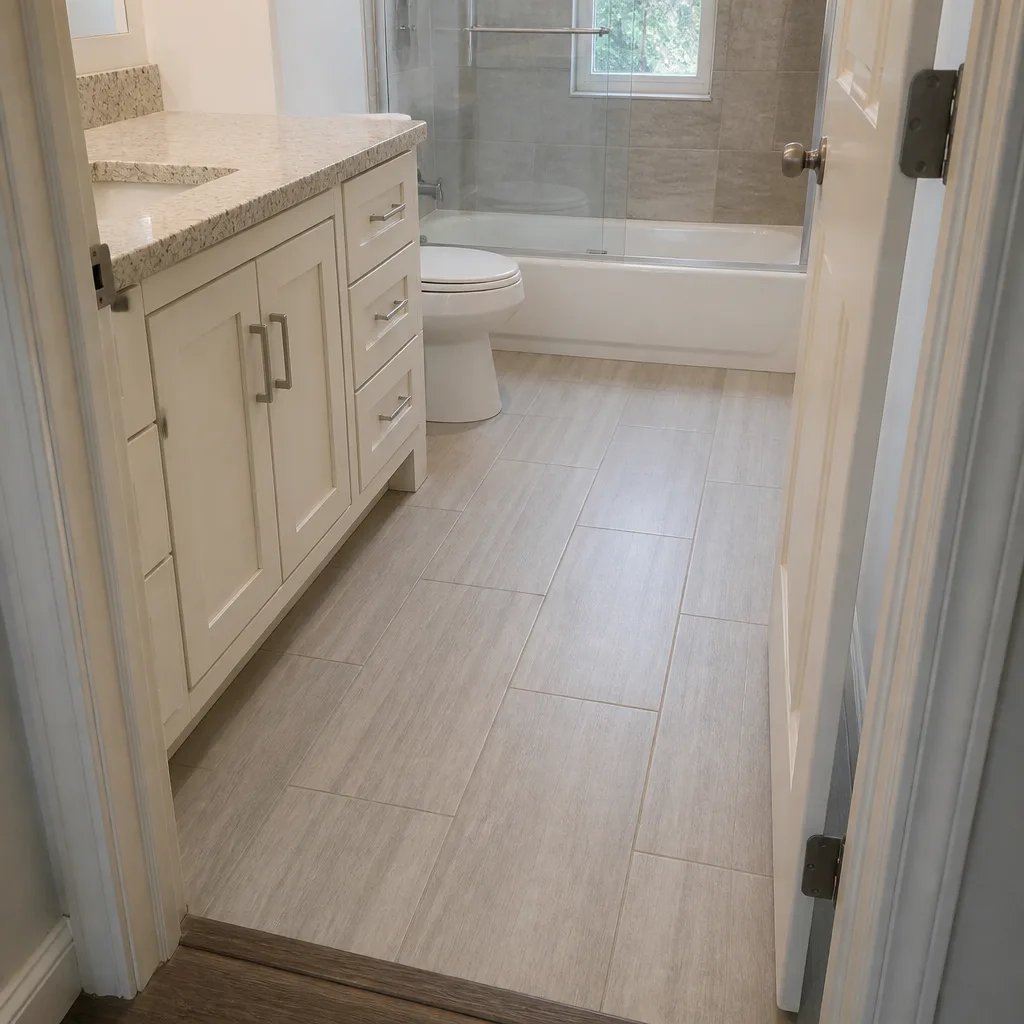
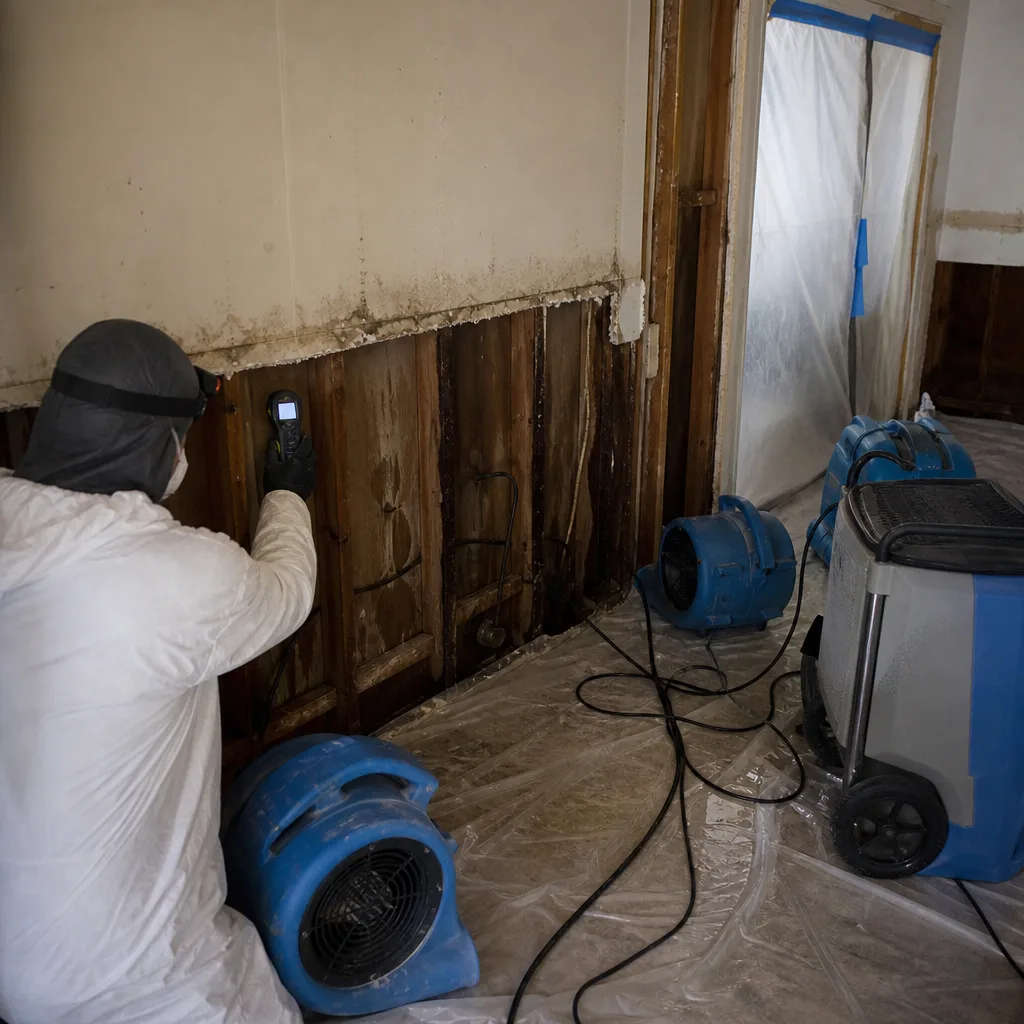 Before
 After
After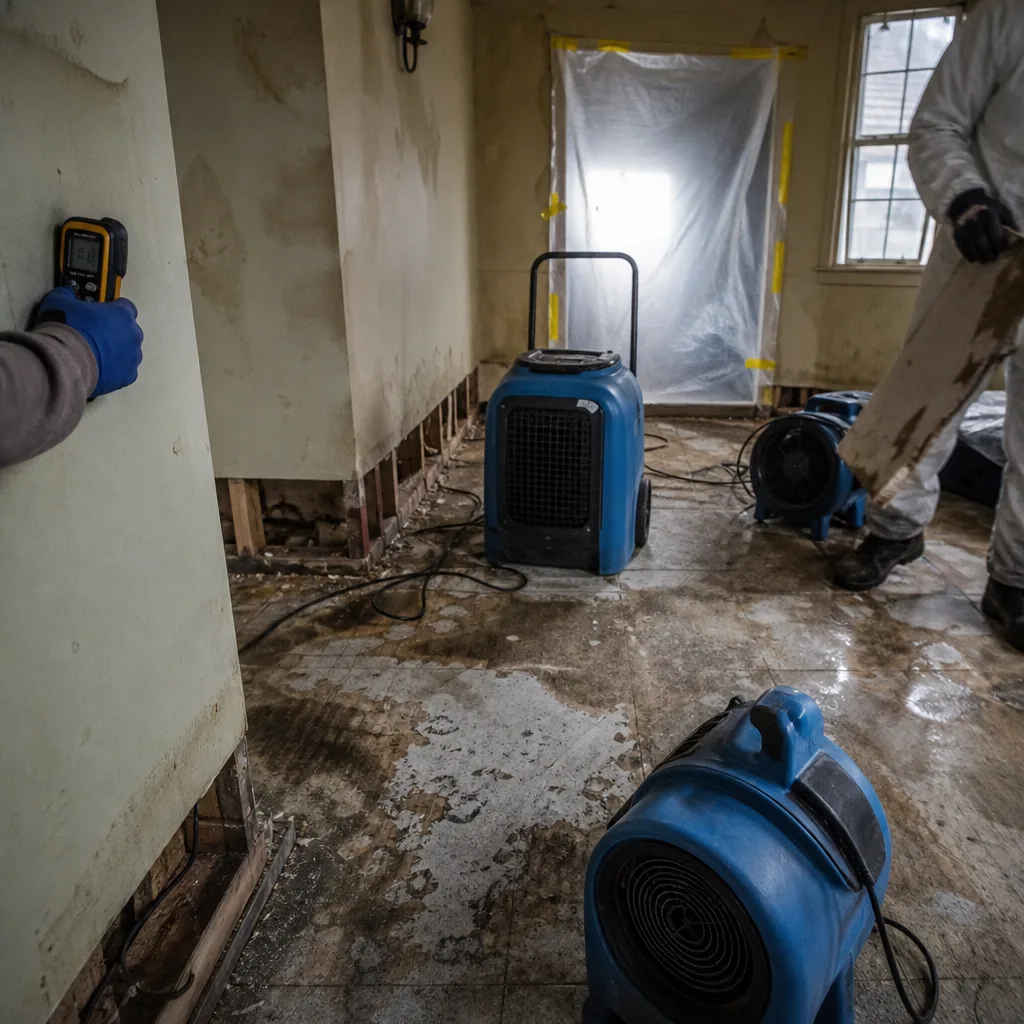 Before
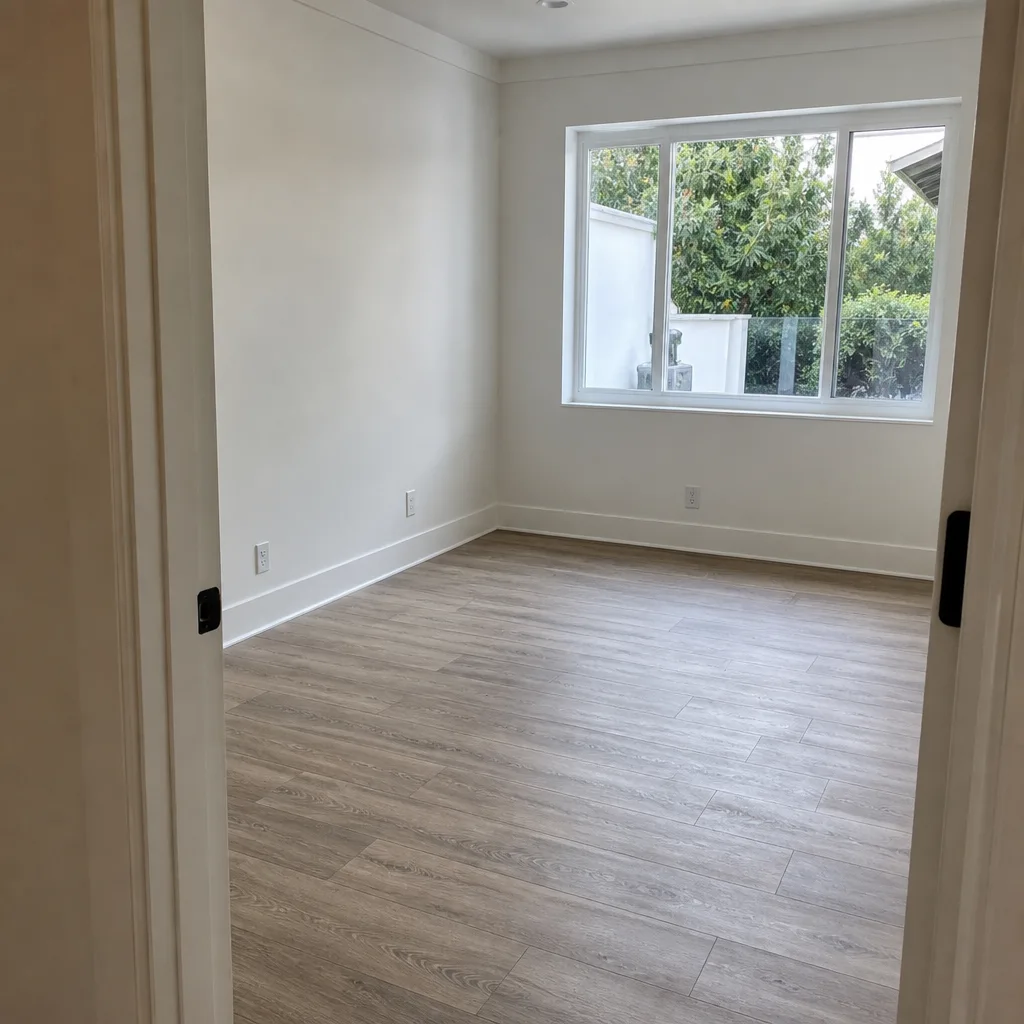 After
After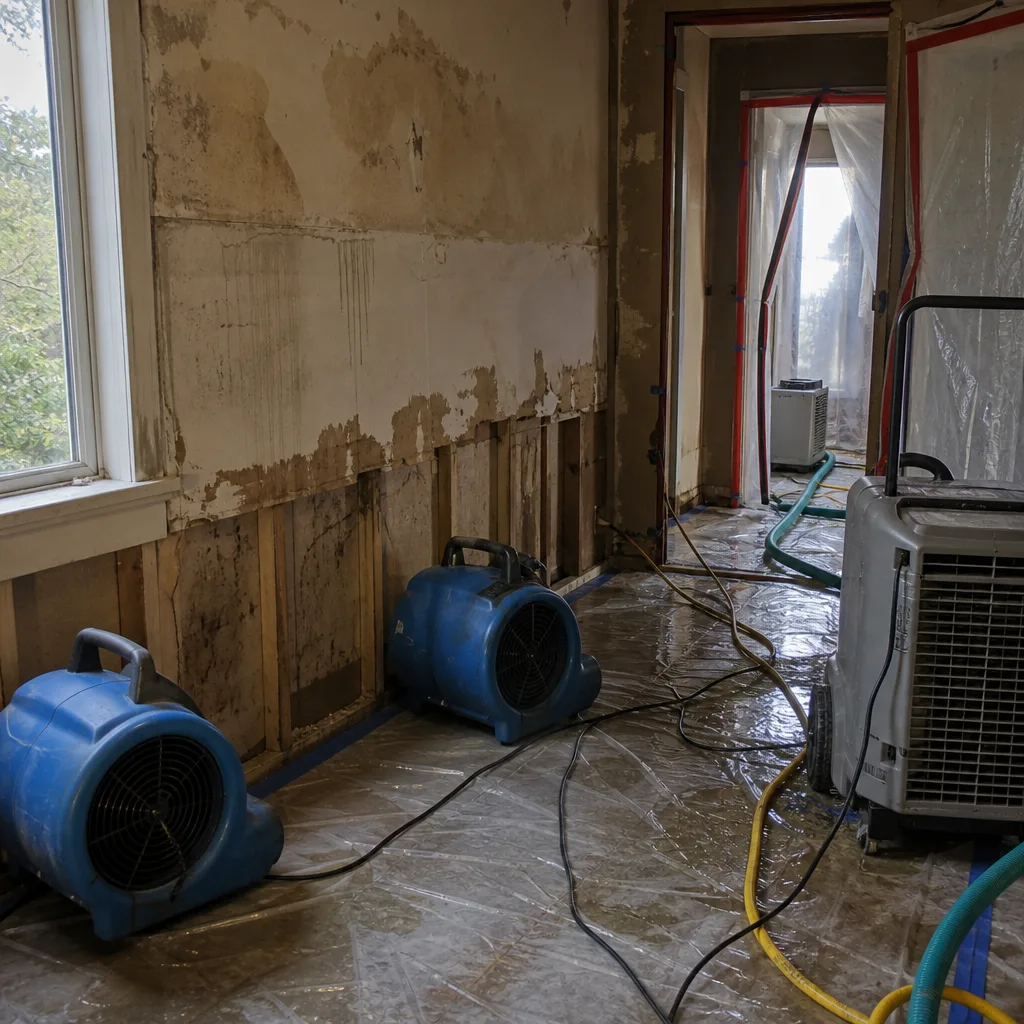 Before
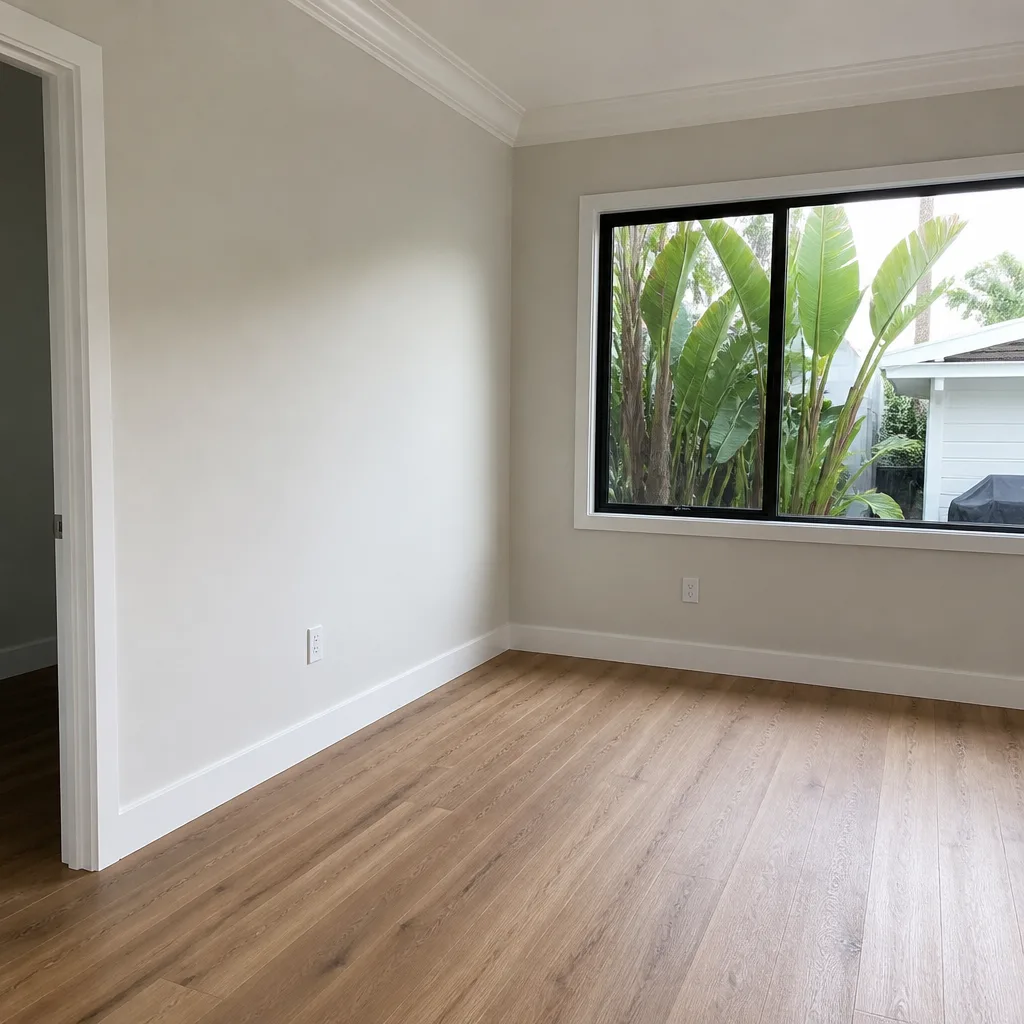 After
AfterThe Complete Guide to Damage Restoration in Coronado
Most Coronado homeowners don’t learn that their restoration contractor never pulled moisture logs until the adjuster’s denial letter arrives - at which point the contractor is already off-site and the drywall is already closed. In our experience across more than 12,000 homes since 2011, that scenario costs property owners an average of $8,000-$14,000 in uncovered secondary damage. Coronado’s salt air, tight lot lines, and single-bridge access create a restoration environment unlike anywhere else on the San Diego peninsula. This guide maps every stage of restoration to the specific documentation a Coronado insurer will actually require, with measurable deliverables you can hold in your hand at each phase - and for more guides & resources, see our blog.
Quick Answer
Damage restoration in Coronado requires documentation-first mitigation that accounts for salt-air corrosion, bridge-access logistics, and HOA or historic-district permit overlays. A properly documented restoration produces a written price before work begins, daily moisture logs with psychrometric data, photo records on every visit, and a 365-Day Done Right Promise - the exact deliverables that turn restoration invoices into payable insurance claims.
Table of Contents
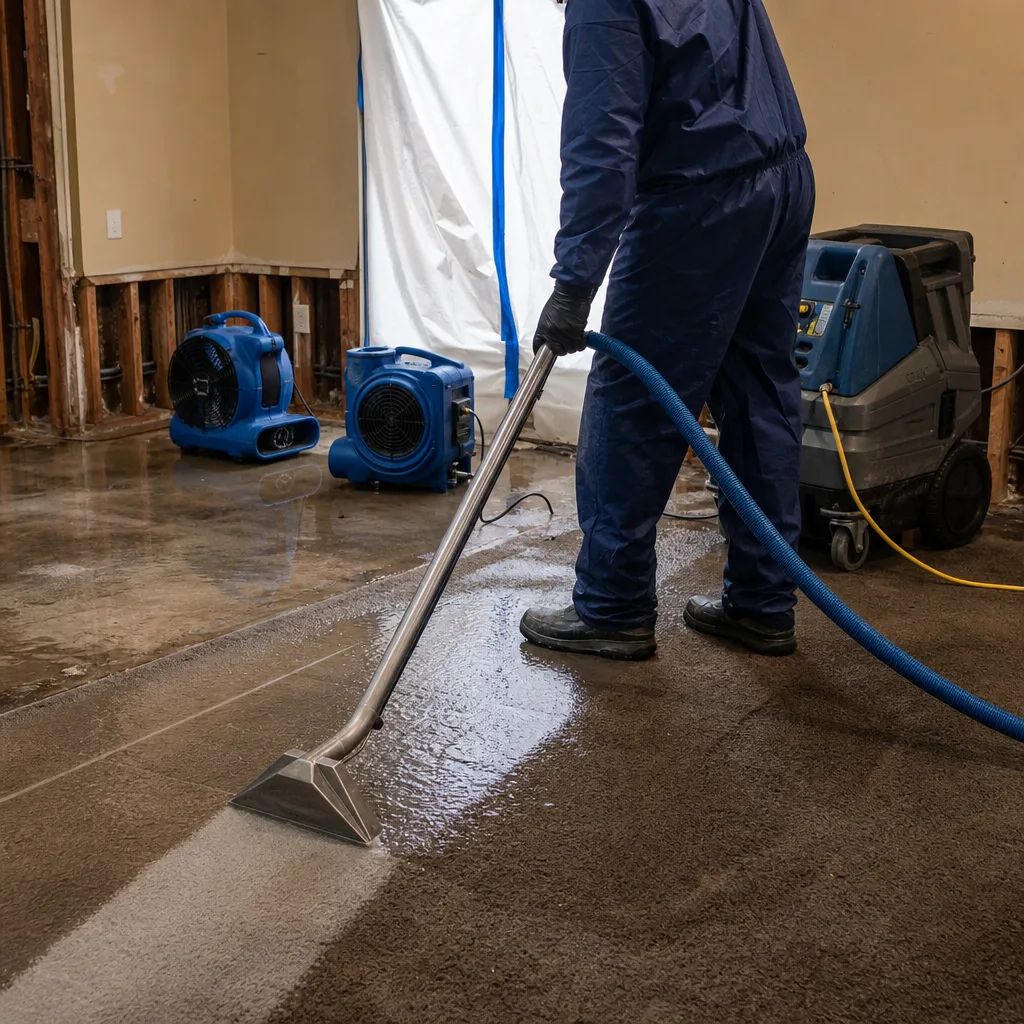
- Why Coronado Properties Require a Different Restoration Playbook
- How Salt Air Accelerates Secondary Damage Timelines
- Bridge Access, Response Times, and Equipment Staging
- The Documentation That San Diego Adjusters Actually Accept
- HOA Rules and Historic District Permits
- Stage-by-Stage Restoration Checklist
- What Restoration Costs in Coronado
- Common Mistakes to Avoid
- When to Call a Professional
- Frequently Asked Questions
 Before
 After
AfterWhy Coronado Properties Require a Different Restoration Playbook
Coronado sits on a sand-spit peninsula with the Pacific Ocean on three sides and San Diego Bay on the fourth. That geography creates restoration conditions we don’t see in Rancho Bernardo, La Mesa, or even Point Loma. The ambient relative humidity hovers 10-15% higher than inland San Diego County on average, and salt-laden air conducts electricity differently than dry inland air - a factor that changes how we assess water damage restoration in Coronado versus standard protocols.
The housing stock compounds this. Coronado’s inventory includes 1920s Craftsmans in the Country Club area, 1960s ranch homes near the Strand, and high-rise condos along Orange Avenue with shared-wall construction. Each building type responds differently to the same water intrusion event. A slab leak in a 1940s cottage on A Avenue requires different moisture mapping than an HVAC condensate line failure in a fourth-floor Coronado Shores unit. We’ve documented cases where the same gallon-per-minute leak produced 340 square feet of Category 2 damage in an inland home, but 580 square feet in a Coronado property due to wicking through salt-degraded sealants.
Then there’s access. The San Diego-Coronado Bridge is the only vehicular route on and off the island. When the bridge closes for high winds, naval security, or the annual Bay Bridge Run, contractors without a pre-positioned plan simply cannot reach the job. We’ve seen competitors miss the 24-48 hour emergency mitigation window because their crews were stuck in National City while moisture continued migrating through subfloors.
These factors mean a generic restoration playbook - the kind that works in Poway or Chula Vista - will cost you time, money, and potentially your insurance claim. The sections below detail exactly what to demand from any contractor working on your Coronado property.
How Salt Air Accelerates Secondary Damage Timelines
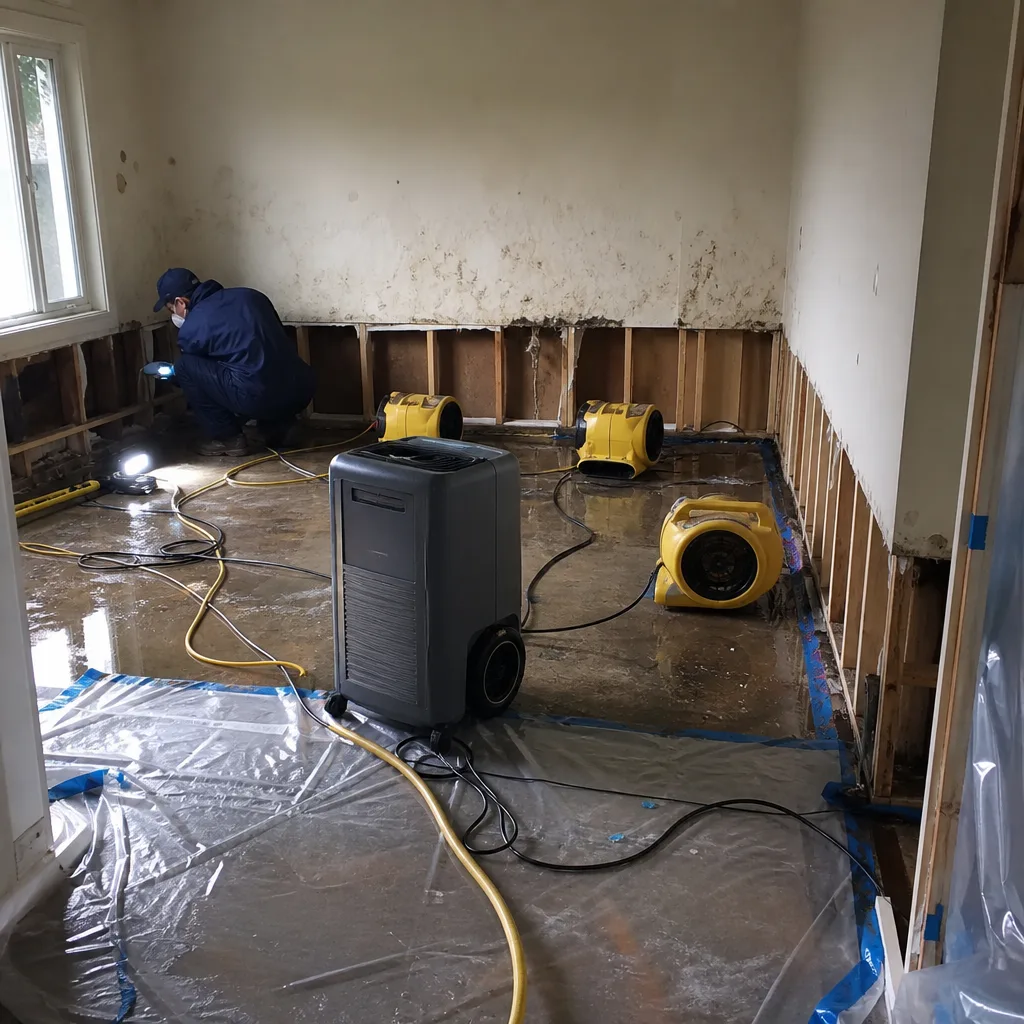
Salt air corrosion is not a cosmetic issue. In restoration science, it is an accelerant that compresses the timeline between initial water damage and secondary damage - mold growth, structural compromise, and irreversible material degradation. Understanding this compression is essential to understanding why Coronado properties need faster documentation and more aggressive drying protocols.
Standard IICRC drying benchmarks assume inland atmospheric conditions: relative humidity below 60%, temperature 68-72°F, and minimal airborne corrosives. Coronado’s ambient conditions routinely exceed those assumptions. The salt aerosol in coastal air - measured at 50-200 micrograms per cubic meter near the Strand versus 5-15 inland - deposits chloride ions on wet surfaces. Those ions hygroscopically attract additional moisture, keeping materials above critical moisture content longer than predicted by standard psychrometric calculations.
Here’s what this means in practice. A standard 72-hour drying benchmark might suffice for a Category 1 water loss in Escondido. In Coronado, that same benchmark often underestimates scope by 24-48 hours. We’ve measured subfloor moisture content of 18% at 72 hours in a Coronado home where the standard protocol predicted 12%. That 6% differential represents the difference between salvageable oak flooring and total replacement - a $4,000-$7,000 swing on a typical residential job.
Our documentation protocol for Coronado addresses this directly. We deploy Phoenix and Dri-Eaz LGR dehumidifiers with higher grain depression capacity than standard units, and we log vapor pressure differential - the actual force driving moisture from materials into the air - rather than relying on relative humidity readings alone. Vapor pressure differential, measured in inches of mercury, tells us whether the air can still accept moisture or has reached equilibrium with wet materials. When that differential drops below 0.5″ Hg, we know tertiary drying (targeted air injection into wall cavities) is required, not optional.
The photo record at this stage must include corrosion indicators: fastener rust bloom on baseboards, oxidation on electrical outlet screws, and salt crystallization on concrete surfaces. San Diego-area adjusters specifically look for these images when evaluating whether a contractor recognized and responded to coastal conditions. A contractor who documents standard drying without coastal-specific evidence may see their scope challenged at $1,200-$2,400 per day for extended equipment rental that “should have been unnecessary.”
Bridge Access, Response Times, and Equipment Staging
The San Diego-Coronado Bridge carries approximately 90,000 vehicles daily across a 2.1-mile span with no alternate route. For restoration contractors, this is not a traffic inconvenience - it is a logistical constraint that determines whether emergency mitigation begins within the critical 24-hour window or misses it entirely.
We maintain pre-positioned equipment on Coronado proper, not just in San Diego. This means LGR dehumidifiers, axial air movers, and Injectidry cavity drying systems are available for deployment without bridge crossing. When a water loss occurs at 2:00 AM during a winter storm with 40-knot winds, bridge closure is a real possibility. A contractor who must load equipment in Mission Valley and drive across is gambling with your structural drying timeline.
Verify this before you hire. Ask specifically: “Where is your equipment staged relative to Coronado?” Any answer that requires bridge crossing for initial deployment should prompt a follow-up question about their contingency protocol. We’ve reviewed competitor estimates where the equipment rental line item assumed 12-hour daily cycles, but the actual response time meant 8-hour effective cycles after bridge delays. That 33% efficiency loss extends drying by a full day - and your insurer may not pay for the extension if the contractor’s plan was deficient.
For larger losses requiring generator power or desiccant dehumidification, staging becomes more complex. Desiccant units from Phoenix and B-Air require 480V three-phase power that most Coronado residential panels cannot supply. Generator placement must account for noise ordinances - Coronado Municipal Code restricts construction equipment to 7:00 AM - 7:00 PM weekdays, with tighter limits in the Coronado Cays - and HOA rules that may prohibit generator placement in visible common areas. Our standard documentation includes a staging plan with generator location, noise mitigation, and HOA notification, submitted for written approval before equipment moves.
The written price before work begins, required by Haven Standard Clause 1, must account for these logistics explicitly. A scope that assumes standard access and standard hours will generate change orders once Coronado-specific constraints emerge. Change orders after work starts are where restoration disputes begin. Our scopes specify bridge-access contingency, equipment staging location, and applicable time restrictions as line items, so the price you sign is the price you pay.
The Documentation That San Diego Adjusters Actually Accept
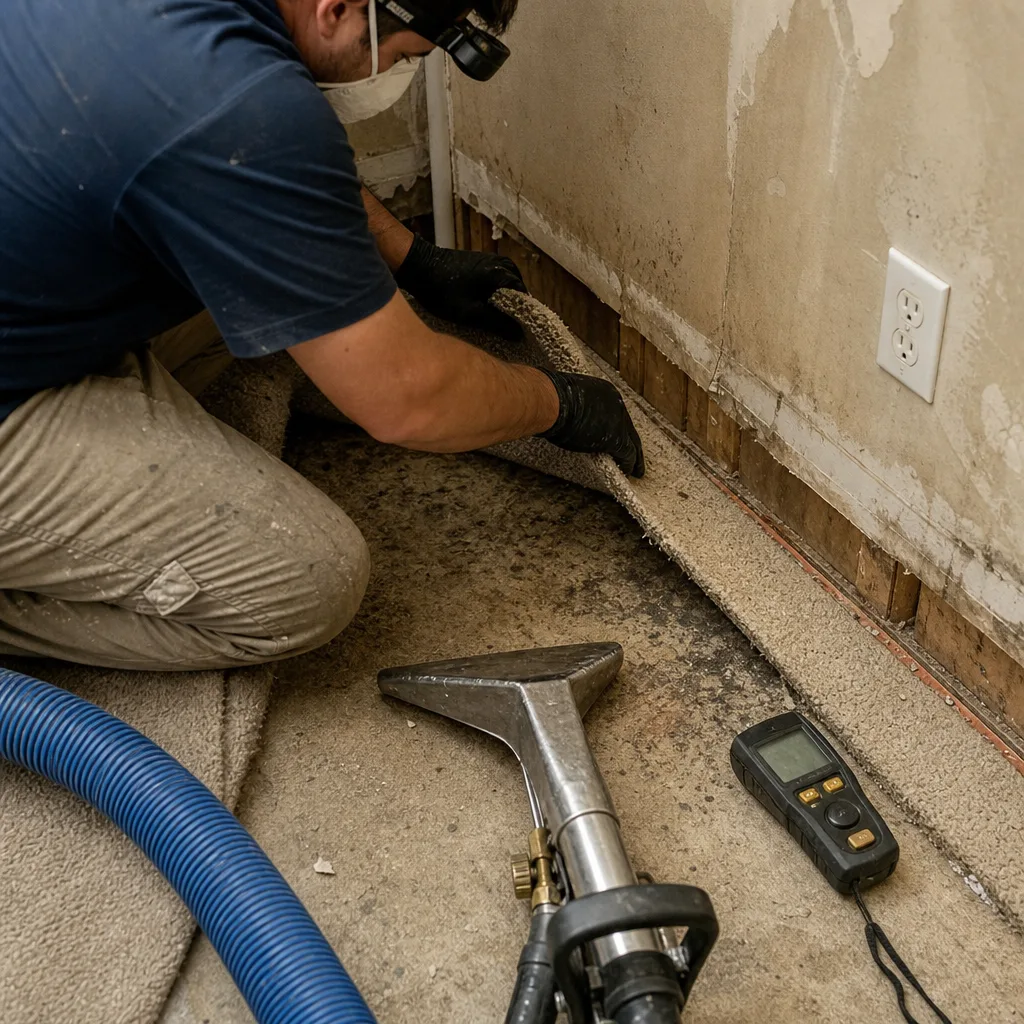
After twelve years and thousands of claims, we can state this directly: the difference between a paid claim and a denied claim is rarely the damage itself. It is the documentation that proves the damage existed, that the response was appropriate, and that the charges correlate to measurable work.
San Diego-area adjusters - whether from State Farm, Farmers, USAA, or specialty flood insurers - apply consistent documentation standards. Meeting those standards requires specific formats, not general thoroughness. Below is what we’ve verified as sufficient versus insufficient through direct claim review and adjuster consultation.
Sufficient Documentation (Claim-Ready)
- Daily moisture logs with date, time, equipment serial numbers, ambient temperature, relative humidity, and specific humidity (grains per pound). Logged at the same time daily, with technician signature.
- Psychrometric data including vapor pressure differential and dew point, with equipment settings (CFM, dehumidifier pint capacity, air changes per hour) documented to show the drying environment was actively controlled, not passively observed.
- Photo records on every visit: wide-angle establishing shot, close-up of moisture meter reading with visible display, photo of affected material classification (Category 1, 2, or 3 per IICRC S500), and photo of equipment placement with serial numbers visible.
- Written scope of work with line-item pricing, material quantities by trade name (not generic “drywall, 50 sheets”), and labor hours with technician license numbers.
- Pre-demo and post-demo photos when demolition is required, with permit numbers where applicable.
Insufficient Documentation (Claim-Risk)
- Moisture readings without time stamps or technician identification.
- Photos without moisture meter verification or with unreadable displays.
- Scopes written in narrative paragraphs without line-item separation of materials, labor, and equipment.
- Equipment logs showing “dehumidifier running” without capacity, CFM, or runtime hours.
- Any documentation generated after work completion rather than contemporaneously.
The Free Second Opinion we offer exists because we’ve seen too many Coronado homeowners accept insufficient documentation from a competitor’s initial scope, only to face denial when the adjuster requests evidence the contractor never collected - one of the Damage Restoration Warning Signs: A Coronado Homeowner’s Reference Guide we encourage every property owner to review. Bring any written estimate and we will review it against these standards at no charge.
HOA Rules and Historic District Permits
Coronado’s regulatory environment adds layers that inland restoration rarely encounters. Approximately 60% of Coronado residential properties are subject to HOA governance, and the Coronado Historic District - covering roughly the original townsite from 1886 - imposes additional controls on exterior alterations and, in some cases, interior work visible from the public right-of-way.
HOA notification requirements vary by association. The Coronado Shores HOA requires 48-hour written notice for any work generating noise above 55 dB, which includes most demolition and equipment operation. The Cays HOA has specific contractor insurance requirements - naming the association as additional insured - that must be in place before work begins. Failure to obtain this endorsement can result in work stoppage mid-mitigation, with moisture continuing to migrate while paperwork is corrected.
Historic District permits from the City of Coronado Historic Resource Commission are required for:
- Exterior demolition or alteration of contributing structures (generally pre-1945 construction).
- Window or door replacement where original materials are affected.
- Any work requiring scaffolding or temporary structures visible from public streets.
Interior restoration in Historic District properties typically does not require HRC approval, but we document the property’s historic status in every scope. This matters because replacement materials must match original specifications where possible - redwood lath and plaster rather than standard drywall, for example, or Douglas fir subfloor rather than OSB. Standard scopes that specify modern materials without this verification generate change orders or, worse, HRC enforcement actions that delay reoccupancy.
Our pre-work documentation includes HOA notification confirmation, insurance endorsement verification, and historic status determination with applicable permit numbers. These are not afterthoughts. They are line items in the written scope you sign before work begins, with responsible party identified for each.
Stage-by-Stage Restoration Checklist
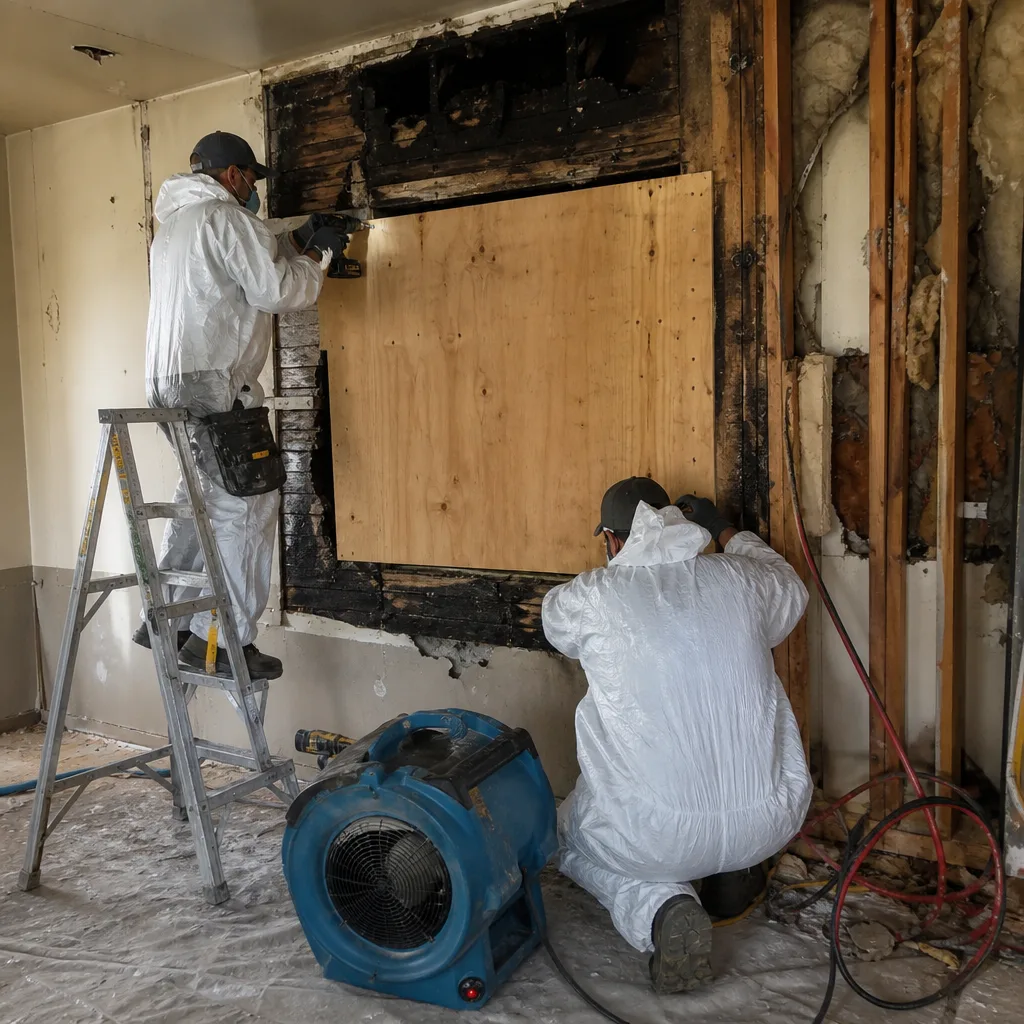
This checklist applies to any significant damage event in Coronado - water, fire, mold, or storm. Each stage includes the measurable deliverable you should have in writing before proceeding to the next.
Stage 1: Emergency Contact and Initial Assessment (0-4 Hours)
- Live phone answer - no voicemail, no callback queue. Deliverable: call log with time stamp and dispatcher name.
- Remote triage - source of loss identified, water category classified, safety hazards flagged. Deliverable: initial incident report with category determination (1, 2, or 3 per IICRC S500).
- Response time commitment - specific ETA, not “as soon as possible.” Deliverable: written ETA with technician name and license number.
Stage 2: On-Site Emergency Mitigation (4-24 Hours)
- Mitigation-only scope - what stops the damage, not what fixes it. Deliverable: written mitigation scope with line-item pricing, signed before work begins (Haven Standard, Clause 1).
- Photo documentation - pre-mitigation condition, moisture readings, affected square footage. Deliverable: photo record with metadata (date, time, GPS where available).
- Equipment deployment - specific units by serial number, placement plan, runtime schedule. Deliverable: equipment log with serial numbers and settings.
- Moisture mapping - affected materials identified, moisture content readings at multiple depths. Deliverable: moisture map with readings in percentage wood moisture equivalent.
Stage 3: Controlled Drying and Monitoring (24 Hours-End of Drying)
- Daily site visits - every 24 hours until drying goals achieved. Deliverable: daily drying log with psychrometric data, moisture readings, and technician signature.
- Equipment adjustment - documented changes to airflow, dehumidification, or temperature. Deliverable: revised equipment log with justification for changes.
- Salvage vs. replace determination - material-specific decisions based on moisture history and structural integrity. Deliverable: written determination with supporting moisture data.
Stage 4: Scope Development and Pricing (Post-Drying)
- Complete damage assessment - all affected materials, structural elements, and finishes. Deliverable: room-by-room scope with material classifications by trade name.
- Written reconstruction price - line-item, with quantities, unit prices, and labor hours. Deliverable: signed scope with total price, no open-ended contingencies.
- Insurance coordination - photo package, drying logs, and scope submitted to adjuster. Deliverable: submission confirmation with adjuster acknowledgment.
Stage 5: Reconstruction and Final Inspection
- Permit verification - all required permits obtained and posted. Deliverable: permit copies with inspection schedule.
- Progress documentation - photo record at rough-in, insulation, and finish stages. Deliverable: progress photo set with date stamps.
- Final walkthrough - moisture verification, cosmetic inspection, functional testing. Deliverable: final inspection report with moisture readings confirming dry standard achievement.
- Warranty delivery - 365-Day Done Right Promise, signed and dated. Deliverable: signed warranty under The Haven Standard.
What Restoration Costs in Coronado
Coronado’s cost structure reflects its geographic constraints, material specifications, and labor market, as detailed in our Damage Restoration Cost Breakdown: The Coronado Homeowner’s Reference for 2026. These ranges represent what we’ve documented across our project history since 2011, with the understanding that every loss is specific and requires a written price before work begins.
| Service Category | Typical Range | Factors Affecting Price |
|---|---|---|
| Emergency water mitigation (Category 1-2) | $1,800 - $4,500 | Affected square footage, floor levels, bridge-access equipment staging |
| Category 3 sewage cleanup | $4,200 - $8,500 | Contamination extent, PPE requirements, disposal fees |
| Structural drying (per day, equipment) | $95 - $180 | Dehumidifier capacity, air mover count, generator requirement |
| Mold remediation, localized | $2,400 - $5,800 | Containment complexity, HVAC involvement, post-remediation verification |
| Fire & smoke damage restoration | $8,500 - $35,000+ | Soot type (protein vs. synthetic), odor penetration, contents cleaning |
| Reconstruction, per square foot | $85 - $210 | Historic material matching, HOA specification compliance, finish level |
These ranges are not quotes. They are documentation of market pricing that informs the written price we deliver before any work begins. The Free Second Opinion on any competitor’s written estimate allows you to verify whether their pricing aligns with documented local norms or includes scope-creep vulnerabilities.
Insurance coverage varies by policy and loss type. Fire and smoke damage restoration in Coronado is nearly always covered under standard HO-3 policies, with deductibles typically $1,000-$2,500. Water damage coverage depends on source - sudden and accidental discharge is covered; gradual leaks often are not. Mold remediation in Coronado faces the most coverage restrictions, with many policies capping mold at $10,000 regardless of actual scope. Our documentation package includes direct adjuster coordination to establish coverage before reconstruction pricing is finalized.
Common Mistakes to Avoid
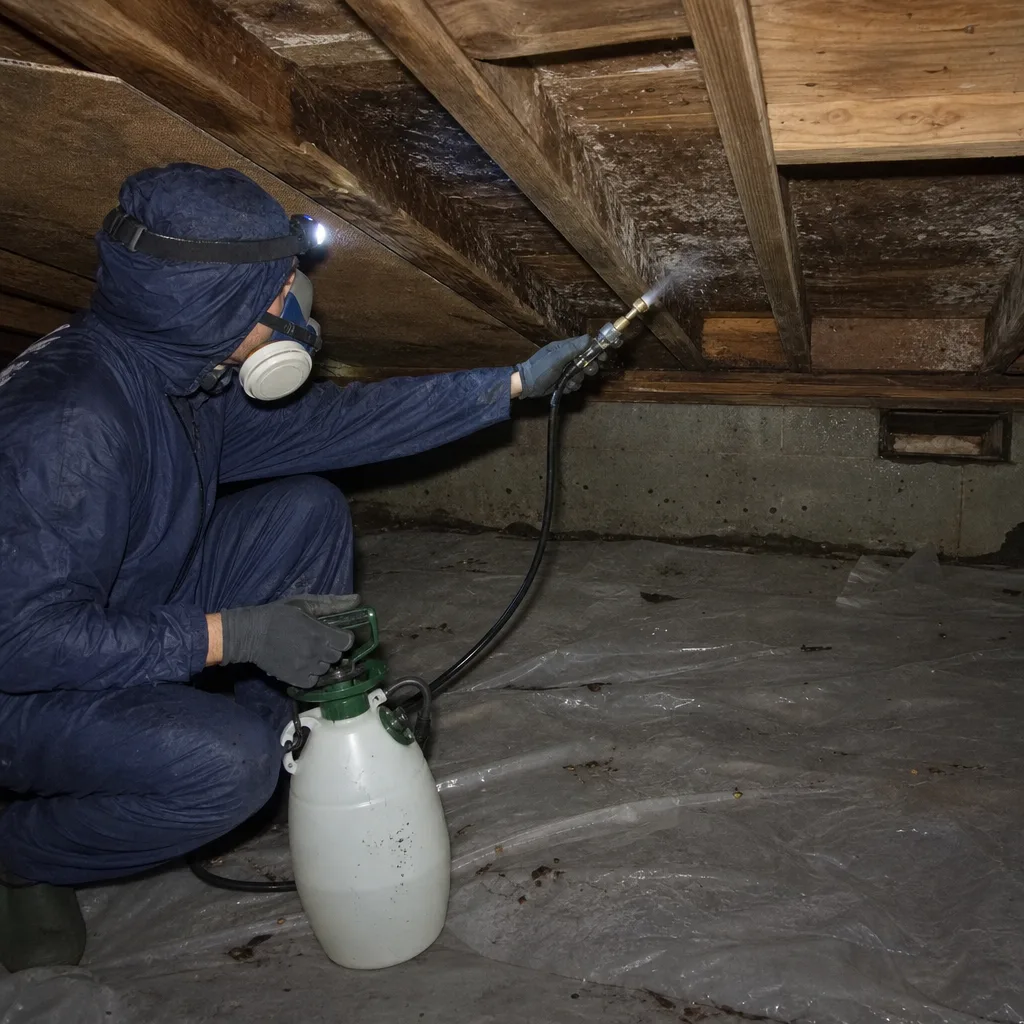
- Accepting a verbal estimate for emergency work. Coronado’s bridge-access constraints and HOA requirements make scope changes likely. Without a written price before work begins, every change becomes a negotiation - and you’re negotiating while water is still moving.
- Assuming standard drying benchmarks apply. The 72-hour rule that works inland fails in Coronado’s salt-air environment. Demand vapor pressure differential documentation, not just relative humidity readings.
- Neglecting HOA notification. Work stoppage mid-mitigation is more expensive than delayed start. The moisture doesn’t pause while you file paperwork.
- Permitting reconstruction before permit verification. Historic District violations carry penalties of $500-$2,500 per day in Coronado, and unpermitted work must be removed at owner’s expense.
- Accepting photo documentation without moisture meter verification. Adjusters reject photo-only evidence. Every photo of affected material must include a readable moisture meter display.
- Failing to verify equipment staging location. A contractor who must cross the bridge for every equipment need is not prepared for Coronado’s access realities.
- Signing open-ended scopes with “not to exceed” language. Haven Standard, Clause 1 requires a written price before work begins - not a ceiling that drifts upward with “unforeseen conditions.”
When to Call a Professional
Call immediately when water is actively flowing, when you smell smoke or see soot, when mold covers more than 10 square feet, or when sewage is present. These scenarios require controlled response with documented containment - DIY attempts destroy the evidence your insurer will need and often extend damage into unaffected areas.
Also call for a Free Second Opinion before signing any competitor’s estimate. We’ve reviewed scopes from other contractors that missed Coronado-specific requirements entirely - no bridge-access contingency, no HOA notification, no historic material specifications - and the homeowner doesn’t discover these gaps until the adjuster denies coverage or the HOA stops work.
DryMark Restoration Coronado offers free estimates in Coronado - call (619) 649-7428. Every estimate includes a written price before work begins, a documented photo record, and the 365-Day Done Right Promise under The Haven Standard.
Frequently Asked Questions
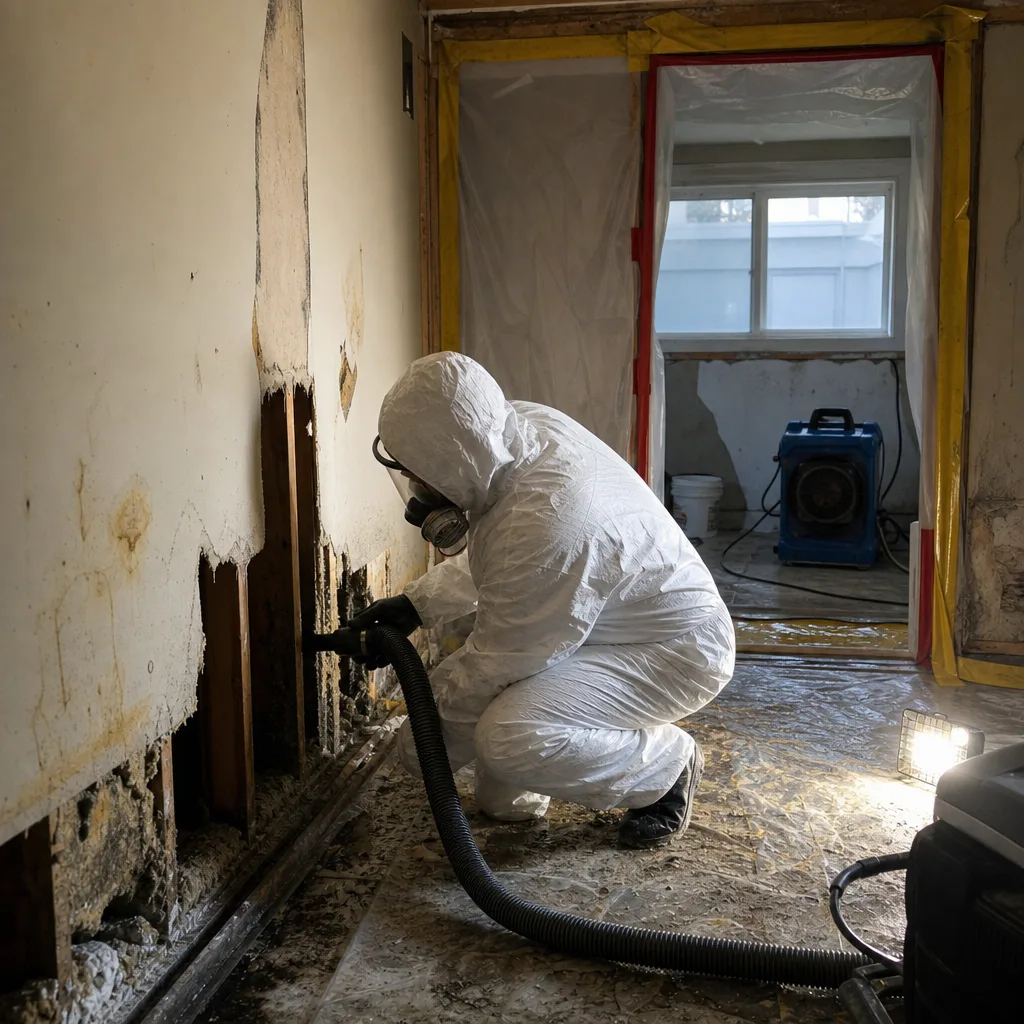
Pre-positioned equipment allows initial deployment within 45 minutes for properties on the island; contractors without Coronado staging typically add 30-90 minutes depending on bridge traffic. Verify staging location before you hire - ask specifically where equipment is stored relative to the bridge. Call (619) 649-7428 and we’ll confirm our Coronado staging points.
Coverage depends on your policy type, loss cause, and documentation quality. Sudden water damage is typically covered; gradual leaks and mold often face limits or exclusions. The single biggest factor in full payment is whether your contractor’s documentation meets adjuster standards for evidence - which is why we deliver daily moisture logs, photo records, and written scopes as standard, not upgrades. Call (619) 649-7428 for a free estimate with insurance coordination included.
Visible mold exceeding 10 square feet, mold in HVAC systems, or mold resulting from Category 2 or 3 water damage requires professional remediation with containment and negative air pressure. Surface cleaning without moisture source elimination guarantees recurrence. Our scopes include post-remediation verification testing with documented clearance - the evidence your insurer needs to close the claim. Call (619) 649-7428 for a written assessment.
Salt air keeps materials above critical moisture content 24-48 hours longer than inland conditions by hygroscopically attracting moisture to chloride deposits. Standard 72-hour benchmarks often underestimate Coronado scope. We document vapor pressure differential and adjust equipment capacity accordingly - the difference between salvageable materials and total replacement. Every estimate includes coastal-condition protocol at no additional charge.
We coordinate directly with your adjuster, submitting documentation packages that include daily moisture logs, photo records, written scopes, and equipment verification. Our documentation is formatted to the standards San Diego-area adjusters expect, reducing back-and-forth and accelerating claim resolution. You are copied on all submissions and retain full approval authority - we don’t commit your policy without written authorization. Call (619) 649-7428 to discuss your specific claim.
Building permits are required for structural repairs, electrical or plumbing modifications, and any exterior work in the Historic District - see Damage Restoration Permits, Codes & Inspections in CA: What You Need to Know for full requirements. HOA notification is required by most Coronado associations before work generating noise or using common areas. Our scopes include permit identification, HOA notification confirmation, and responsible party assignment for each - documented before work begins, not discovered mid-project.
The Bottom Line
Coronado’s salt air, single-bridge access, and layered regulatory environment make damage restoration a documentation discipline, not just a trade skill. The contractor who treats your loss with inland assumptions will cost you coverage, time, and materials that should have been salvaged. Demand a written price before work begins, daily moisture logs with psychrometric data, photo records on every visit, and a warranty with an address - The Haven Standard, not a verbal assurance. These are not premium services. They are the minimum documentation that turns restoration invoices into paid claims. We’ve built our practice on this standard since 2011, because we started from the adjuster’s side of the desk and know exactly what gets checks signed.
Written by Alicia Brennan, Owner at DryMark Restoration Coronado, serving Coronado since 2011.