
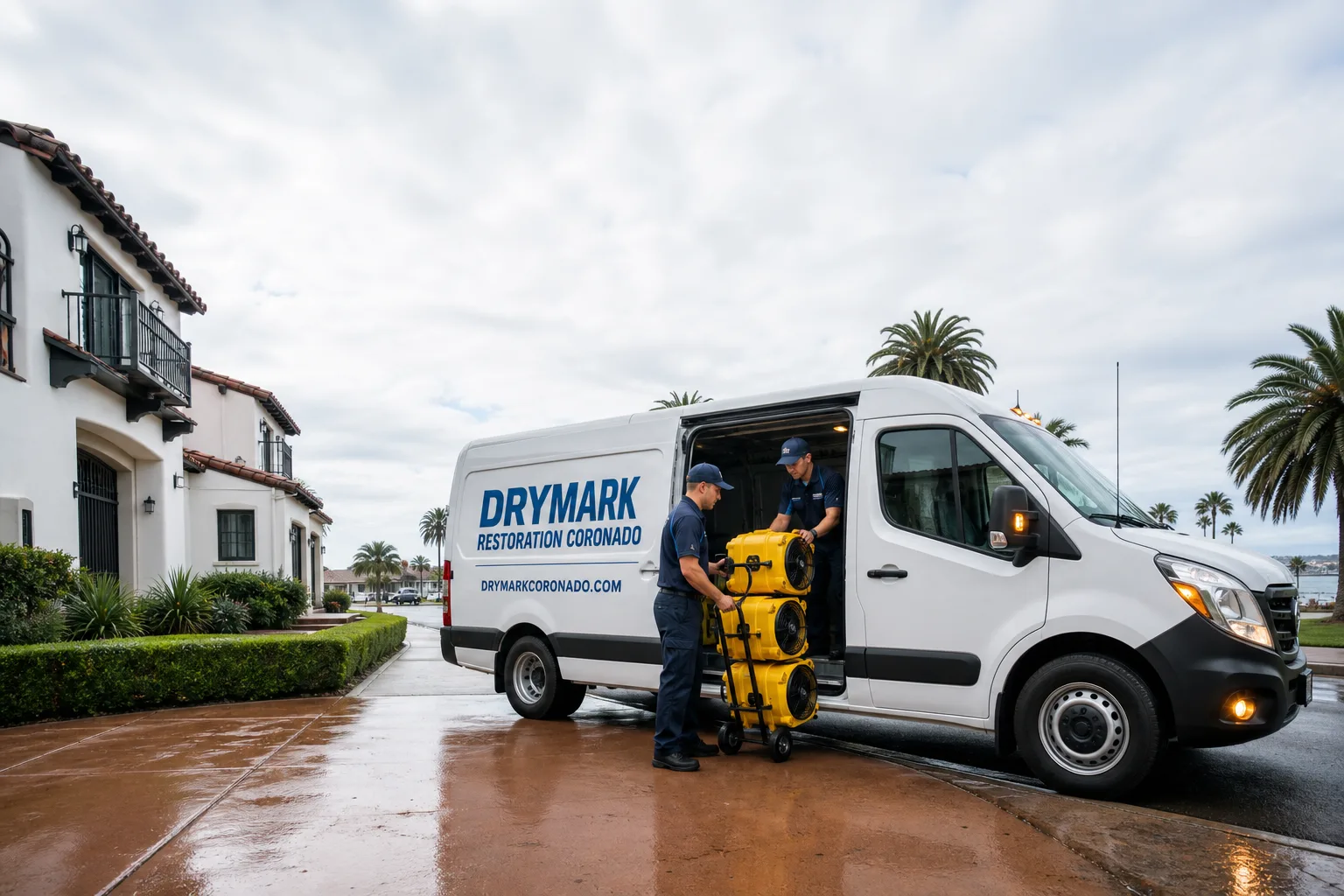
Free visual inspection and a written scope of work before any mitigation begins - photos, moisture readings, and drying logs go in your claim file
The scope we write is the scope we bill. Anything new gets shown to you, in writing, before we touch it.
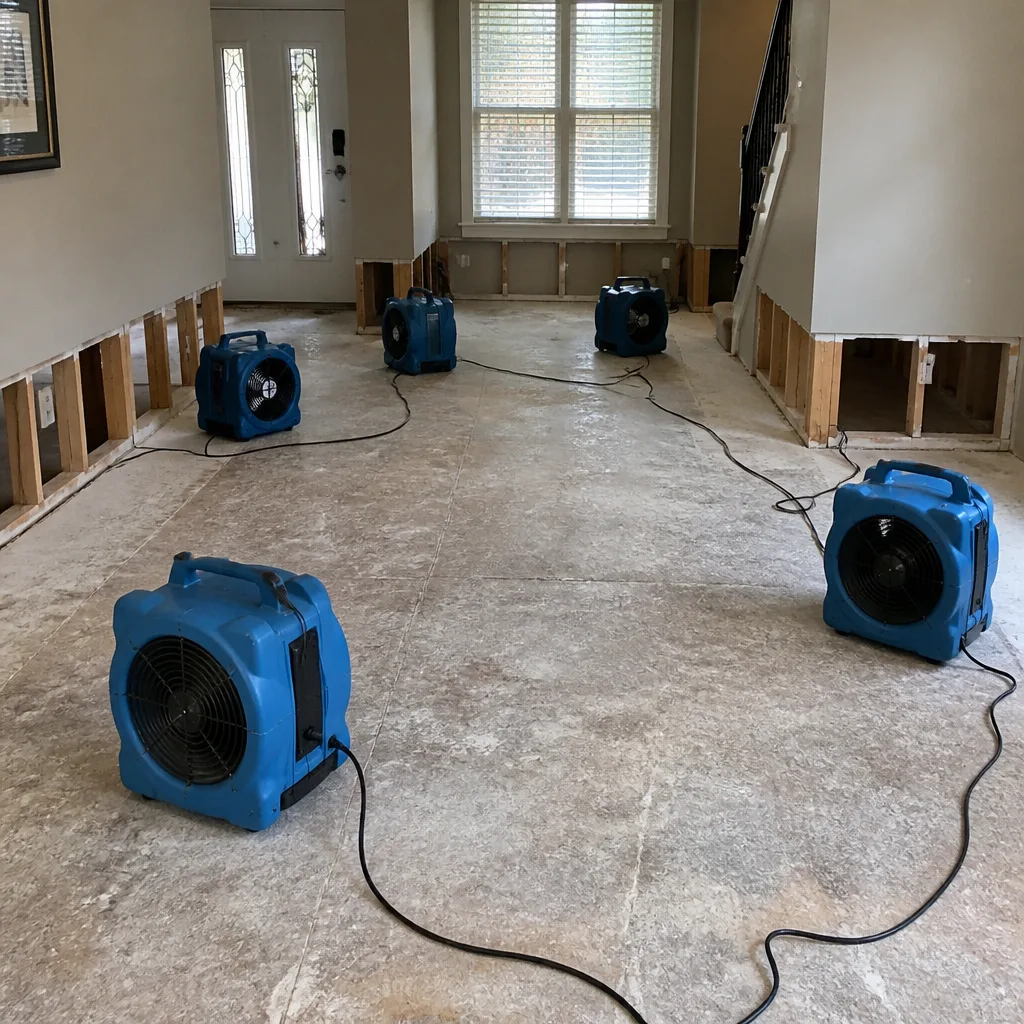
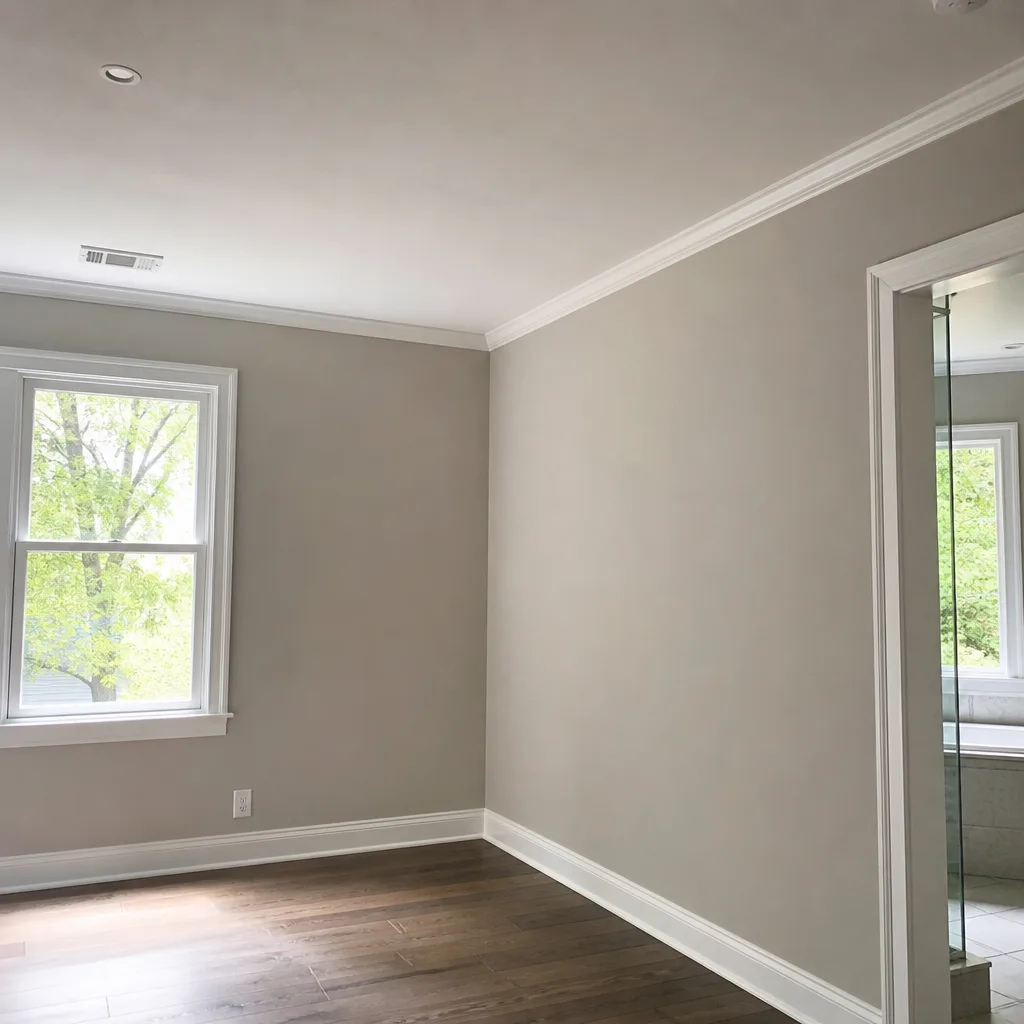
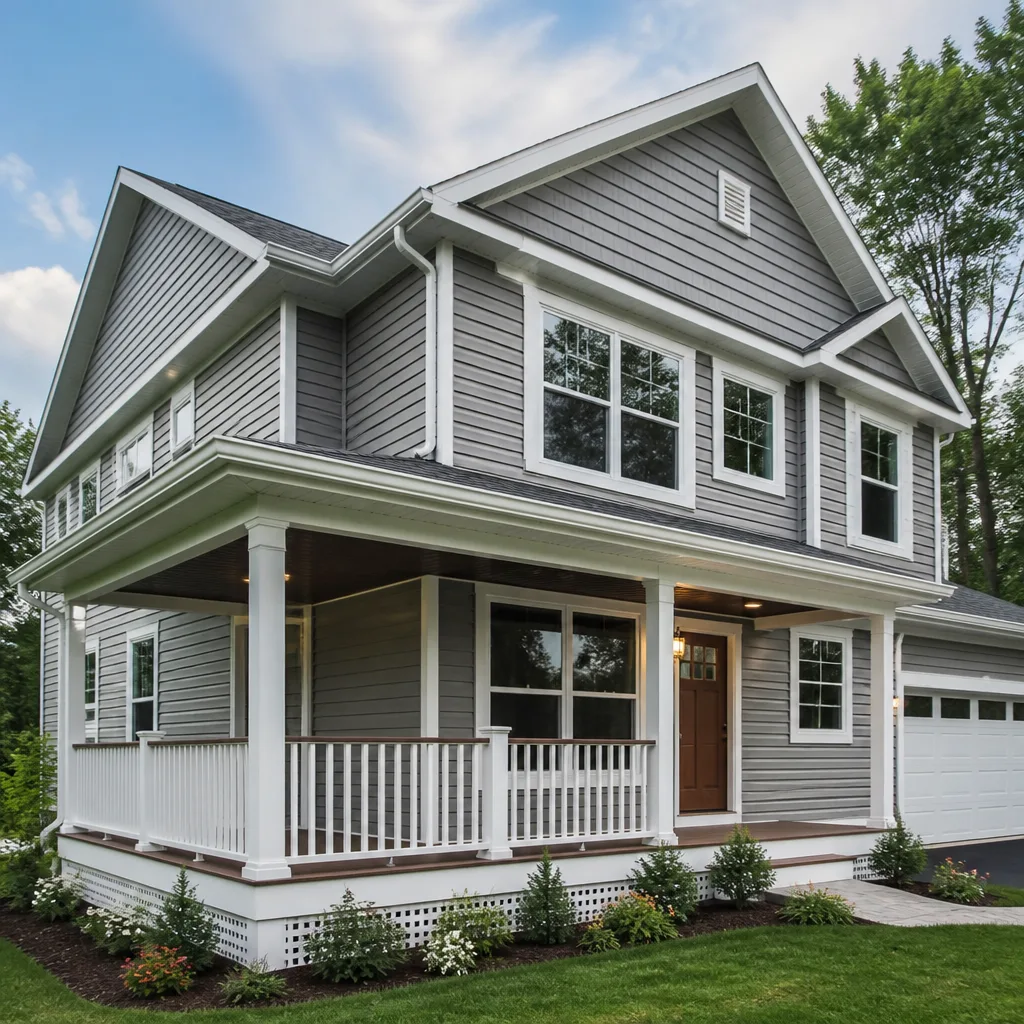
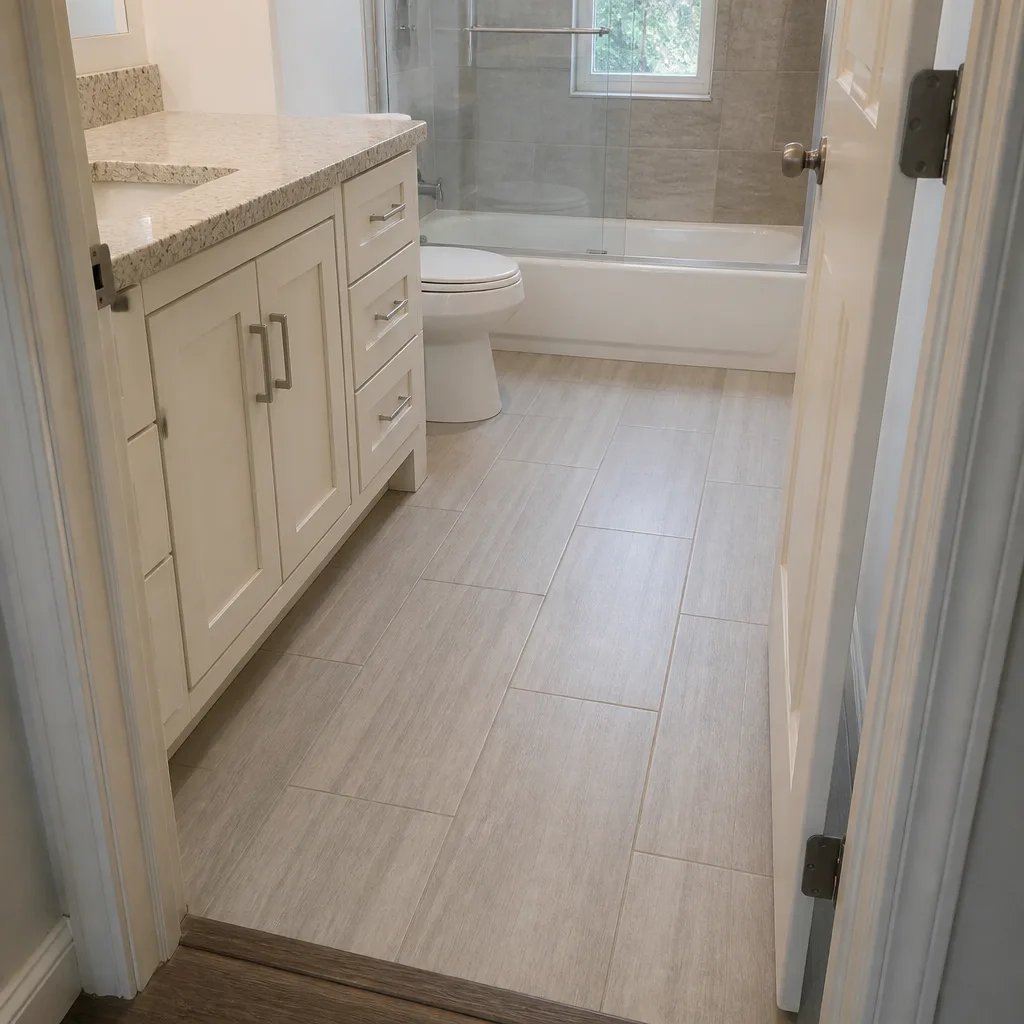
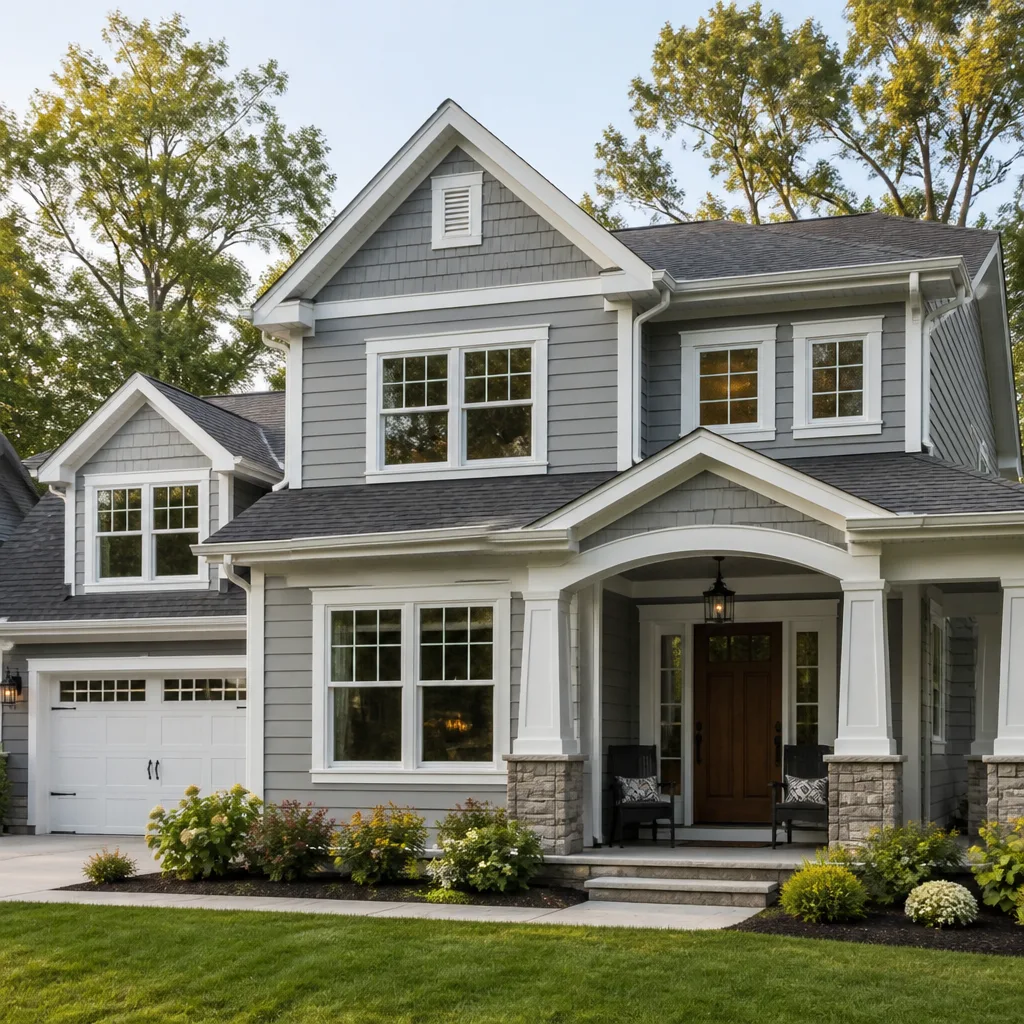
 Before
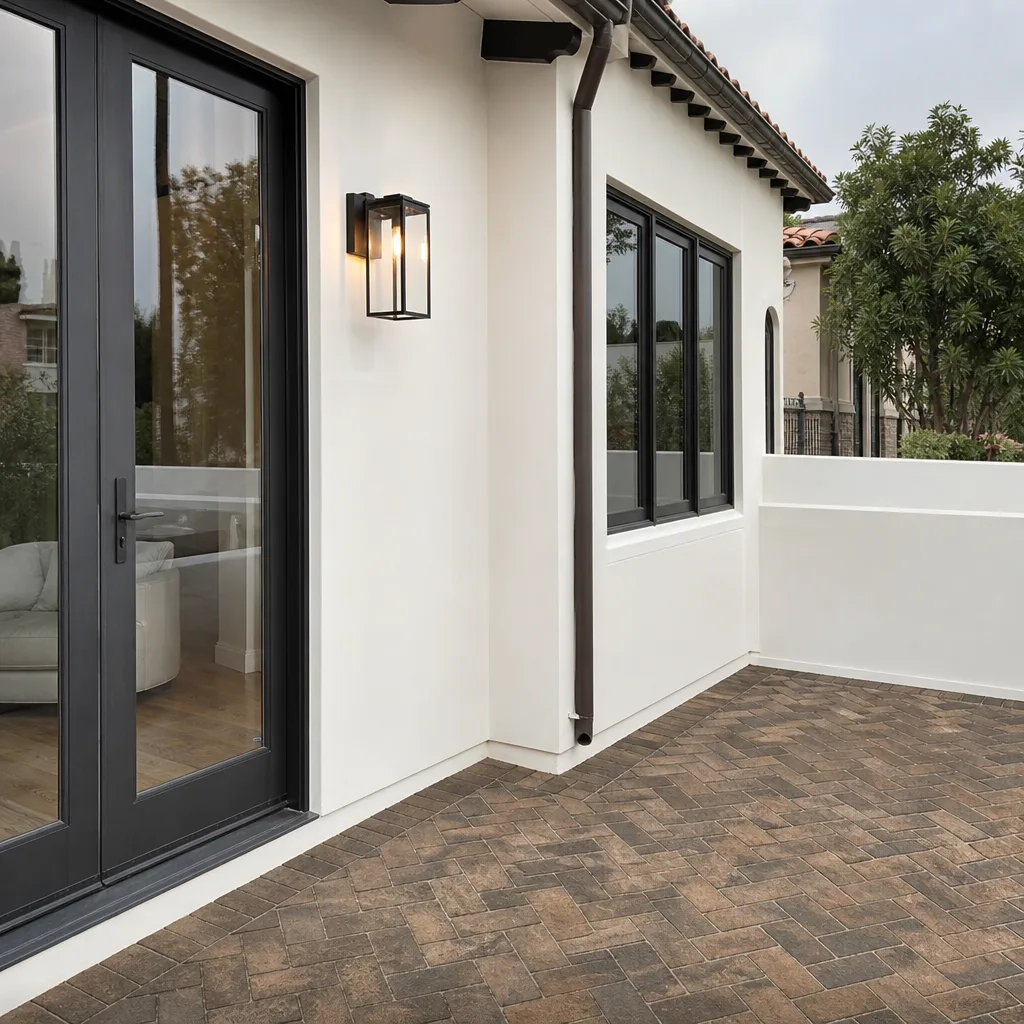 After
After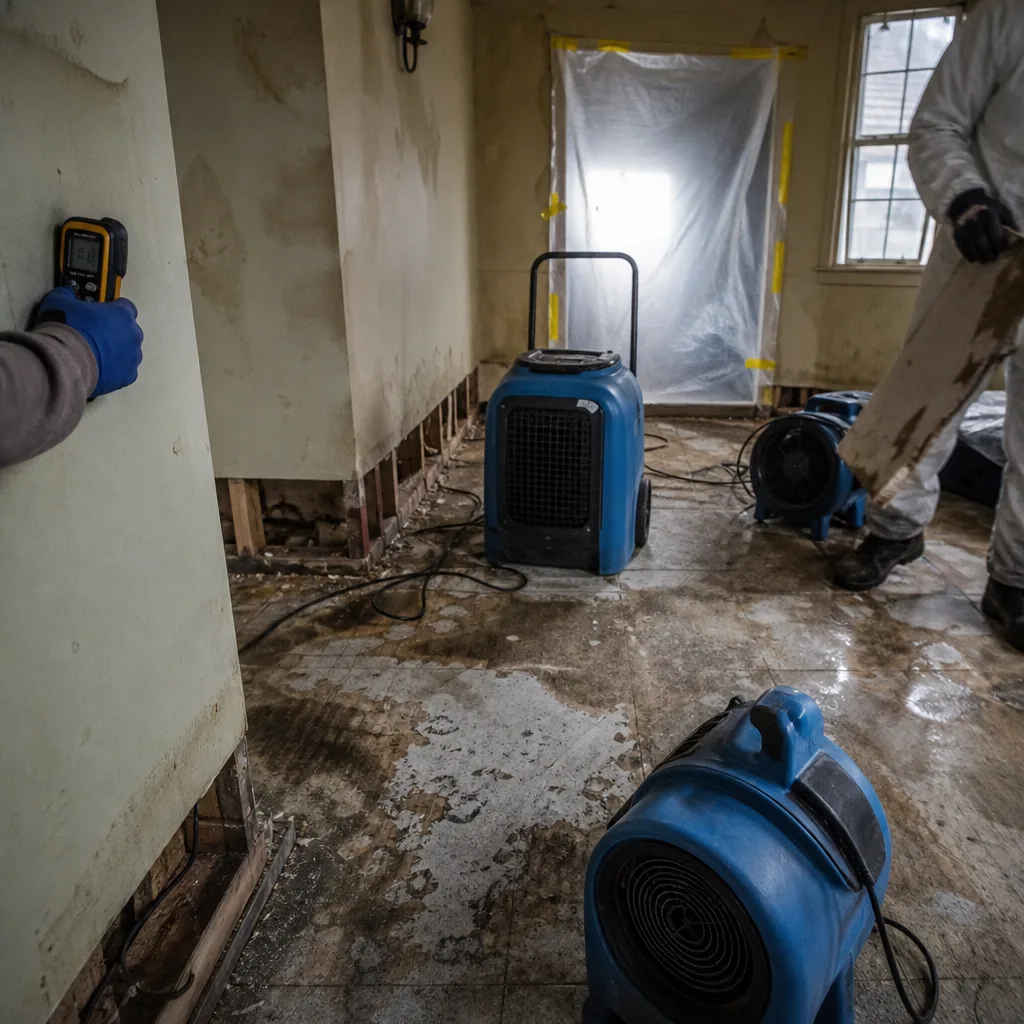 Before
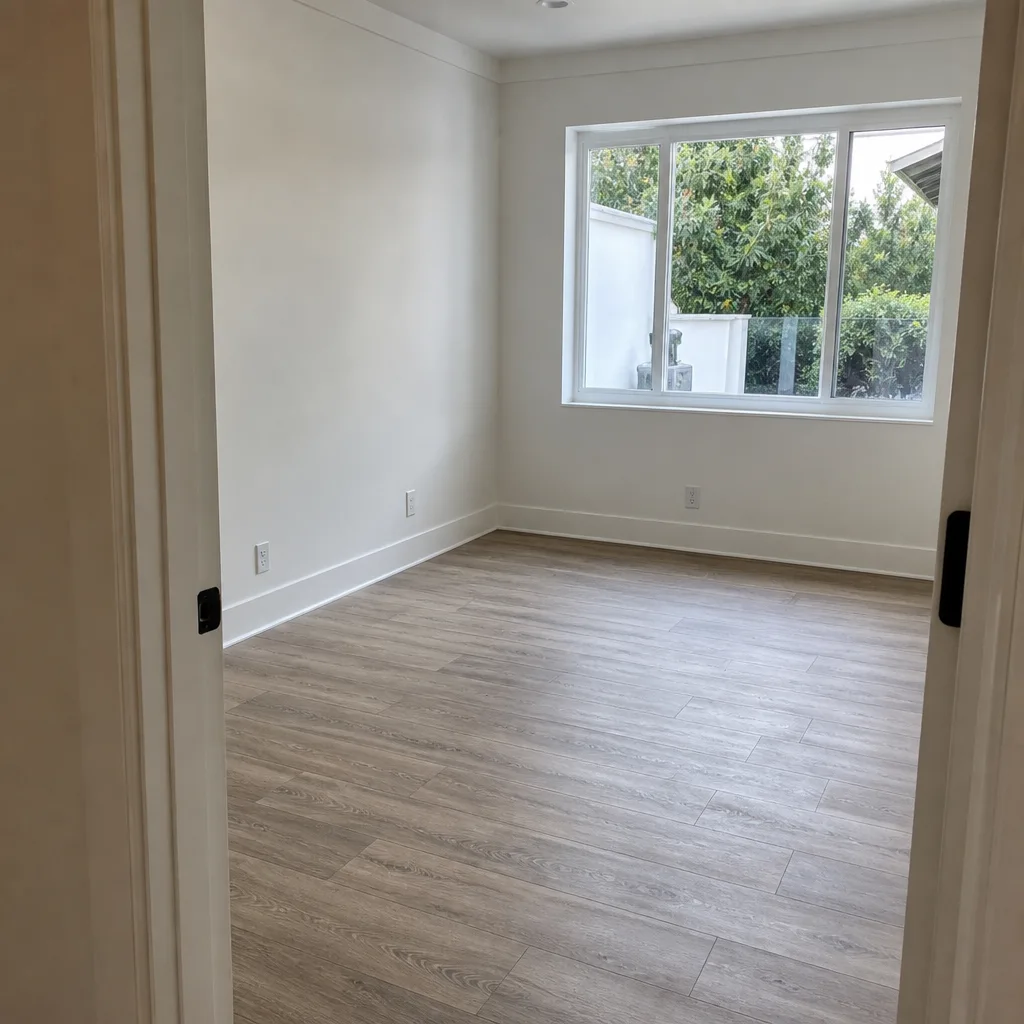 After
After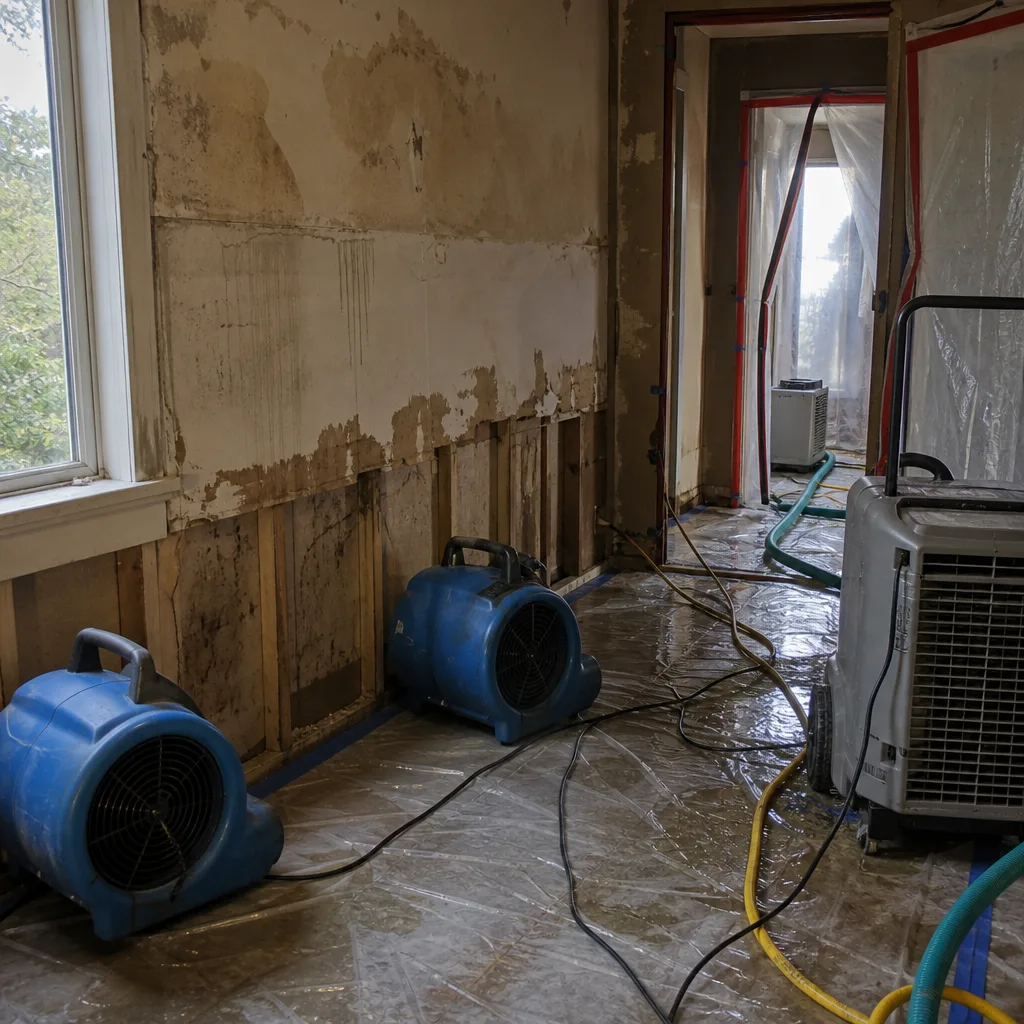 Before
 After
AfterFast, Reliable Mold Remediation Across Lakeside
Mold remediation in Lakeside typically costs between $1,200 and $4,500 depending on the affected square footage, with most hidden wall-cavity and attic jobs falling in the $2,200-$3,800 range. Our crews dispatch to Lakeside from our San Diego office, and we can usually have a certified technician on-site within 90 minutes for active mold concerns. Call (619) 649-7428 for a written estimate before any work begins.
We’ve restored more than 12,000 homes since 2011, and Lakeside’s mix of mid-century ranch homes, private well and septic systems, and wildfire-weathered structures presents mold problems that don’t match the patterns we see in coastal San Diego. The inland valley’s extreme temperature swings crack aging roof-to-wall flashing. The San Diego River corridor delivers sudden water intrusion. And ember-laden smoke from foothill fires leaves behind particulate matter that becomes a mold-food reservoir in attics most homeowners never inspect. We document every moisture reading, every photo, every drying log to IICRC standards so your insurer pays the claim without a fight.
Why DryMark Restoration Coronado Is Lakeside’s Preferred Mold Remediation Company
Lakeside homeowners know our Mold Remediation work by the documentation we leave behind. Alicia Brennan founded Back to Dry in 2011 after years as a claims adjuster watching homeowners lose legitimate mold claims to sloppy paperwork. Every Lakeside job gets a written price before work starts, a photo record on every visit, and a 365-Day Done Right Promise stamped under The Haven Standard. No scope creep. No verbal assurances that evaporate when the crew leaves.
Our response time to Lakeside averages under 90 minutes because we keep equipment staged in the eastern San Diego County corridor. We know the local terrain: the 1950s-70s ranch homes on larger lots near Lake Jennings, the properties along Wildcat Canyon Road with aging composition roofing, the subdivisions near River Park where the San Diego River corridor creates repeated flash-flood exposure. That local knowledge changes how we map moisture, where we look for hidden growth, and what we tell your adjuster about the likely source.
Our technicians are background-checked, uniformed, and licensed with numbers available on request. A live person answers every call, 24 hours a day, 7 days a week. No voicemail trees while water is still moving behind your walls.
Our Mold Remediation Services in Lakeside
Mold Inspection & Testing
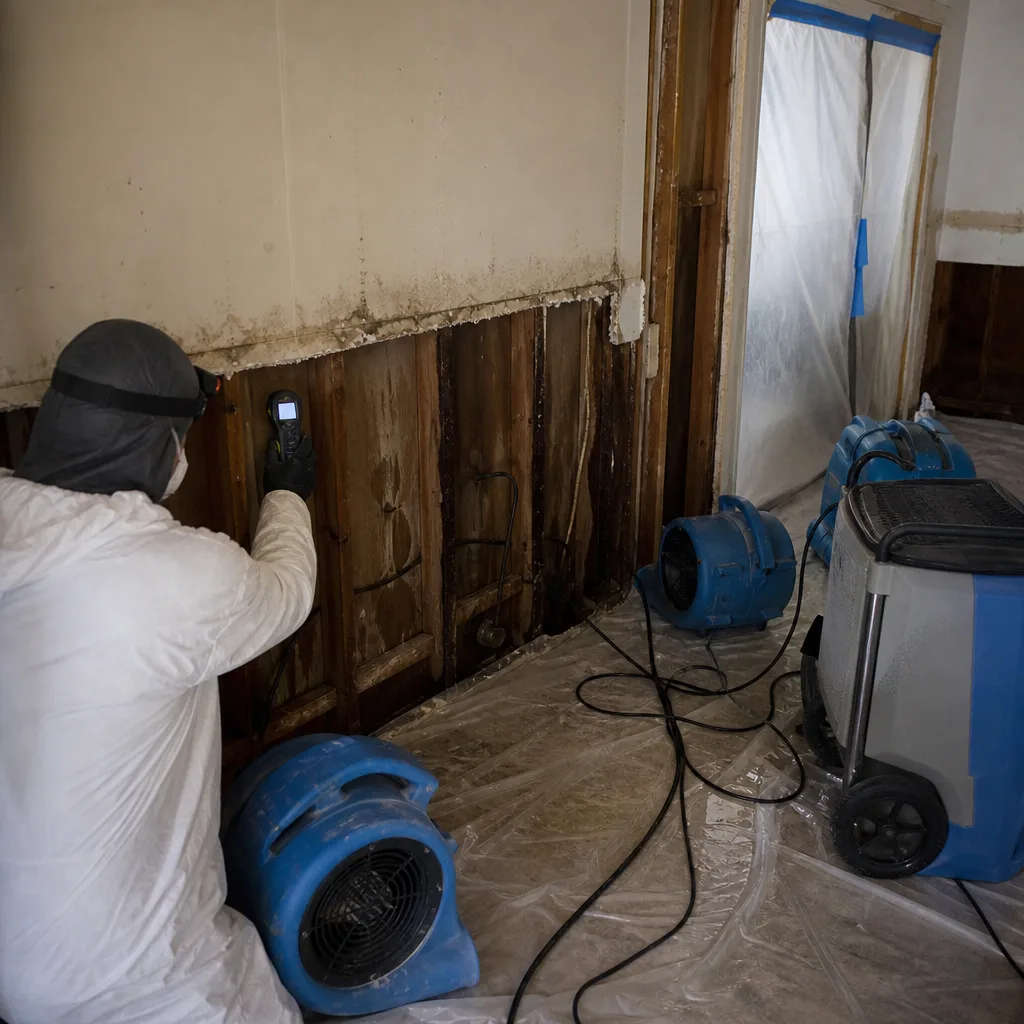
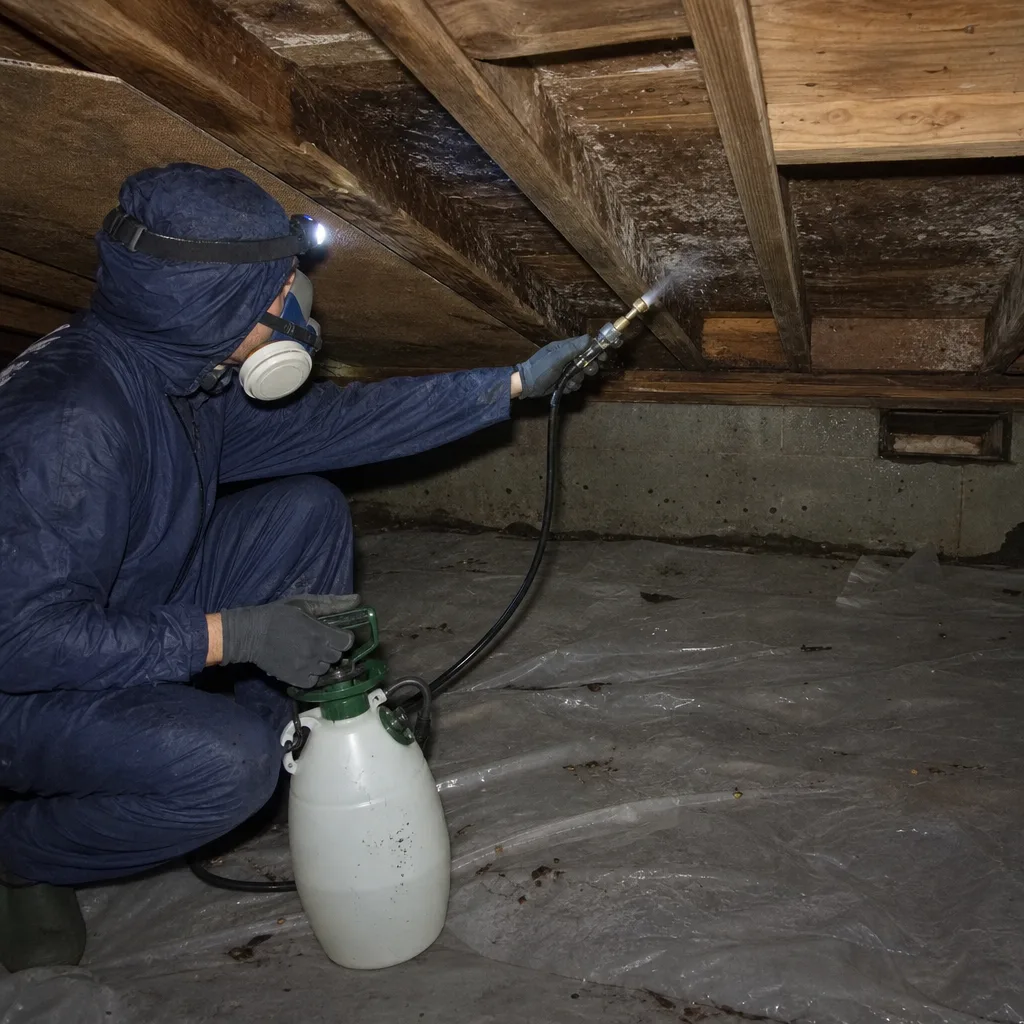
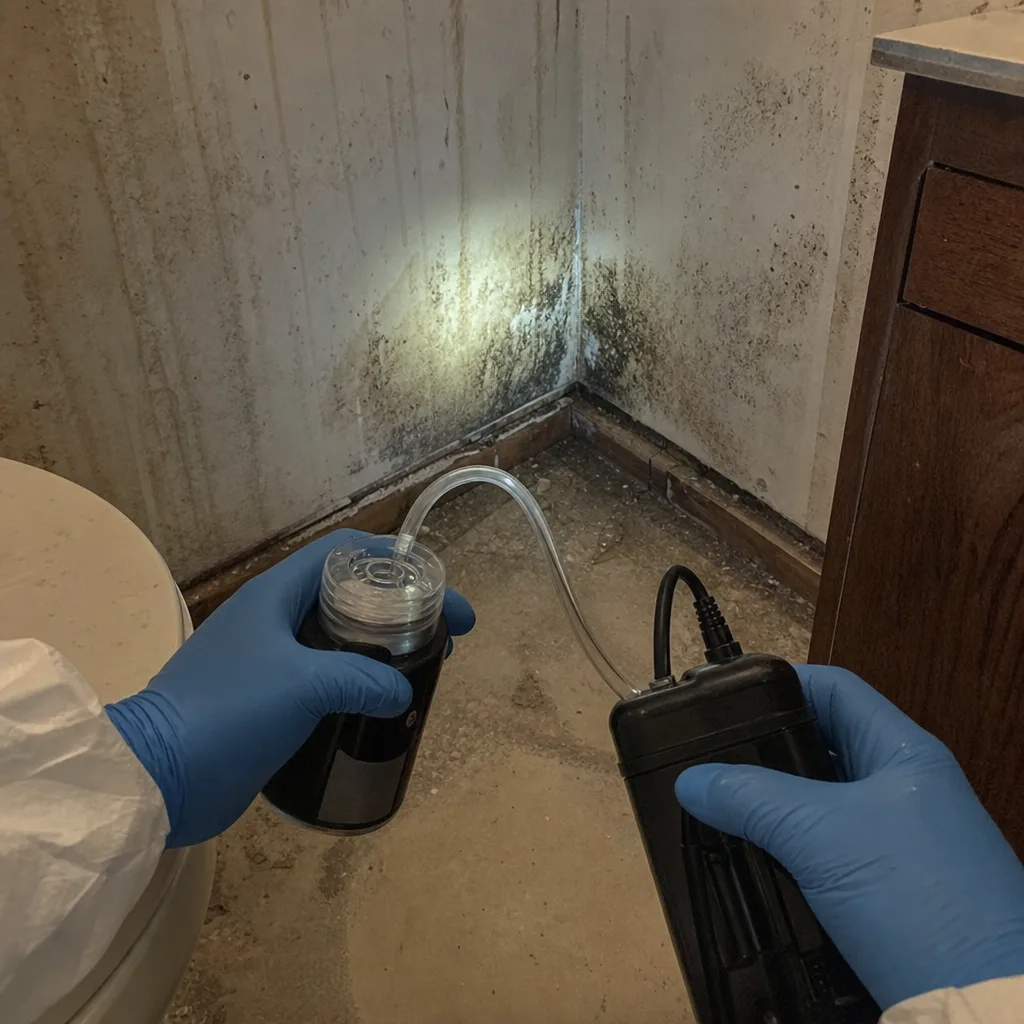
Most Lakeside mold inspections reveal a problem that’s been growing for weeks before anyone smells it. The extreme temperature swings in this inland valley expand and contract original 1950s-70s roof-to-wall flashing until it fails, feeding slow leaks into wall cavities where wood framing stays damp. We use moisture meters, thermal imaging, and air sampling to map the full extent before opening anything. Every finding is photographed, every reading logged, every square foot of affected material classified by type. You get the report. Your adjuster gets the report. Haven Standard, Clause 1: the written price comes before any containment goes up.
Mold Removal
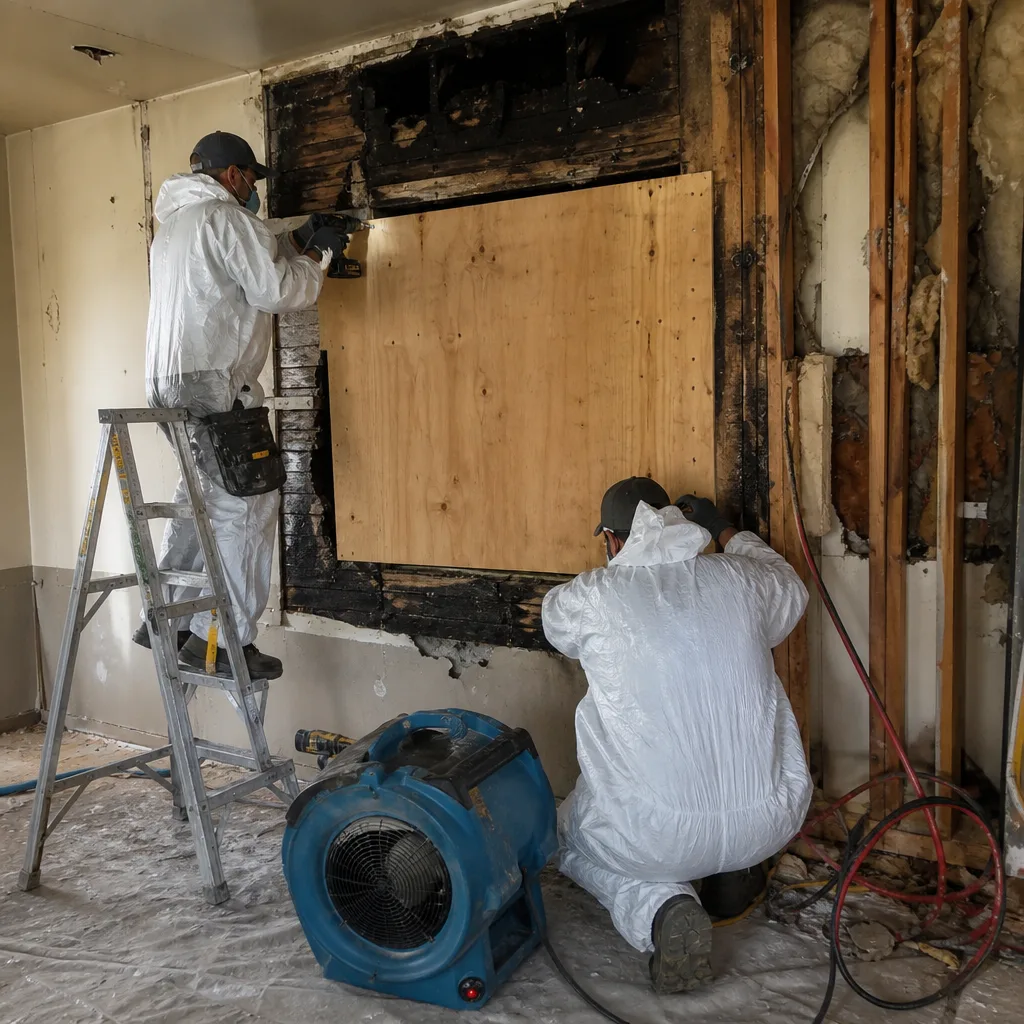
Removal in Lakeside means more than wiping visible spots. The wildland-urban interface here pulls ember-laden smoke through passive attic vents during Santa Ana wind events, depositing particulate-rich residue in insulation and ductwork that becomes a nutrient source for mold once moisture follows. We remove contaminated materials by IICRC protocol, HEPA-vacuum every surface, and run negative-air containment so spores don’t migrate to clean rooms. Our crews work with Dri-Eaz and Injectidry systems to dry the structure before rebuild, documenting vapor pressure differential and psychrometric data - the measurable conditions that prove drying is complete.
Black Mold Remediation
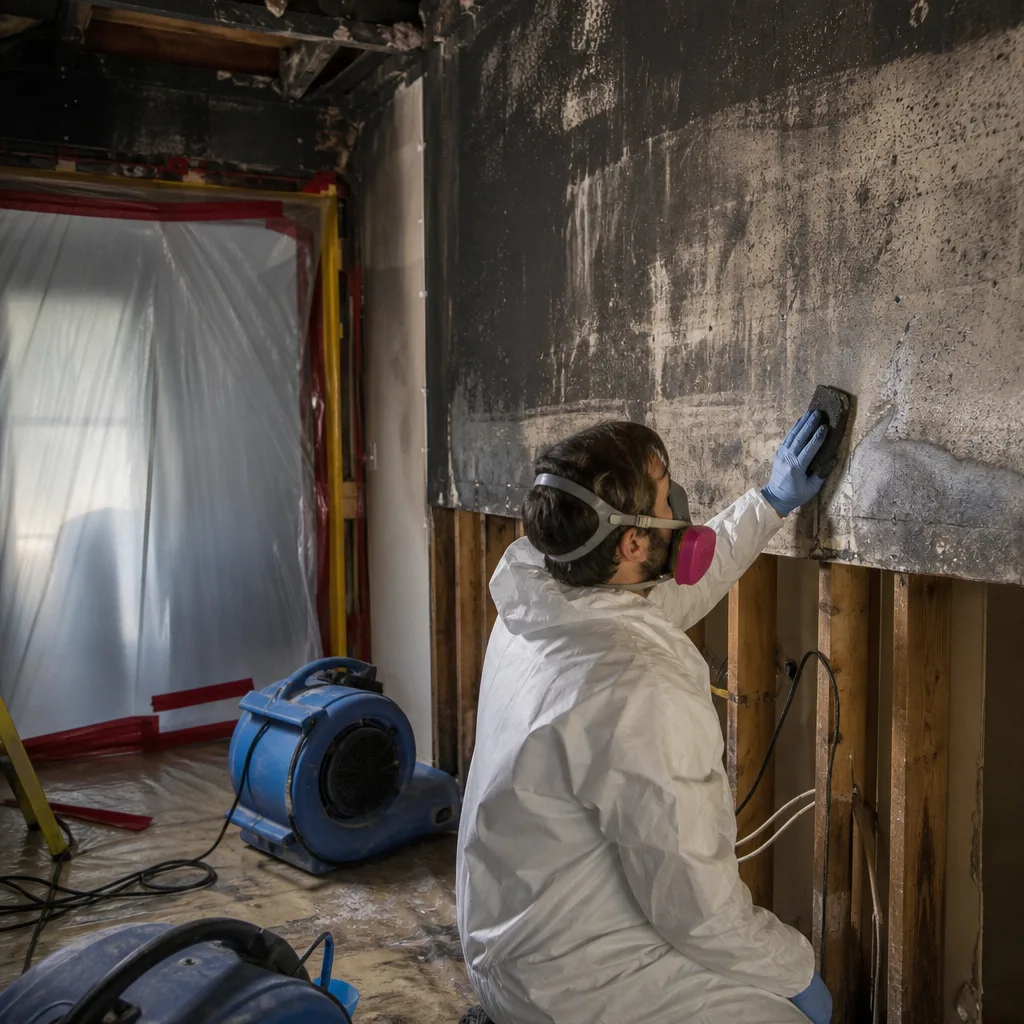
Stachybotrys and other toxigenic molds in Lakeside homes usually signal a long-standing moisture source we’ve missed somewhere. In a 1960s ranch near the San Diego River corridor, our crew once found Category 2 intrusion from failed flashing that had been feeding hidden mold in original wood framing for weeks without a visible leak. We set up containment, ran moisture mapping and drying logs across the affected walls, used Injectidry and Dri-Eaz air movers with dehumidification to dry the structure, applied antimicrobial treatment, then scoped a partial pack-out of soot-adjacent attic insulation from a prior wildfire smoke event. The homeowner was surprised the mold had been growing behind the wall for weeks without a visible leak. Black mold jobs require the same documentation discipline: written scope, photo record, signed warranty.
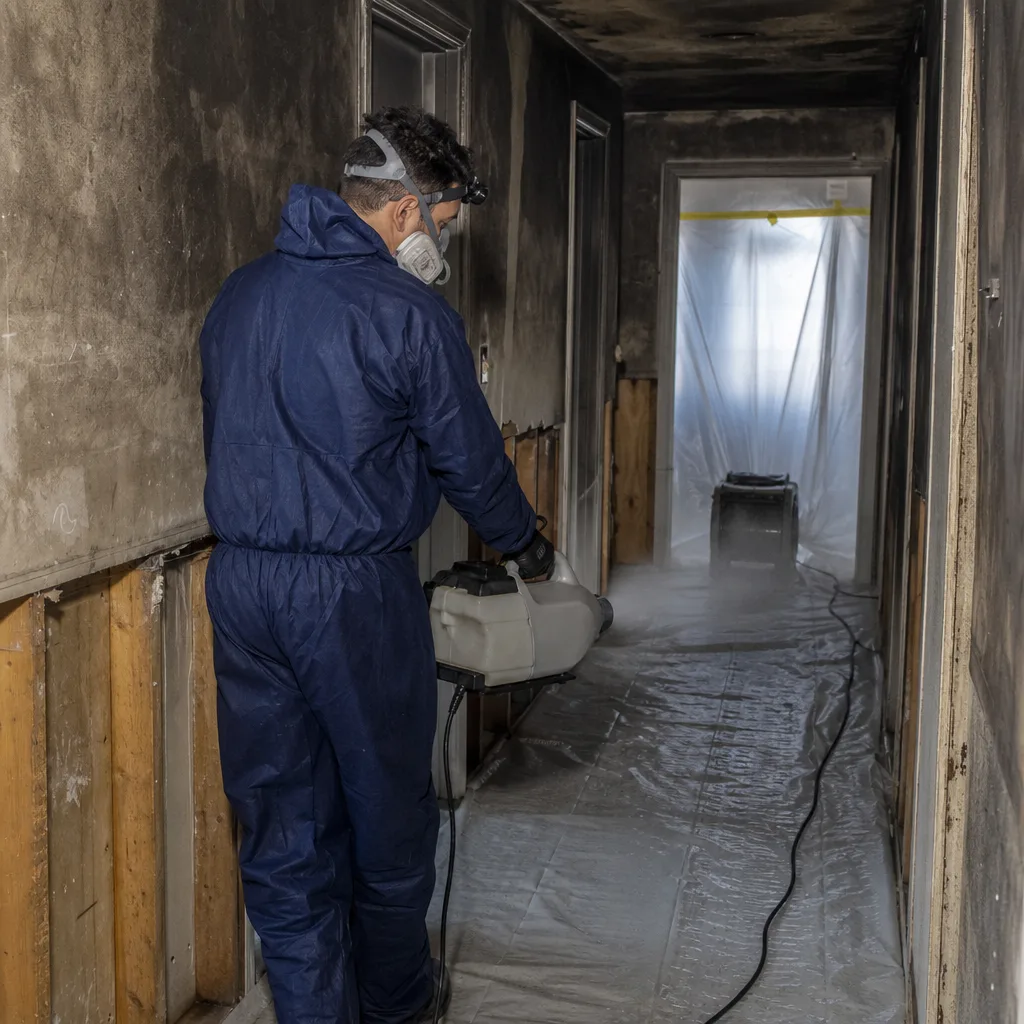
Air Quality Restoration
Lakeside’s combination of wildfire smoke history and mold contamination means air quality restoration often addresses both particulate and biological loads simultaneously. We clean and seal ductwork, replace smoke-impacted insulation, and run HEPA filtration during and after remediation. Post-remediation air sampling verifies spore counts have dropped to acceptable levels before we release containment. The documentation package includes before-and-after readings, equipment run logs, and a signed clearance - the evidence your adjuster needs to close the claim.
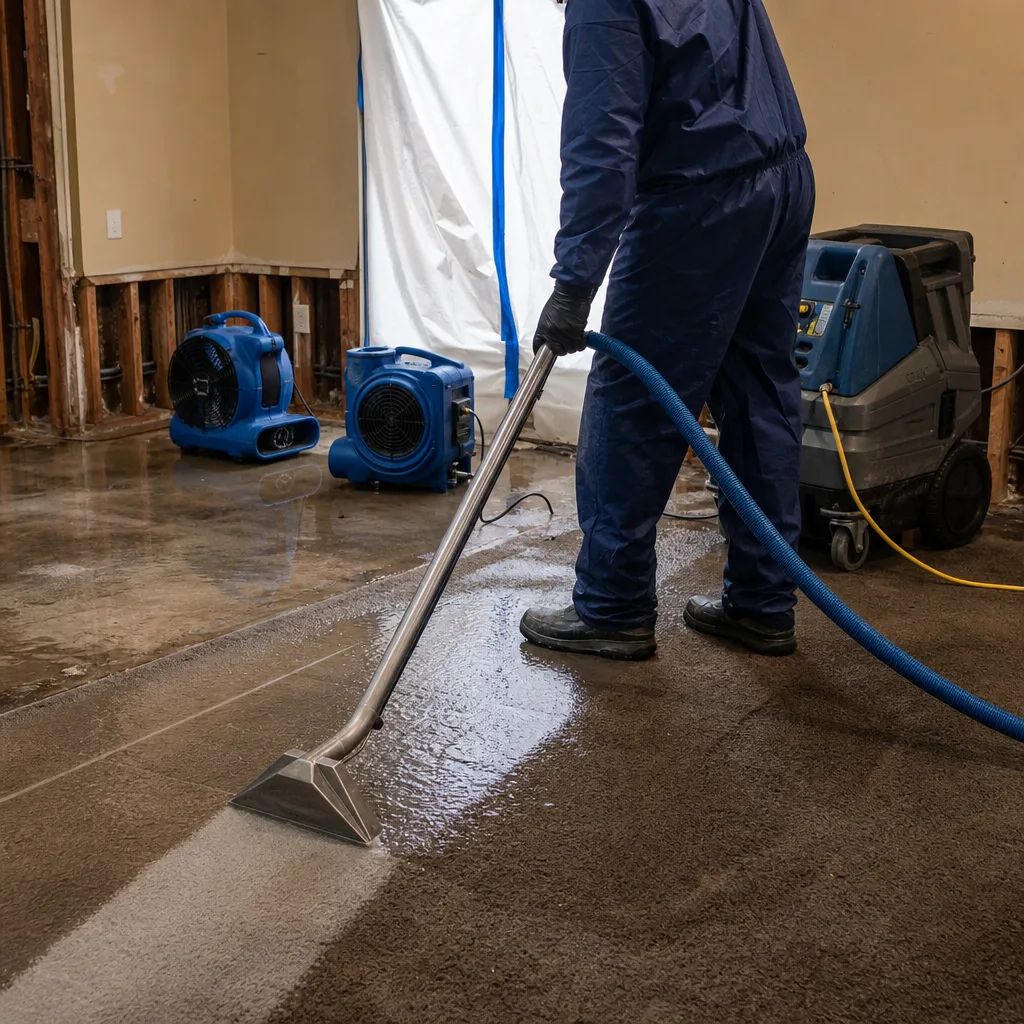
Moisture & Humidity Control
Controlling moisture in Lakeside requires understanding this specific climate, not generic coastal assumptions. The inland valley’s low baseline humidity can mask wall-cavity dampness because surface readings look dry while framing behind stays wet. We place moisture probes at multiple depths, track readings across drying days, and adjust equipment based on actual psychrometric data - temperature, relative humidity, and vapor pressure - not guesswork. For homes on private wells, we verify supply pressure and drainage capacity before designing the drying protocol, since municipal infrastructure assumptions don’t apply.
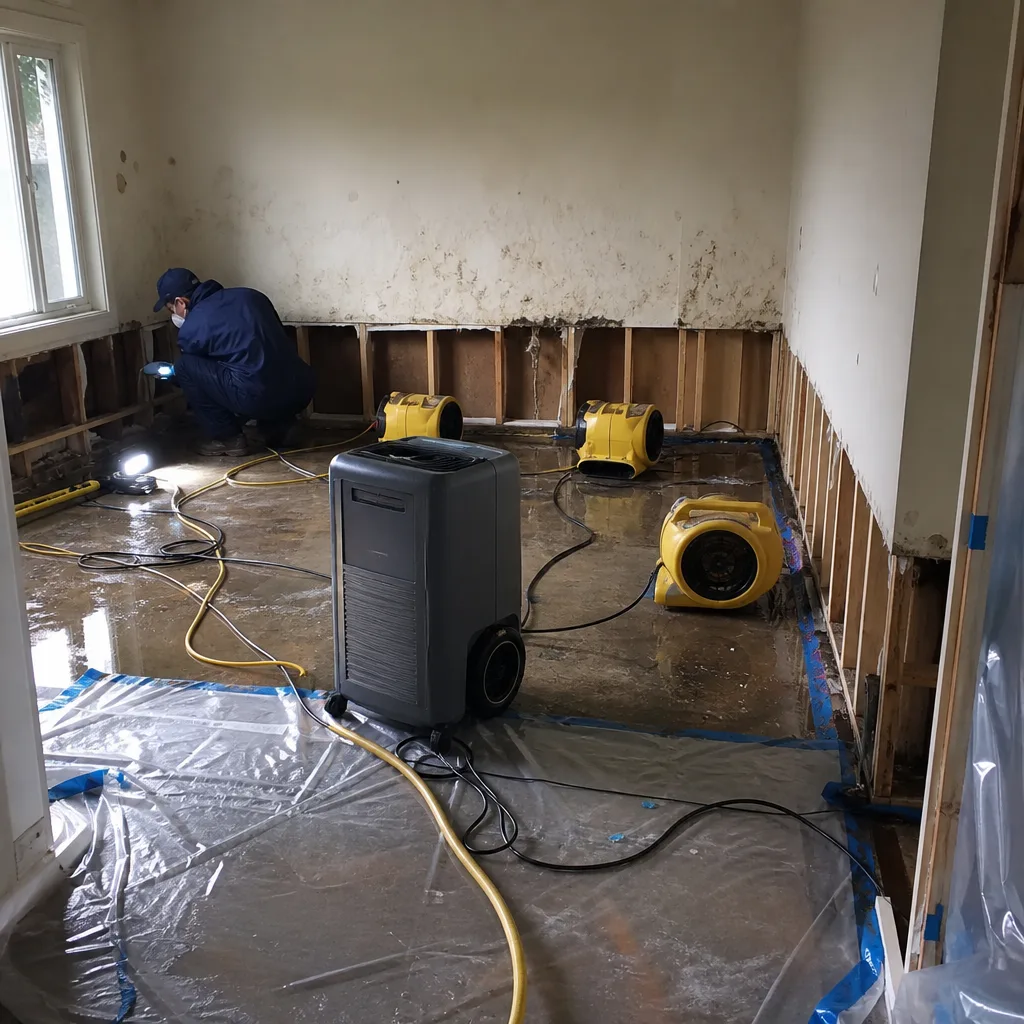
Crawl Space Treatment
Lakeside’s larger semi-rural lots often include crawl spaces with dirt floors and limited ventilation, especially in the older ranch homes near Lake Jennings and along Wildcat Canyon Road. These spaces accumulate moisture from seasonal rain, poor grading, and in some cases, septic system proximity. We install vapor barriers, dehumidify to specification, treat structural members, and document conditions with dated photos. The goal is a dry, verifiable crawl space that won’t regenerate mold the next wet season.
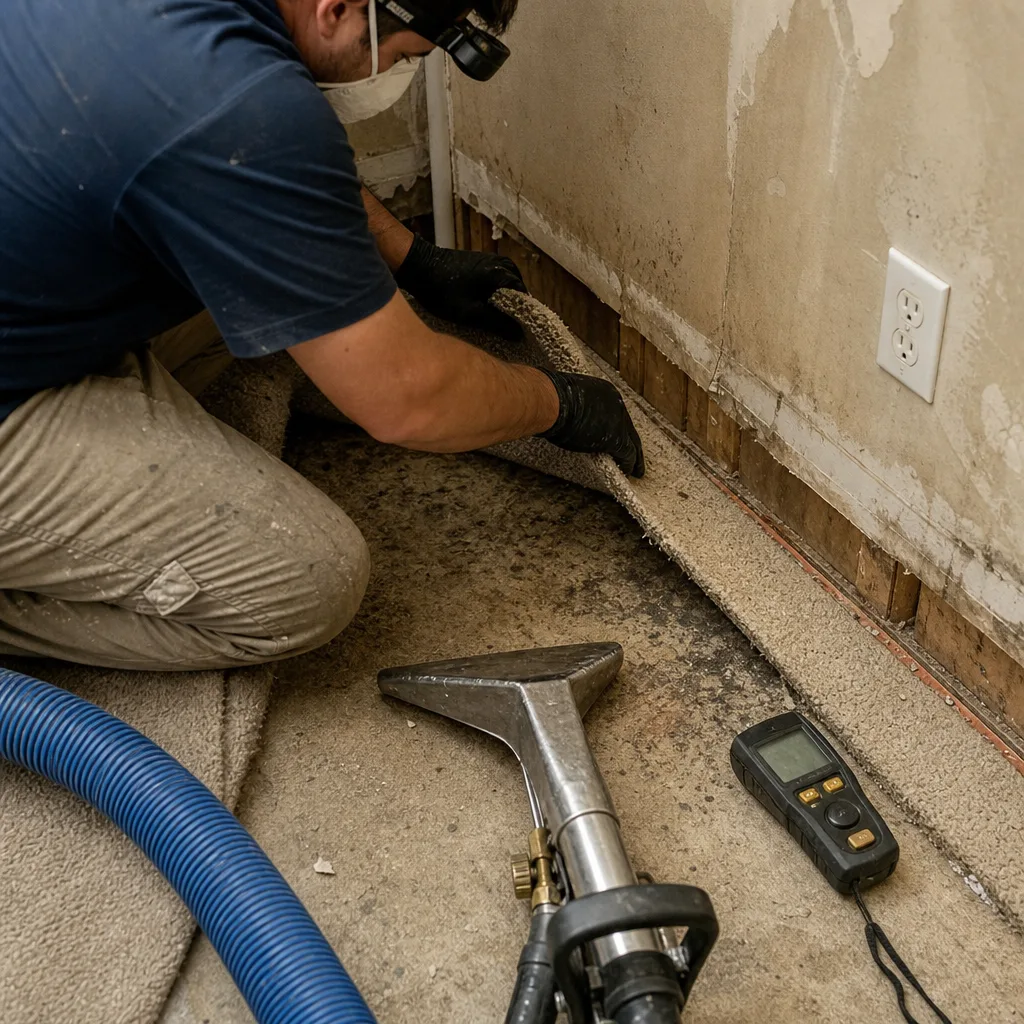
What happens when you call
- 1
A real person answersNo phone trees - you reach a local pro.
- 2
You get an upfront price rangeHonest numbers before anyone is dispatched.
- 3
A background-checked tech heads outLicensed & insured, dispatched right away.
- 4
You approve before work beginsNothing starts until you say go.
 Before
 After
AfterTrusted Brands We Service in Lakeside
We deploy professional-grade drying and air quality equipment from Dri-Eaz, Phoenix, and XPOWER on Lakeside jobs, with Injectidry systems for targeted wall-cavity and hardwood drying. These aren’t rental-grade machines. They’re documented to IICRC, RIA, and IFA standards, producing the daily moisture logs that turn restoration invoices into payable insurance claims. We stock HEPA filtration, antimicrobial treatments, and containment materials locally so we’re not waiting on supply runs while your walls stay wet. Every piece of equipment is logged by serial number, run hours, and placement location in your job file.
Common Mold Remediation Problems We See in Lakeside Homes
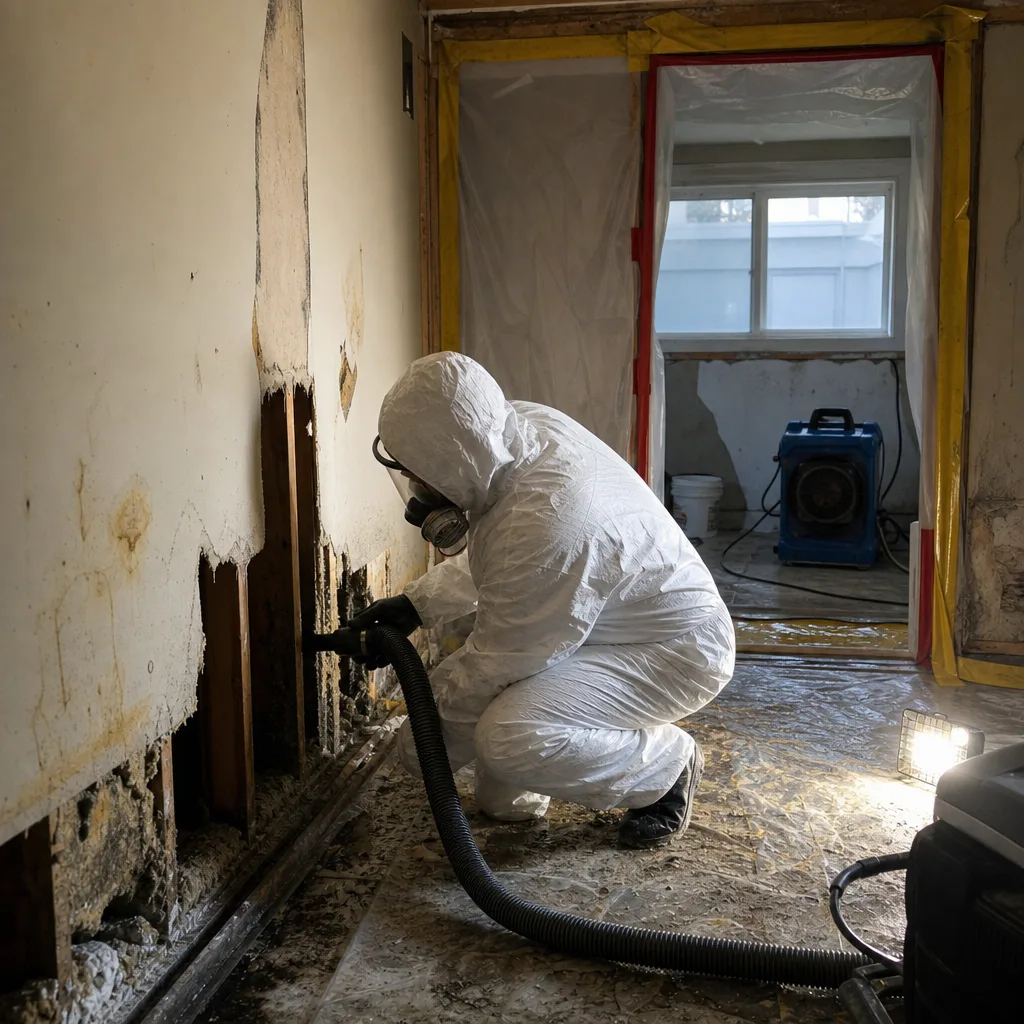
- Hidden roof-deck and wall-cavity leaks in original mid-century framing. Lakeside’s 1950s-70s ranch homes have wood framing and flashing that’s simply aged past its service life. The extreme temperature swings accelerate cracking. Water enters slowly, stays hidden, and feeds mold for weeks before any surface sign appears. Surface cleaning without finding the source guarantees return growth after the first fall rain event.
- Wildfire smoke residue as a mold-food reservoir in attics and ducts. After fires burn in the chaparral-covered foothills, smoke drawn through passive attic vents deposits particulate-rich residue in insulation and ductwork. Most adjusters initially underestimate this contamination. When moisture later intrudes - from rain, suppression water, or failed flashing - that residue becomes a nutrient source for mold that standard remediation scopes miss entirely.
- Private well and septic systems complicating drying protocols. Many Lakeside properties aren’t on municipal water or sewer. We can’t assume standard supply pressure, drainage capacity, or waste disposal. Our moisture mapping and structural drying are built around what’s actually on site, documented in the scope, and explained to your adjuster so the claim covers real conditions.
- San Diego River corridor flash-flood events creating sudden, severe intrusion. Heavy atmospheric river rain can push the river corridor rapidly into adjacent properties, especially near River Park. The water is often Category 2 or 3, carrying debris and contaminants that require full decontamination, not just drying. Mold follows within 24-48 hours if the response is delayed or documentation is incomplete.
Pricing for Mold Remediation in Lakeside, CA
Mold inspection and testing in Lakeside typically runs $350-$650 for a standard residential assessment with moisture mapping and air sampling. Surface mold removal on accessible areas generally falls between $1,200 and $2,400. Hidden wall-cavity or attic remediation, which requires containment, negative-air setup, and structural drying, usually ranges from $2,200 to $3,800. Full-scale black mold remediation with pack-out, duct cleaning, and air quality restoration can reach $4,000-$6,500 for larger Lakeside homes with extensive contamination.
What moves the price: affected square footage, material type (drywall versus plaster versus wood framing), accessibility (crawl spaces and attics add labor), whether the moisture source is identified and stopped, and whether wildfire smoke contamination requires additional decontamination. Every Lakeside job gets a written price before work begins, with no scope-creep additions once the crew is inside. Haven Standard, Clause 1. We also offer a Free Second Opinion on any competitor’s written estimate - bring their scope and we’ll review it at no charge.
Call (619) 649-7428 for a written estimate. Estimates are free.
We Also Serve Cities Near Lakeside
Our crews respond throughout eastern San Diego County, including Lakeside and neighboring Santee, El Cajon, La Mesa, and Spring Valley. Each community has its own housing stock patterns and climate exposure, and we adjust our moisture mapping and documentation accordingly. Dispatch and scheduling are coordinated from our San Diego office with local crews serving the corridor.
Serving Lakeside, CA - Our Local Coverage Area
We’re based in the Lakeside area and know this community well. Use the map below to see our service coverage - if you’re nearby, we can almost certainly help.
FAQs - Mold Remediation in Lakeside
Yes. Ember-laden smoke from foothill fires deposits particulate-rich residue in attic insulation and ductwork through passive vents, and that residue becomes a nutrient source for mold when moisture later intrudes. Most standard remediation scopes don’t account for this smoke-to-mold pathway, which is why we inspect attic insulation and HVAC systems on every Lakeside mold job, not just the visible wall or ceiling stain. Call (619) 649-7428 if you’ve had smoke exposure and are now seeing moisture issues.
Yes. We can’t assume municipal water pressure for equipment supply or municipal drainage for waste disposal, so our drying protocols are built around what’s actually on your property. We verify supply capacity, plan drainage paths that don’t overload your septic, and document these conditions in the written scope so your adjuster understands why the protocol differs from a standard city job. Call (619) 649-7428 and we’ll note your system type when we schedule.
Mold can begin colonizing within 24 to 48 hours of moisture intrusion, and in Lakeside’s temperature-swing climate, wall cavities behind original 1950s-70s framing can stay wet for weeks without showing surface signs. The low humidity that feels dry to your skin doesn’t reach the inside of a wall. That’s why we recommend inspection within 24 hours of any known water event, and why our documentation includes moisture readings at multiple depths, not just surface checks. Call (619) 649-7428 for same-day response.
Yes. We routinely scope both on Lakeside jobs, especially after wildfire season when suppression water or fall rain events follow smoke exposure. The field vignette we see repeatedly: a home a mile from the fire perimeter with soot-caked ductwork and ash-contaminated attic insulation that becomes a mold reservoir once moisture arrives. We document both contamination types, scope the full decontamination, and present a single written price before work begins. Call (619) 649-7428 for an assessment that covers both pathways.
Containment of the affected area, negative-air pressure to prevent spore migration, removal of contaminated materials per IICRC protocol, structural drying with logged moisture readings, antimicrobial treatment, and post-remediation air sampling before containment comes down. For Lakeside’s mid-century ranches, we also inspect the original roof-to-wall flashing and attic ventilation as likely moisture sources, and we check for wildfire smoke residue in ducts and insulation. You receive a photo record from every visit, daily drying logs, and a signed 365-Day Done Right Promise under The Haven Standard. Call (619) 649-7428 to schedule with a written scope.
Written by Alicia Brennan, Owner at Back to Dry Restoration, serving Lakeside and eastern San Diego County since 2011.